

Skip to content
Home / Notes

Print Notes

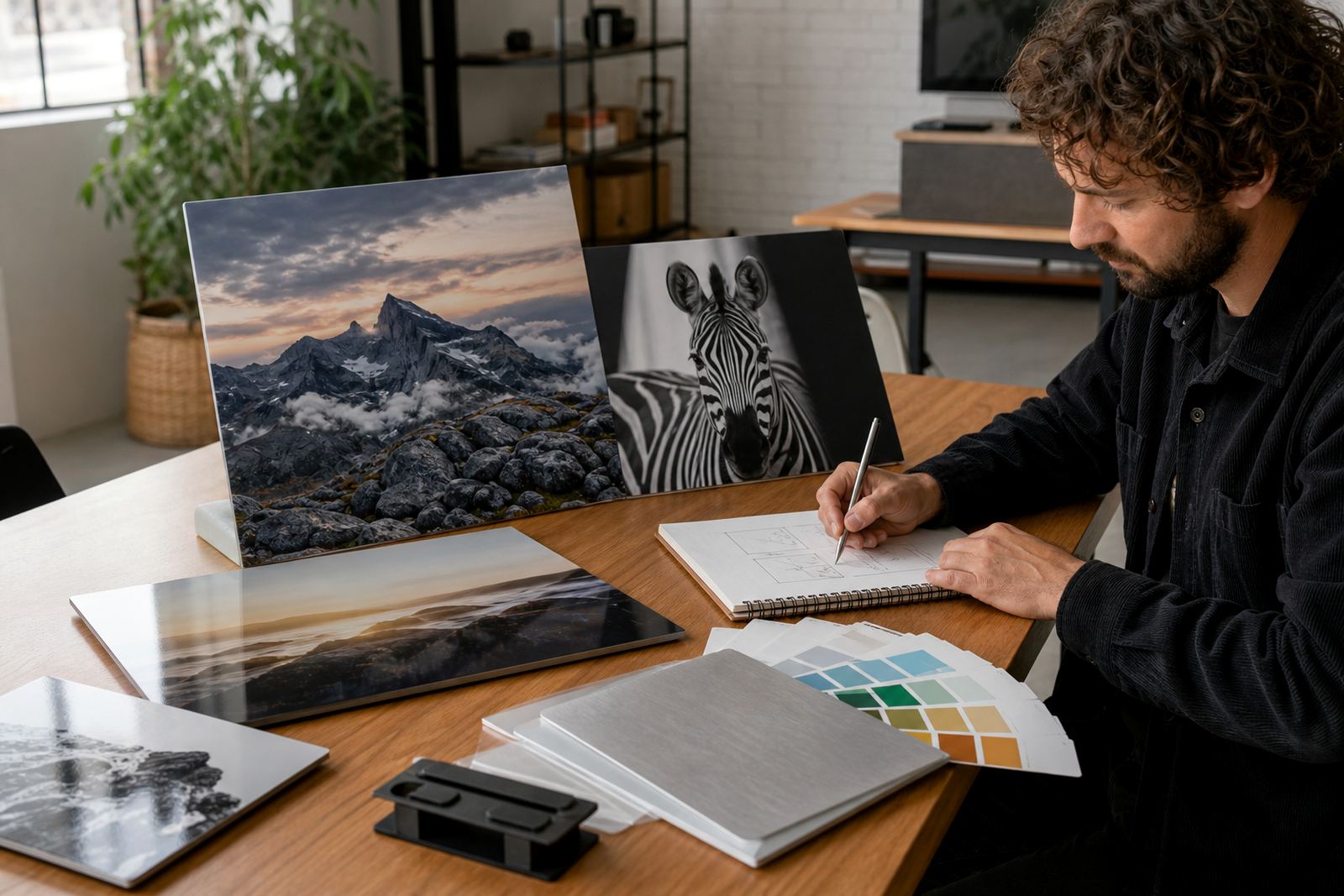
These articles explain practical topics around dye sublimation aluminium photo panels, image preparation and display planning. They are written for South African photographers, artists and businesses ordering metal prints.

Print Notes
How Sublimation Works

How Sublimation Works

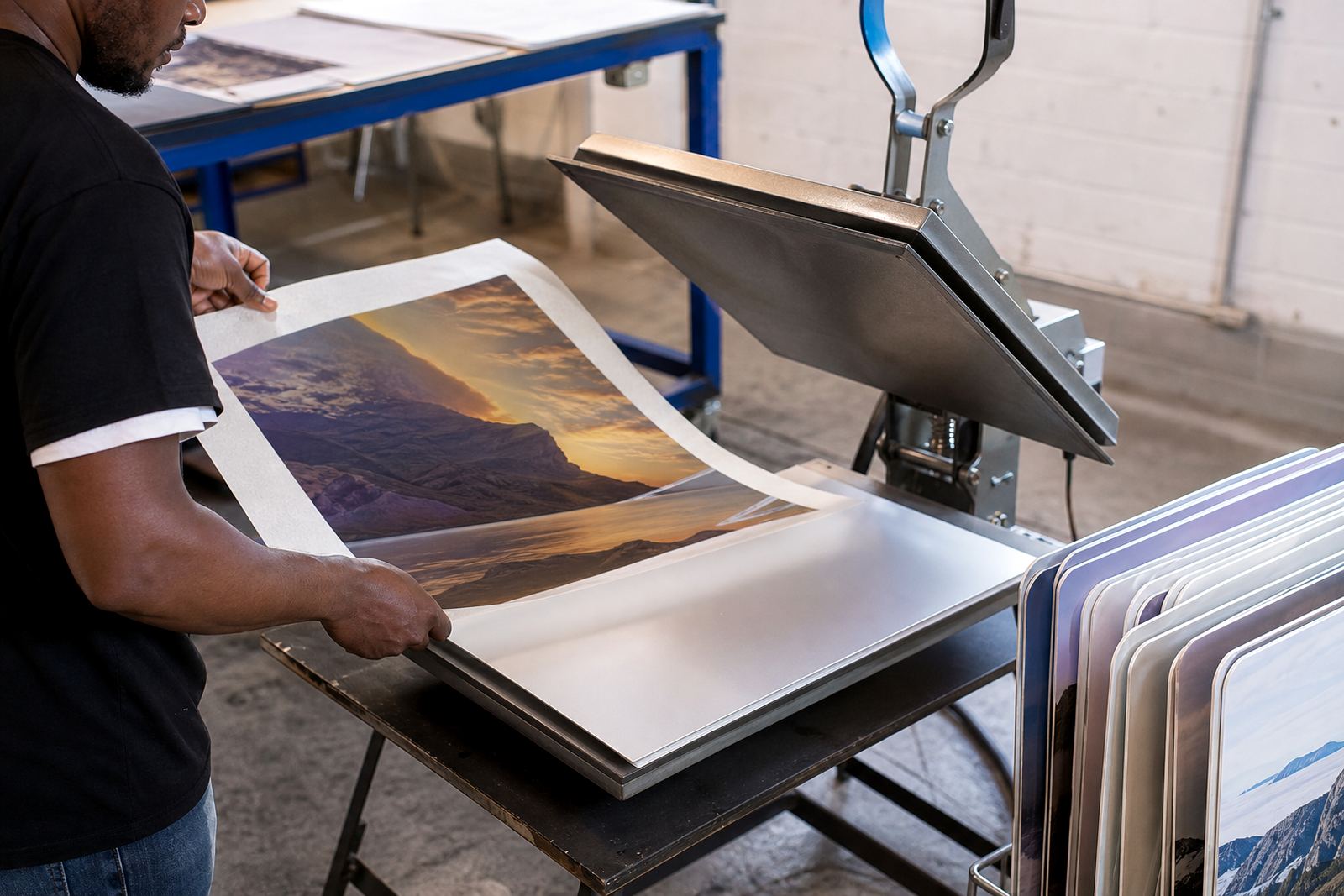
A plain-language look at transferring printed dyes into coated aluminium panels using heat and pressure.

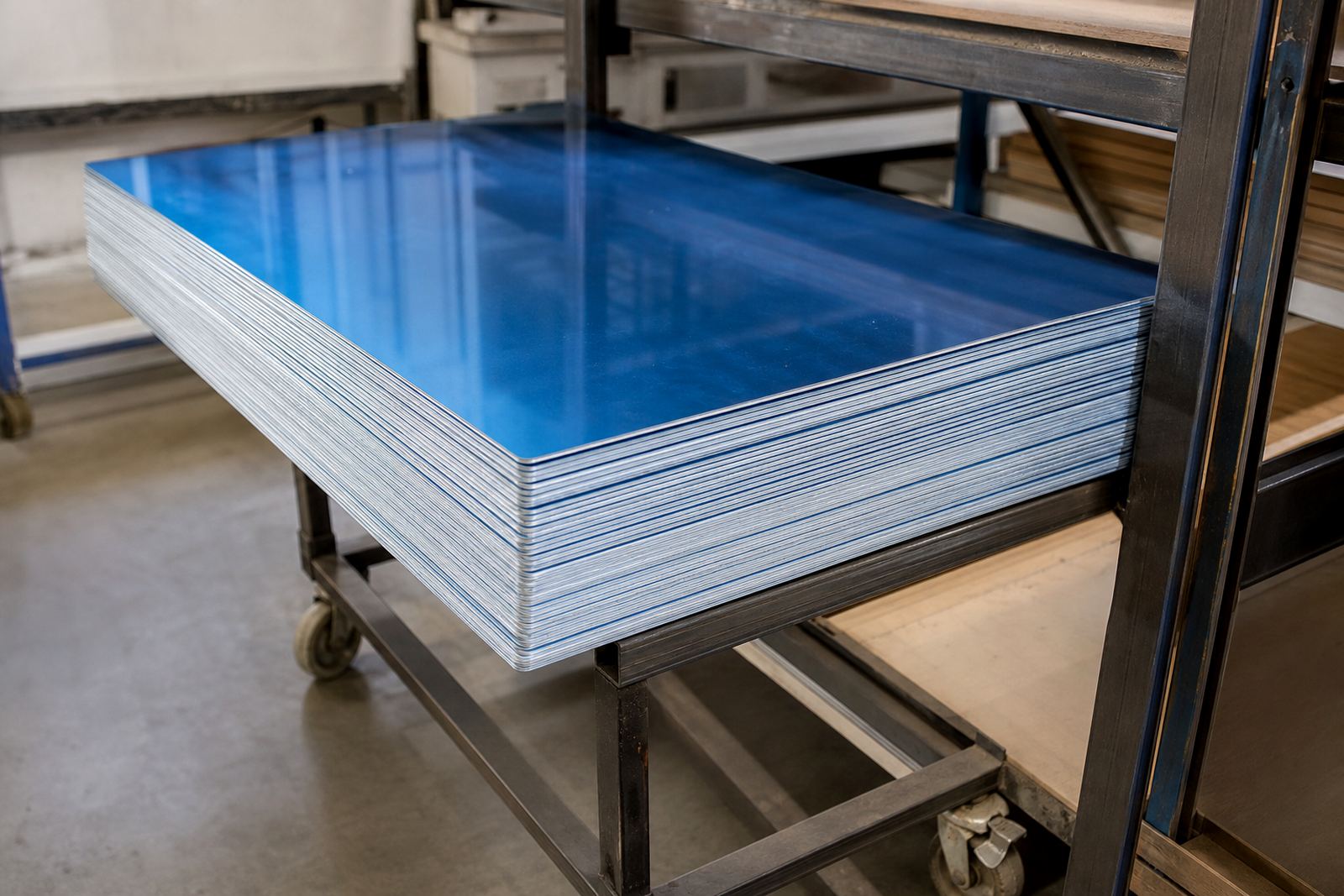
Why Coated Aluminium

Why Coated Aluminium

Why coated aluminium is used as the base for durable, vivid photo panel production.

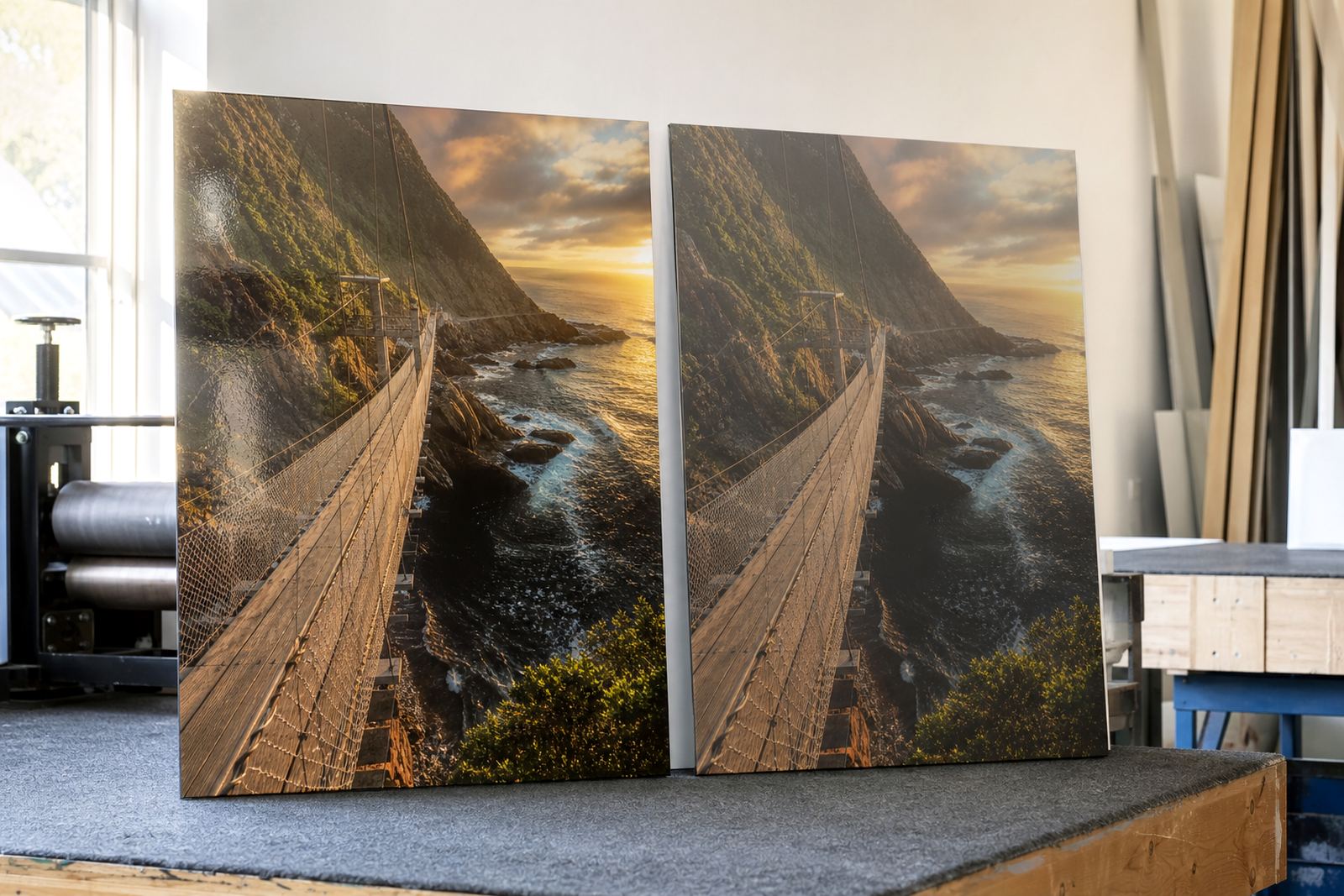
Gloss Or Matte

Gloss Or Matte

A practical comparison of gloss and matte surfaces for different rooms and image styles.

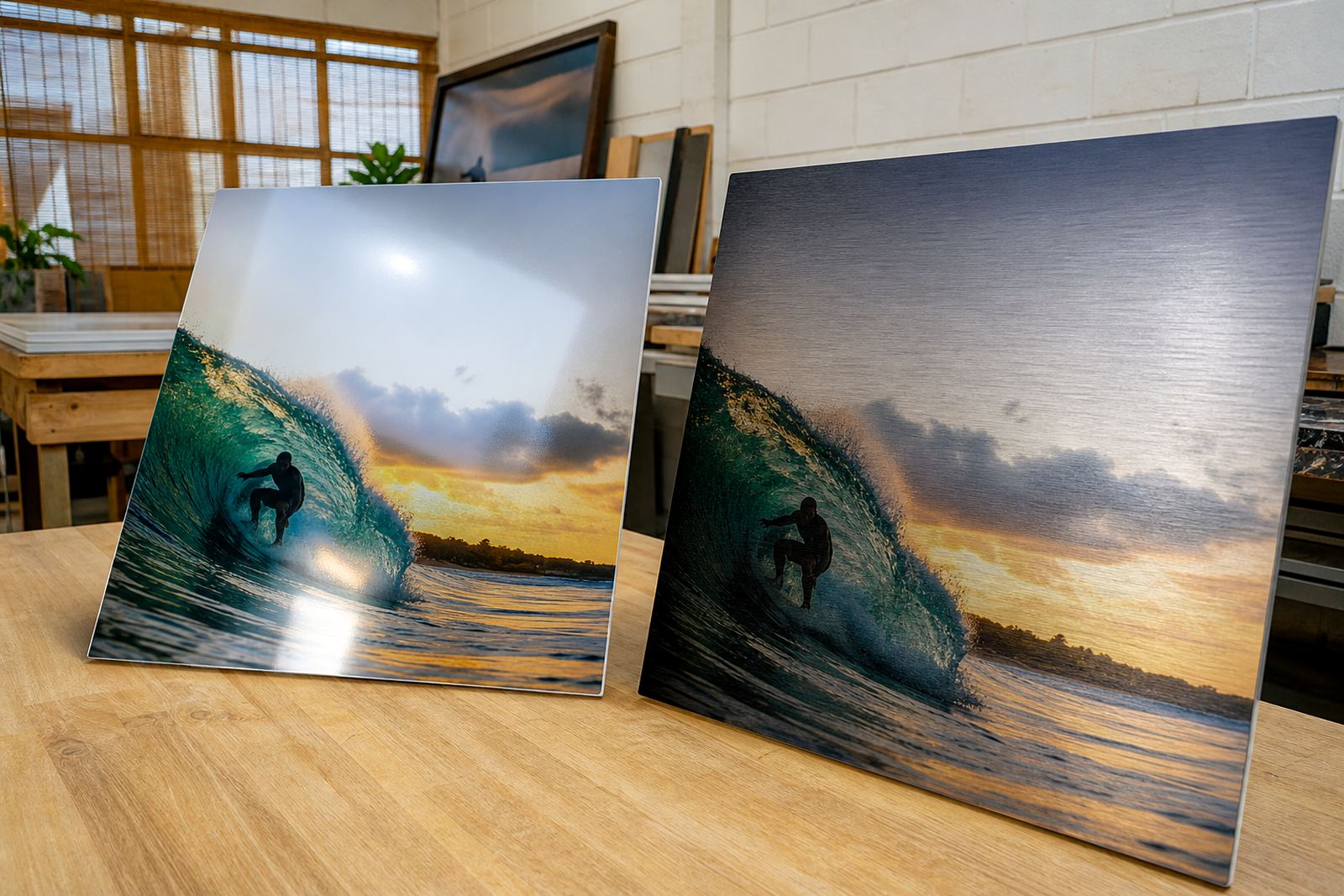
White Or Brushed

White Or Brushed

How white and brushed aluminium bases affect colour, highlights and metallic image areas.

Large Print Resolution

Large Print Resolution

What practical image resolution means when planning bigger aluminium wall displays.

Viewing Distance Matters

Viewing Distance Matters

How expected viewing distance changes what counts as enough image detail for a panel.

Portrait Files Tips

Portrait Files Tips

Preparing portraits for aluminium panels with attention to skin tone and crop placement.

Landscape Files Tips

Landscape Files Tips

Tips for landscapes where contrast, skies and panoramic crop choices matter most.

Black And White Prints

Black And White Prints

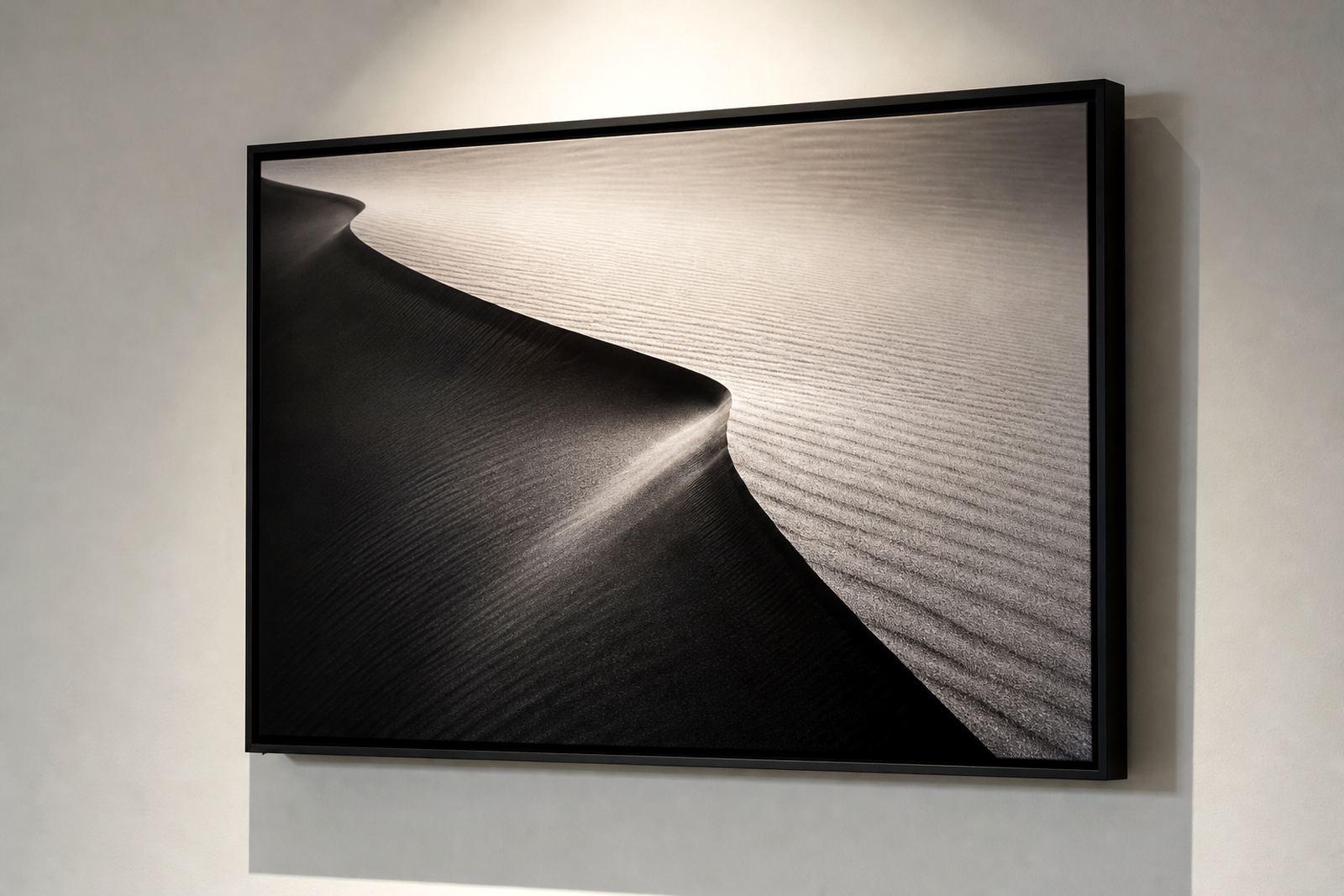
What to consider when translating monochrome images onto gloss or matte aluminium.

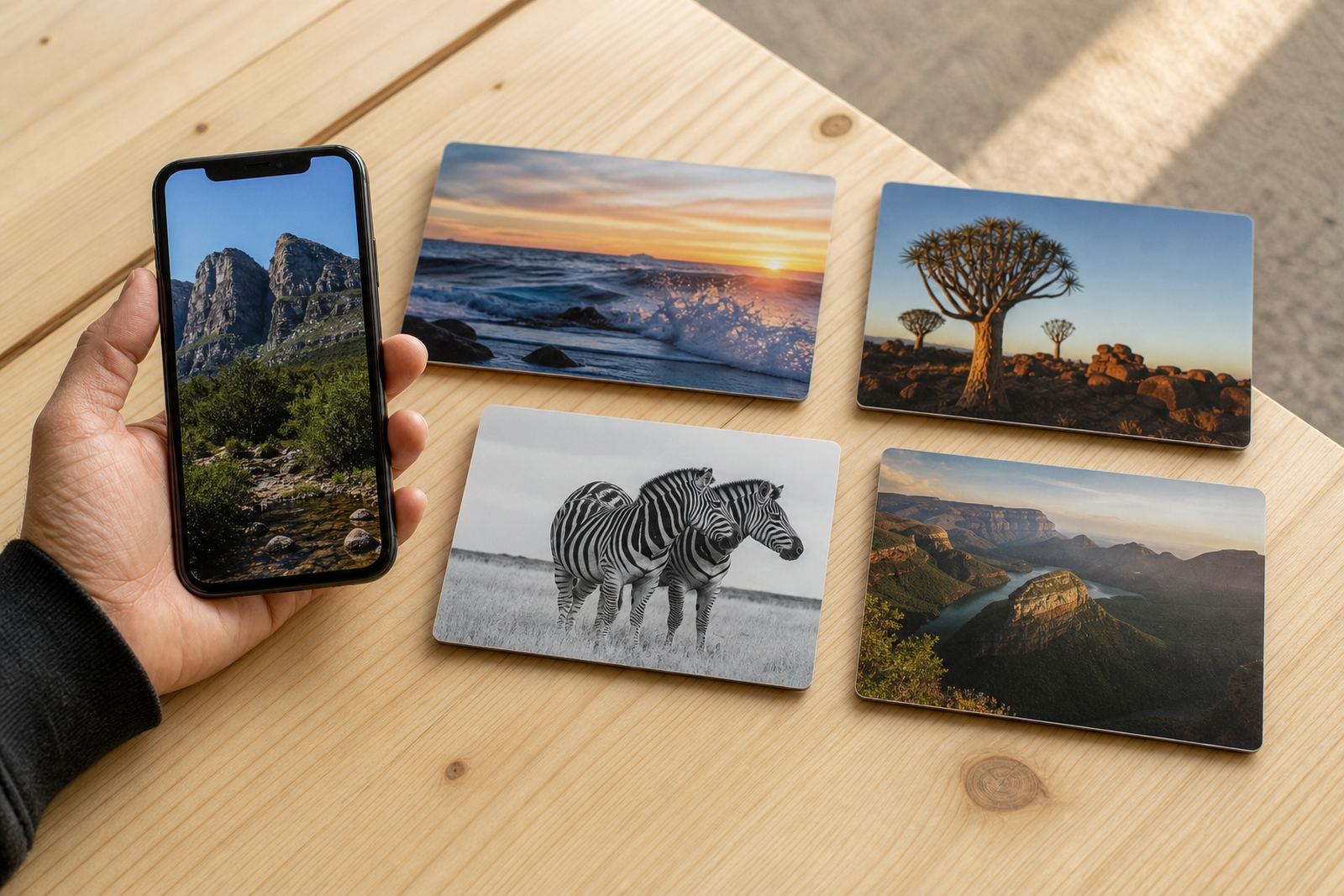
Phone Photo Printing

Phone Photo Printing

When mobile phone images are suitable for smaller or medium aluminium panel sizes.

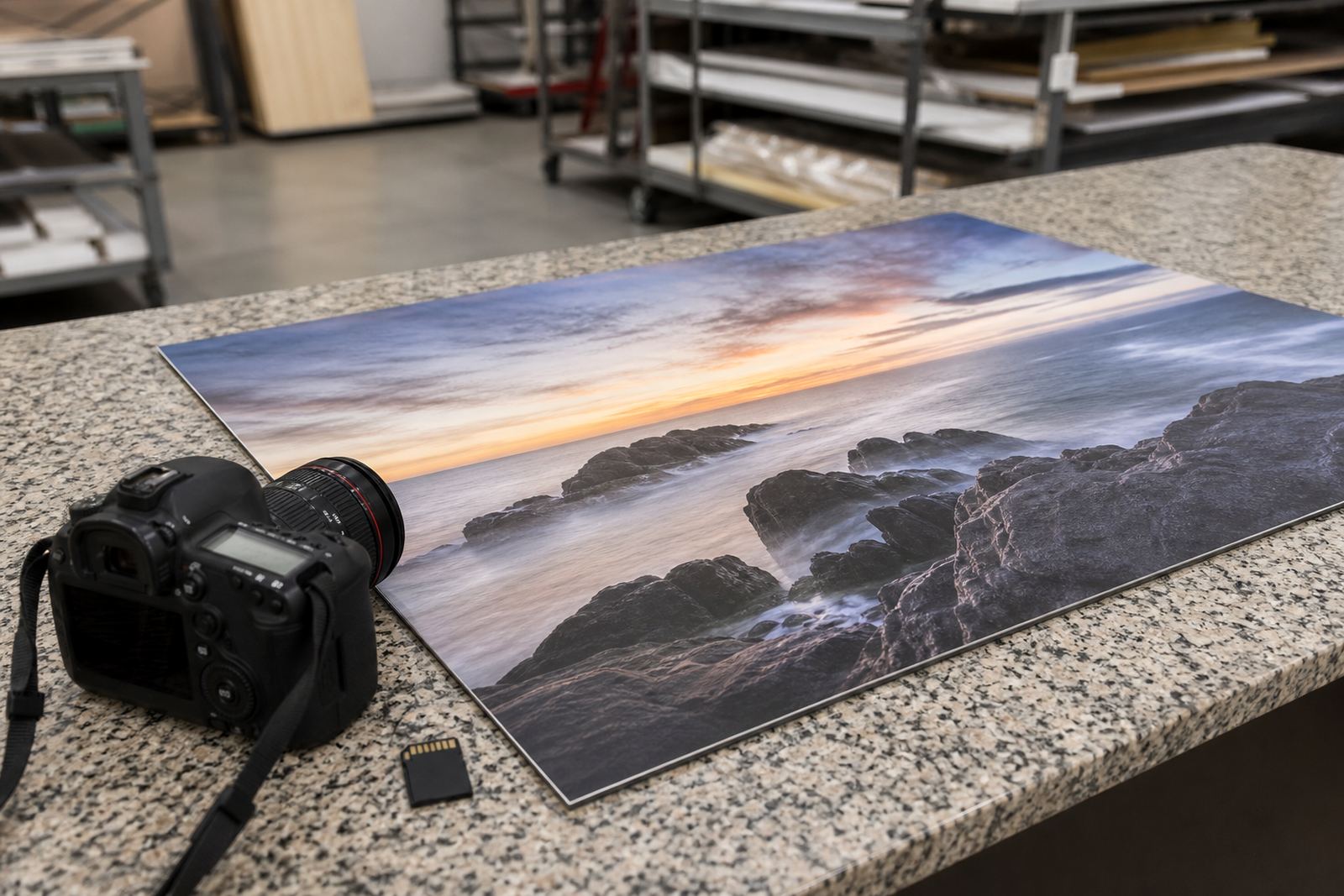
Camera File Printing

Camera File Printing

How camera files generally allow more flexibility for larger metal print formats.

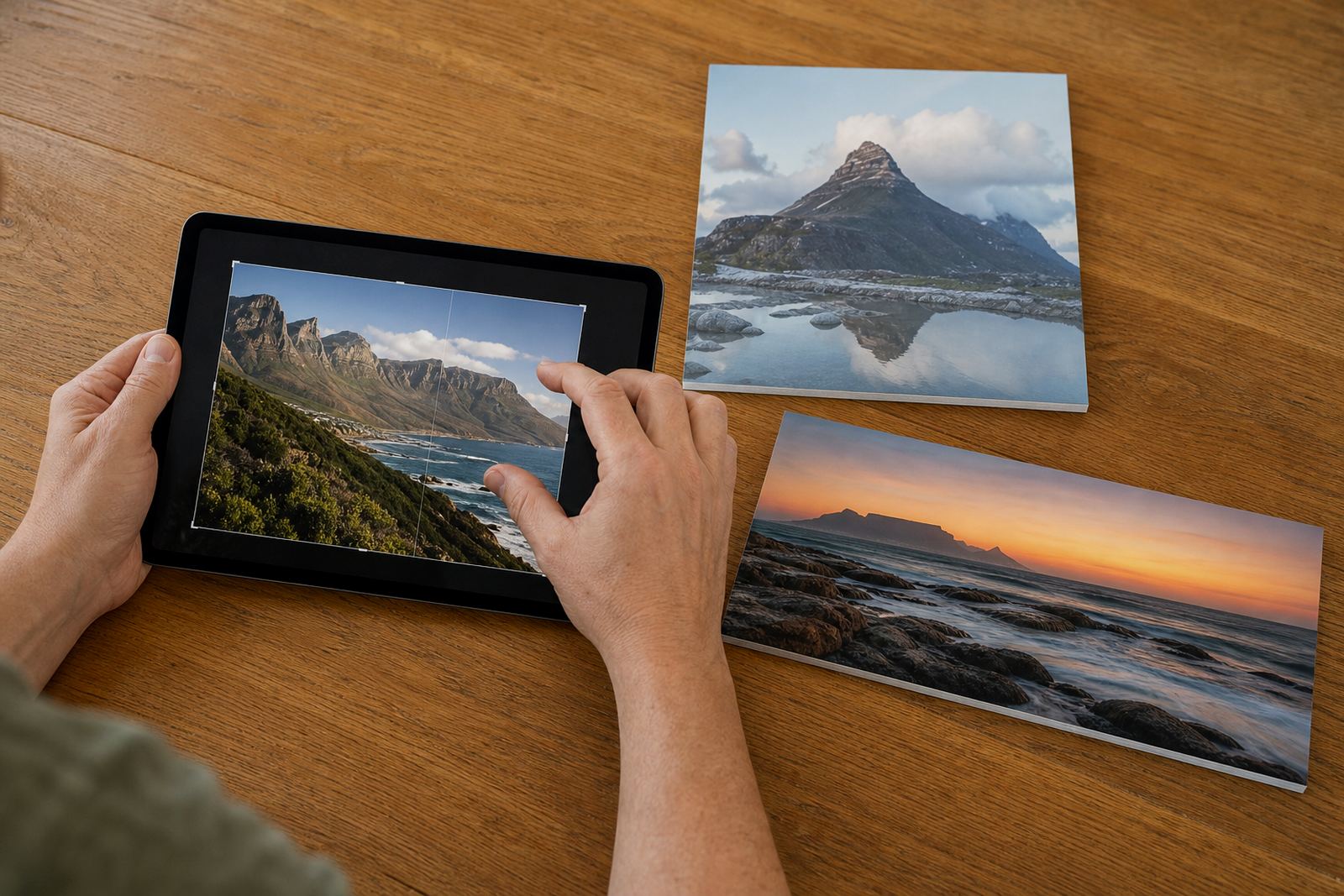
Cropping With Purpose

Cropping With Purpose

Cropping can improve wall impact when matched to panel shape and room layout.

Planning Panoramas

Planning Panoramas

Panoramic images need careful composition and enough width to carry visual detail.

Square Print Composition

Square Print Composition

Square formats favour centred subjects, symmetry and series-based display layouts.

Colour Space Basics

Colour Space Basics

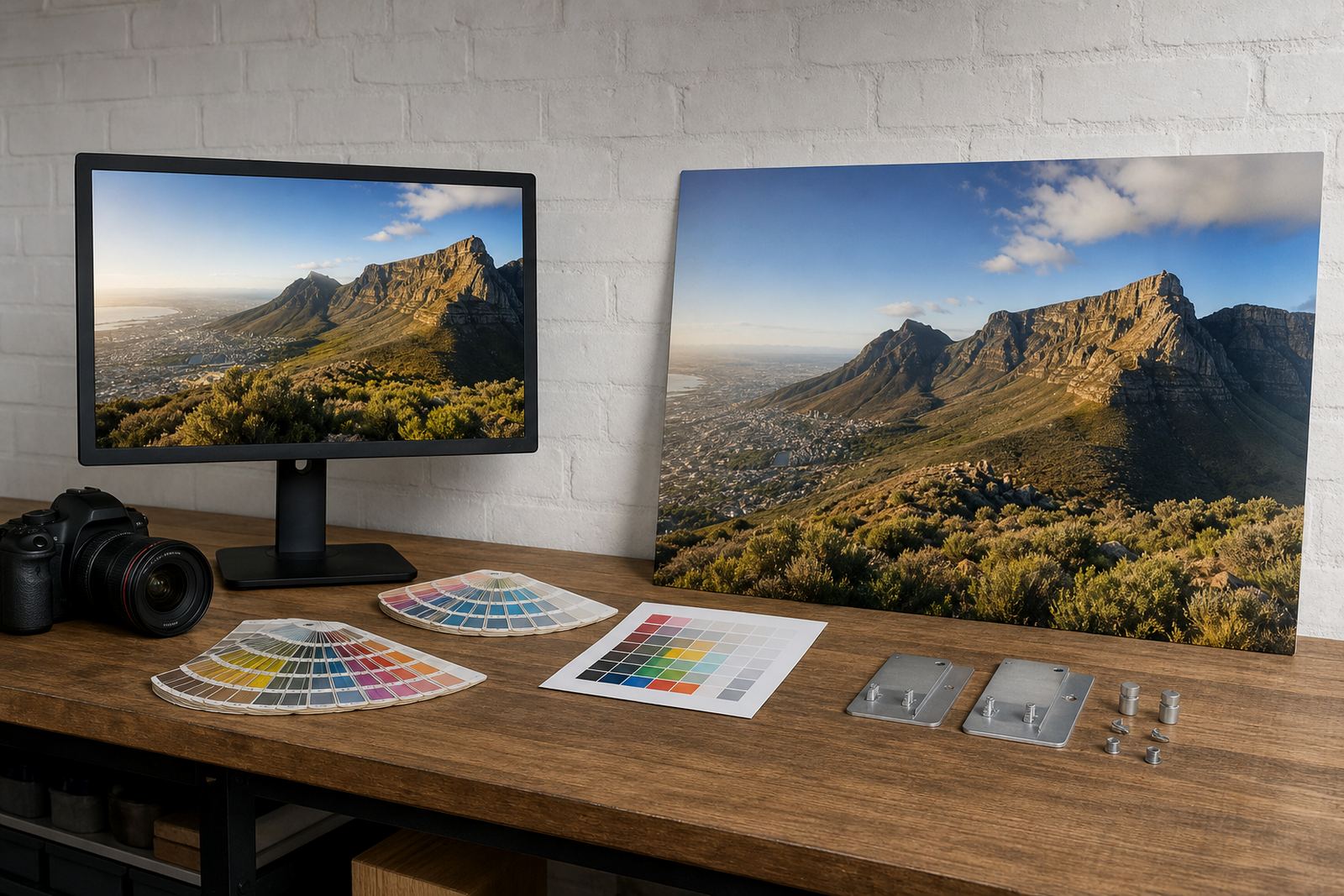
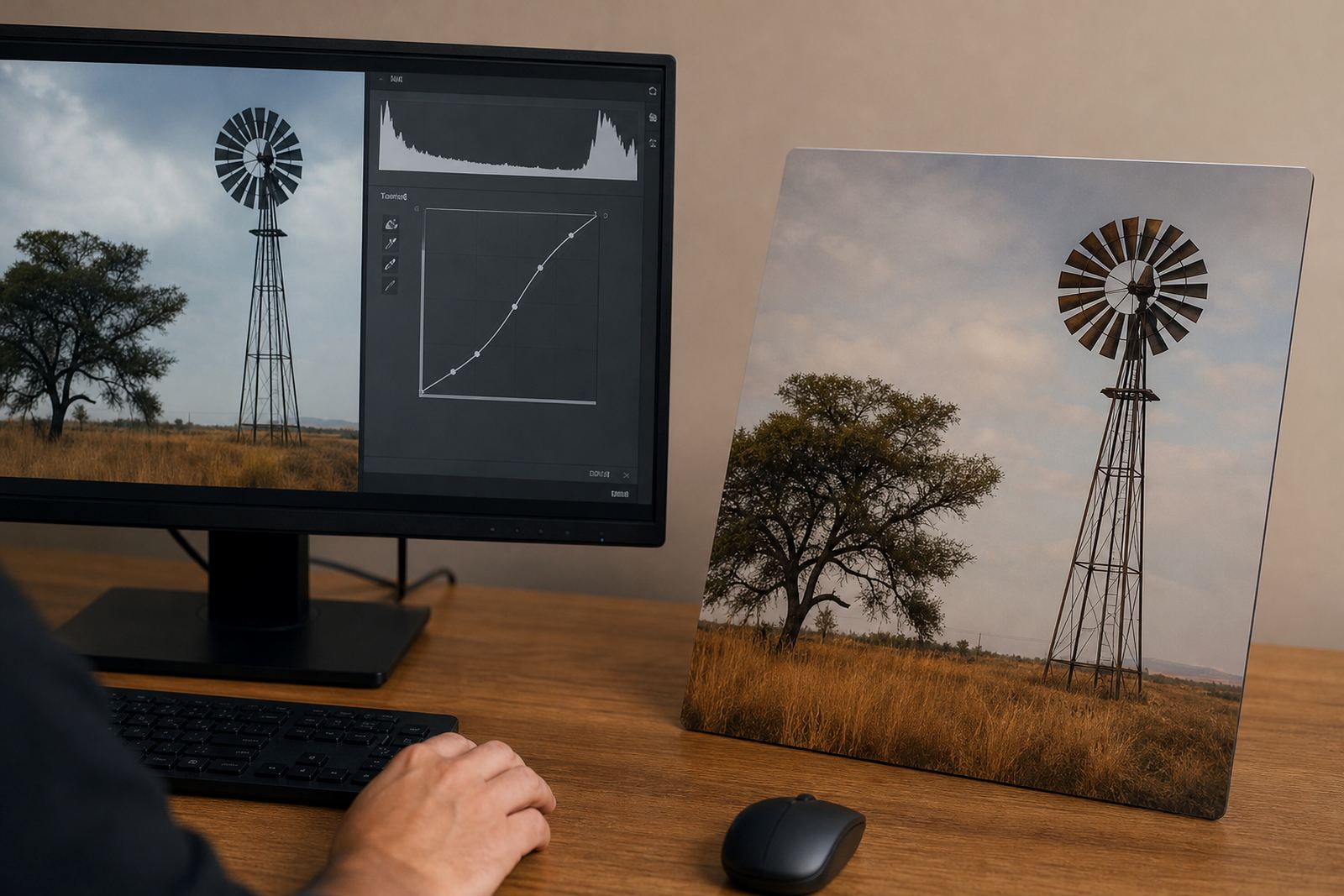
A simple overview of why consistent colour settings help predictable print output.

Screen Brightness Trap

Screen Brightness Trap

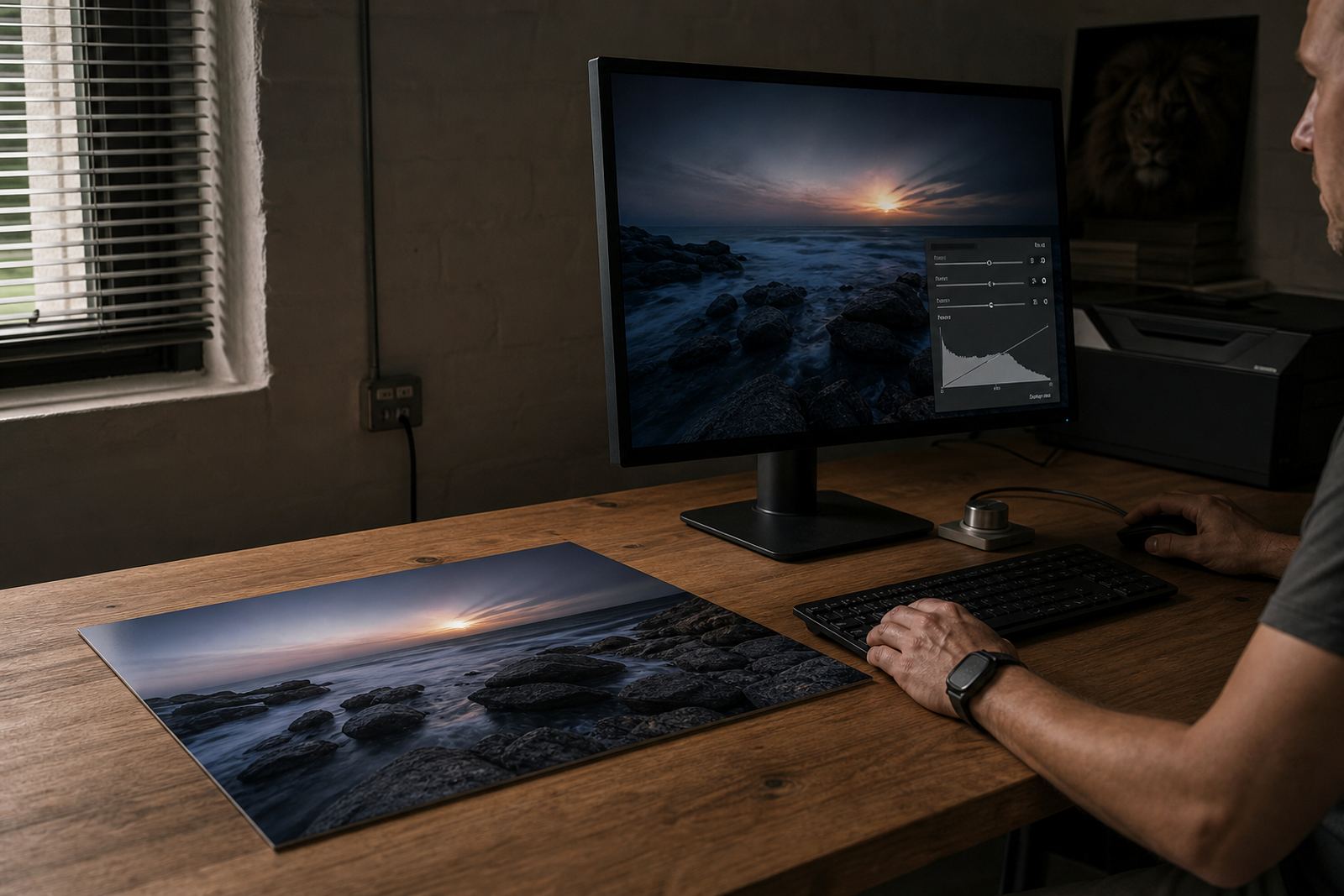
Over-bright screens can mislead expectations when preparing files for metal print production.

Shadow Highlight Balance

Shadow Highlight Balance

Keeping detail in dark and bright areas helps photographs translate well to aluminium.

Sharpening For Output

Sharpening For Output

Why output sharpening should suit final size rather than just screen appearance.

Matte Bright Rooms

Matte Bright Rooms

Matte finishes often suit interiors with stronger window light or direct reflections.

Gloss Colour Depth

Gloss Colour Depth

Gloss surfaces usually give extra pop to colour-rich photography and dramatic scenes.

Brushed Metal Effects

Brushed Metal Effects

Brushed bases can create a metallic effect in pale or unprinted image areas.

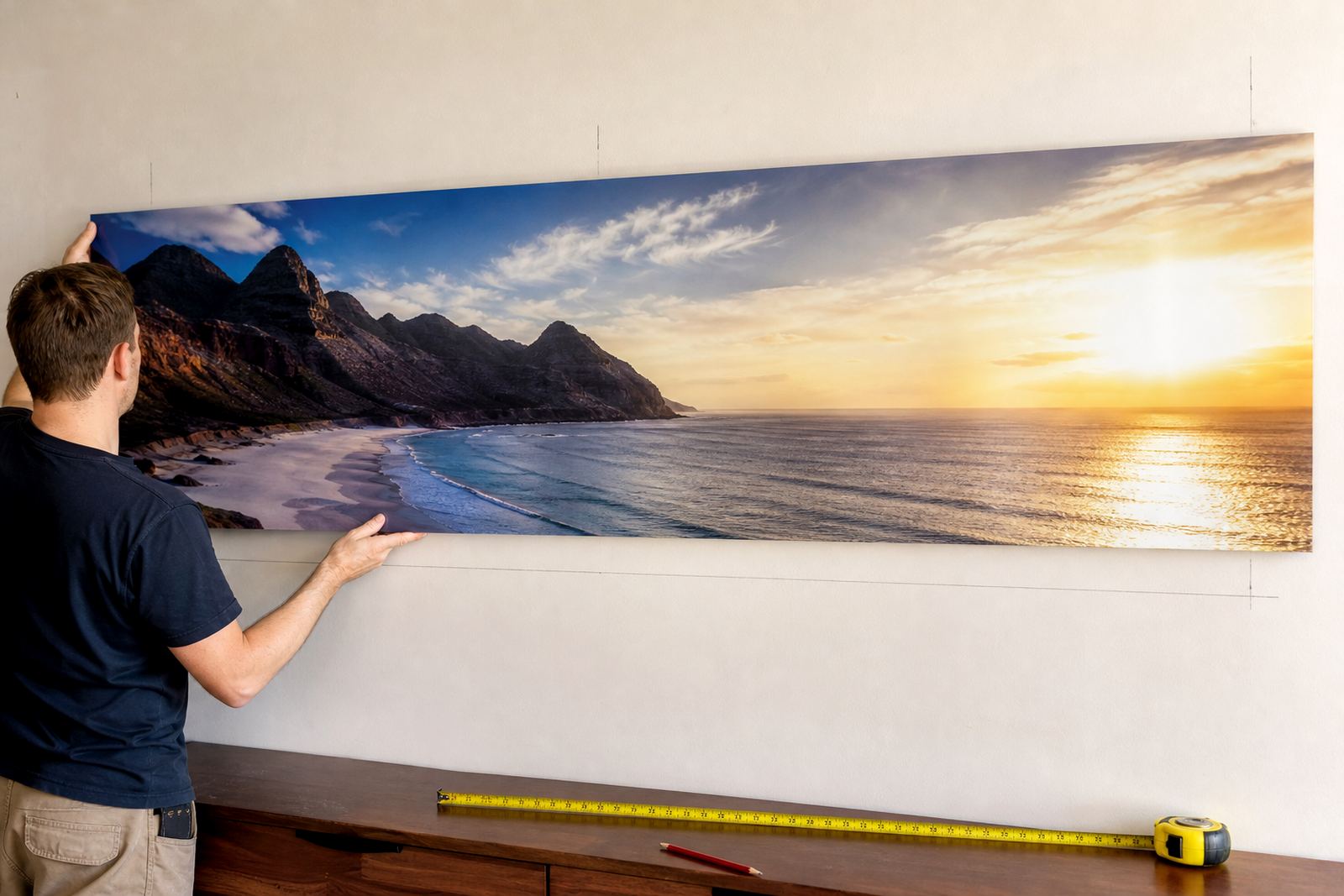
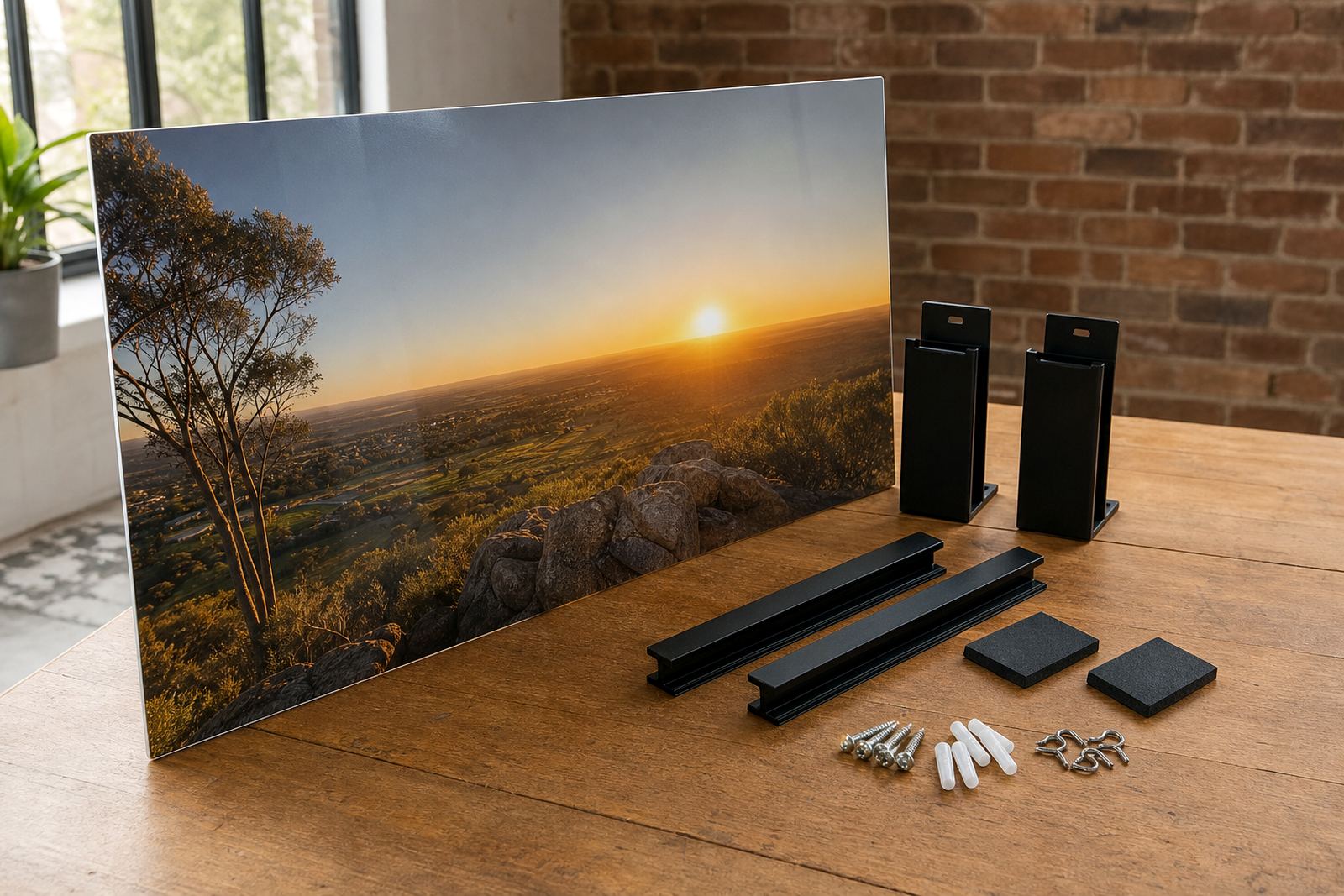
Hanging Hardware Basics

Hanging Hardware Basics

Common hardware options for aluminium prints and when each approach makes sense.

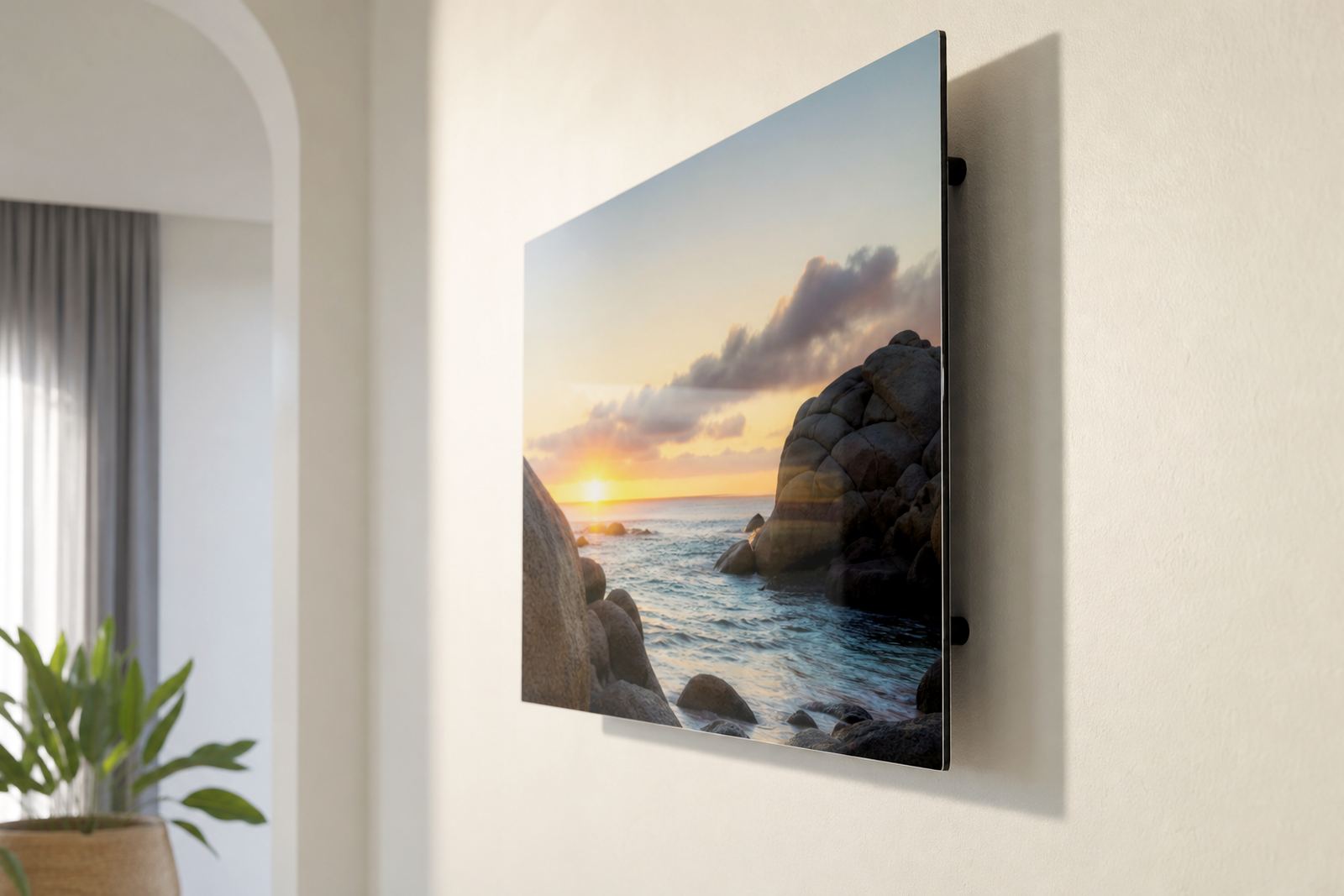
Float Mount Benefits

Float Mount Benefits

Hidden rear mounts create a clean floating look and simplify everyday wall display.

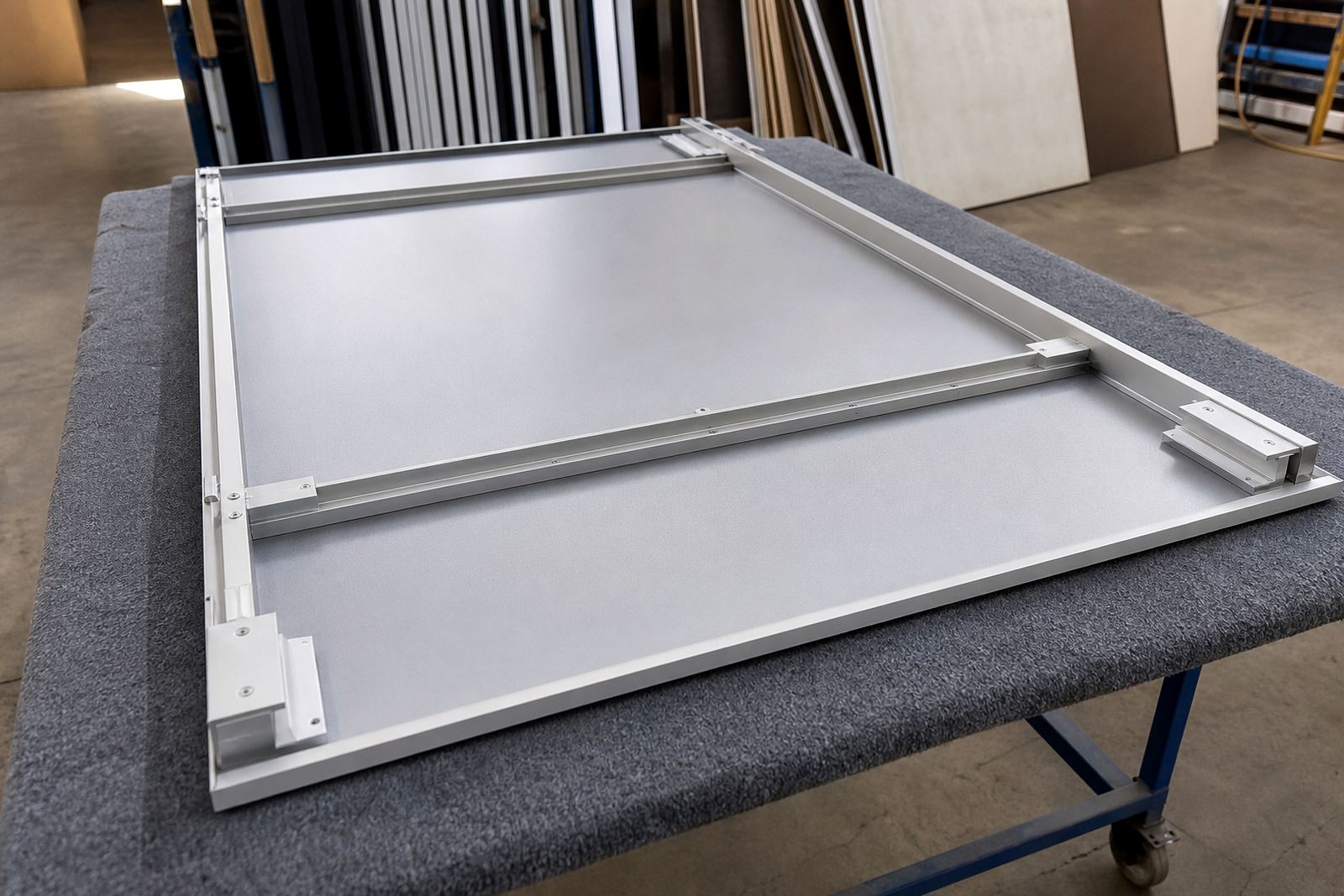
Rail Mount Benefits

Rail Mount Benefits

Rear rails add rigidity and support on larger panels or long-format pieces.

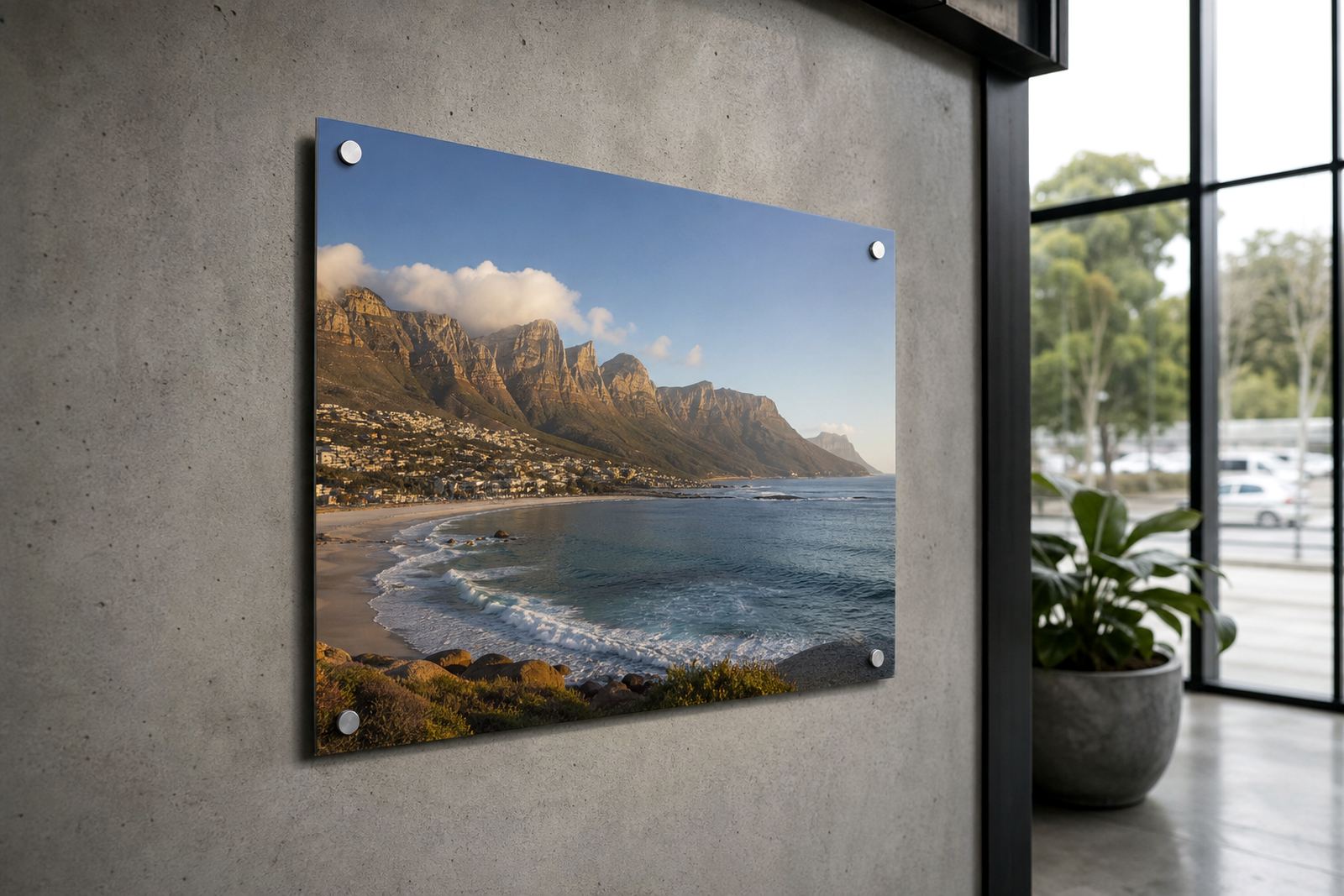
Visible Fixings Use

Visible Fixings Use

Visible corner fixings can suit public interiors and practical commercial installations.

Multi Panel Spacing

Multi Panel Spacing

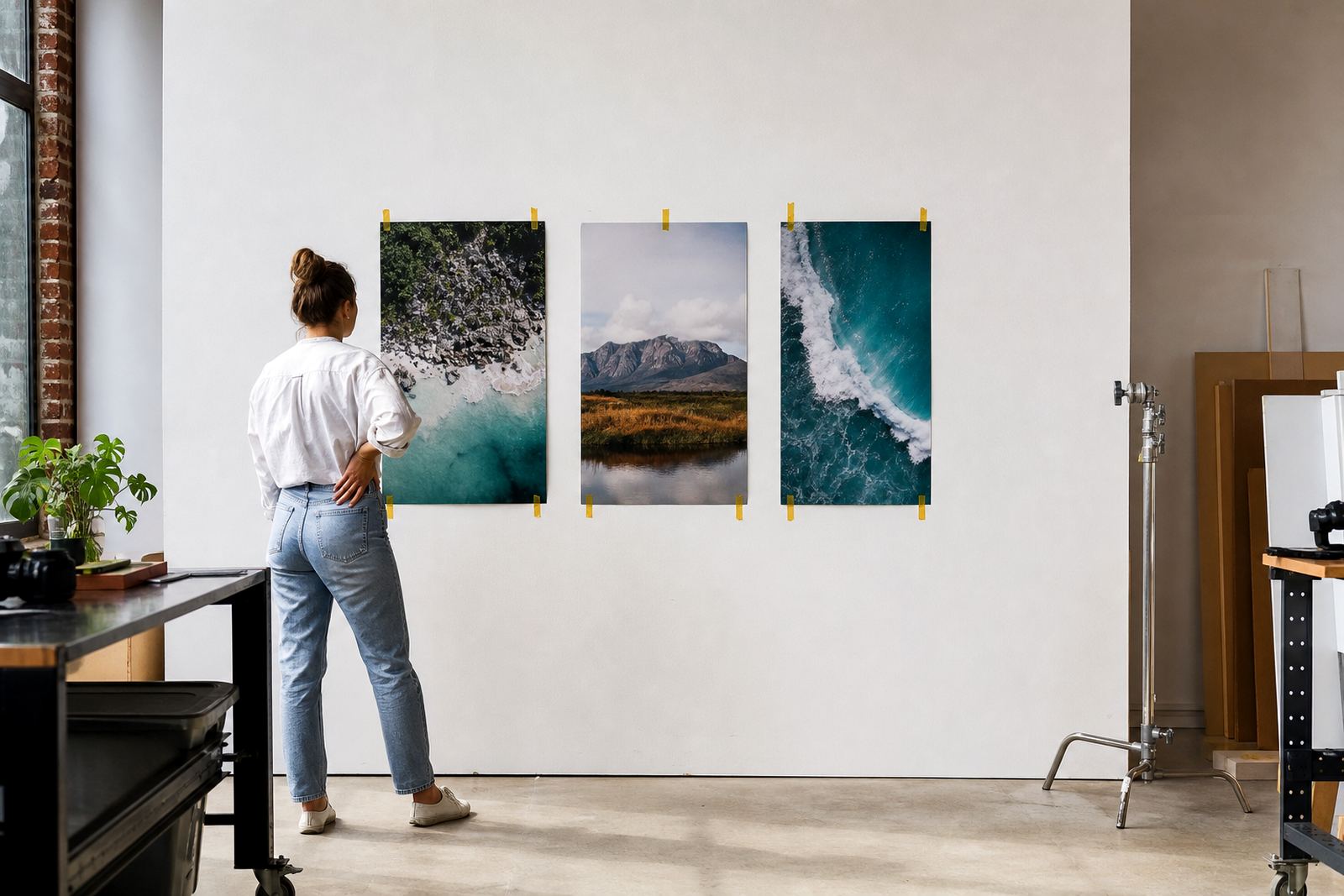
Good spacing keeps diptych and triptych sets balanced across the wall area.

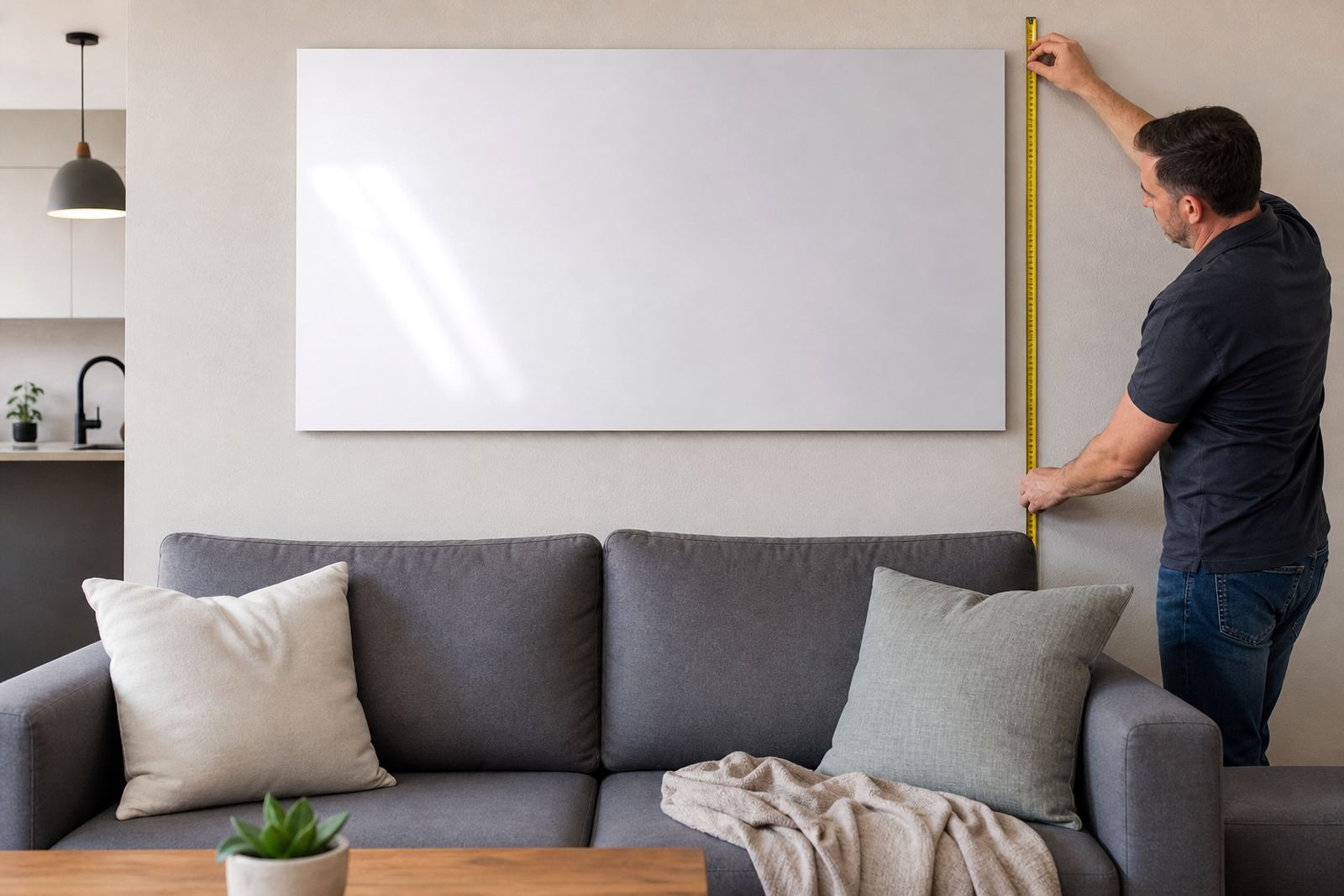
Choosing Wall Size

Choosing Wall Size

How to estimate a sensible panel size from available wall width and furniture below.

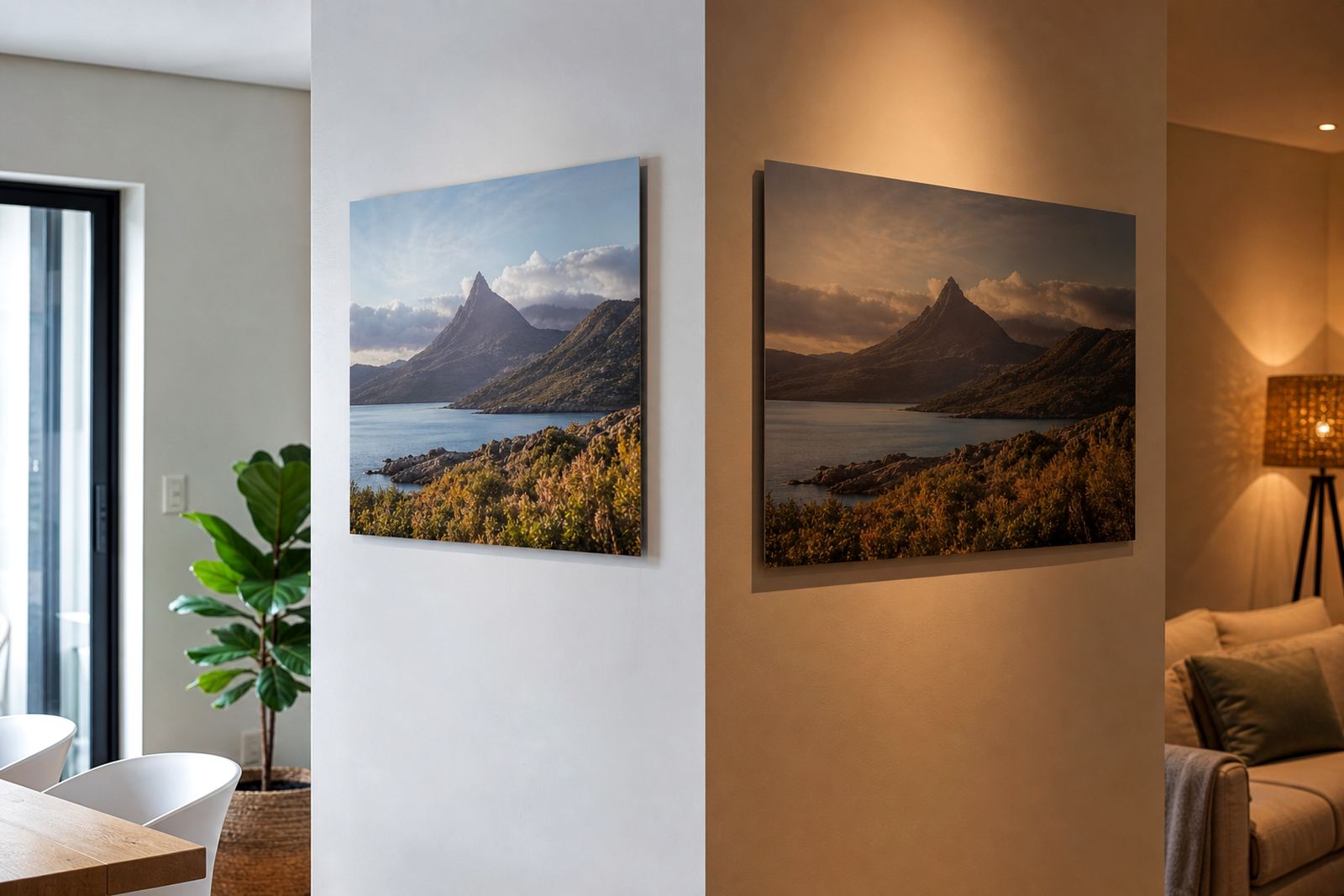
Room Lighting Effects

Room Lighting Effects

Natural and artificial light can change how a finish appears during the day.

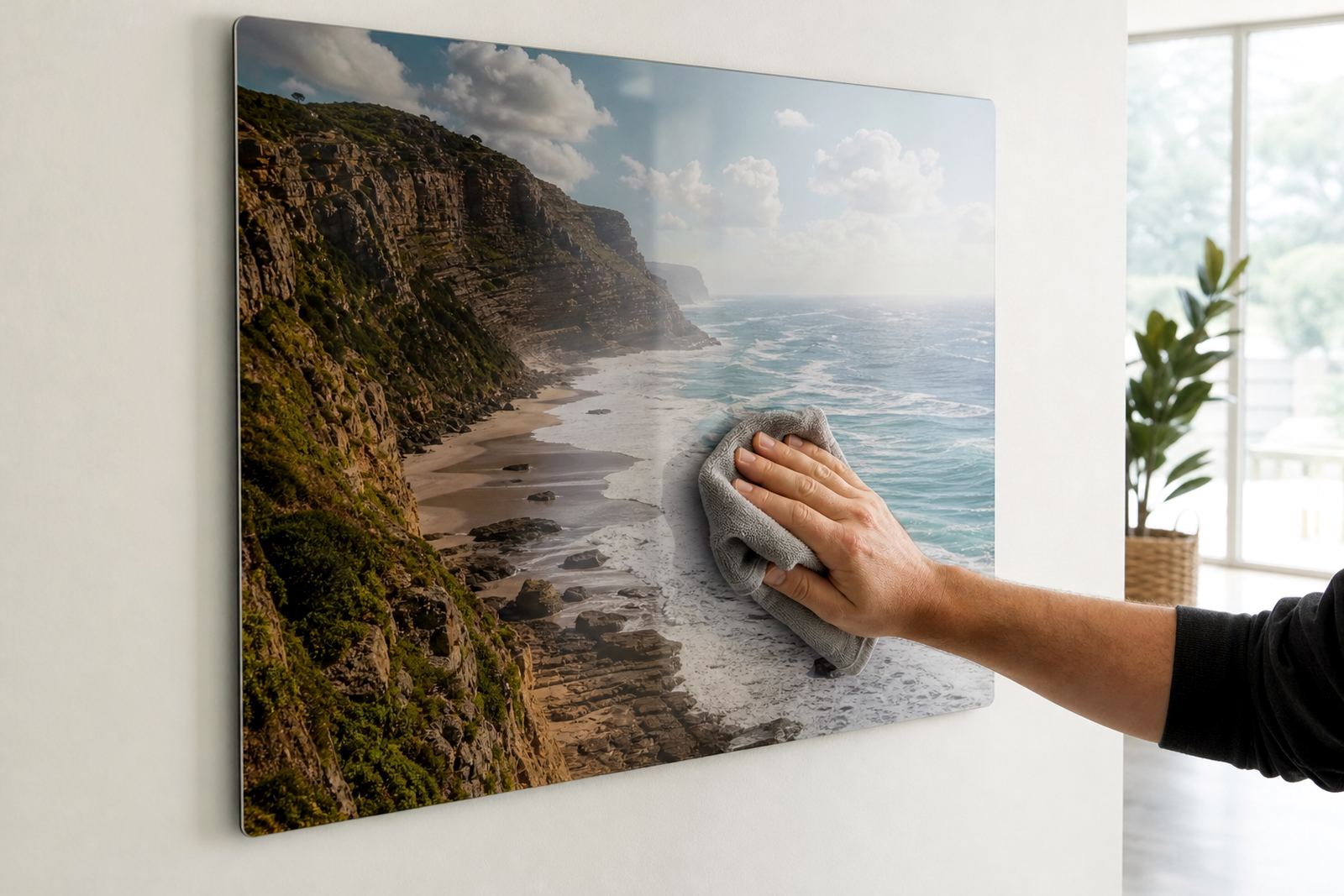
Cleaning Metal Prints

Cleaning Metal Prints

A straightforward guide to keeping aluminium photo panels clean without damaging the surface.

Handling Before Hanging

Handling Before Hanging

Simple handling steps help avoid scratches, fingerprints and accidental edge damage.

Packing For Couriers

Packing For Couriers

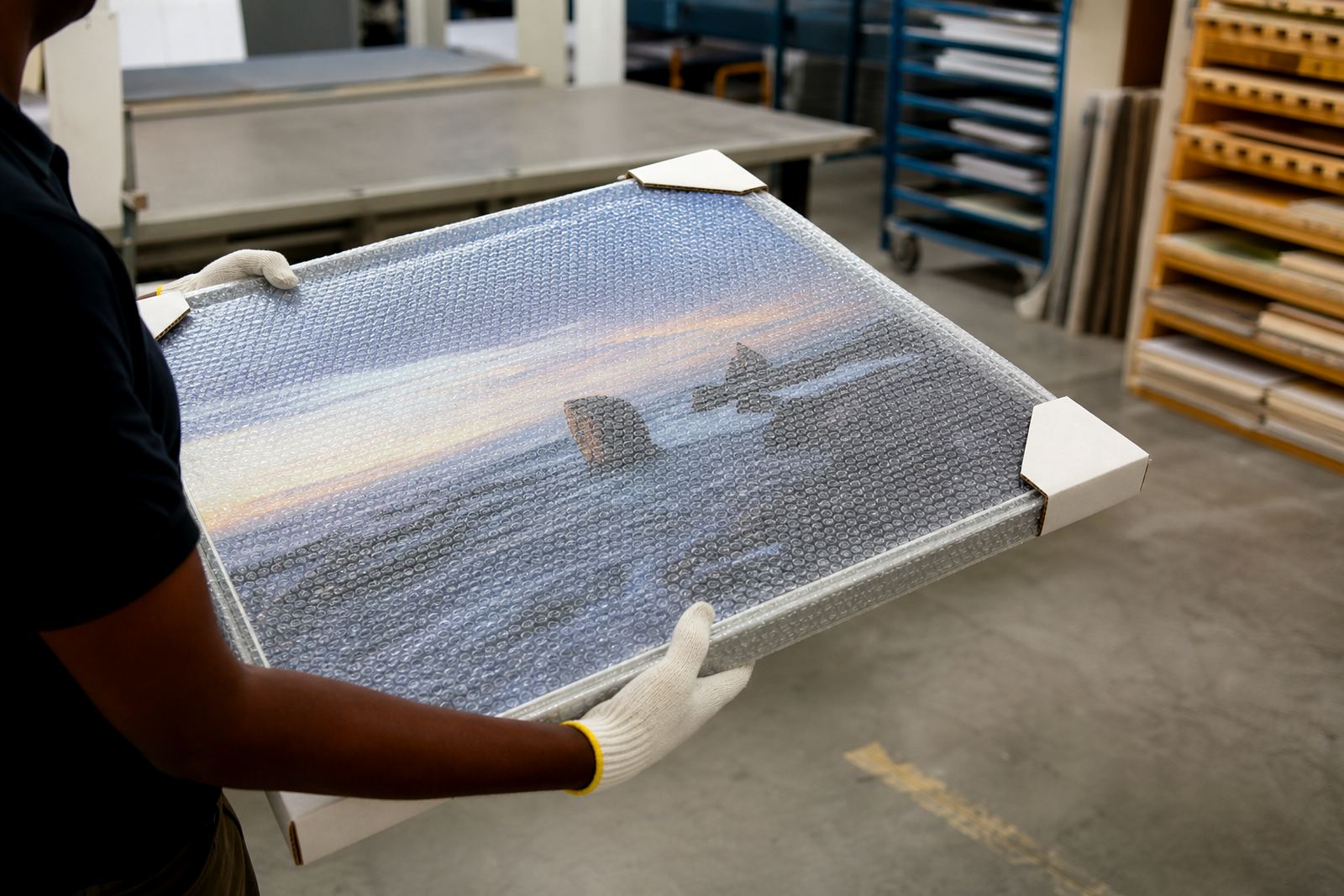
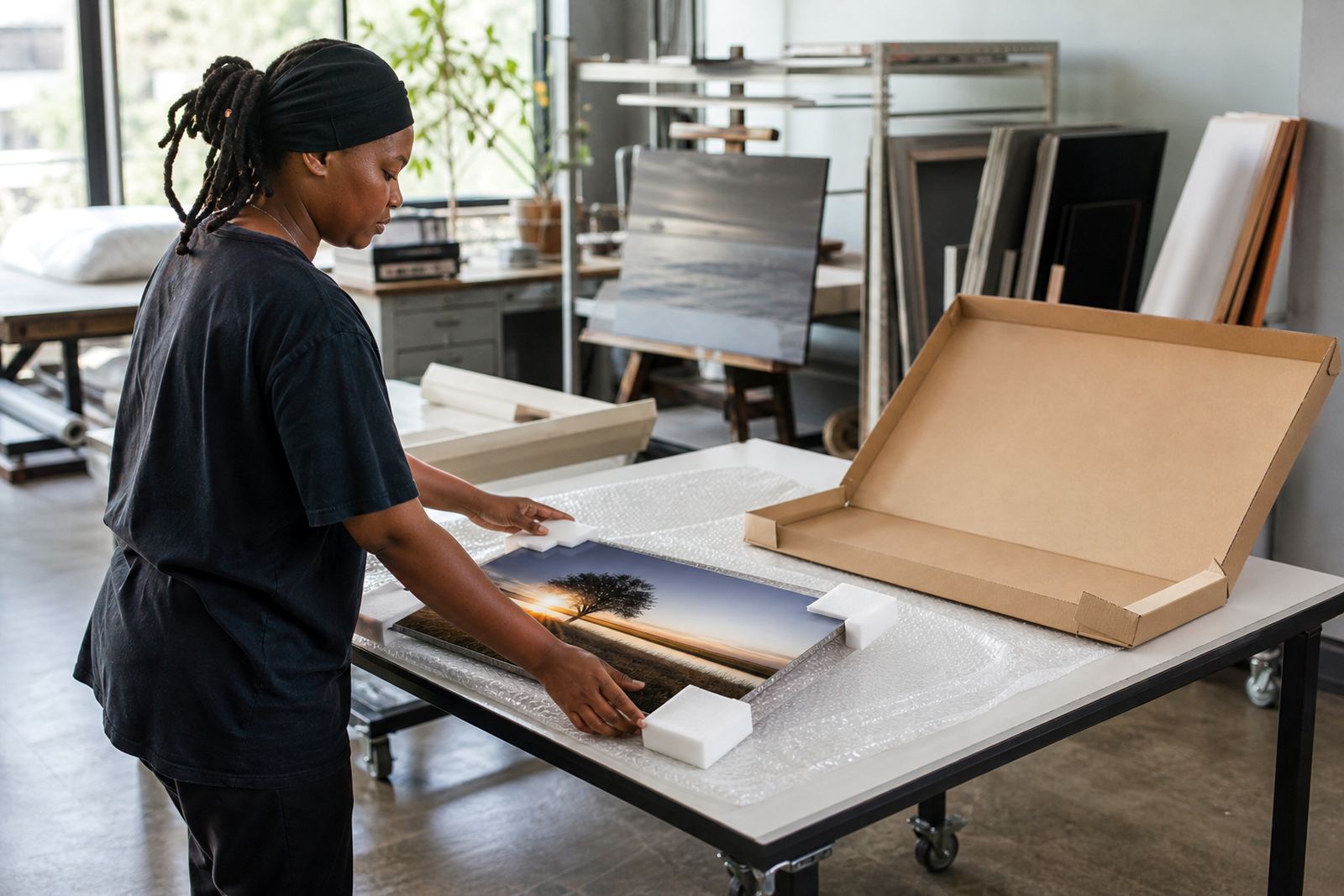
Why corner protection, rigid packing and moisture-aware wrapping matter for shipped panels.

Image Rights Matter

Image Rights Matter

Customers should only submit images they own or have permission to reproduce.

Art Reproduction Notes

Art Reproduction Notes

Artwork files need careful capture and permission before aluminium reproduction is considered.

Business Image Use

Business Image Use

Business interiors benefit from consistent image rights, brand tone and finish selection.

Series Or Single

Series Or Single

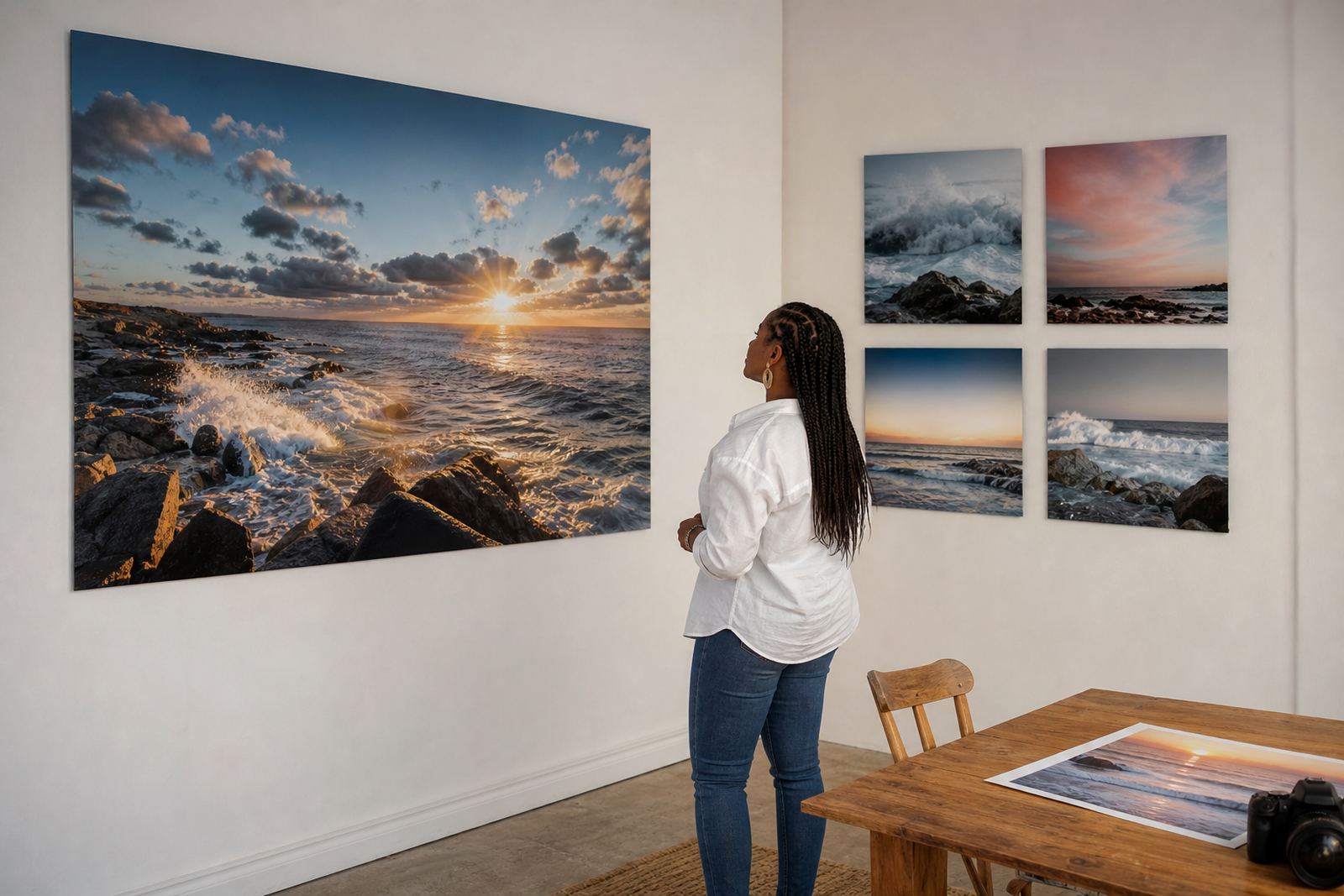
Choosing between one statement panel and a grouped series depends on the space.

Why the image behaves differently on aluminium

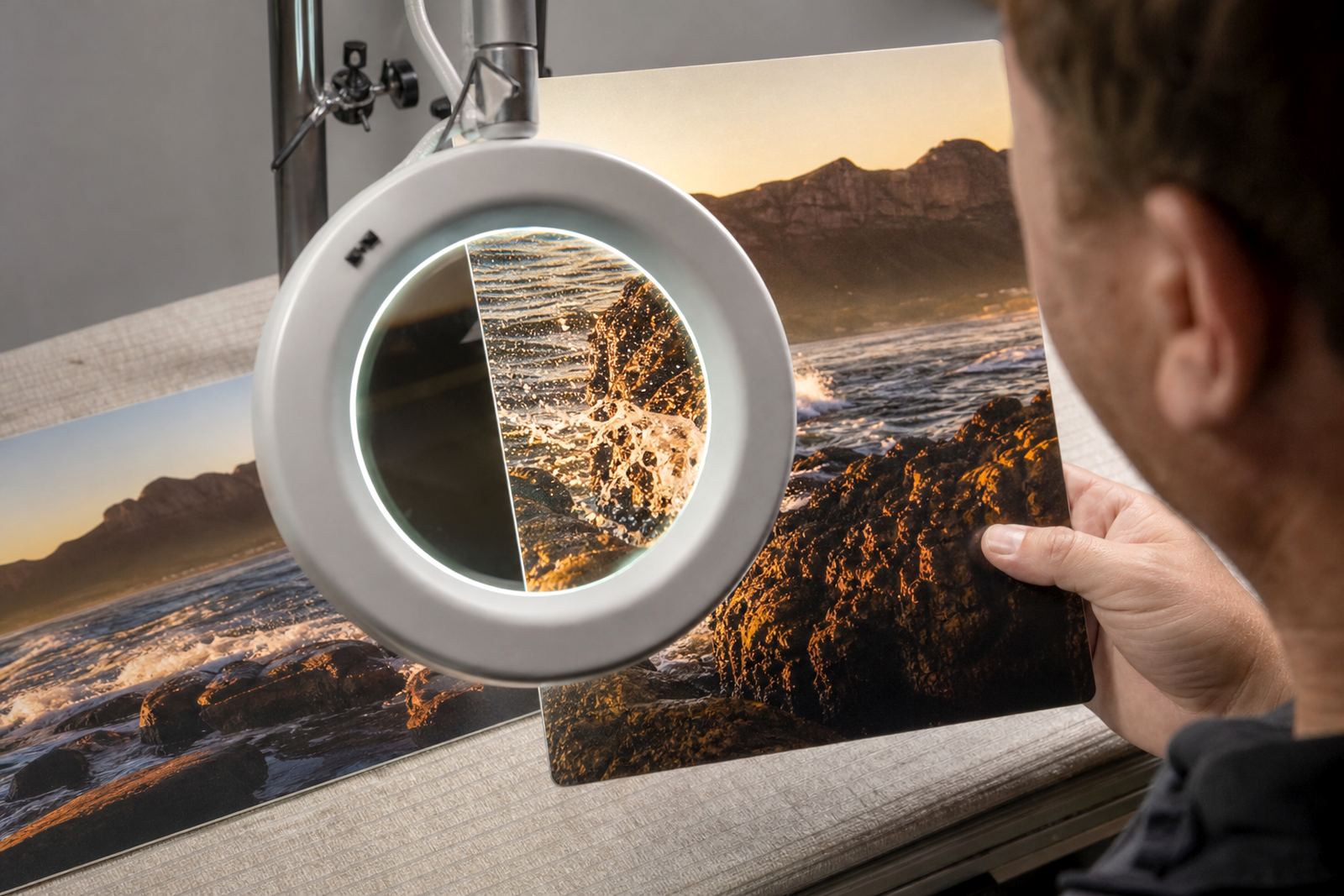
Dye sublimation on coated aluminium works best when the image is prepared for strong contrast, clean detail and controlled colour. The coating takes the ink into the surface, so sharp files usually print better than soft, underworked images, and small defects can show more than they would on paper.

For Randburg, Johannesburg and the rest of South Africa, this matters when prints are viewed in bright offices, coastal light in Durban, or gallery spaces with spot lighting. If the file is too small, the panel may still print, but fine detail can break up and faces or text can lose crispness.

  • Send the highest quality file available, preferably the original export.
  • Keep logos, borders and text inside safe margins.
  • Check whether the image is meant for close viewing or for a larger wall display.

The finish changes the whole read of the piece

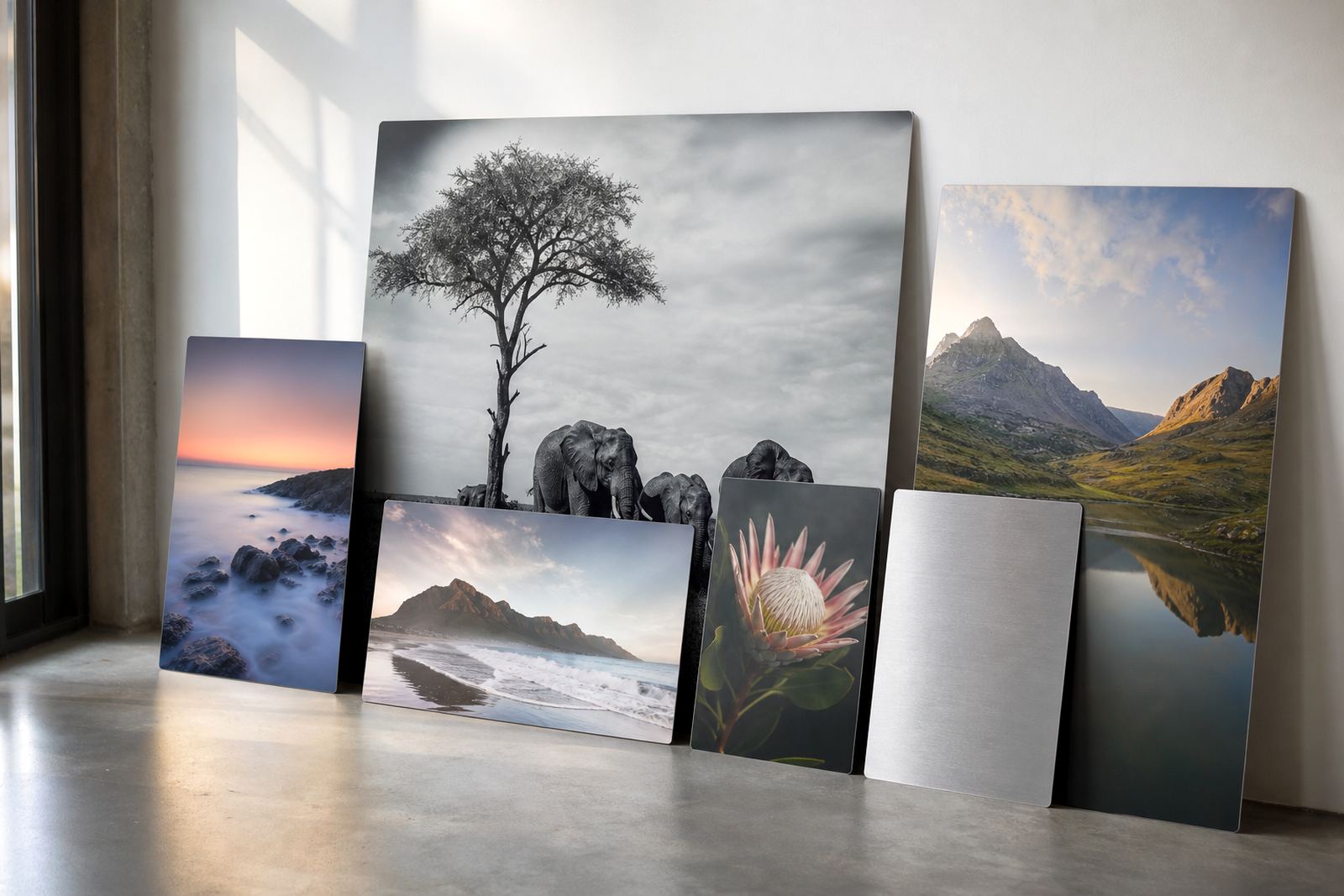
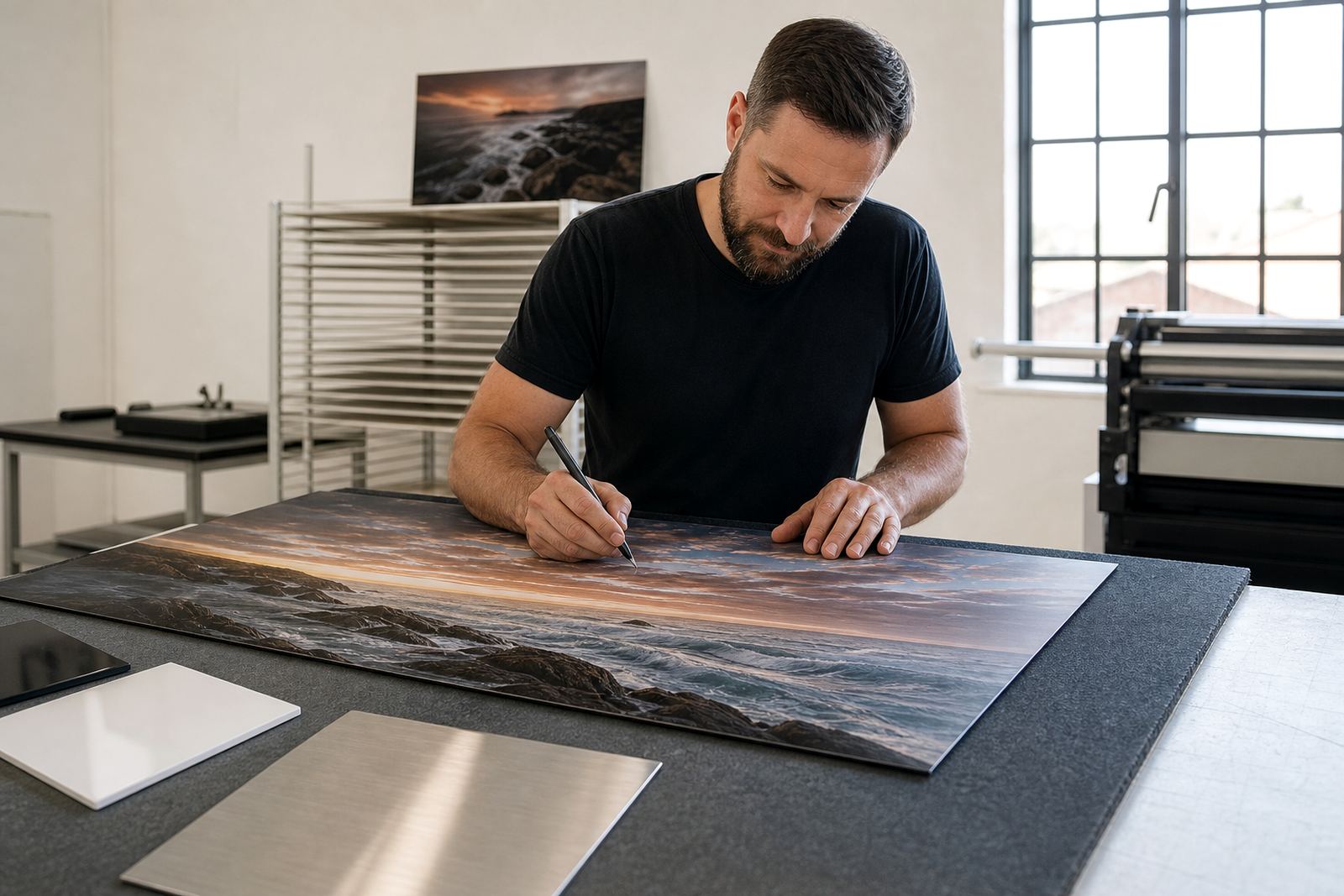
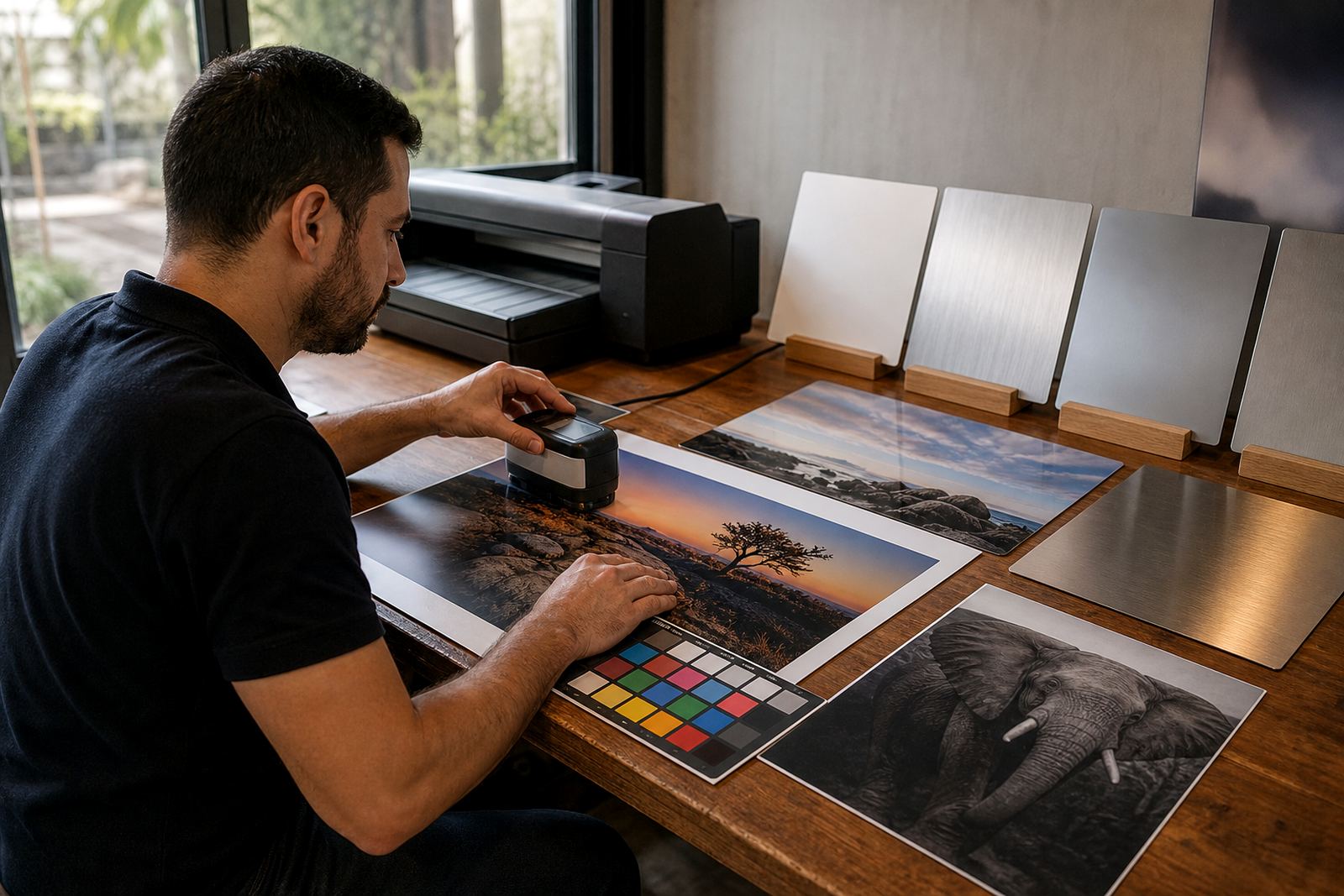
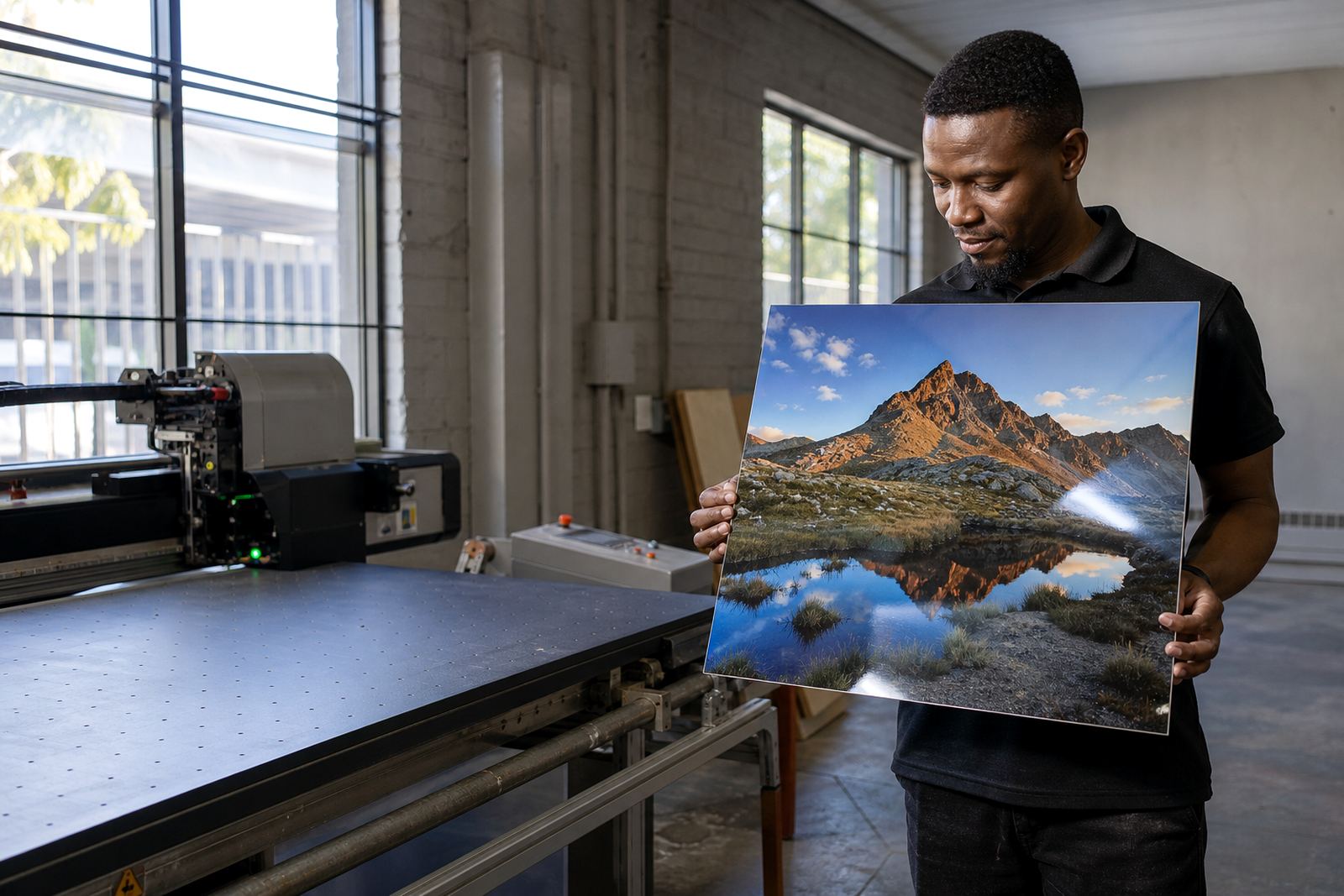
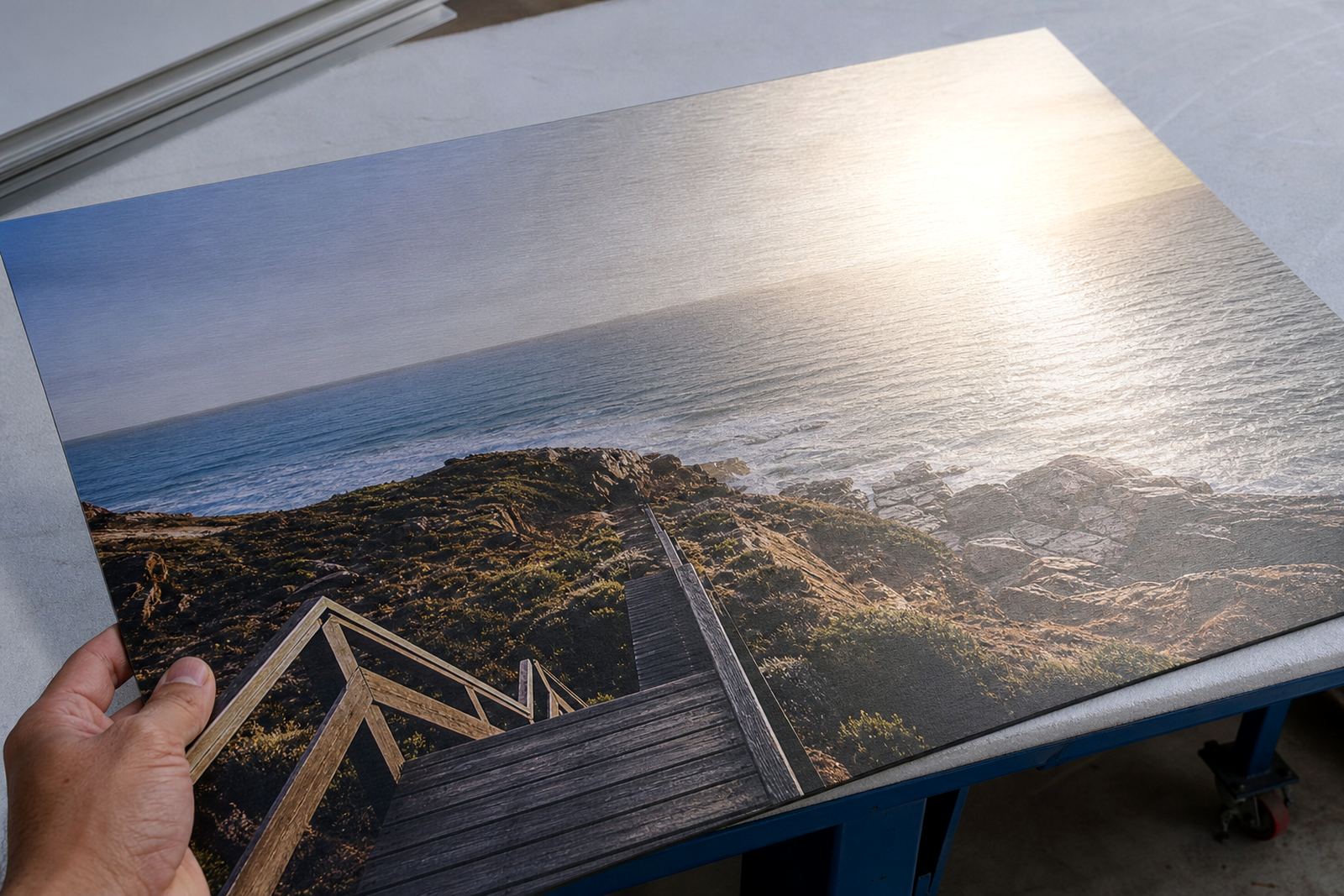
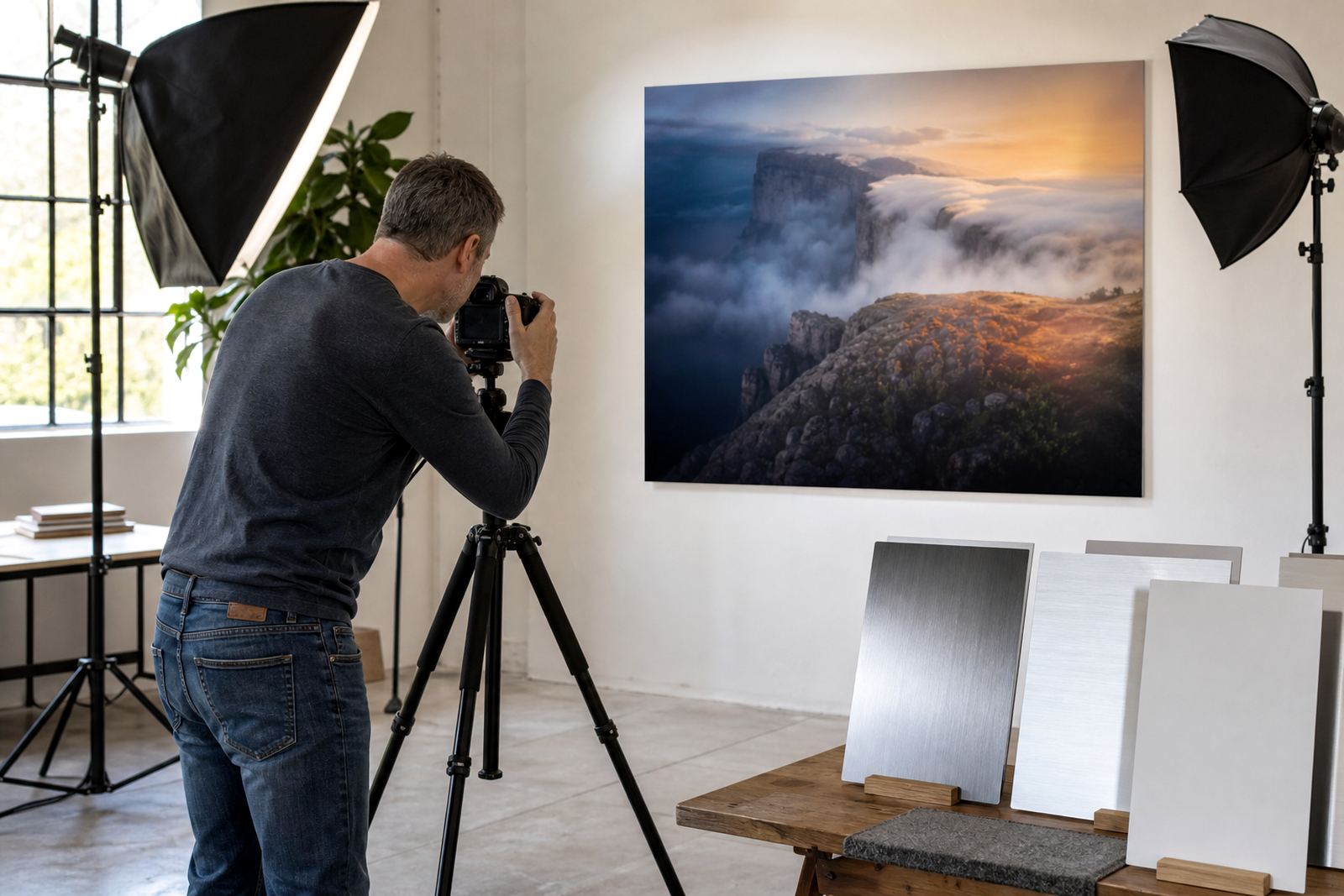
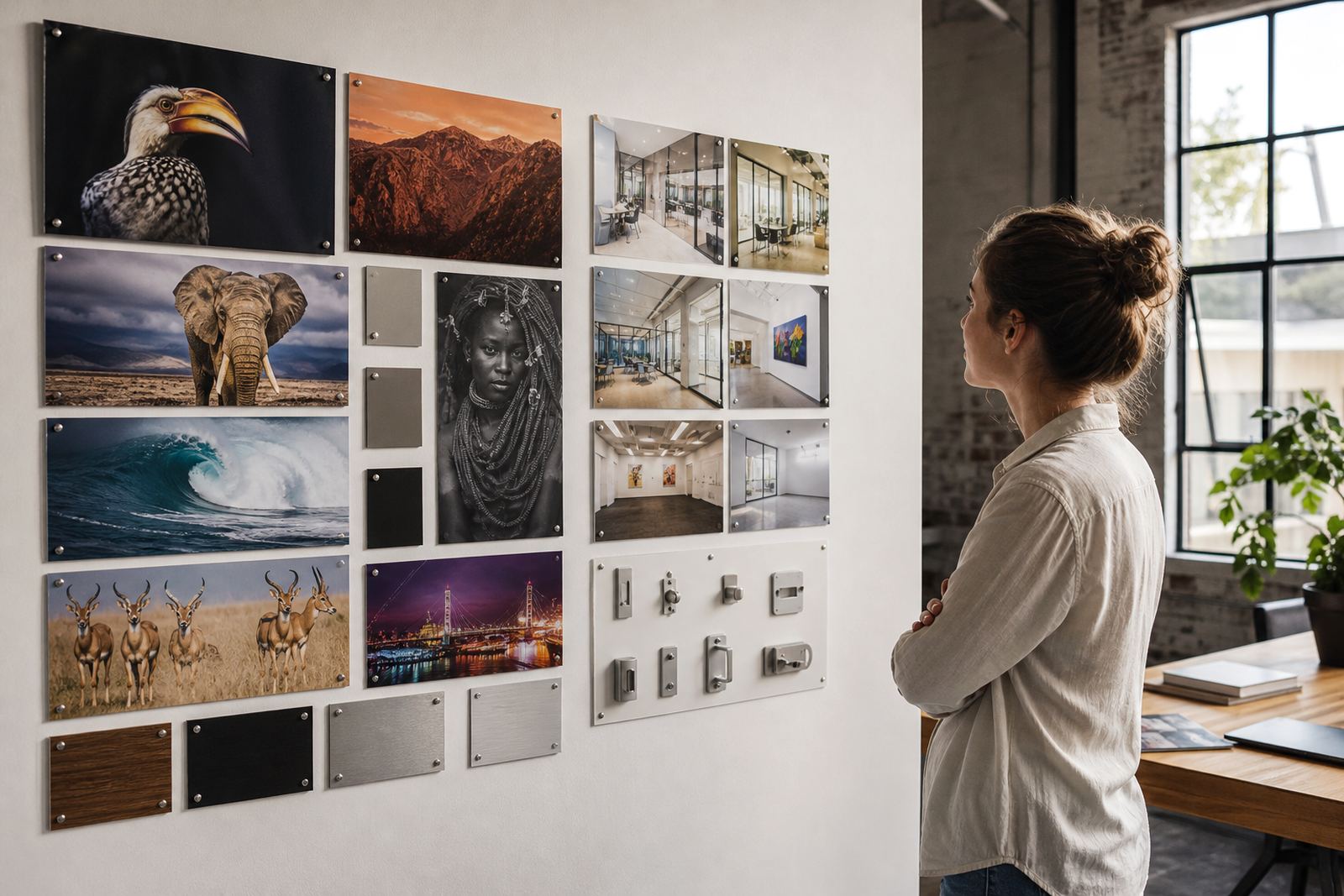
Finish choice affects glare, colour depth and where the panel works best. Gloss gives stronger punch and higher reflection. Matte softens the surface for rooms with direct light. White aluminium suits full-colour photographs and clean graphics. Brushed aluminium leaves a visible metallic grain that can work well for monochrome, industrial subjects or selective colour treatments.

In offices with overhead lighting, matte often reads more comfortably. In a home lounge or reception area, gloss can add richness if the wall does not catch too much glare. Brushed panels need careful image choice because pale areas may take on the metal texture, which is part of the look.

  • Gloss for vivid colour and strong impact.
  • Matte for less reflection and easier viewing.
  • White for the broadest colour range.
  • Brushed for a visible metal character.

How to judge whether your file is print-ready

Resolution review is not only about pixel count. It is also about crop shape, source quality and how much the image will be enlarged. A file that looks fine on a phone may be too small for a 900 mm panel, especially if the image has already been compressed or cropped several times.

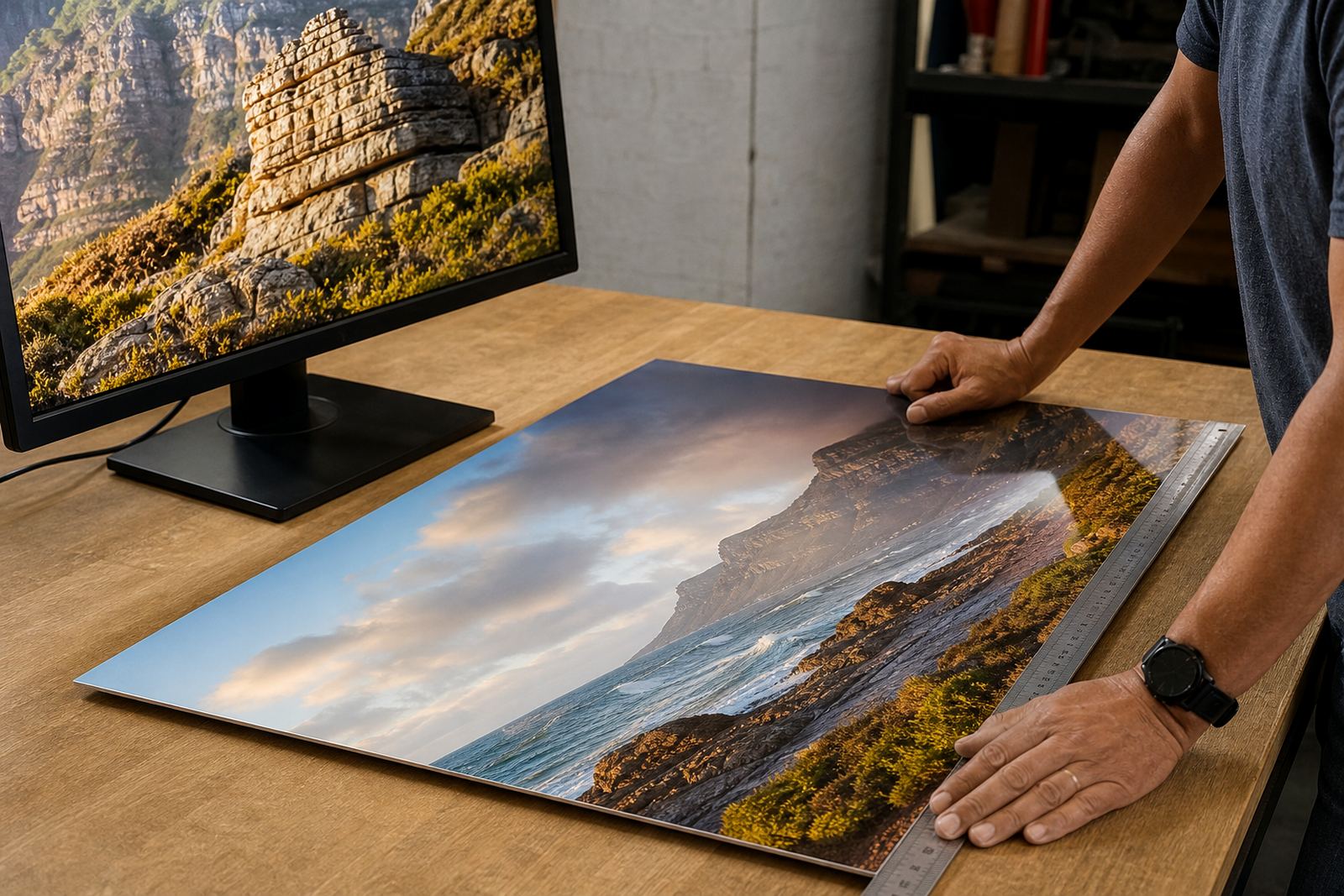
Before a panel goes into production, check the image at final size. Watch for soft edges, heavy noise in dark areas and low-quality screenshots. If a file needs rescue work, colour preparation and crop planning can often improve the result, but there is a point where a new source file is the better call.

  • Do not enlarge small images without checking the real print size first.
  • Make sure any text is large enough to stay legible at viewing distance.
  • Leave room for crop adjustments around the edges.

Mounting that suits the wall, not just the print

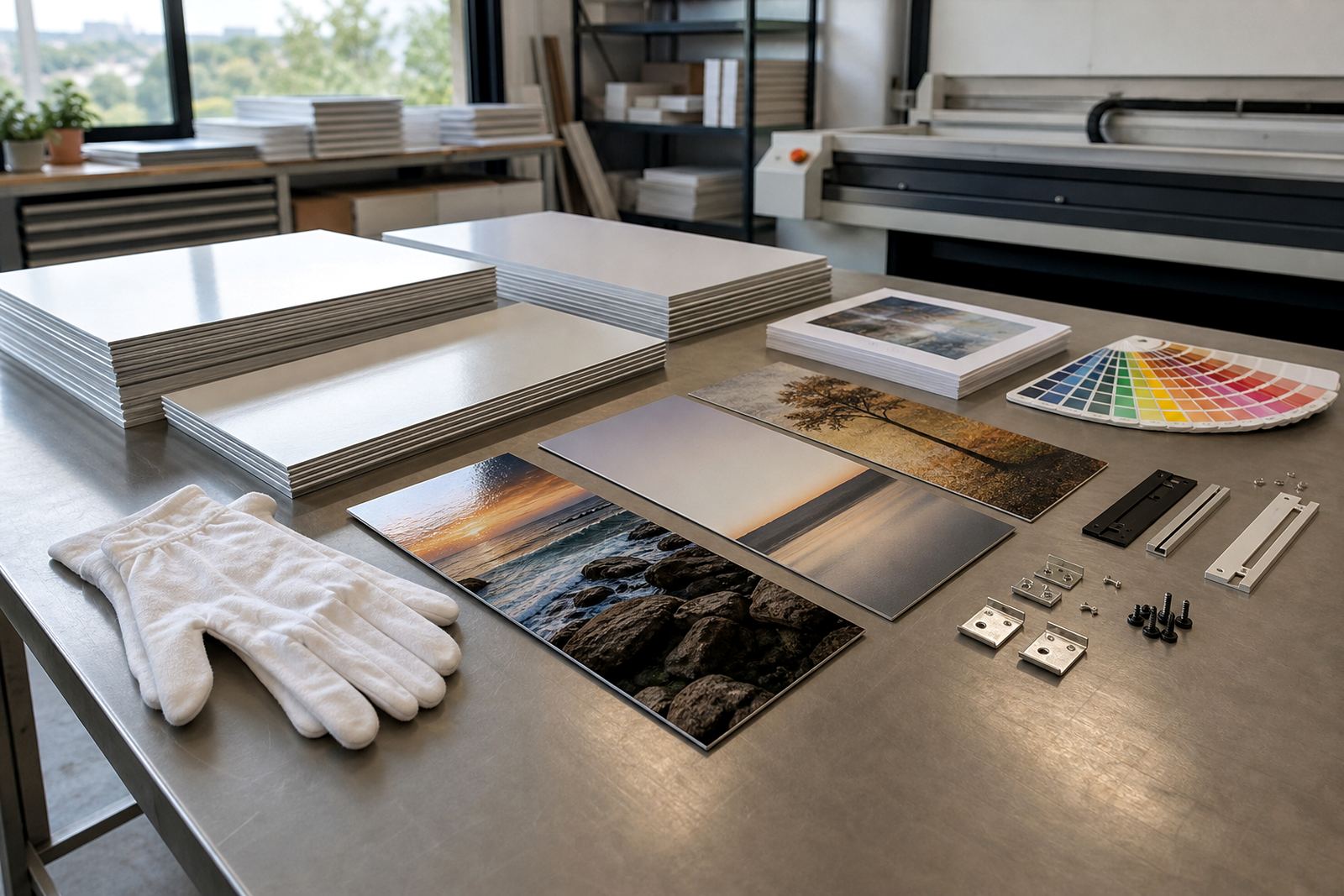
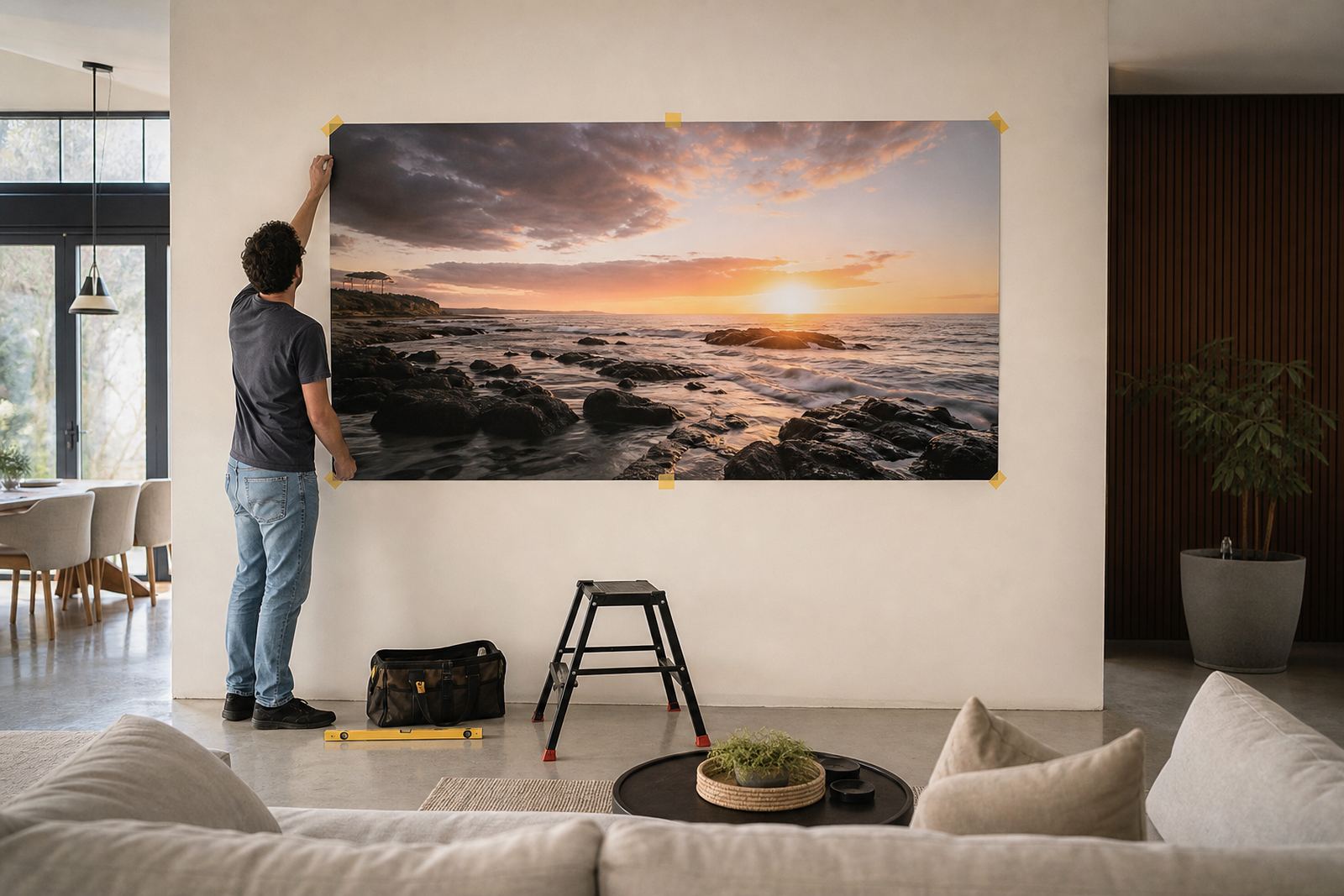
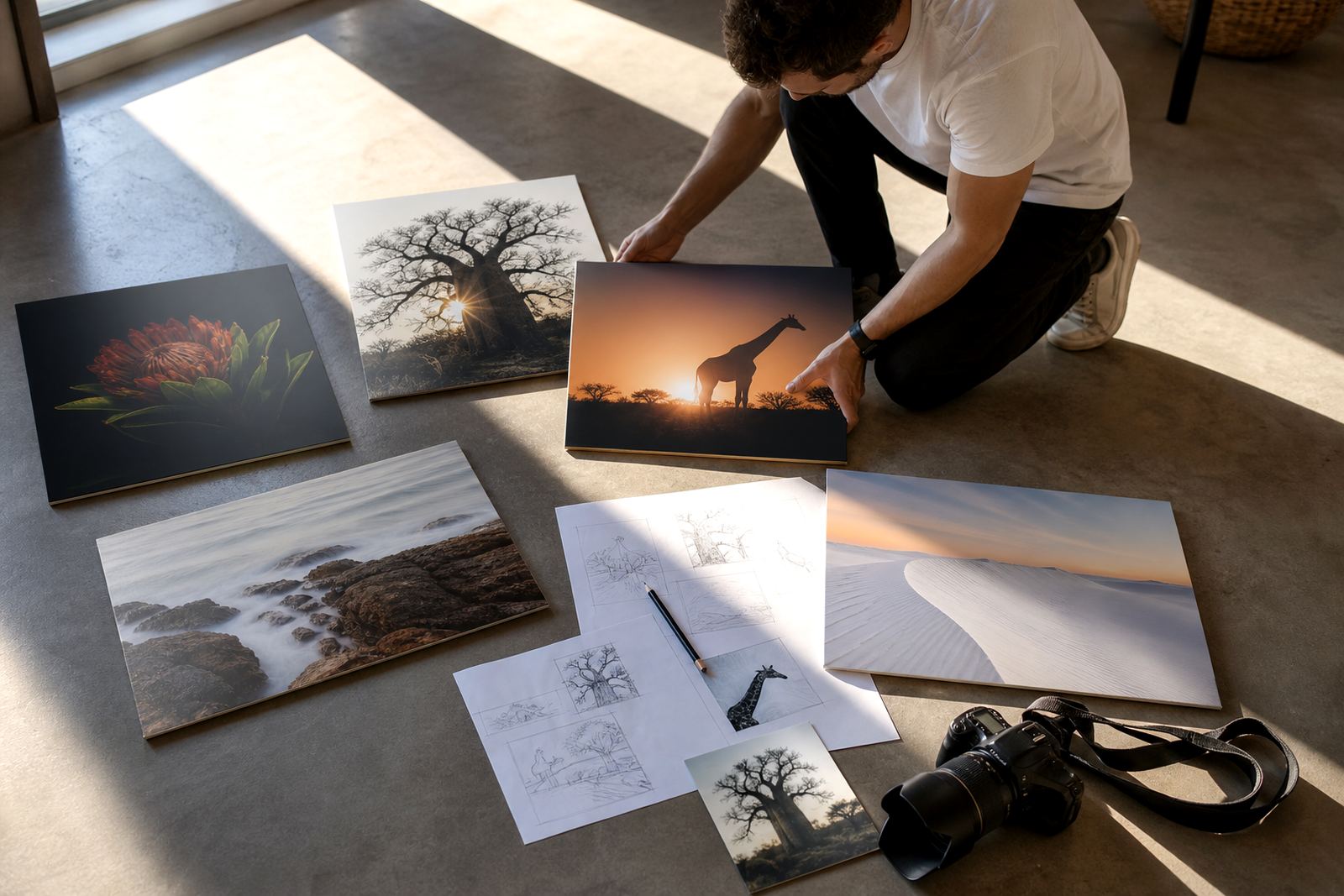
Hanging hardware should match the panel size, weight and the wall surface it will land on. Smaller pieces may use concealed mounts or a light hanging method, while larger panels often need a more secure system. For tiled walls, plasterboard or masonry, the fixing choice changes and so does the placement plan.

In Johannesburg offices and Pretoria reception areas, panels are often placed where people walk past them daily, so alignment matters. In humid coastal towns like Gqeberha and Durban, the mounting approach should also support long-term stability and clean wall contact. It is worth deciding early whether the work will hang singly or as a set.

  • Confirm the wall type before choosing fixings.
  • Match the hardware to the panel size and weight.
  • Decide on single panels or multi panel layouts before production starts.

What to plan before a batch order

Businesses ordering several panels often need consistency across colour, size and finish. That is where test panels, reprint matching and finish selection help prevent surprises. If the project includes a lobby, meeting room and corridor, each space may call for a different surface even when the artwork stays the same.

Pack and delivery also need planning, especially for regional orders to Cape Town, Durban, Pretoria or Gqeberha. Panels should be packed to reduce surface scuffing and edge damage, and the delivery address must be ready for receiving. If a set will be installed in stages, label each panel clearly so the sequence stays intact.

  • Decide whether all panels must match exactly or vary by room.
  • Plan delivery dates around the installation schedule.
  • Keep the file names and sizes organised for each artwork.

Rights, reprints and care after install

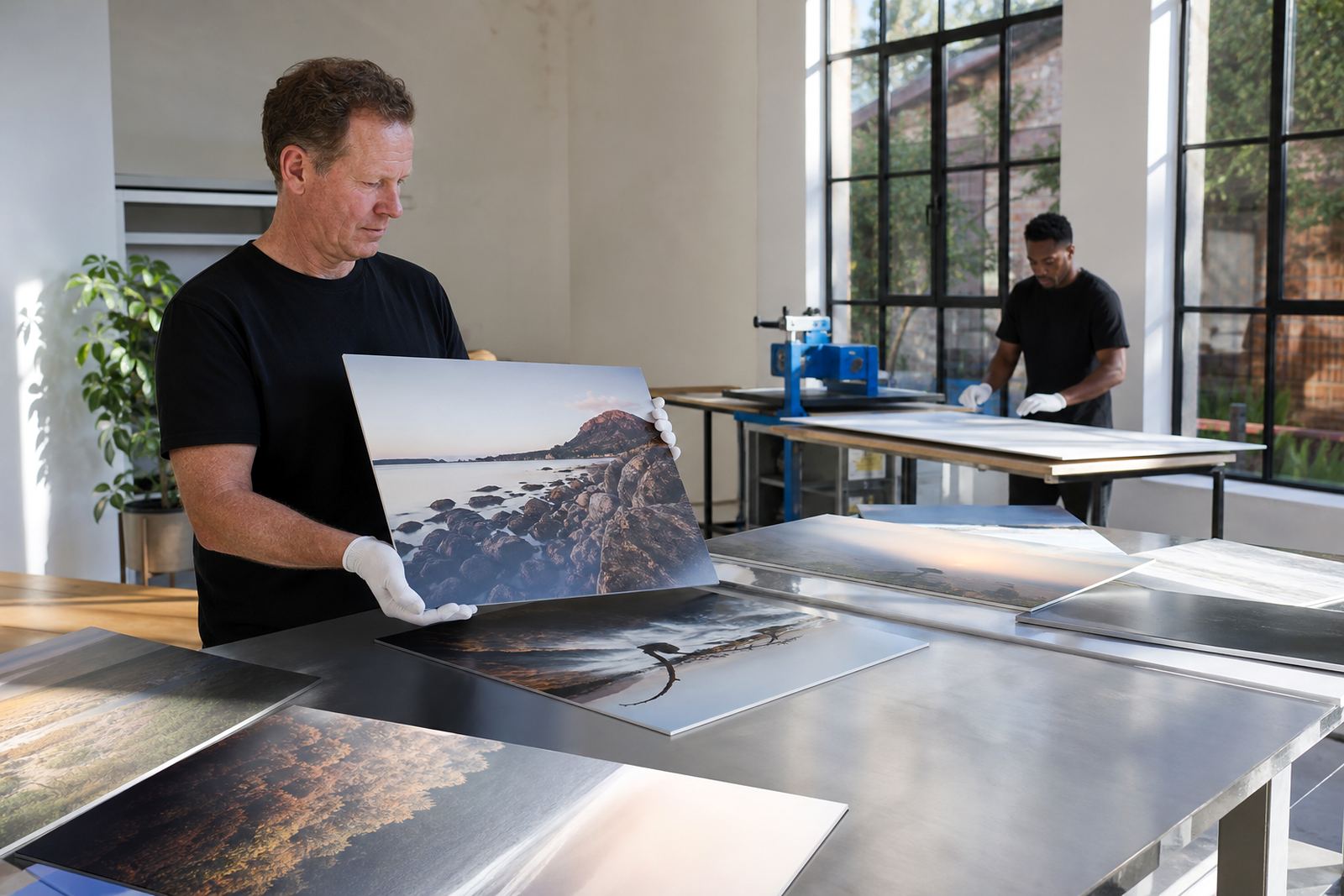
Customers must own the images they send, or have clear rights to use them. That applies to portraits, artwork, commercial imagery and any file supplied for a panel run. It is also worth checking whether a reprint may need to match an earlier job, because colour can shift slightly between different source files and different display conditions.

After installation, care is usually straightforward. A soft cloth and light cleaning is enough for most panels. Avoid harsh chemicals, abrasive pads and rough handling at the edges.

Metal print questions

What file quality is best for dye sublimation aluminium panels?

Use the highest quality original file available, with enough pixels for the final panel size and clean edges after cropping. Low-resolution screenshots and heavily compressed images usually show problems when enlarged.

Which finish is best for bright rooms?

Matte usually works well in rooms with strong daylight or overhead lighting because it reduces glare. Gloss gives more punch but can reflect more light, while brushed and white finishes change how colour and texture read.

Can you help with multiple sizes in one order?

Yes, but each panel should be planned for final size, crop and hanging method. Multi panel layouts need matching spacing and consistent image flow so the set hangs properly.

Have a photo worth hanging? Send us the file.

Contact form