

From file to finished panel
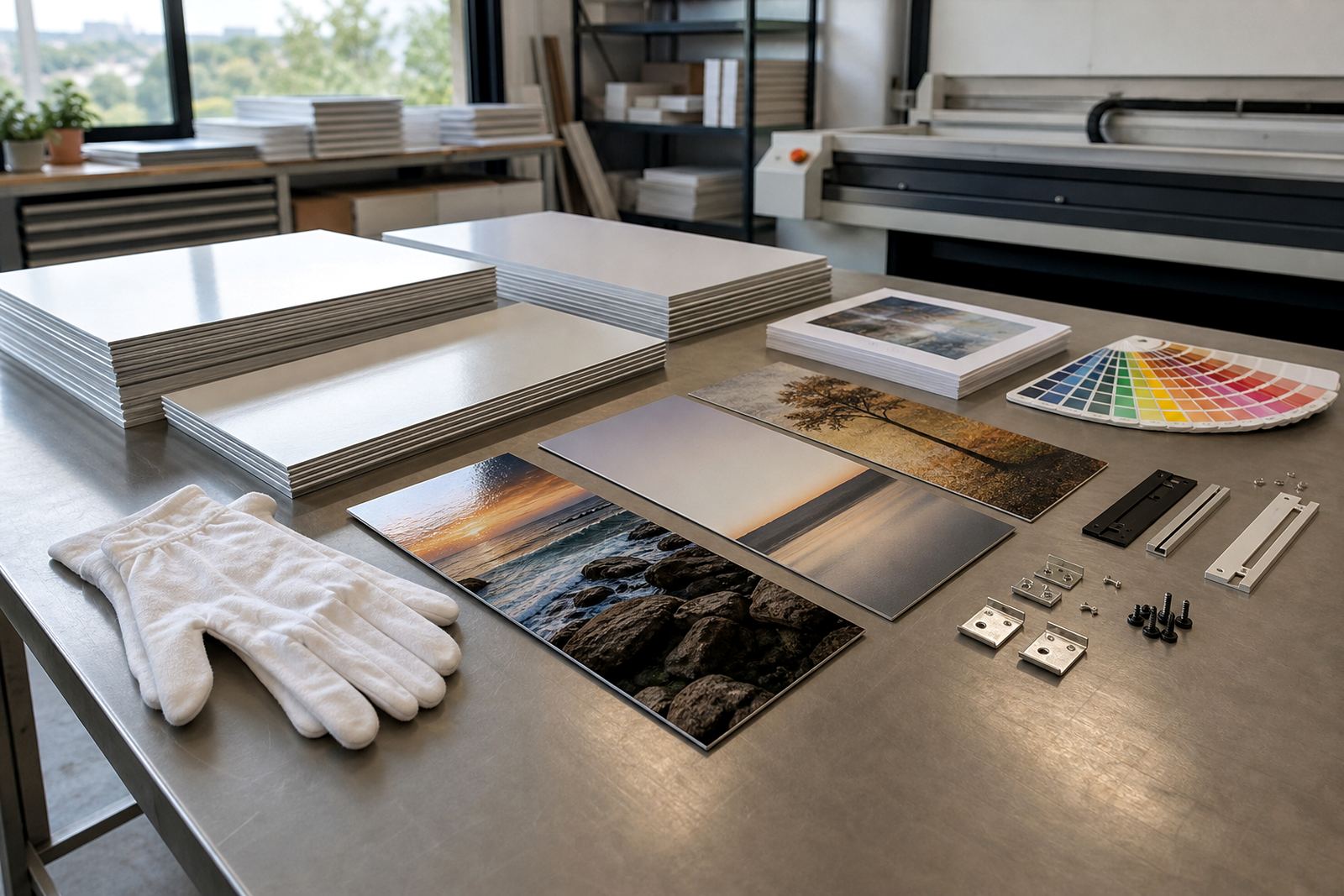
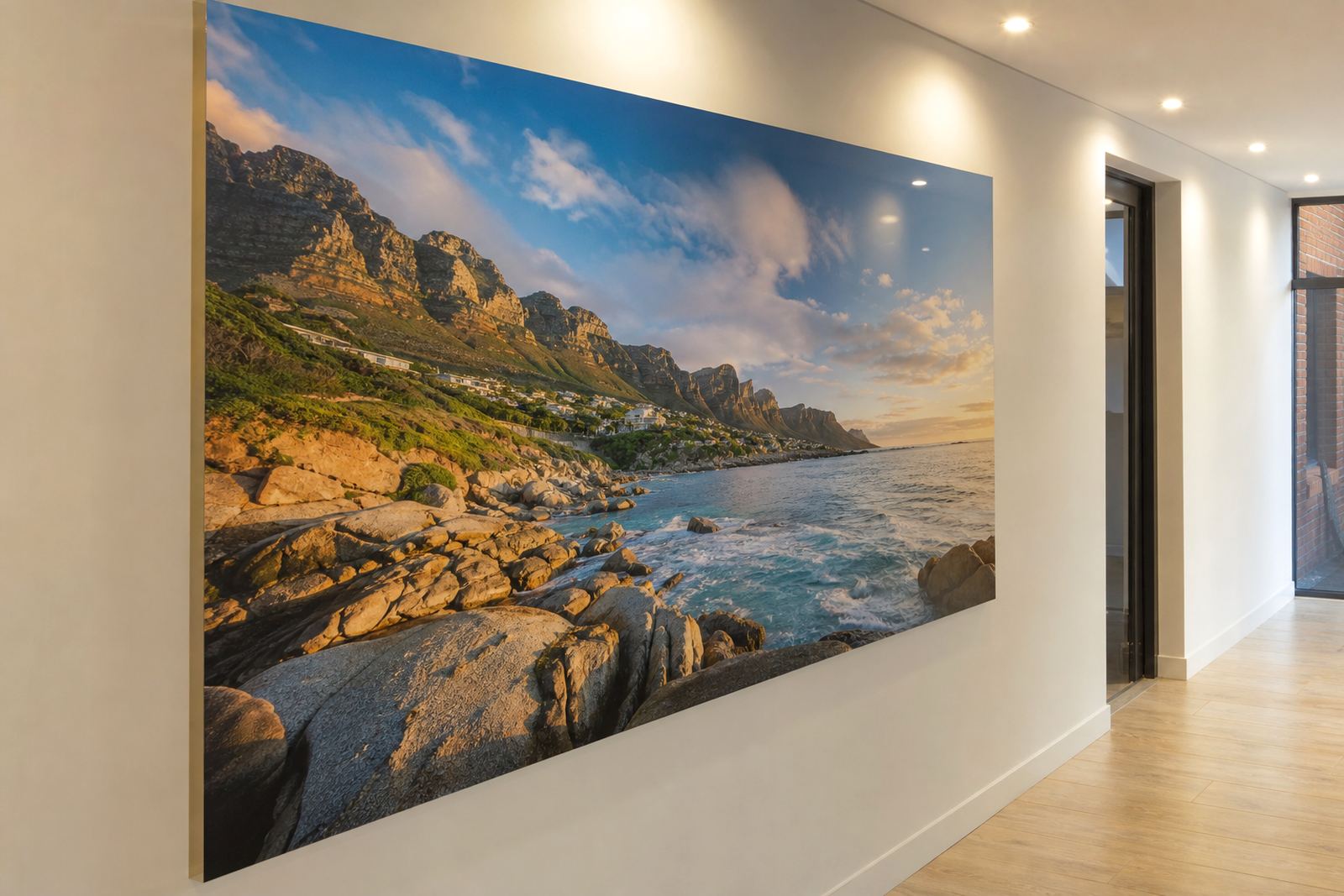
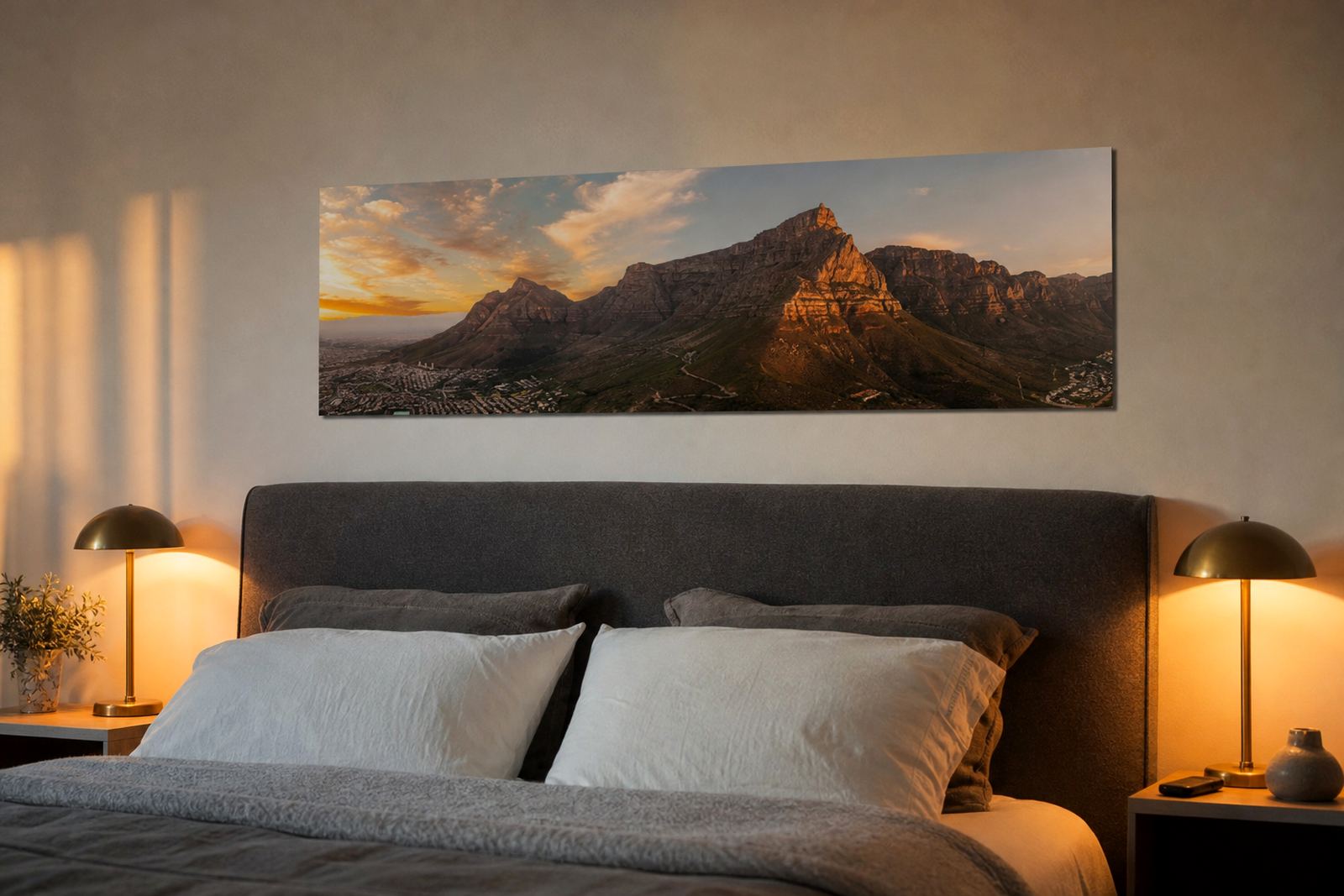
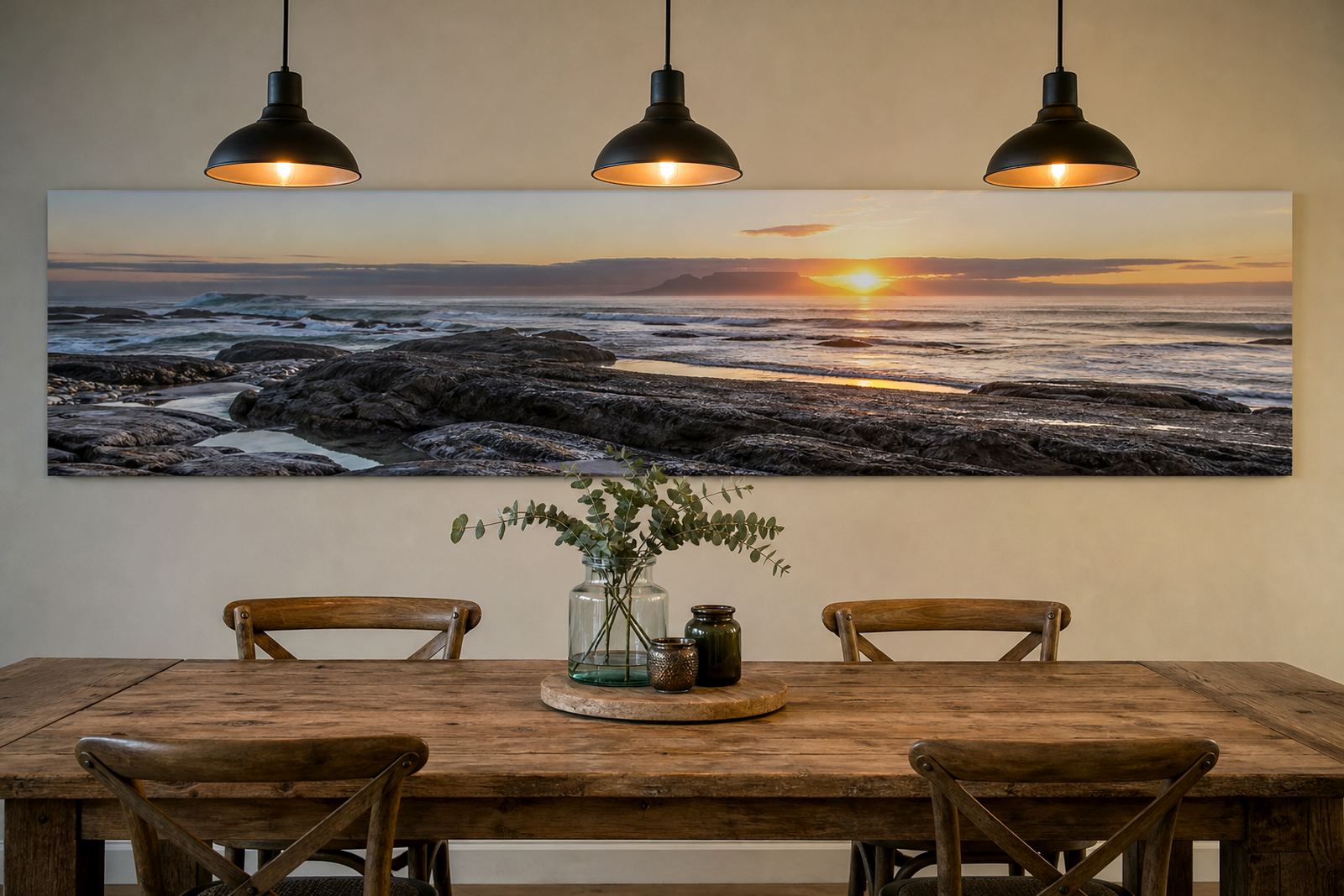
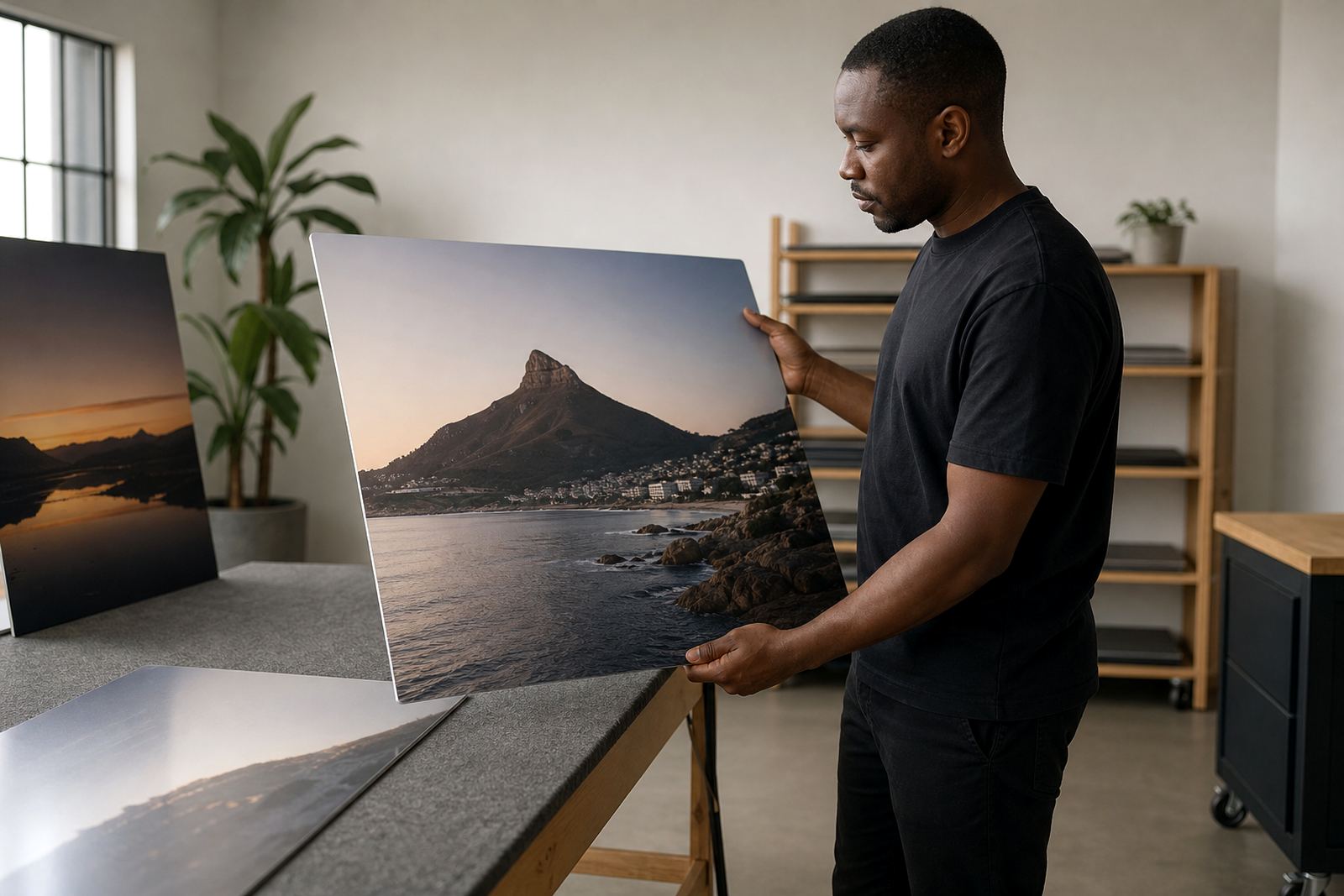
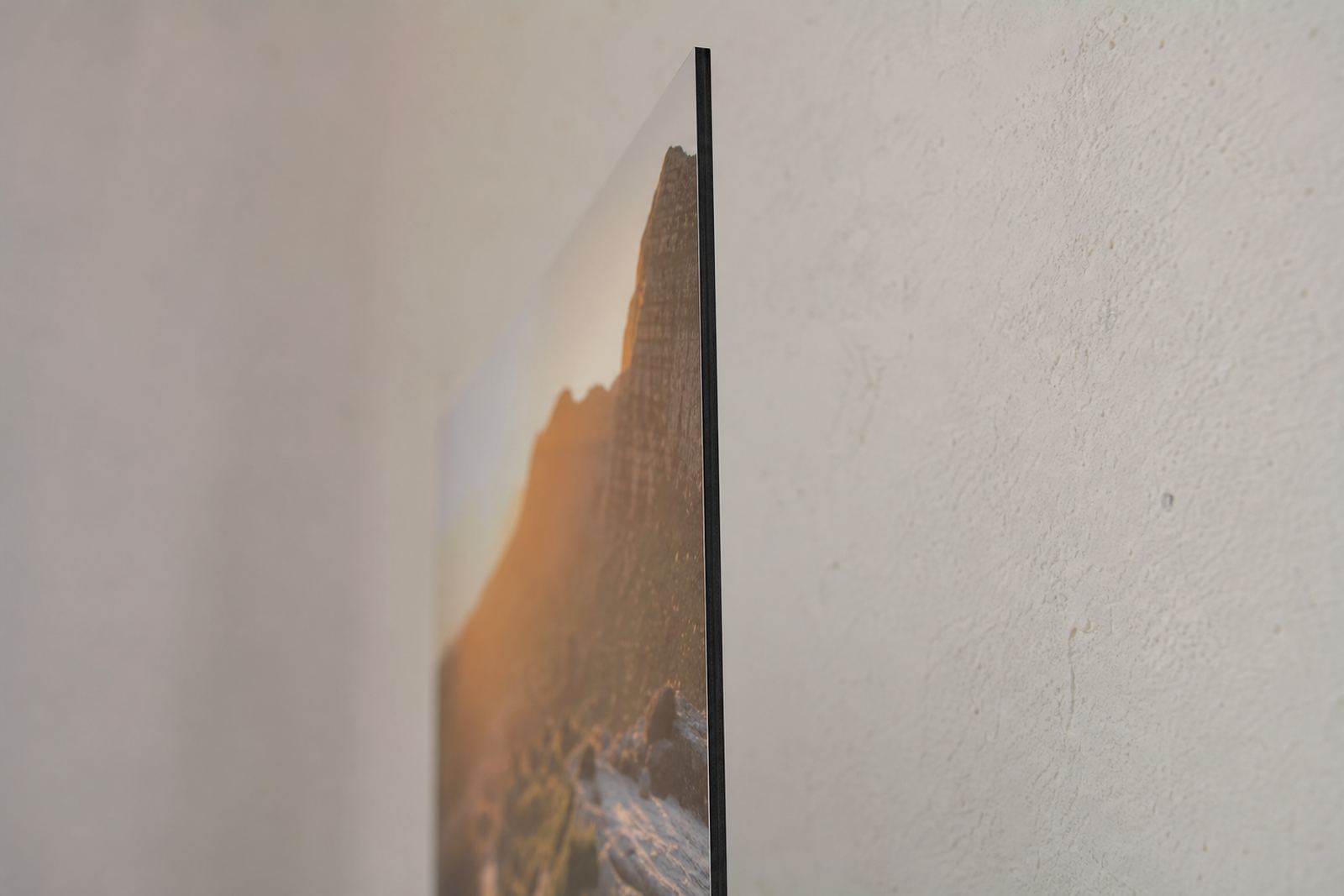
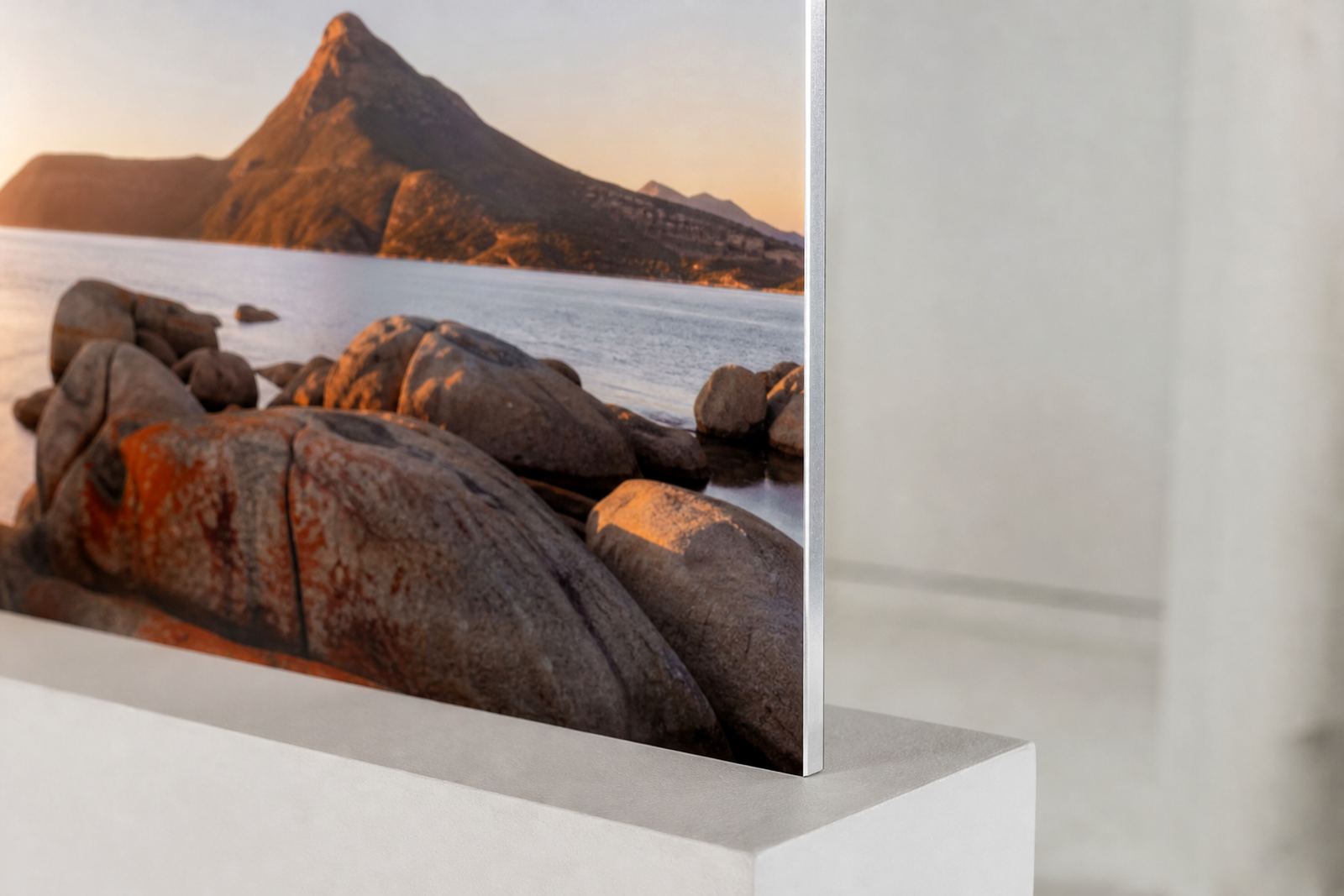
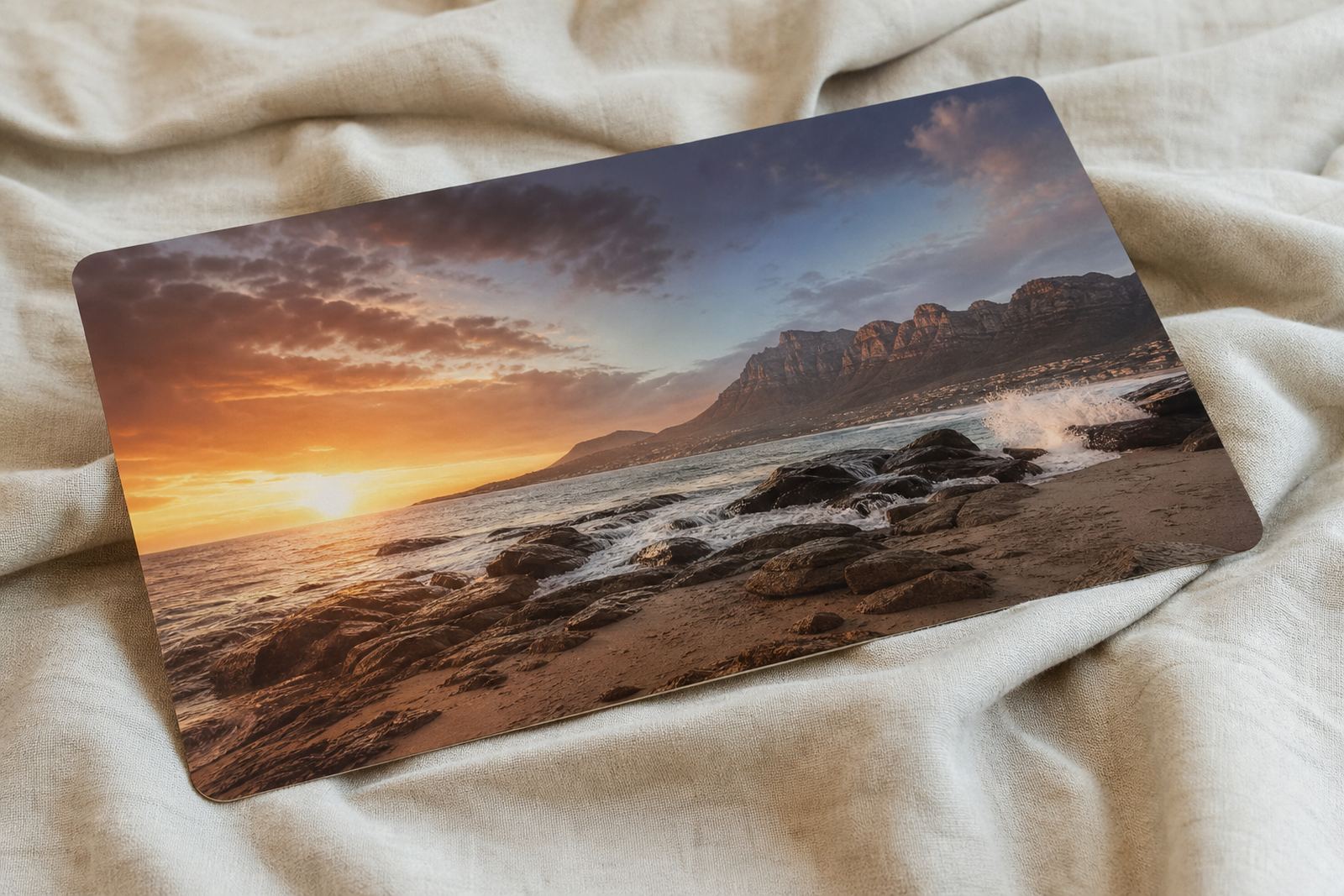
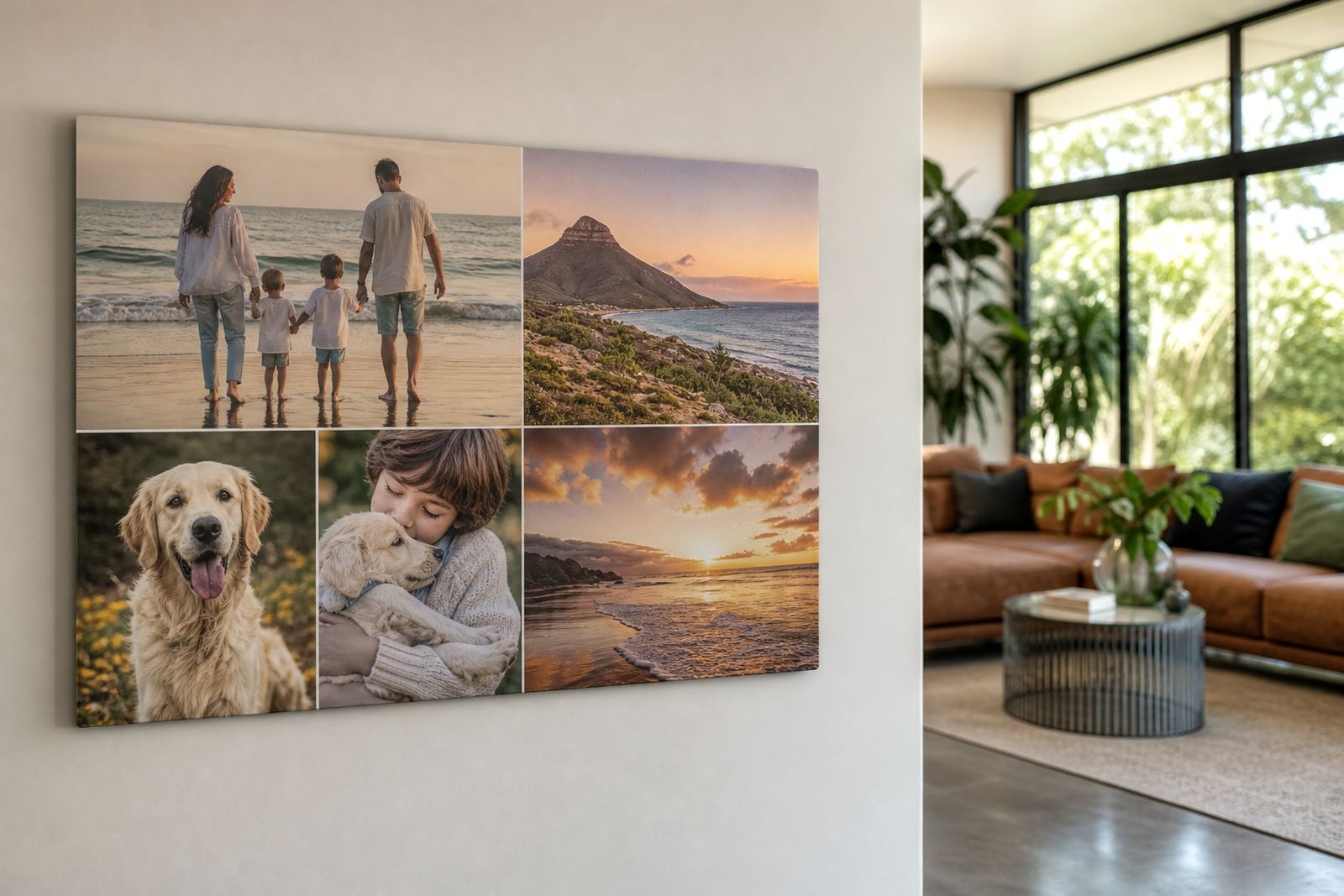
Each panel starts with a print-ready image and a coated aluminium surface chosen for dye sublimation transfer. The artwork is heat pressed into the coating so the colour sits cleanly on the face of the panel, giving a sharp result for portraits, landscapes, product imagery and gallery work. Good source files matter, so we check resolution, crop and colour balance before production.
If your image is low resolution or the crop is tight, we will flag it early and talk through the safest output size. That helps avoid soft detail, clipped edges or unexpected framing once the panel is mounted. Customers must own the image rights or have permission to use the files they send.
Finish choices that change the feel
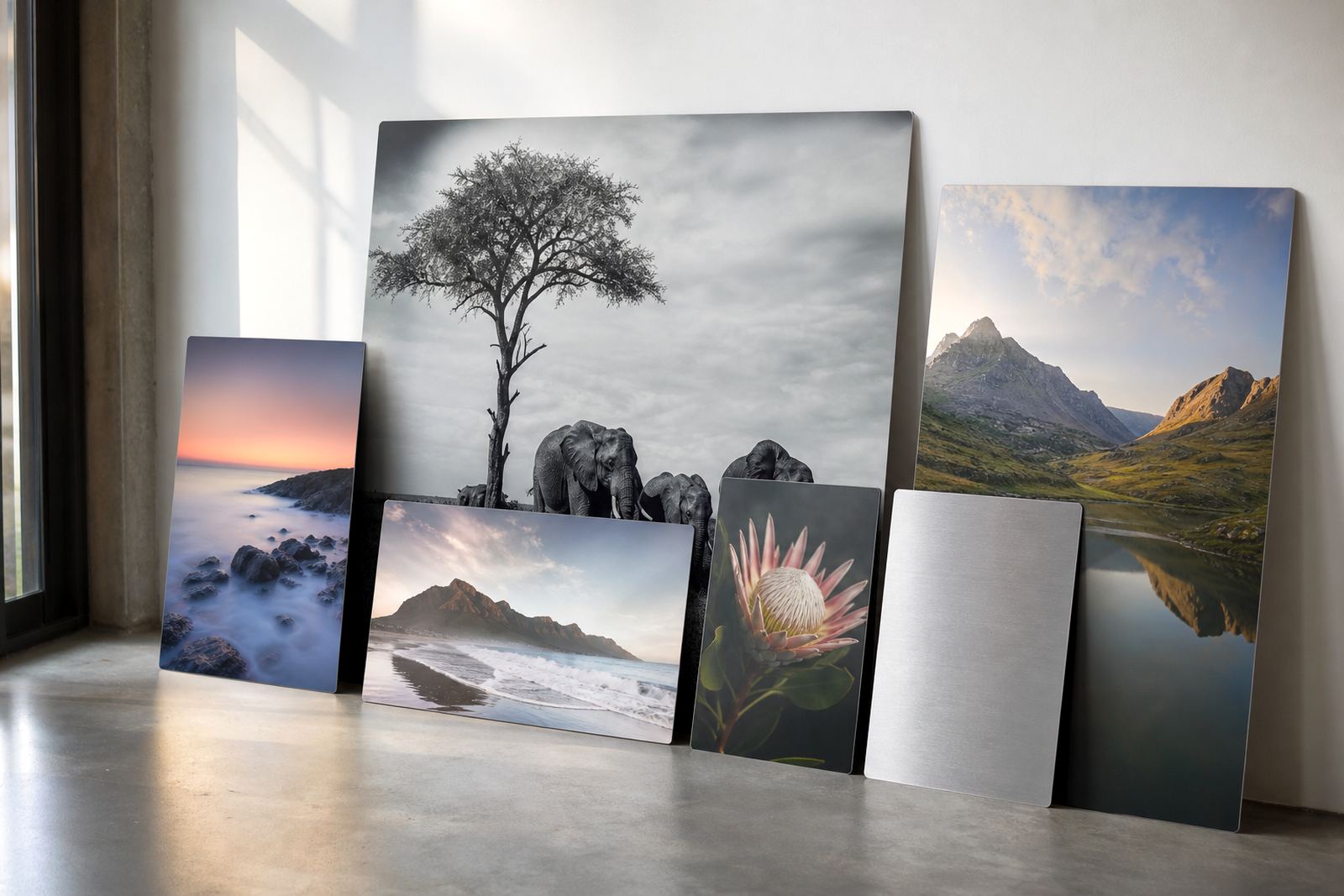
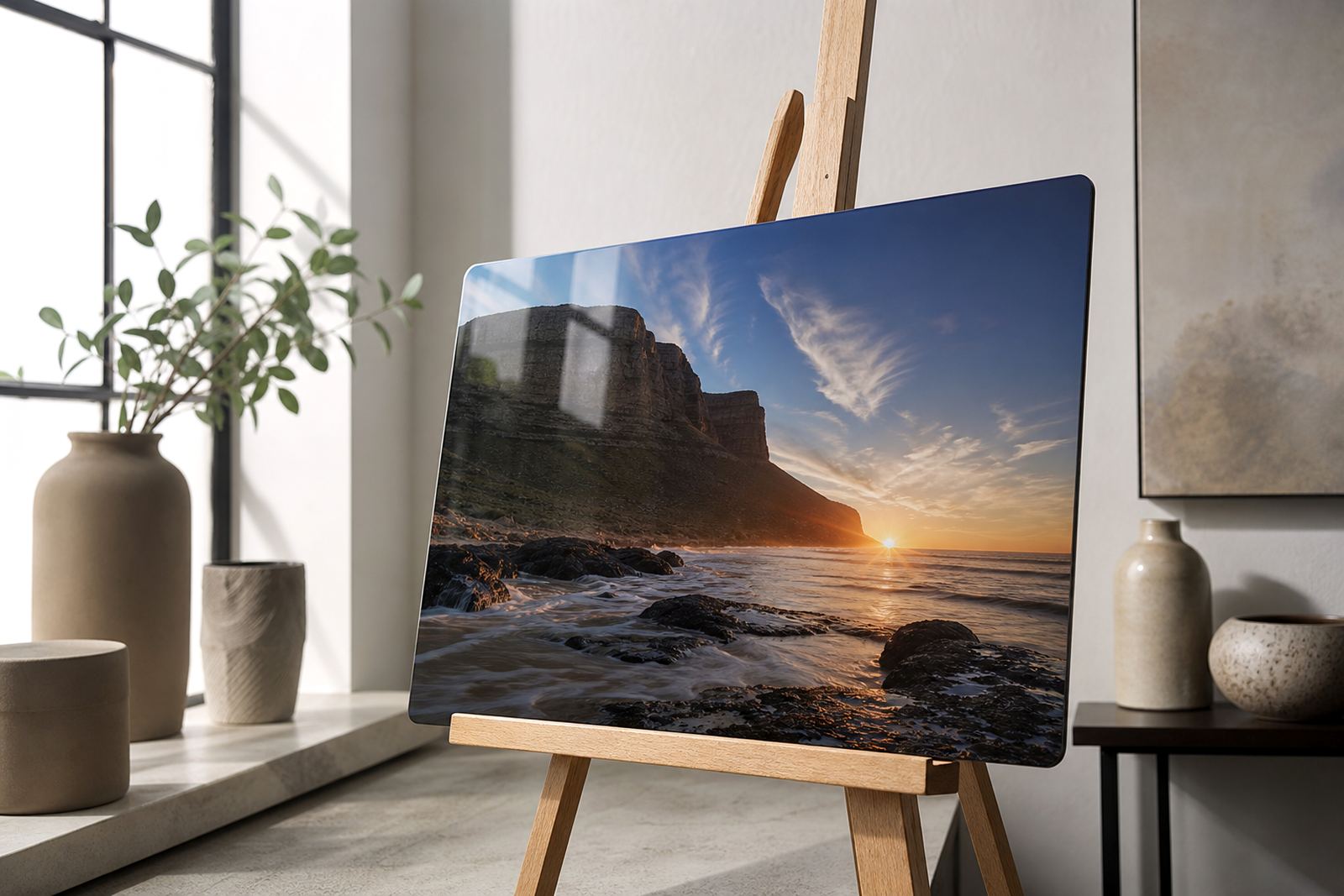
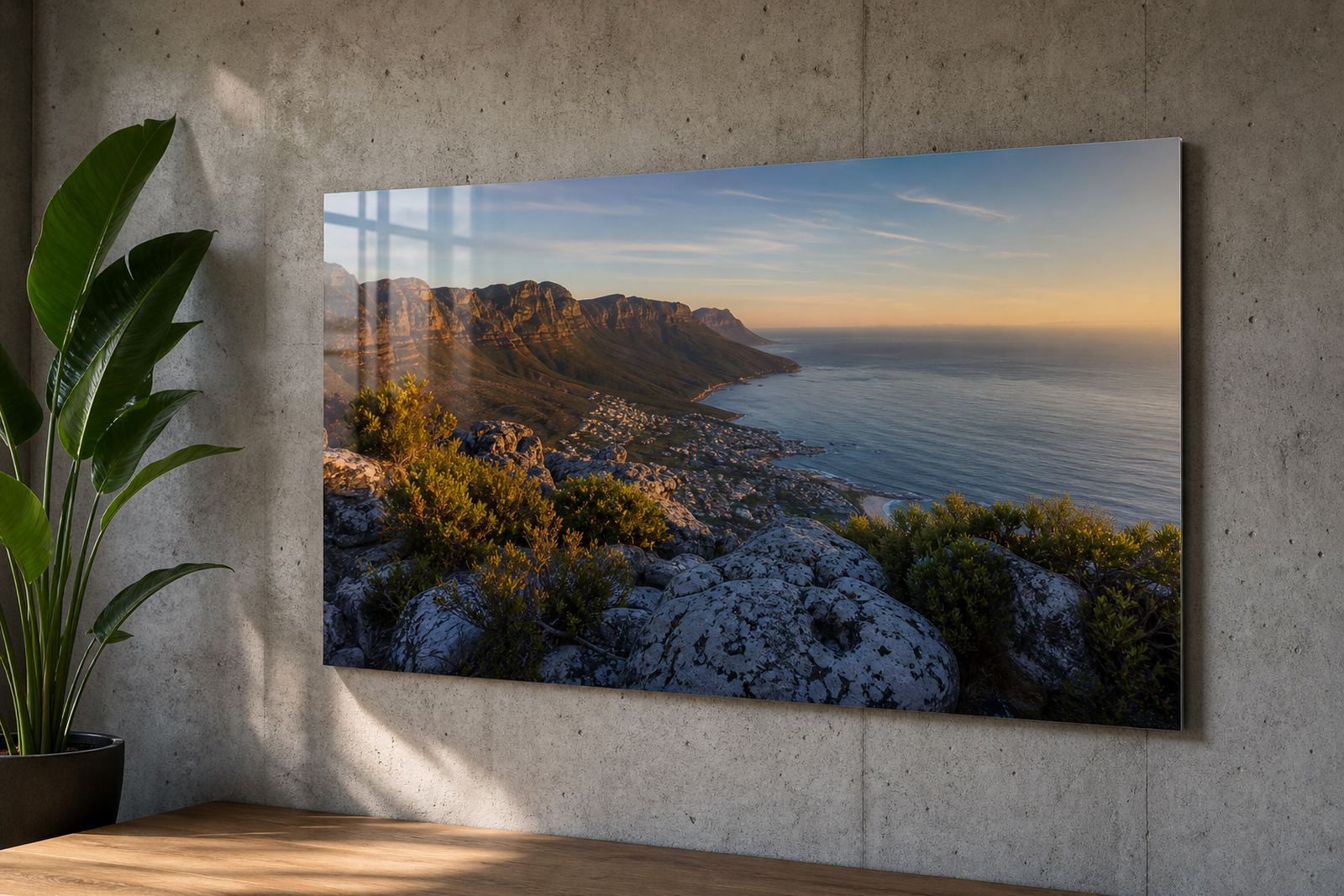
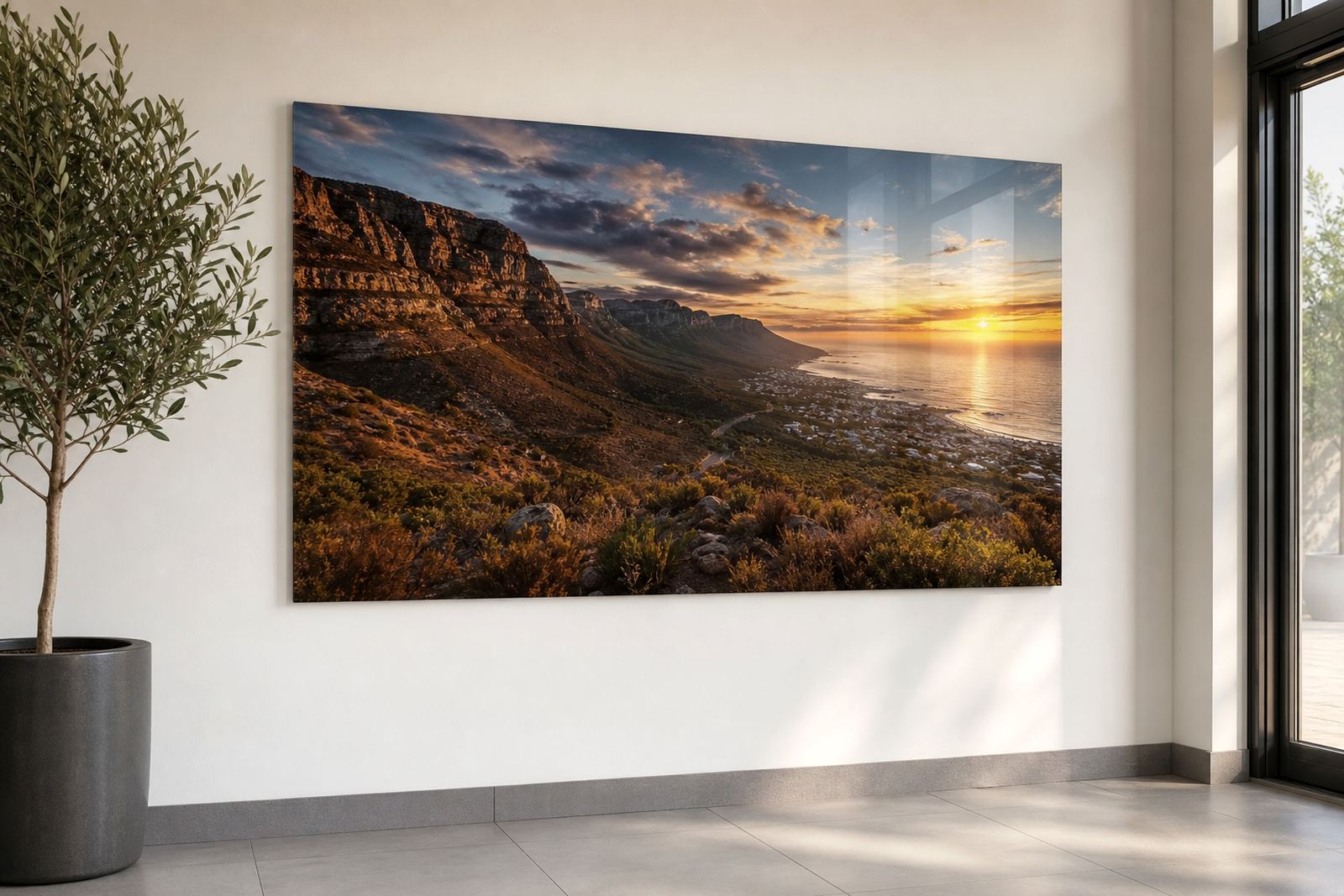
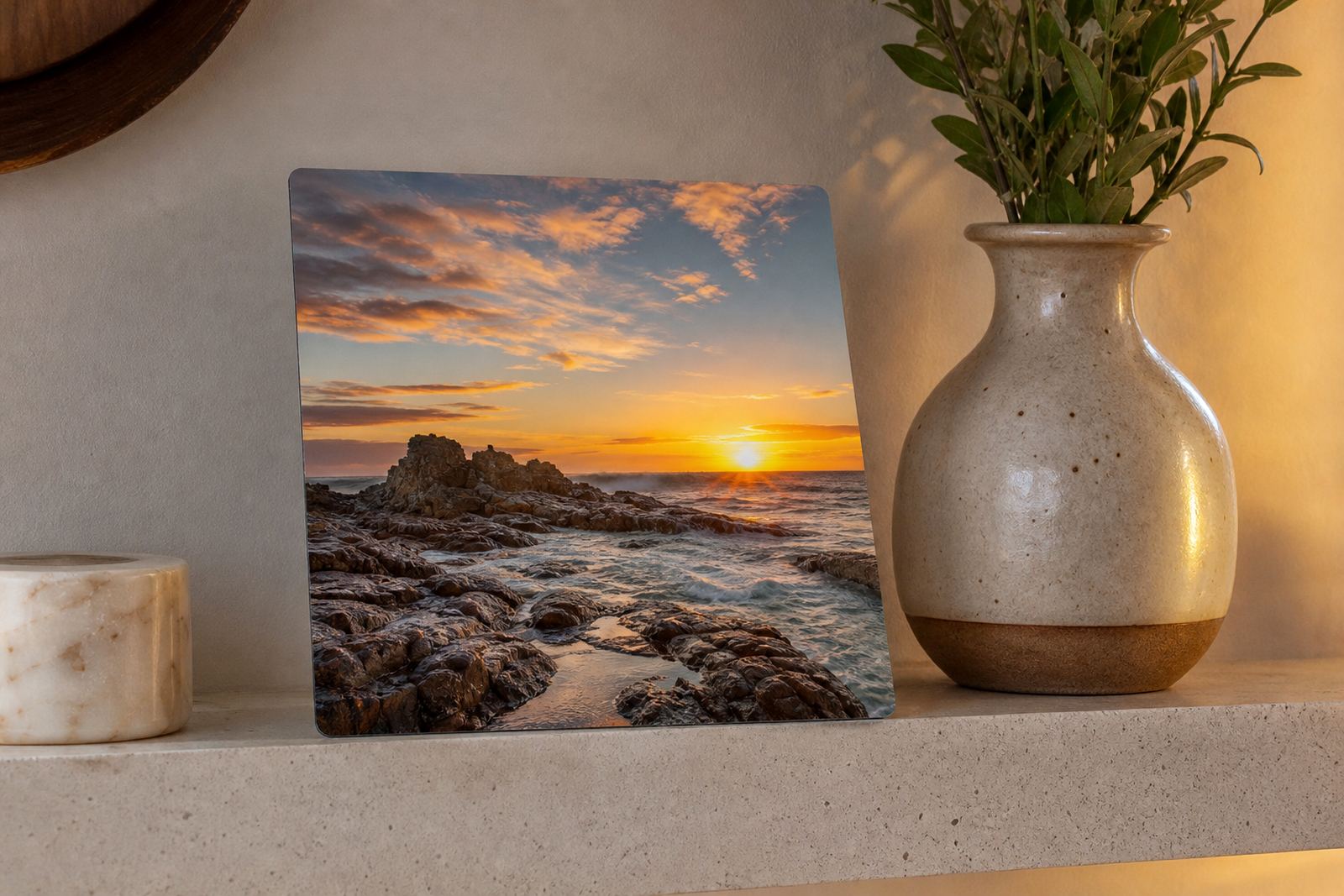
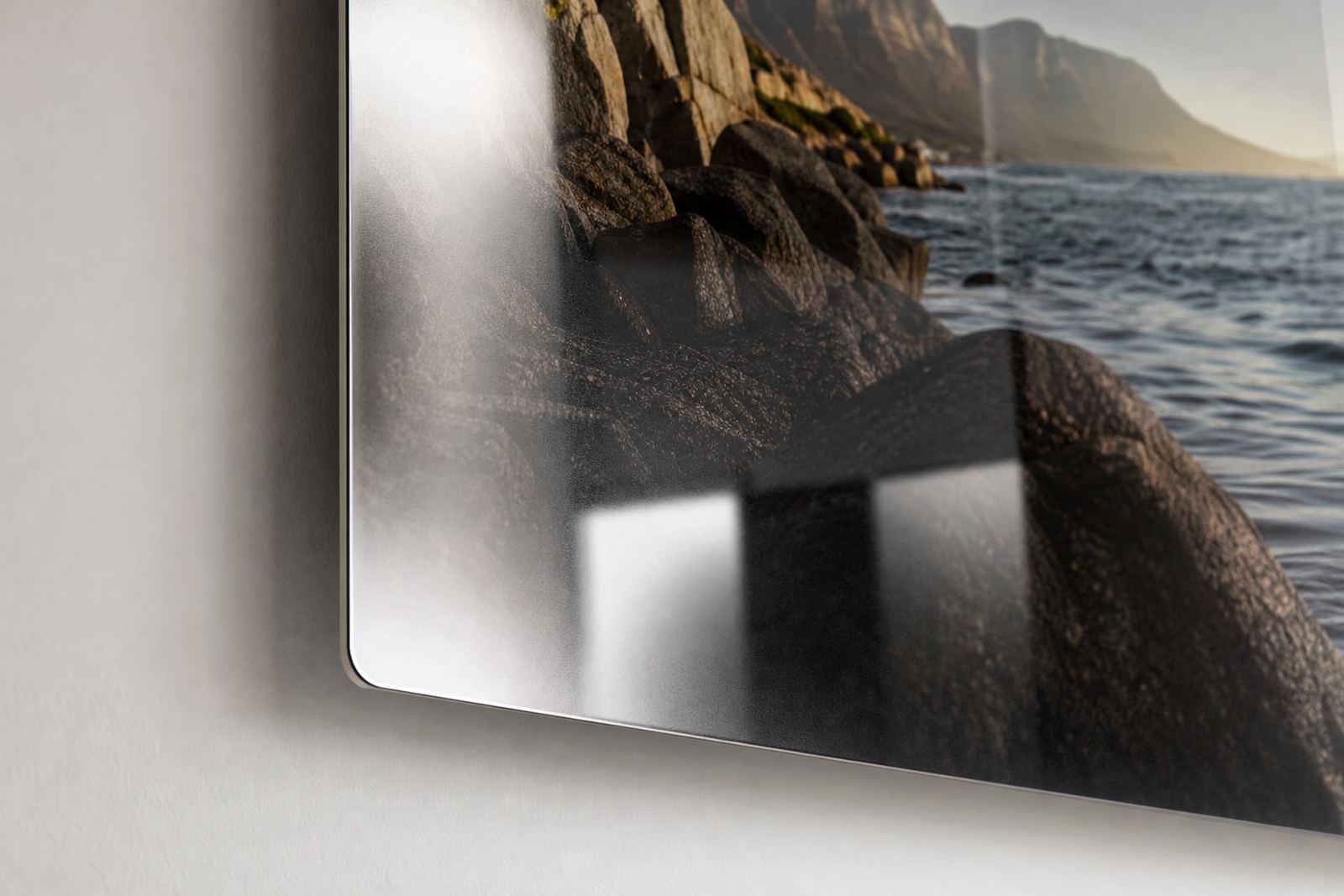
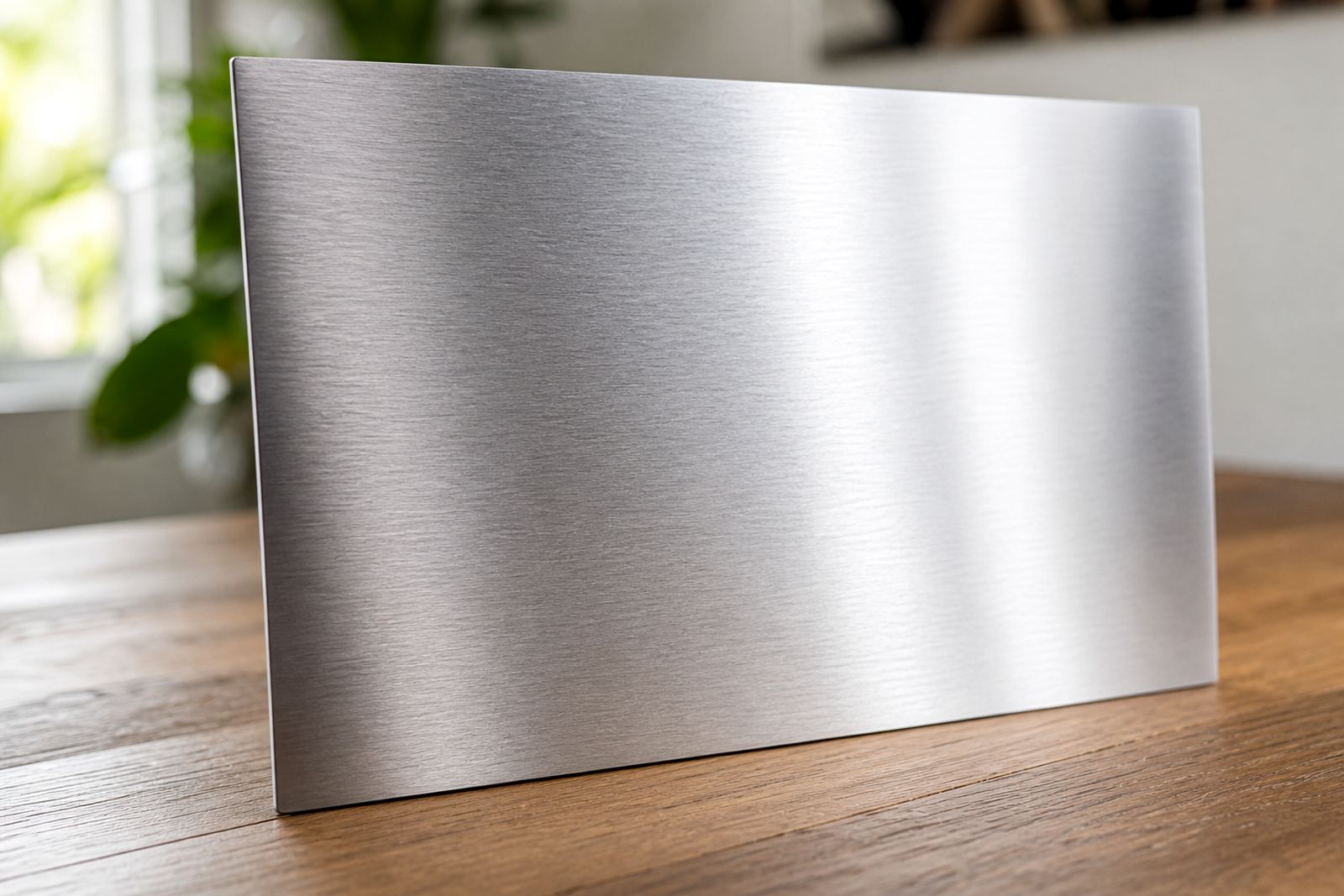
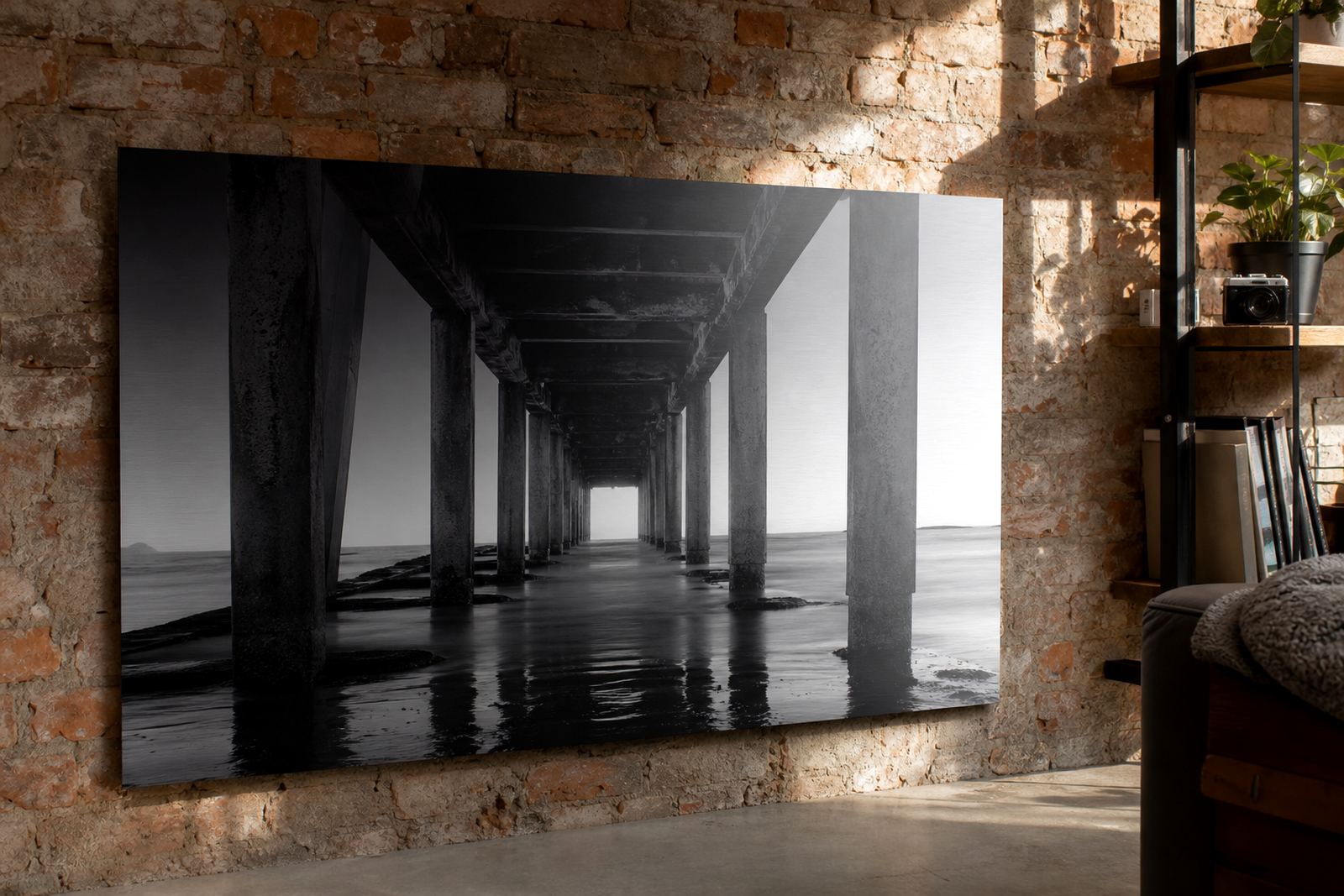
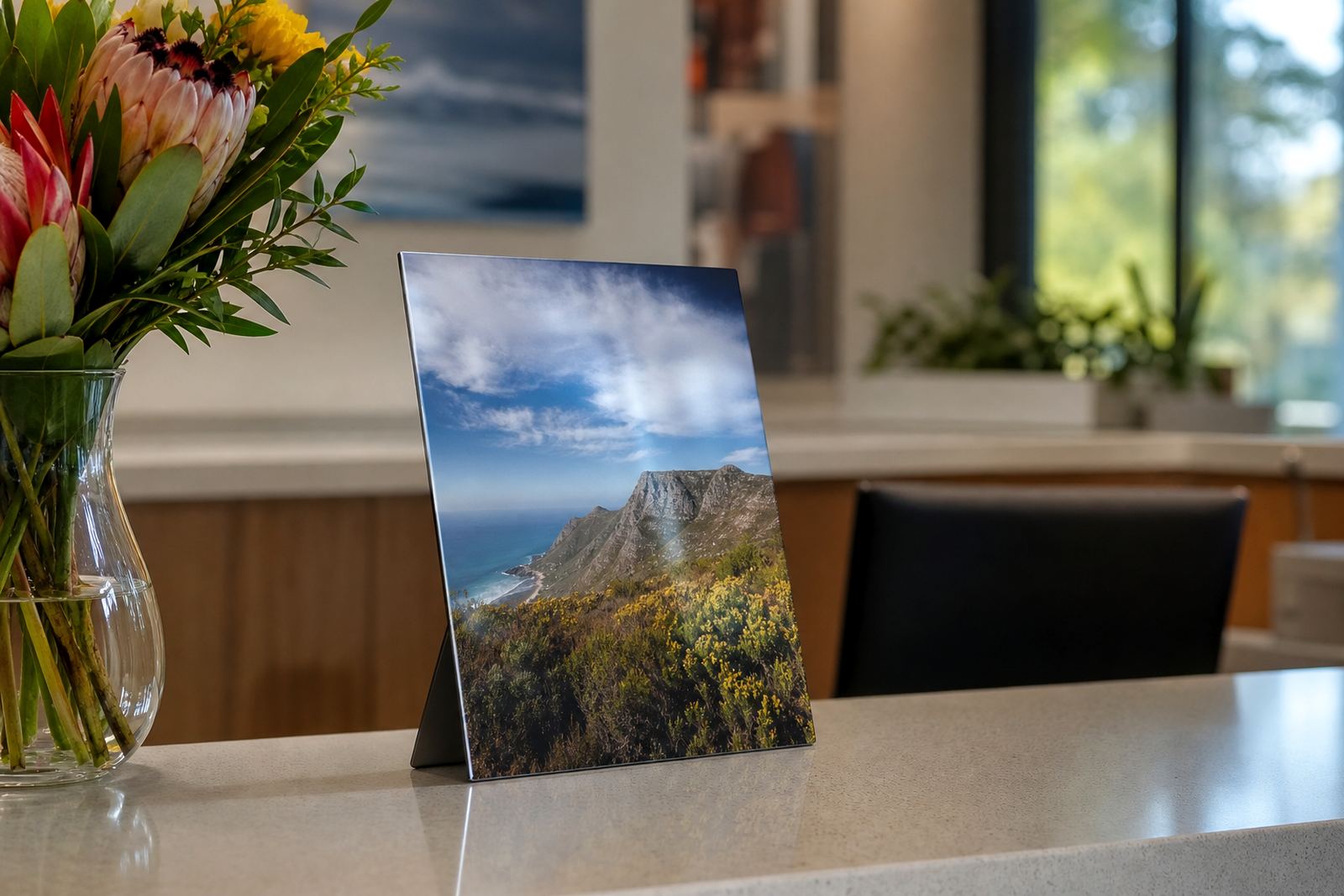
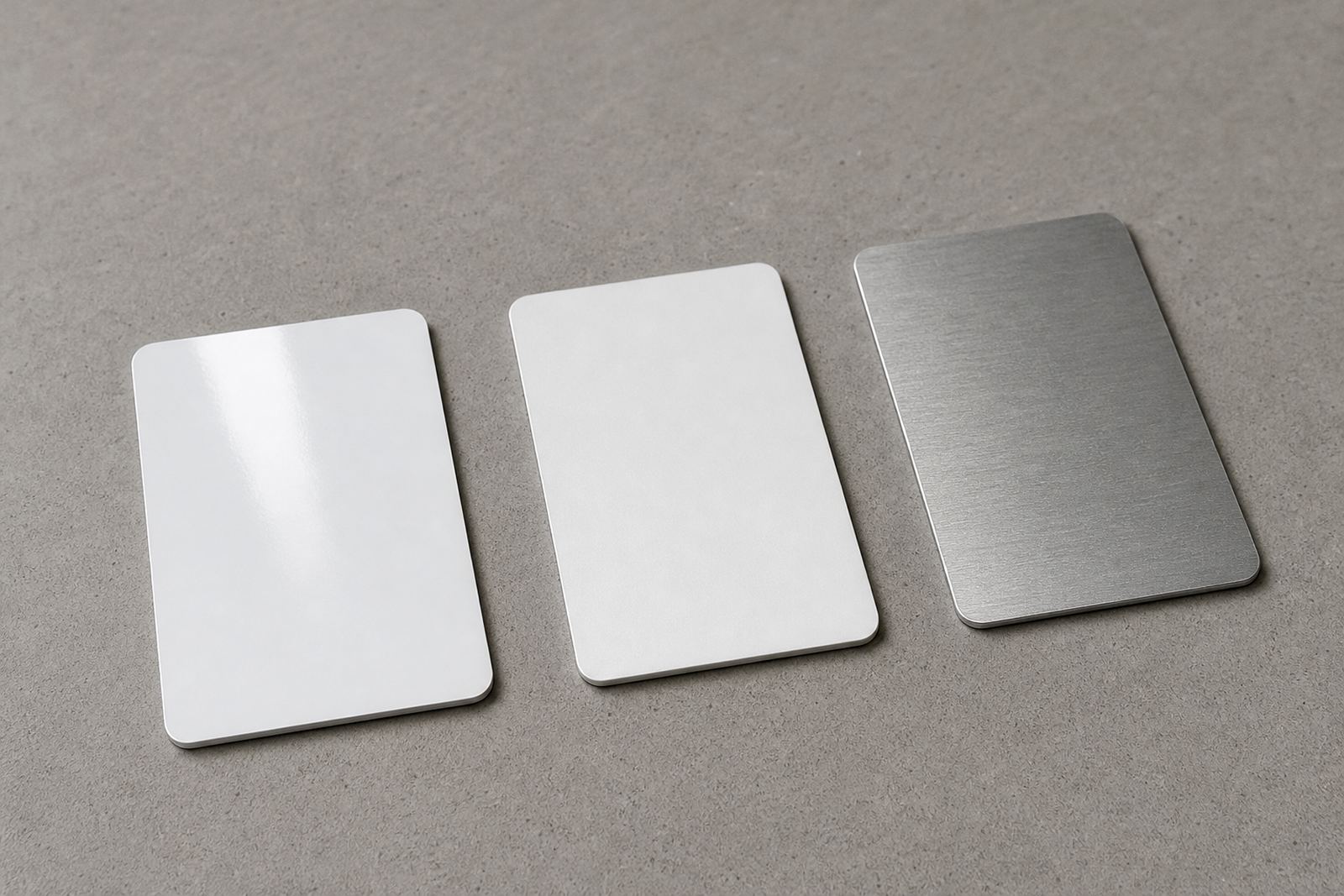
The same image can look very different depending on the finish. Gloss gives stronger contrast and a brighter punch. Matte reduces reflection and works well in offices or rooms with strong light. White aluminium keeps colour true and is often chosen for clean, high impact imagery, while brushed aluminium lets parts of the metal texture show through in lighter areas.
- Gloss for vivid colour and deeper black levels
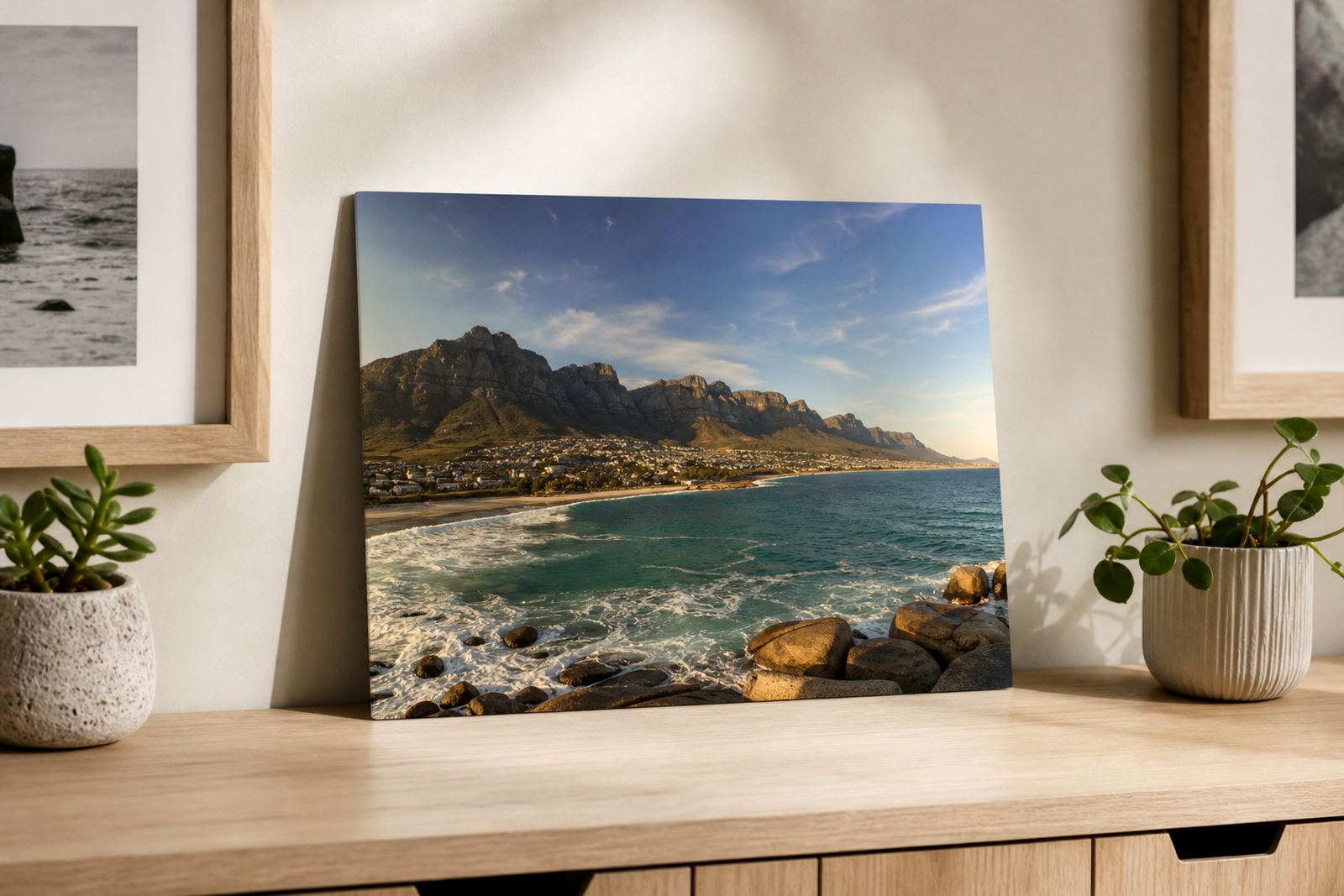
- Matte for softer reflection control
- White for full colour images and cleaner tonal work
- Brushed for industrial, monochrome or art driven effects
For coastal homes or humid spaces, the right finish can also help the panel suit the room better, especially where light and glare need managing.
Sizing that suits the wall, not just the file
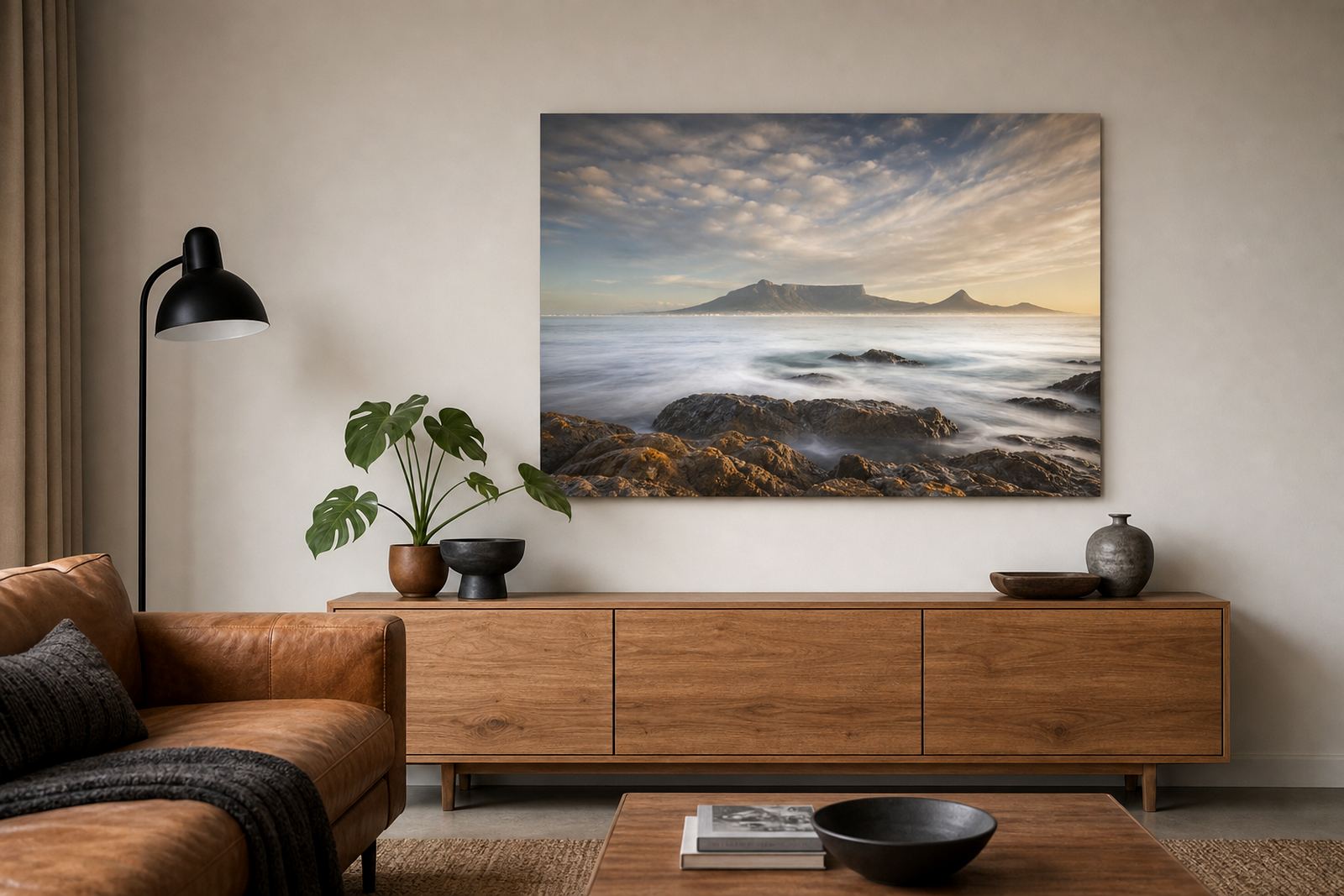
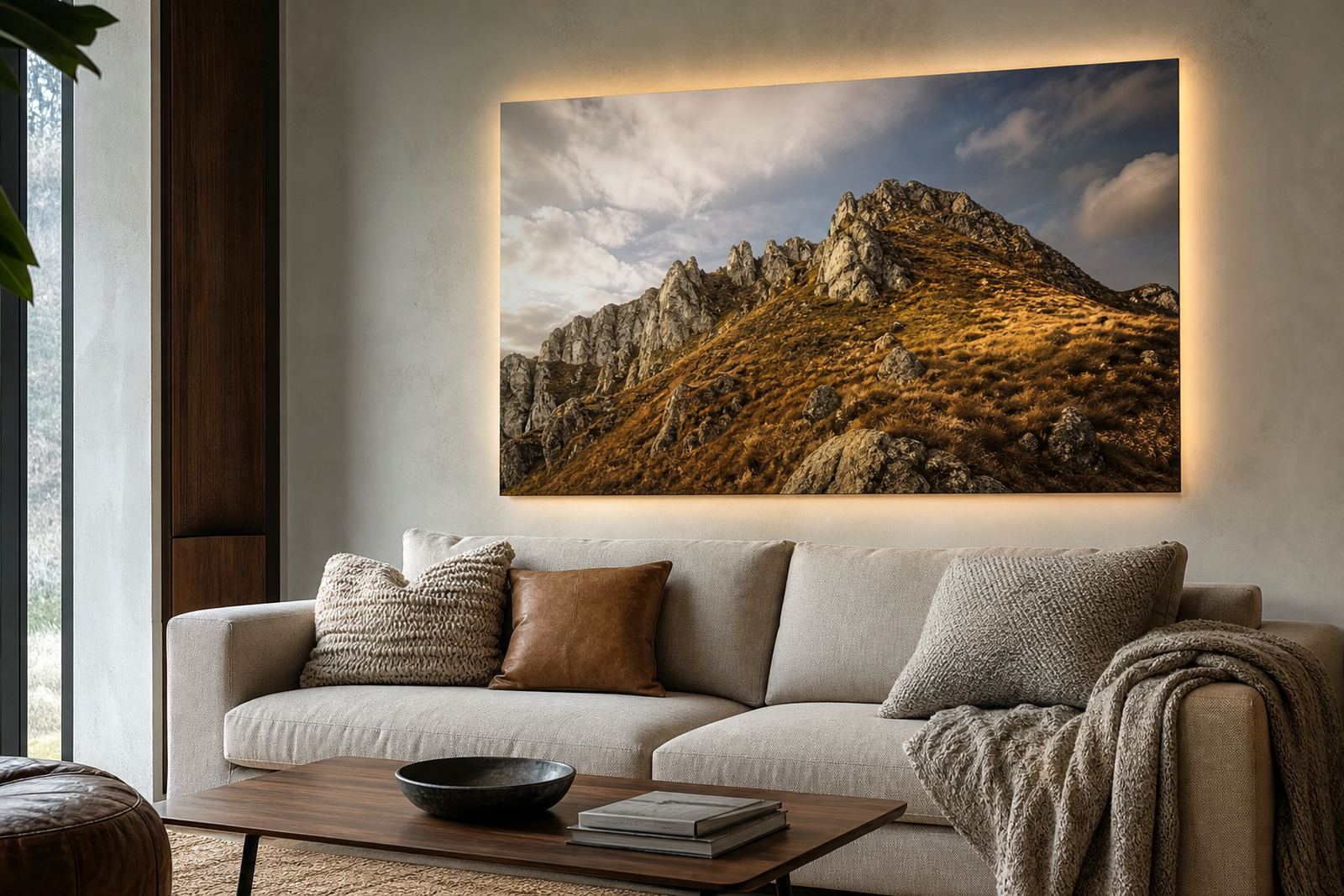
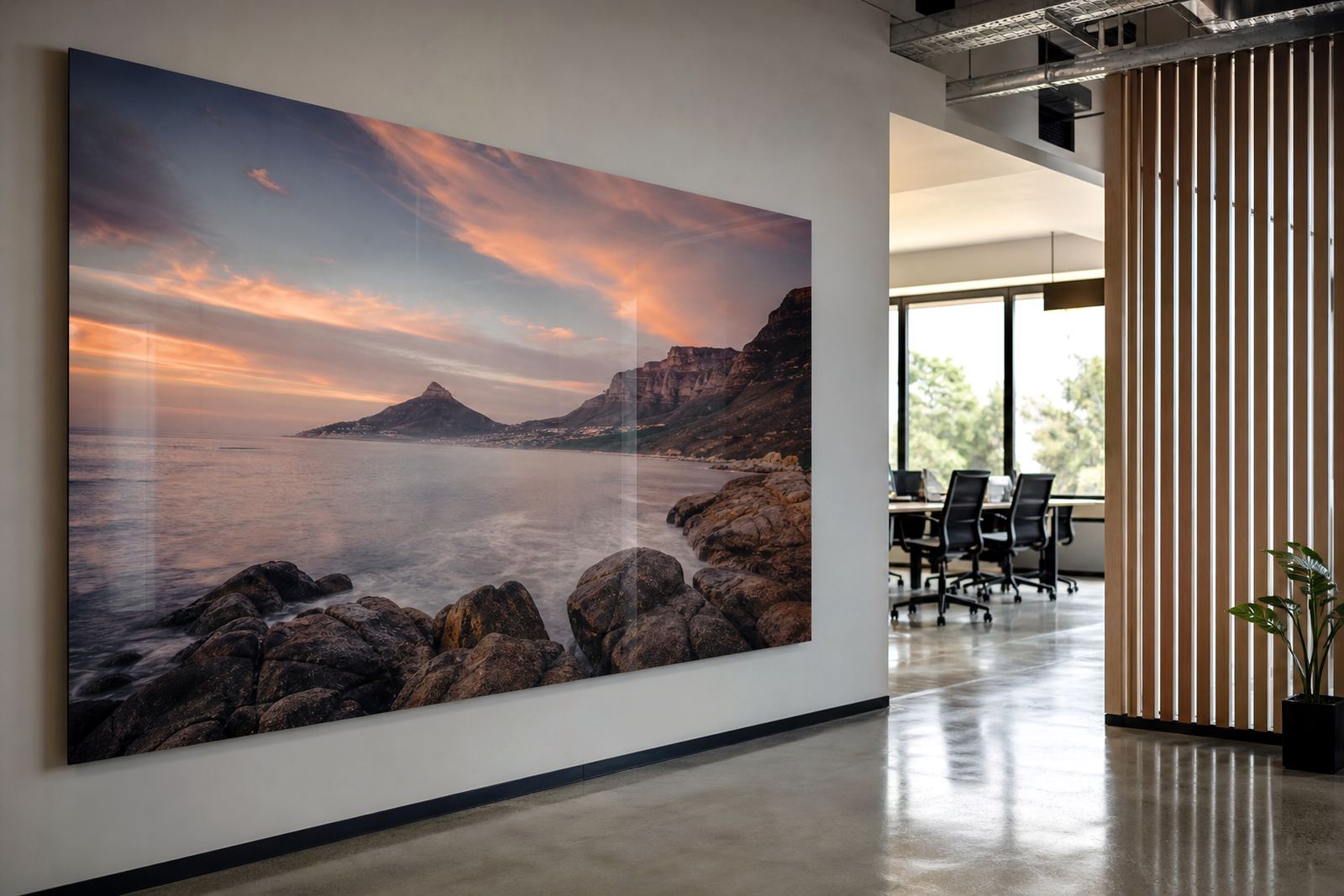
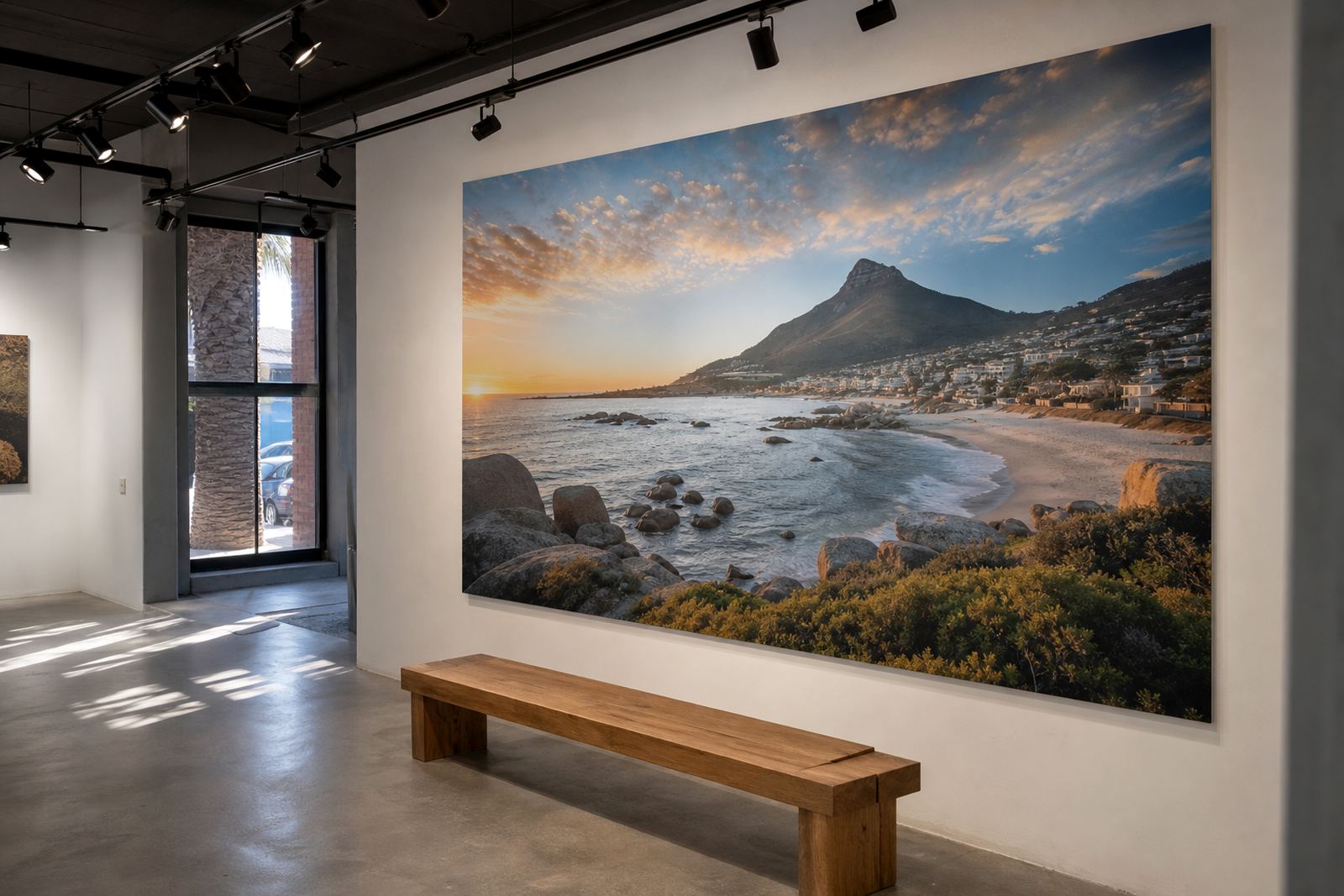
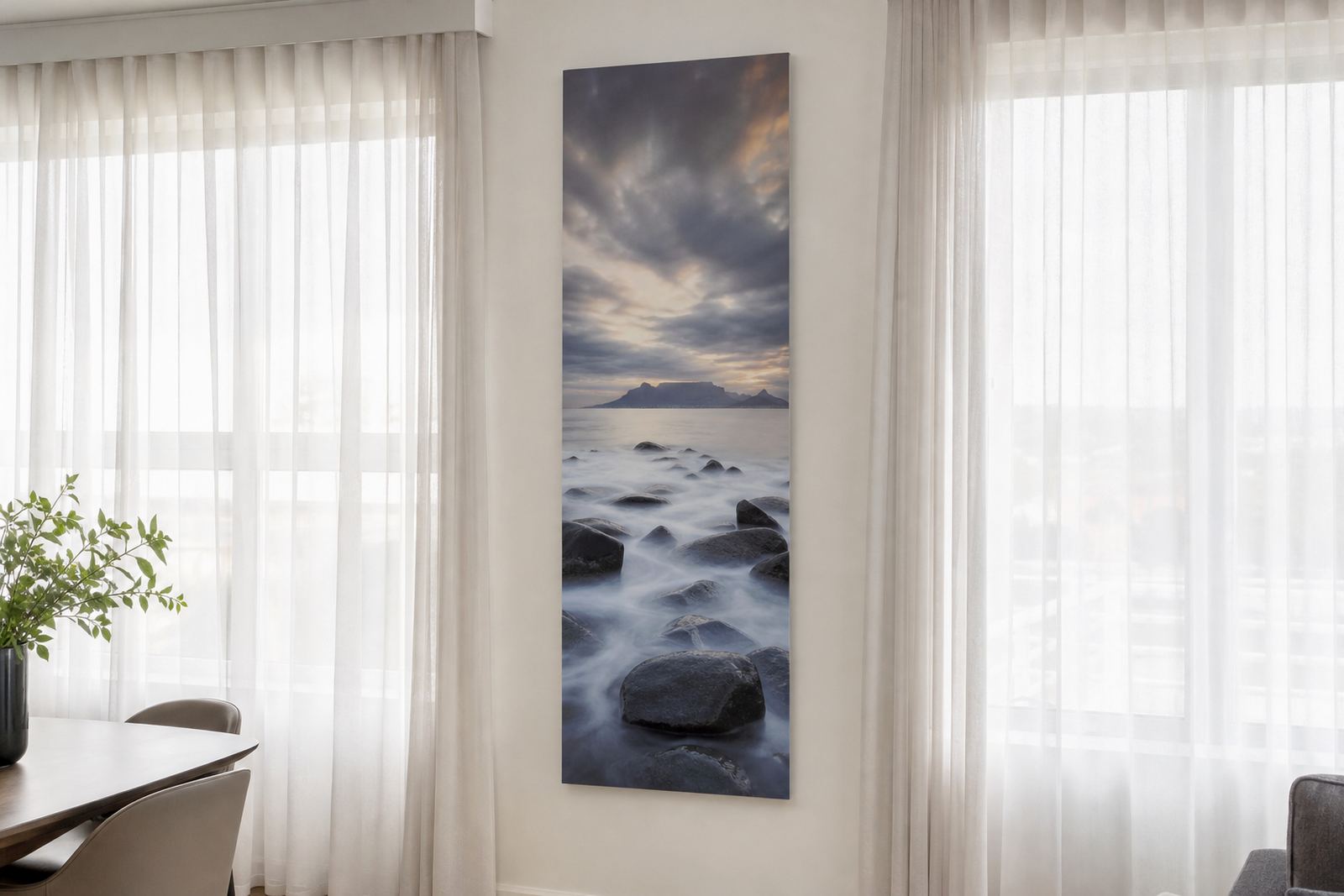
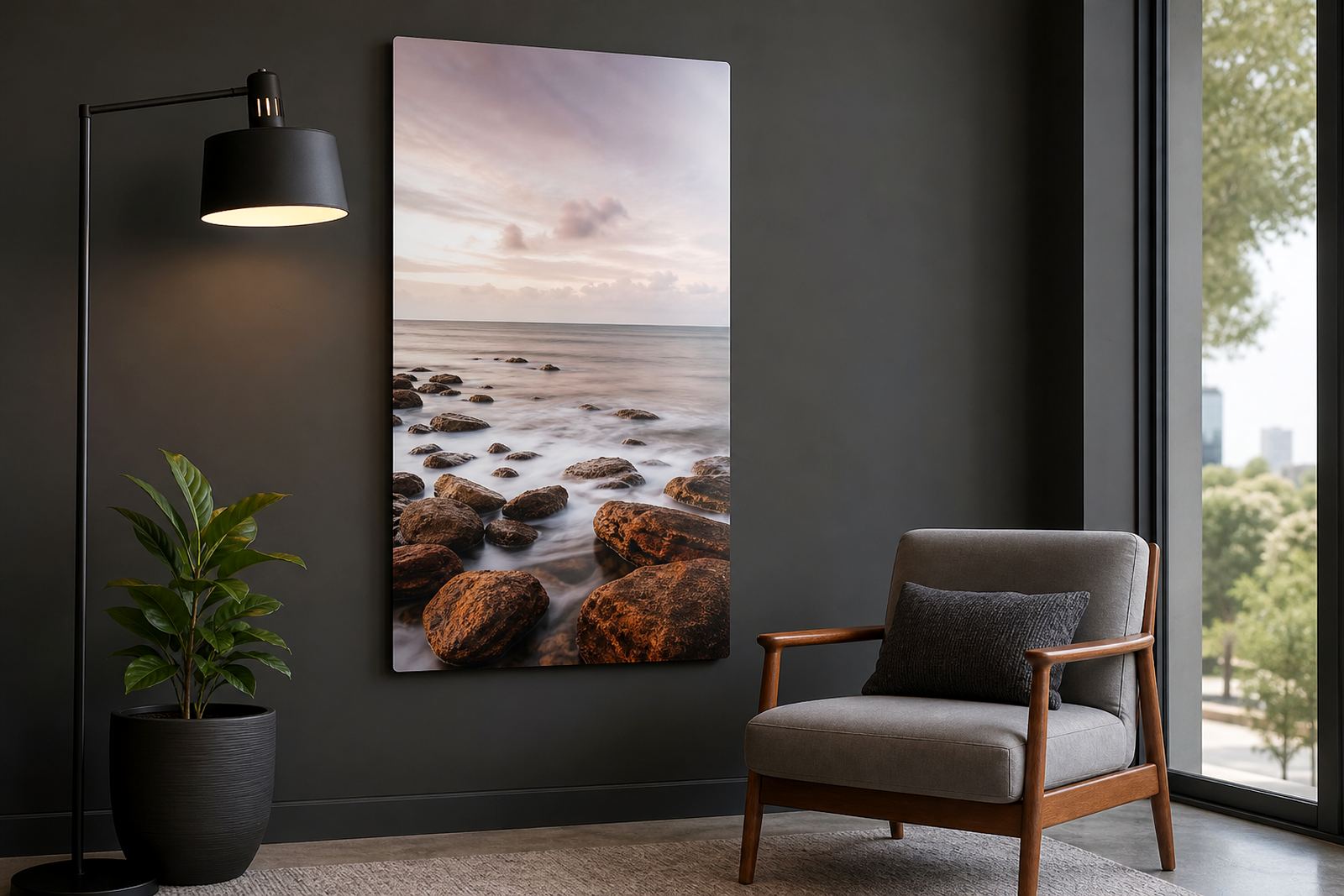
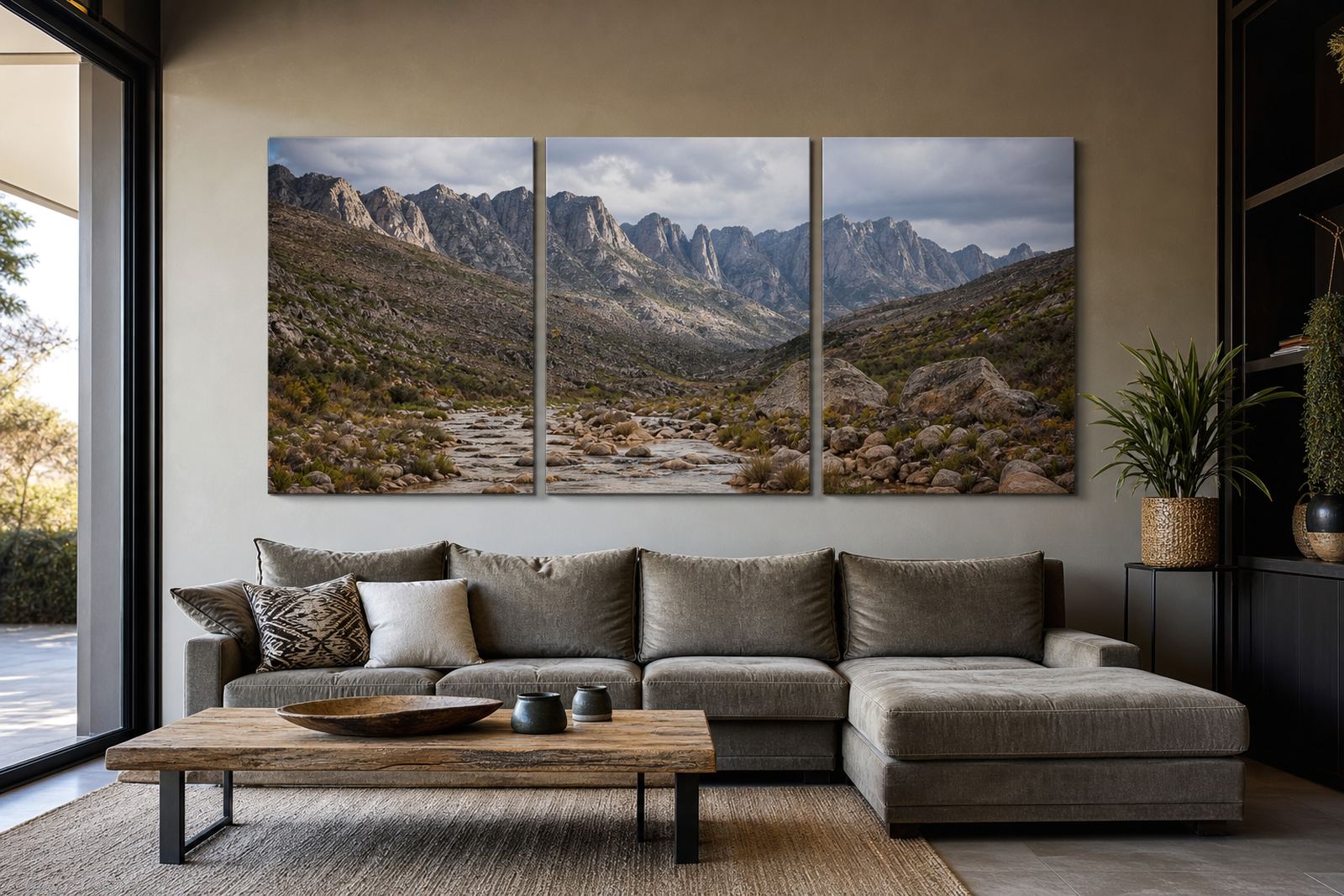
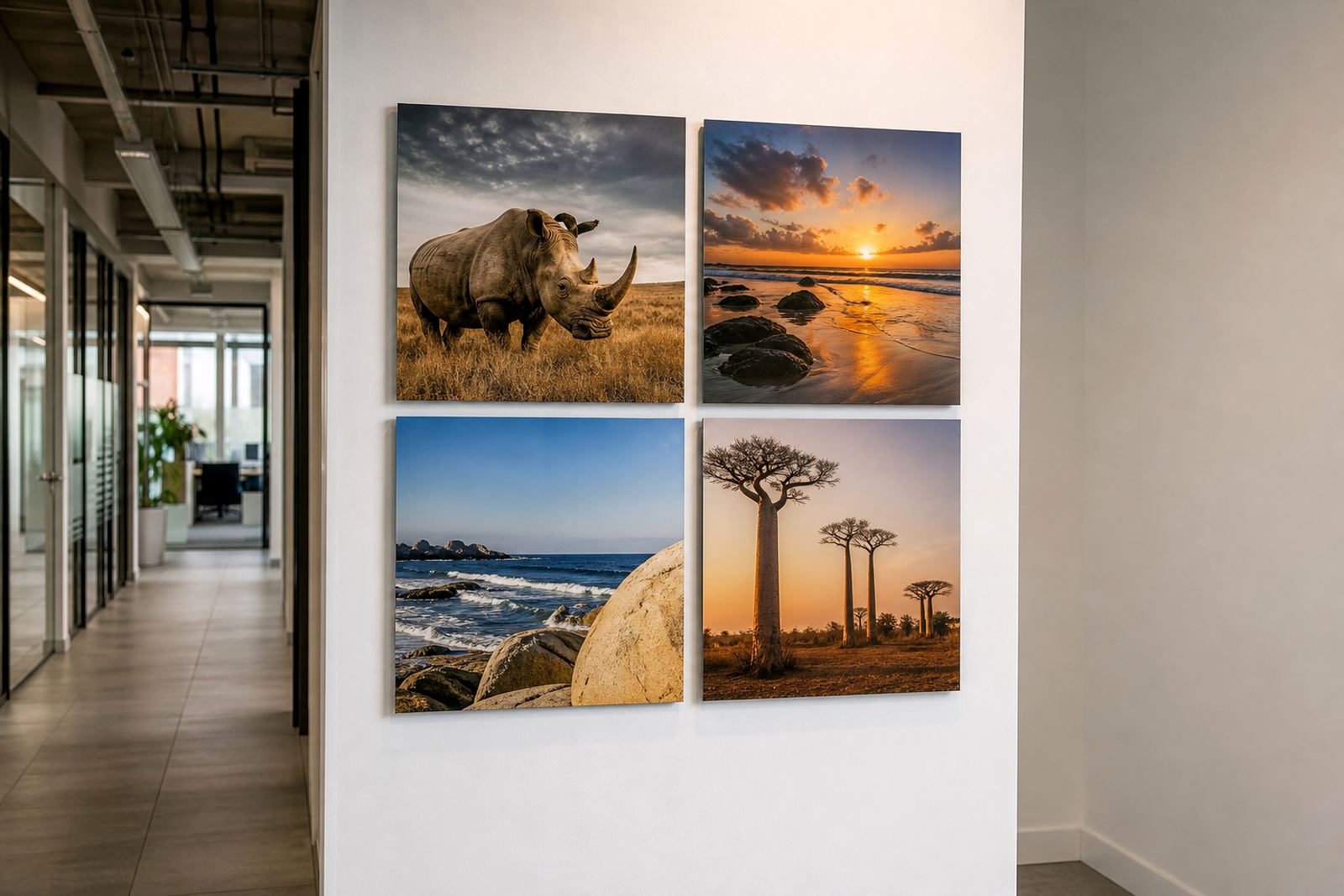
Our metal print range includes compact panels for small rooms as well as larger statement pieces for lobbies, reception areas and feature walls. Custom sizing is useful when you need a panel to fit above a couch, into a staircase run or into a neat corporate grid. When the wall has an awkward shape, we can help plan the crop so the composition still holds together.
As a rule, the viewing distance matters. A panel viewed close up needs cleaner source detail than one seen across a room. That is why we review image resolution before recommending a final size, rather than just stretching the file and hoping for the best, which usually ends badly.
Ways to hang it neatly
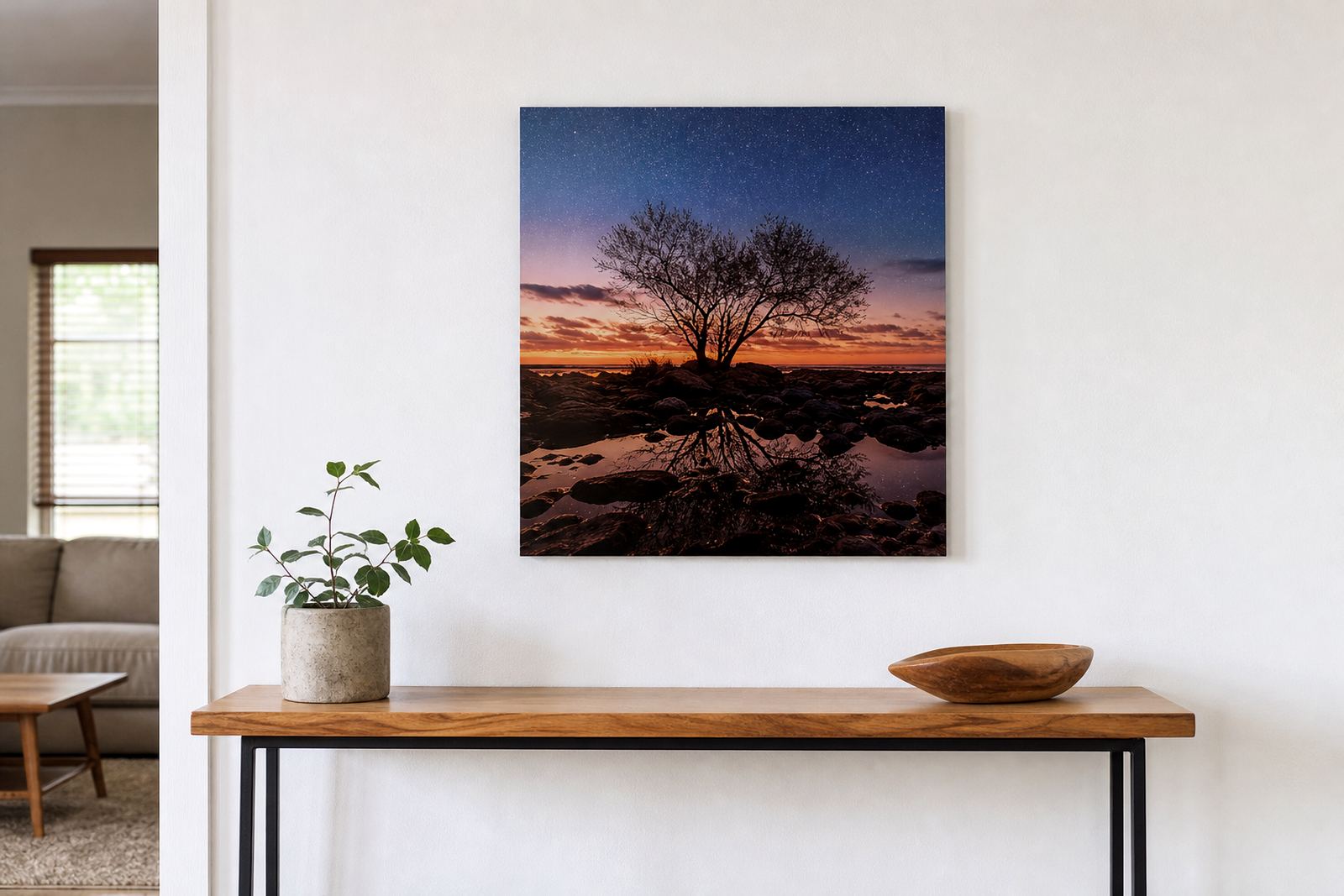
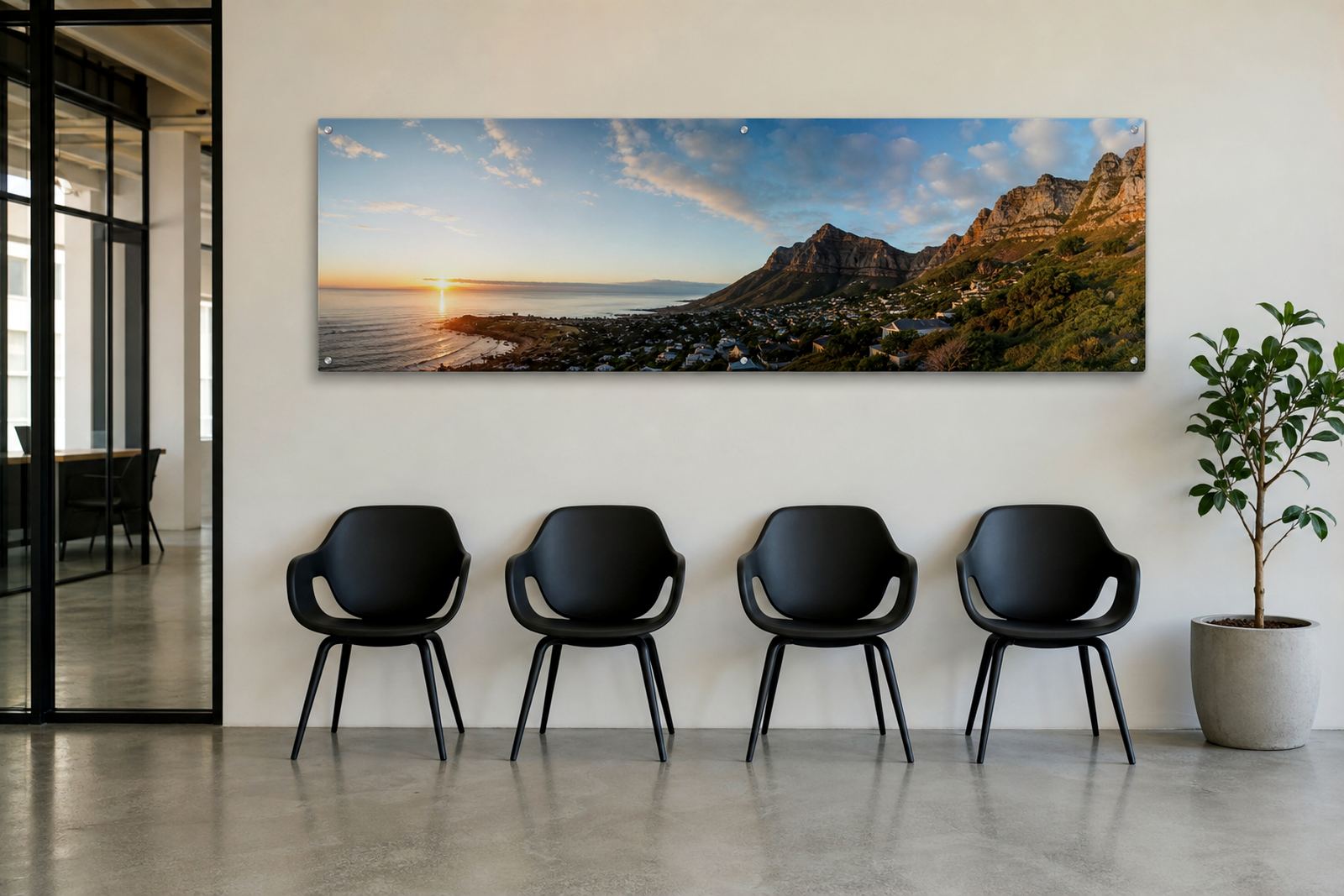
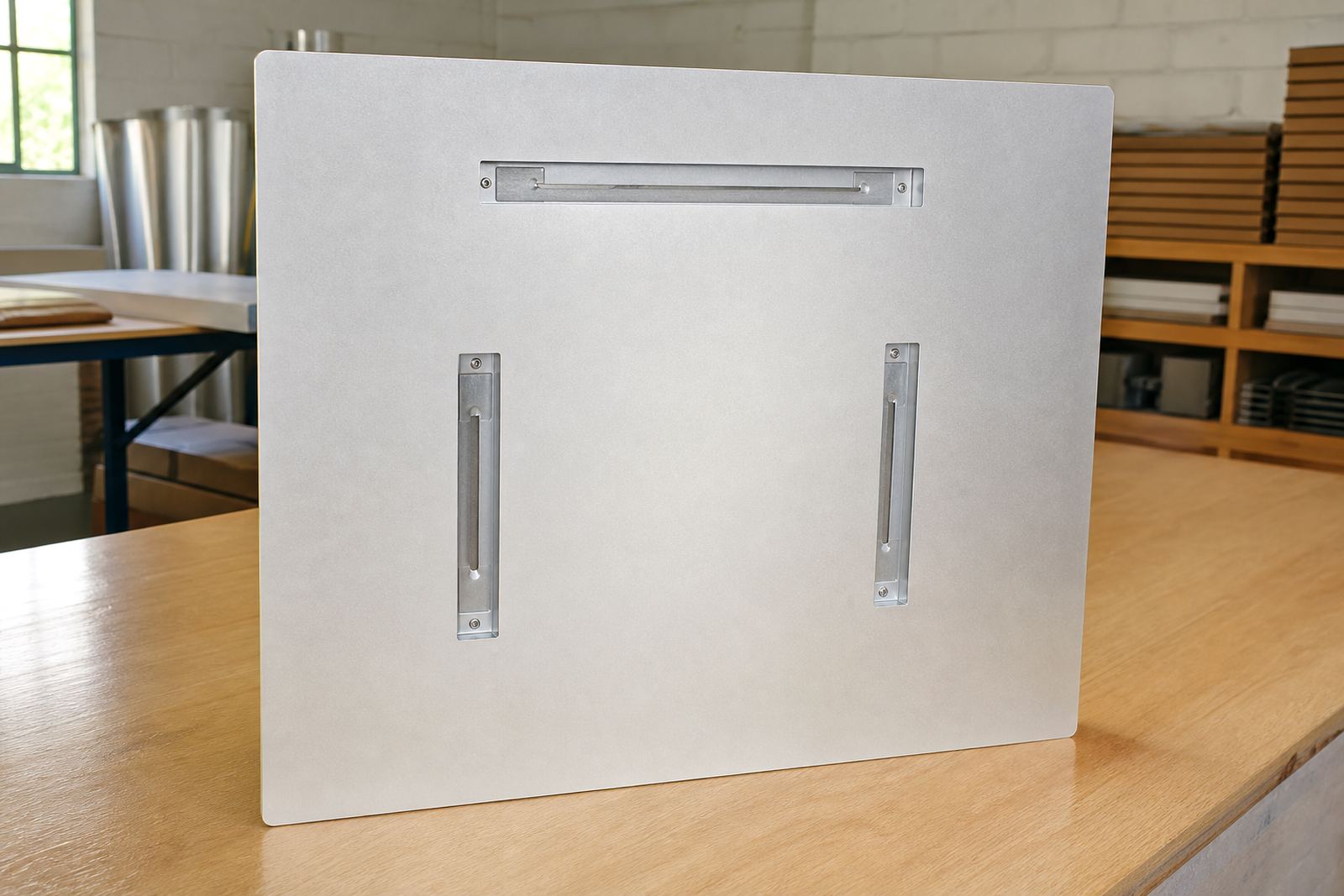
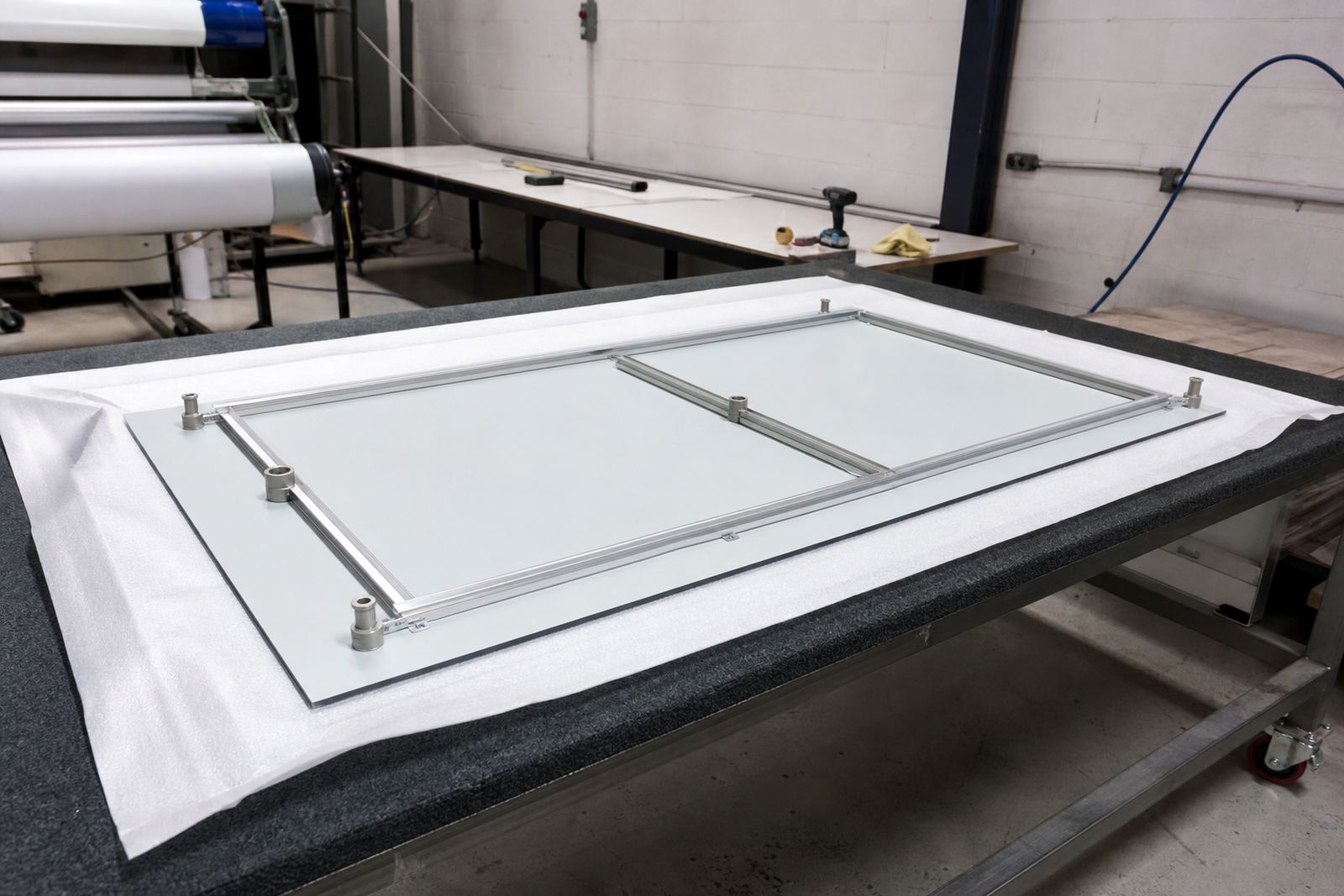
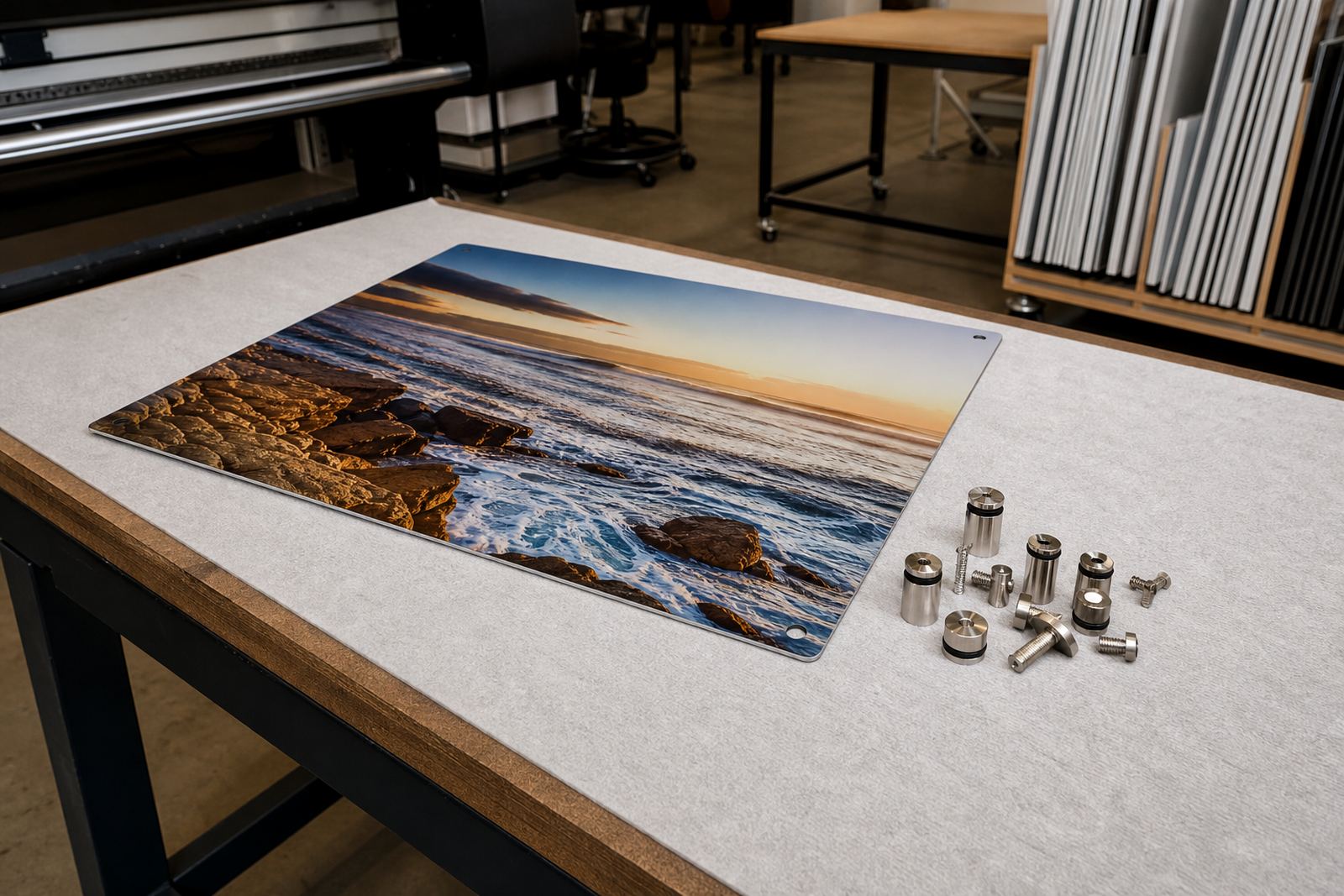
Different spaces call for different mounting options. Some panels work best with hidden standoffs, while others suit a flush finish or a framed presentation. The choice depends on the panel size, wall surface and the look you want in the room. In busy offices or public areas, secure hanging hardware is worth taking seriously so the panel sits level and stays put.
- Hidden mounting for a clean floating look
- Standoff fittings for a more architectural finish
- Flush options for low profile display
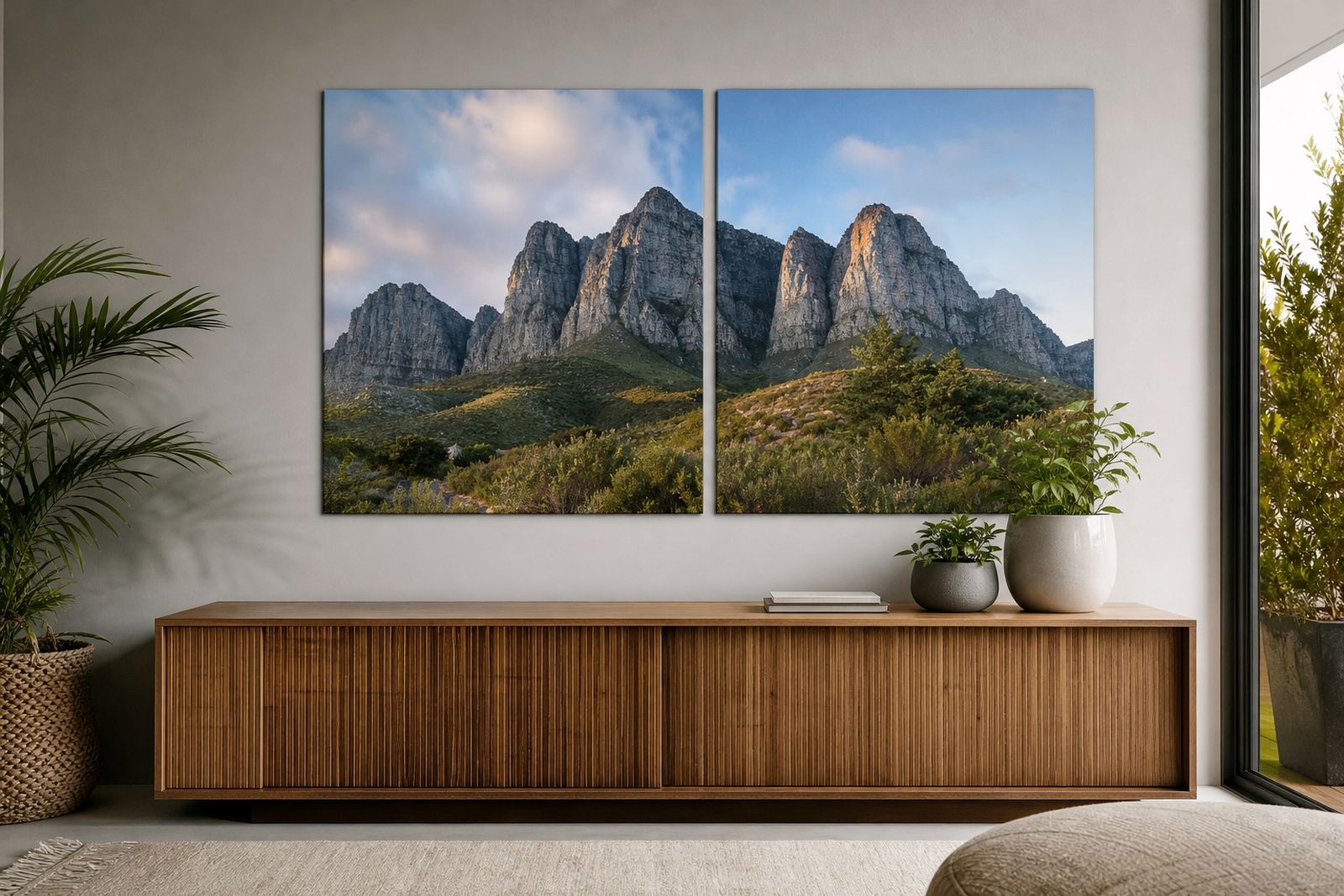
- Multi panel layouts for repeated images or a triptych style
What photographers and businesses usually ask for
Photographers often want accurate skin tones, clean blacks and fine detail across a range of image sizes. Businesses usually look for brand images, interior decor pieces or wayfinding visuals that feel polished in a meeting room or showroom. Artists may prefer a brushed or matte finish when texture matters more than pure gloss.
We can also help with test panels, reprint matching and colour preparation where a client needs several panels to read the same way across a set. That matters in homes, hotels, practices and retail spaces where consistency is visible straight away.
- Portraits and wedding imagery
- Fine art and exhibition work
- Brand visuals for offices and reception areas
- Interior decor panels for homes and hospitality spaces
Made in Randburg, sent across South Africa
Production happens in Randburg, Johannesburg, with packing and dispatch arranged for Gauteng and beyond. We supply Johannesburg, Pretoria, Sandton, Midrand, Cape Town, Durban and Gqeberha, with delivery options arranged according to order size and destination. Coastal humidity and transport handling are both considered when packing each panel, because a good print still needs to arrive in one piece.
Clients place enquiries through the enquiry form on our contact page and we then work through file checks, finish selection, sizing and delivery steps. That process keeps things orderly for single panels and larger runs alike, and it helps avoid delays when a job needs to move through production quickly.