
The base that keeps colour from wandering
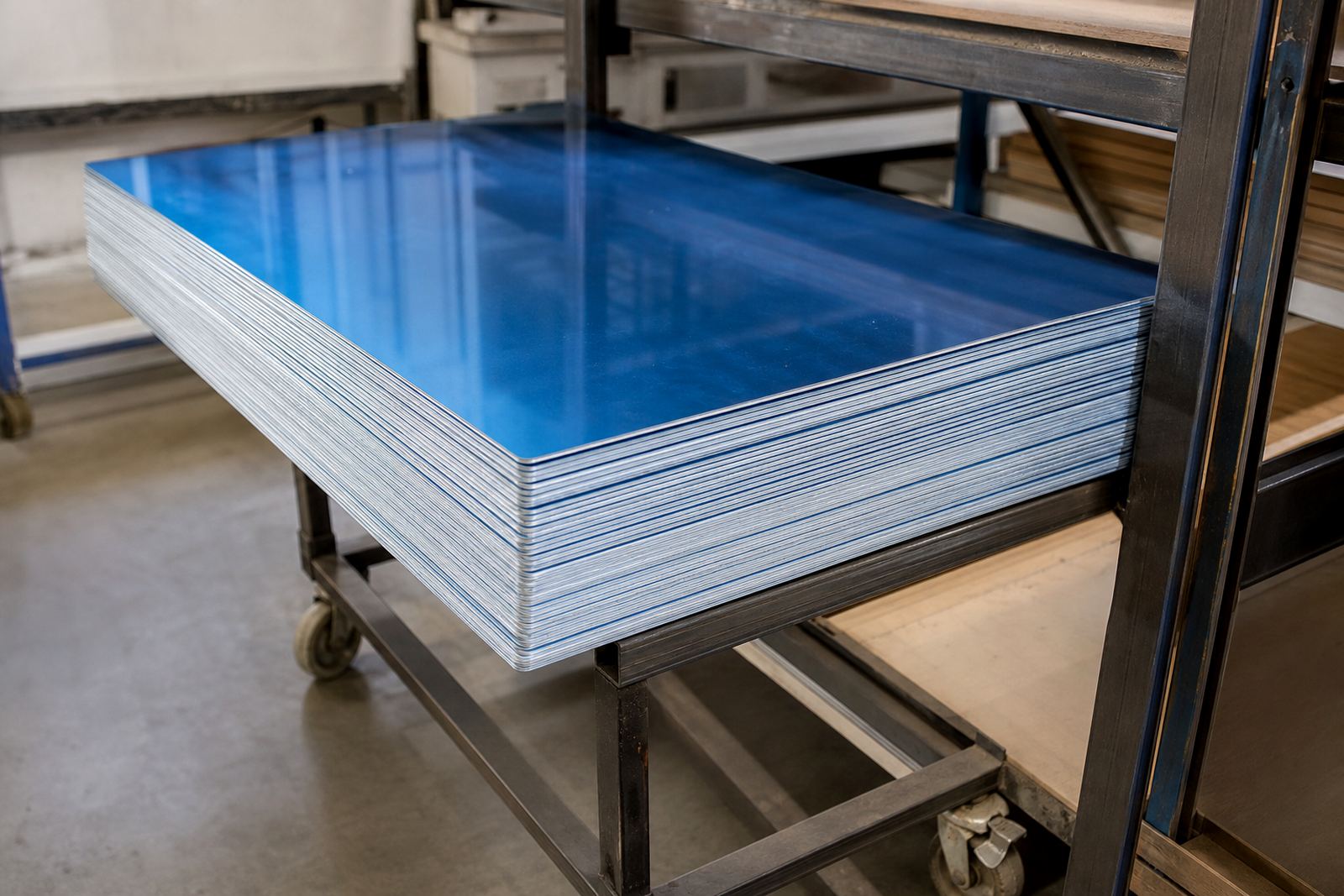
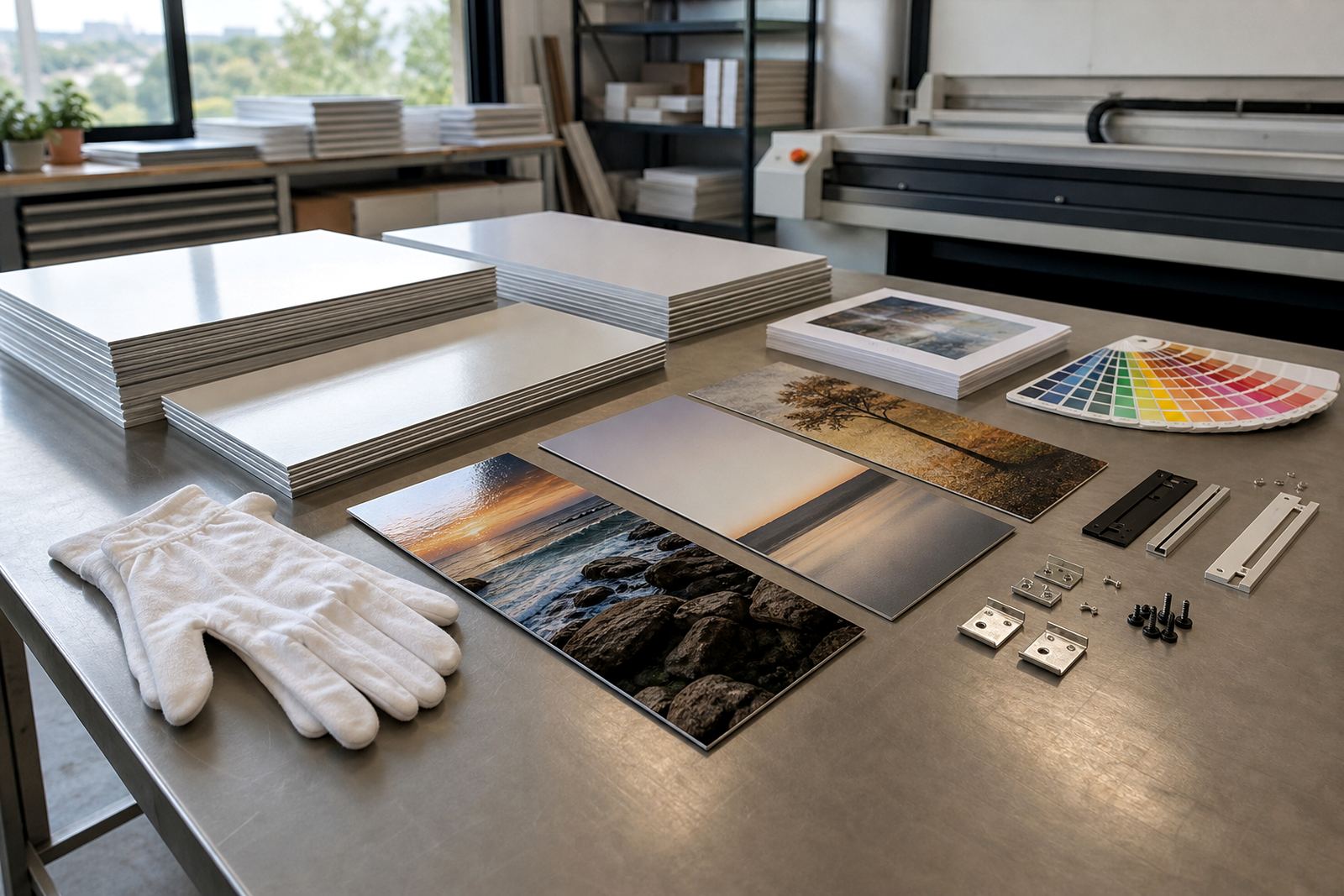
Coated aluminium is used because it gives dye sublimation a reliable surface to bond to. In the sublimation process, the image is transferred under heat and pressure into the coating on the panel, so the final result sits within the surface rather than on top of it. That matters when you want crisp edges, smooth tonal changes and strong colour without the texture of paper or canvas showing through.
For photographers in Johannesburg or Cape Town, this means skin tones, dark shadows and bright highlights can hold together better on a properly prepared panel. The aluminium sheet itself stays flat and stable, which helps reduce warping and keeps the finished piece neat on the wall.
It also helps that aluminium does not absorb moisture the way some traditional display materials do. In humid coastal areas like Durban, that can make a real differnce to how the panel behaves over time.
Why the coating matters more than people think
The metal alone is not what takes the picture. The coating is the working surface, and its quality affects how the ink turns out, how evenly the image transfers and how the colour reads under indoor light. A good coating supports a cleaner print with better consistency across the panel, including the corners and edges.
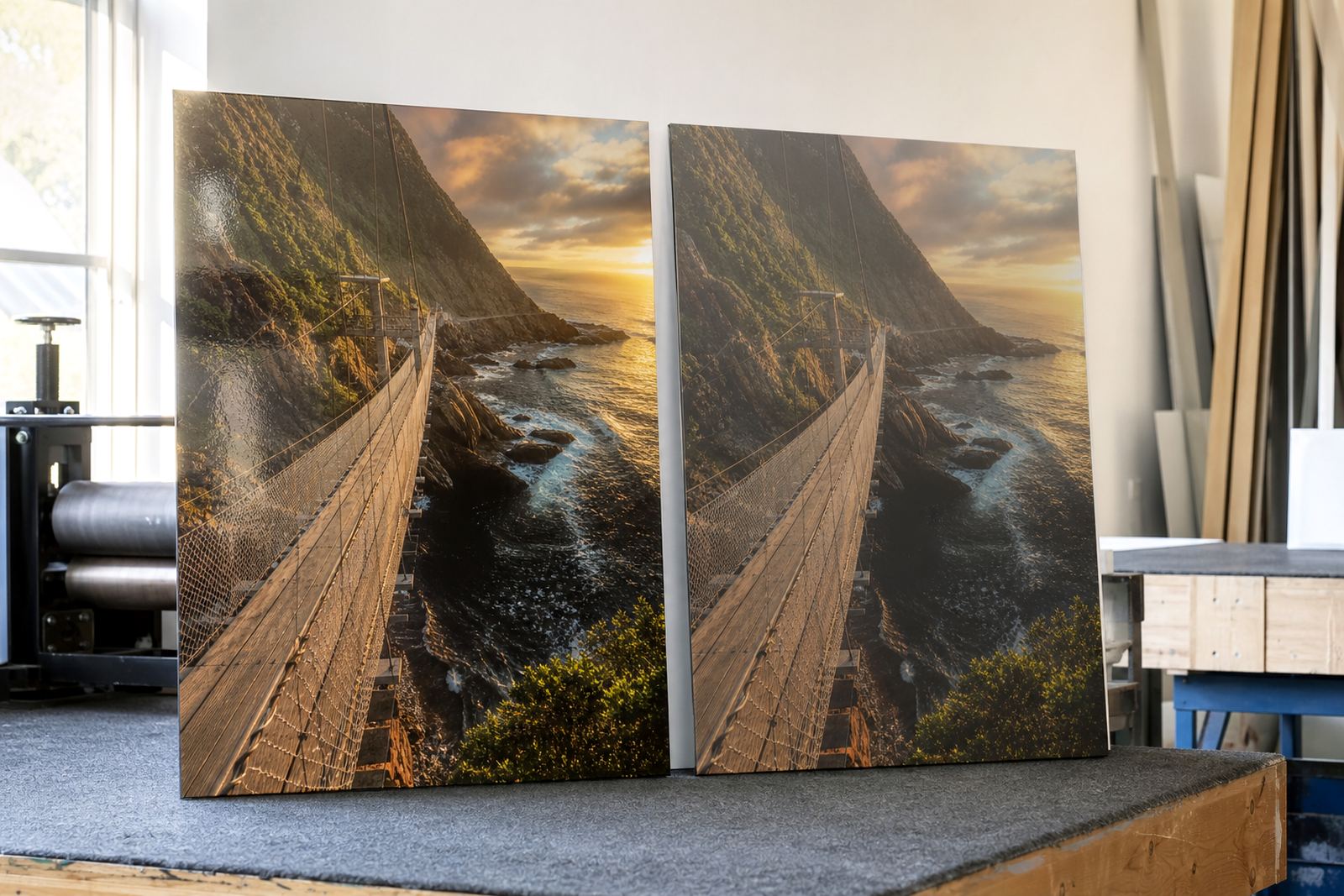
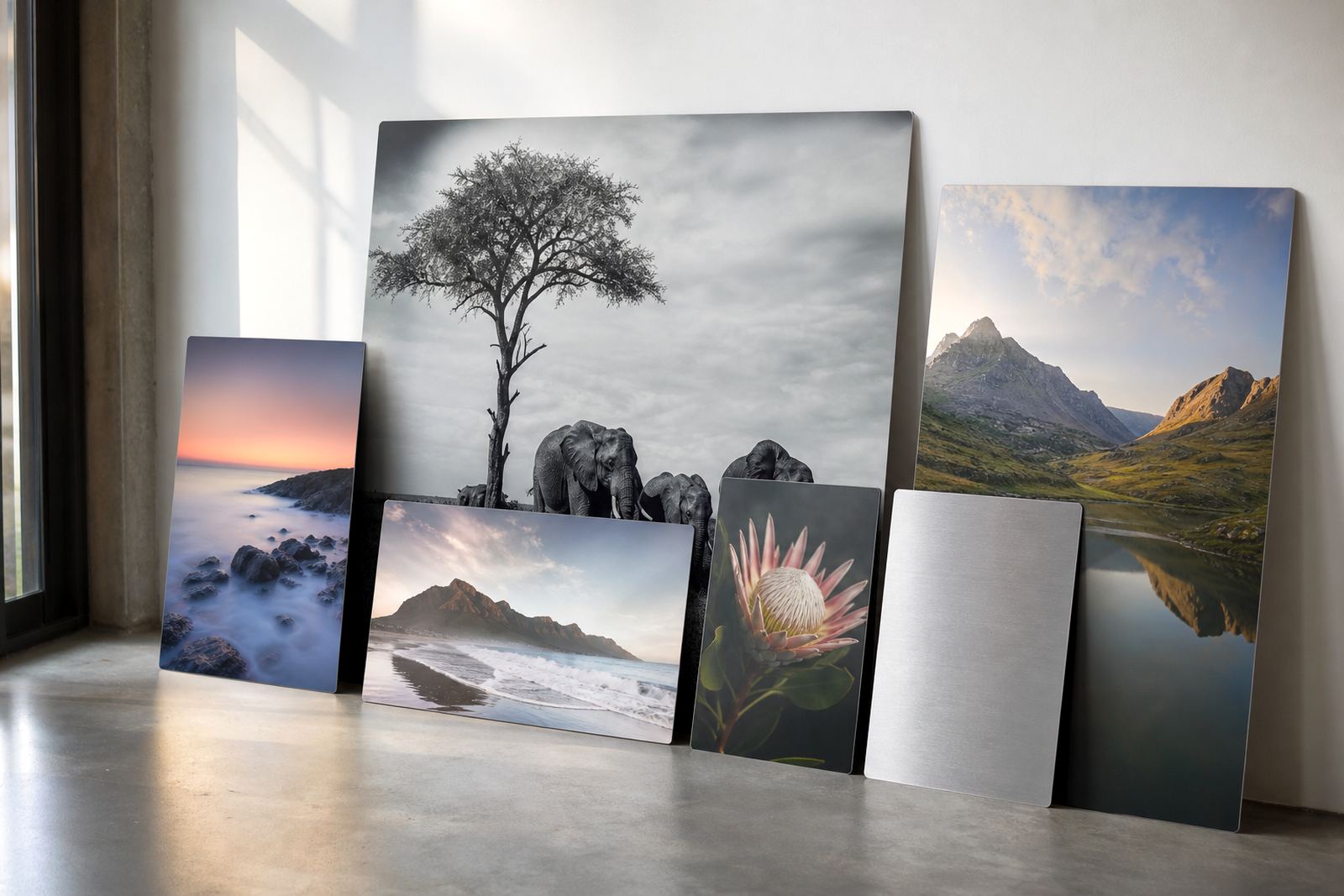
Different coated panels can be chosen for different looks. Gloss gives a bright, punchy appearance with a reflective sheen. Matte reduces glare and works well where light falls directly on the wall. White coated panels are best for full-colour images with accurate whites and bright saturation, while brushed finishes let some of the metallic texture show through for a more industrial look, especially on graphics, architecture shots or monochrome work.
- Gloss for bold colour and strong visual impact
- Matte for reduced reflection in offices, passages and gallery spaces
- White for full-colour photo work with clean tonal balance
- Brushed for a metallic character that suits certain art and brand pieces
What coated aluminium does well in local spaces
South African interiors are not all the same. A panel going into a boardroom in Sandton faces different light and handling than one hanging in a family home in Randburg or a restaurant near the coast. Coated aluminium works well because it is light enough to hang securely yet solid enough for repeated movement during packing and installation.
It also suits places where cleaning matters. Dust, fingerprints and light marks can usually be wiped away with a soft cloth, as long as the surface is treated carefully. That is useful in offices, receptions and retail areas where appearance needs to stay neat without a lot of fuss.
A panel does not rely on glass framing or fragile layers that can loosen with heat changes. The image stays on a firm surface, which is helpful when displays are moved between rooms or stored for events.
Resolution, file prep and the point of sharp edges
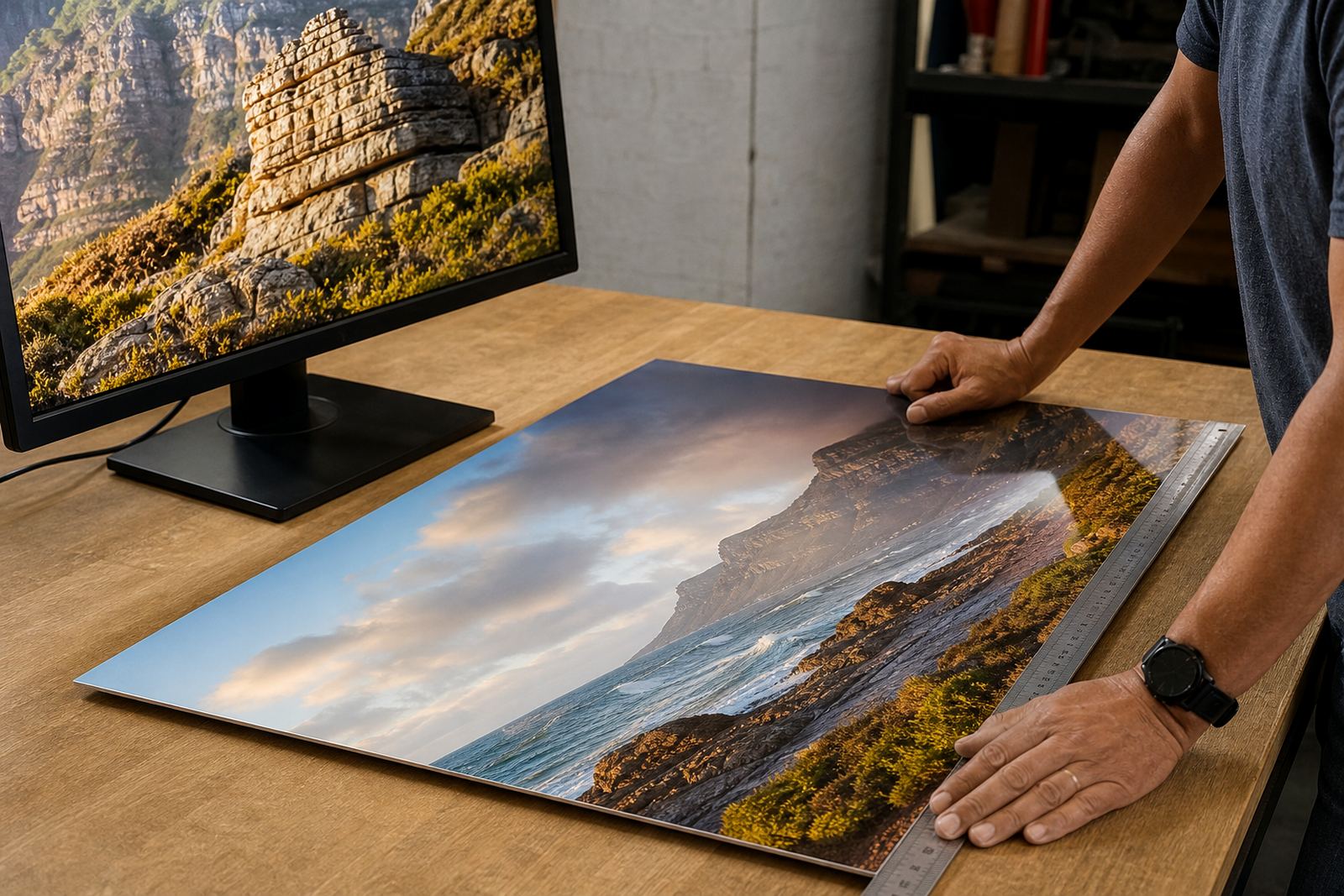
Coated aluminium is unforgiving of weak files. If the image is soft, pixelated or poorly cropped, the panel will show it. That is why resolution review, crop planning and colour preparation matter before printing begins. A sharp file lets the process capture fine detail in hair, fabric, lettering and building lines without stretching the image or losing clarity.
As a practical guide, the file should be large enough for the final panel size and prepared at the correct proportions. Small image files can look fine on a phone screen and still print poorly on a large panel. We also check for border allowance, dark areas that may block up and whites that should stay clean.
- Use the highest quality original file available
- Check that the crop suits the final panel size
- Make sure the image is not over-compressed
- Confirm that you have the rights to use the image you send
That last point matters. Customers must own the image or have permission to reproduce it, whether the panel is for a business wall, a sale, or a personal space.
Mounting and finish choices that match the wall
The value of coated aluminium is not only in the print surface. It also supports neat mounting options that suit the way the panel will be used. Floating mounts can create a clean gap from the wall. Standoff fittings suit feature pieces where the hardware is part of the display. Hidden brackets keep the focus on the image itself.
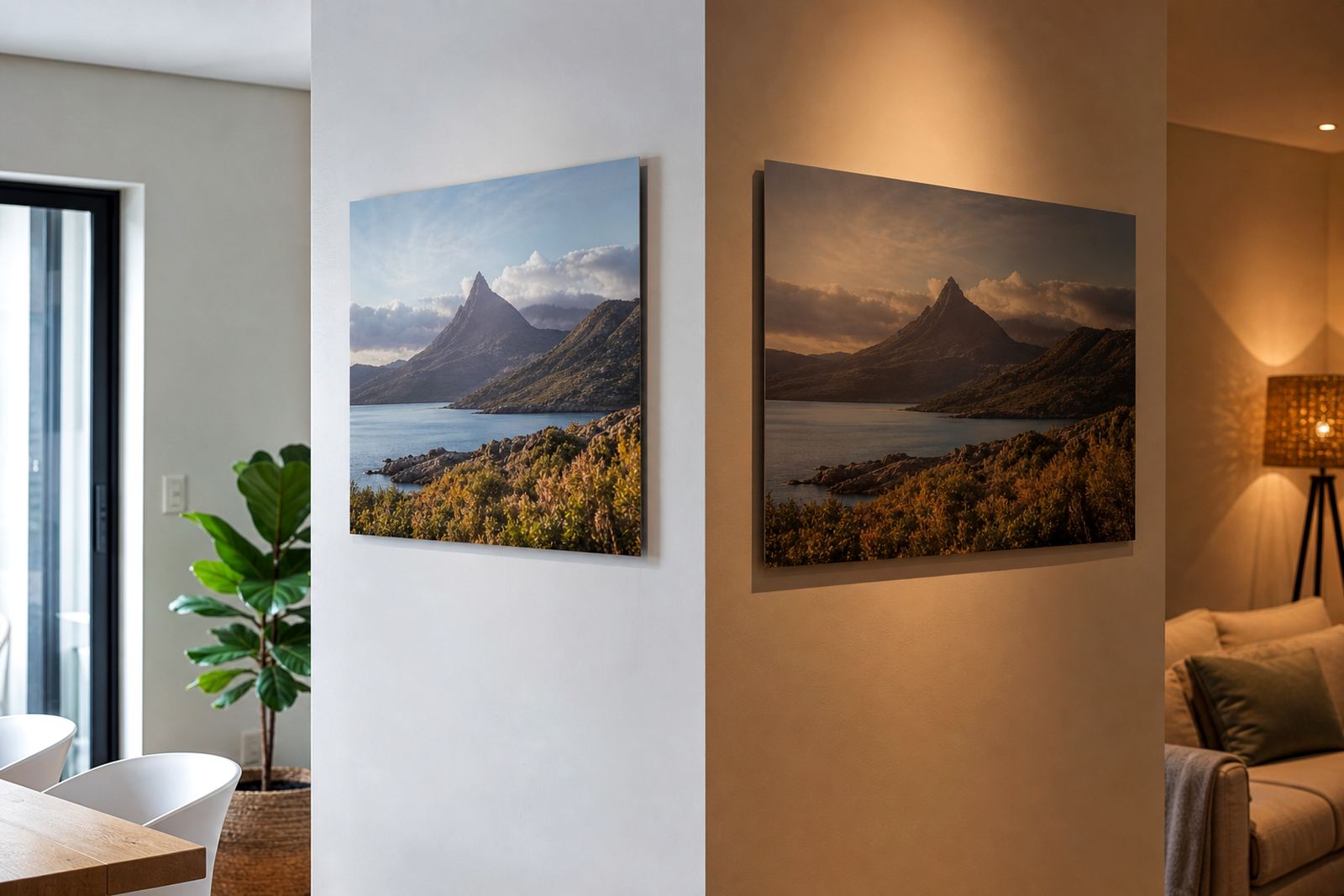
Finish selection should follow the light in the room and the purpose of the panel. A glossy family portrait may look excellent in a shaded passage, but the same surface can reflect too much light near a window. A matte landscape can be better for bright reception areas. For branded interiors, brushed panels can support an understated, professional look without adding glare.
We also advise on multi panel layouts, where one image is split across several aluminium sections. That format works well for wide city scenes, event photography and interior feature walls. Careful spacing and alignment are important, because even a few millimetres can affect the final line-up.
A Randburg example with real working conditions
Take a business in Randburg that wants a wall feature for its reception area. The space gets morning light, foot traffic and regular cleaning. A coated aluminium panel is a practical choice because it gives a crisp image, resists surface wear better than many softer display materials and can be mounted securely without bulky framing.
If the same client also wants matching panels for branches in Pretoria and Durban, colour preparation becomes even more important. Indoor light changes from site to site, and the finish may need adjusting for each location. That is why test panels and reprint matching are useful when a business wants a consistent look across several rooms or buildings.
In South African production, timing and delivery matter as much as appearance. Panels need to be packed carefully, protected from scratches and sent out in a way that suits local delivery routes. Coated aluminium helps here too because it is lighter than many framed alternatives and easier to move without damage.
When the surface, file and mounting are all handled properly, the result is a photo panel that looks clean, holds colour well and fits the space it is made for. That is the main reason coated aluminium stays popular for photographers, artists and companies that want something lasting, without a fussy finish.