
Permission comes first, not after the print is done
Before any image is turned into a sublimation aluminium panel, the maker or client must own the image rights or have clear permission to reproduce it. That applies to paintings, photographs, mixed media scans and commissioned work. If the image includes another artist’s work, a model, signage or a recognisable private property, the permissions must be in place before production starts, not once the panel is already mounted.
In practice, this protects everyone. A photographer in Randburg may have full rights to a portrait series, while a gallery buyer might only have display rights and not reproduction rights. The same rule applies to businesses using product shots, branding artwork or campaign visuals. If the rights are unclear, the safest move is to pause the order and verify it first.
- Ask who created the original image
- Confirm whether reproduction rights are included
- Check if any third-party content appears in the frame
- Keep written approval for commissioned work
A strong file starts with a clean original capture
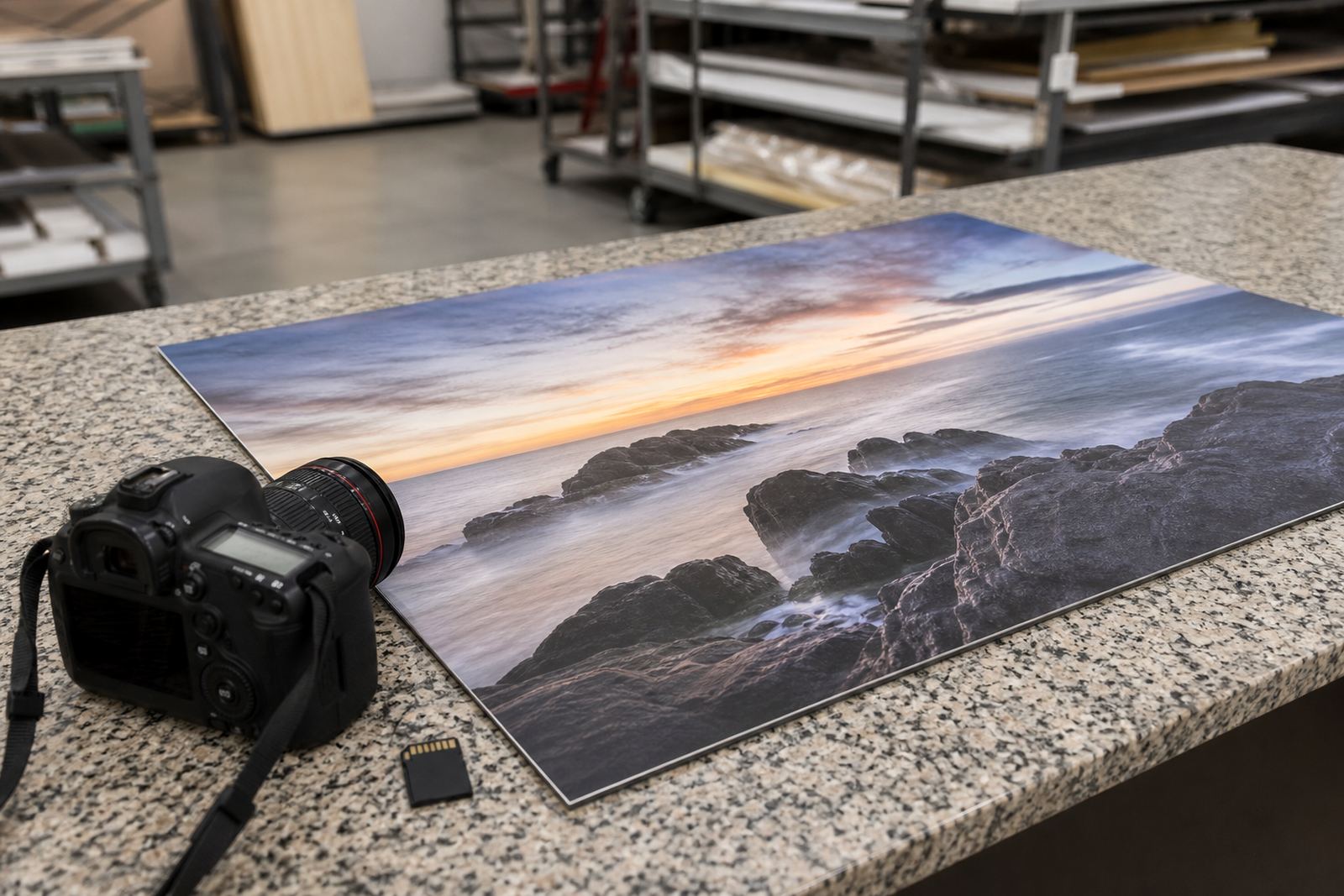
Aluminium reproduction shows detail well, so weak source files show up just as clearly. A file should be large enough for the finished size, with enough resolution to hold line work, skin tones and fine texture without softening. For most display work, aim for a proper high-resolution file rather than a compressed image pulled from social media or a phone gallery.
Images from cameras, scans or studio artwork photography usually give the best result. Files should be free of heavy noise, blur and aggressive sharpening. Colour balance matters too, because coated aluminium can make bright tones look especially vivid. If the original artwork is matte, glossy varnished or highly reflective, it helps to review the source under controlled light before printing. A slightly off white point can shift the whole print more than people expect, and yes it shows on metal.
- Use the largest original file available
- Avoid screenshots and low quality web exports
- Check focus on fine edges and text
- Keep colour profiles consistent where possible
Finish choice changes how the artwork reads in a room
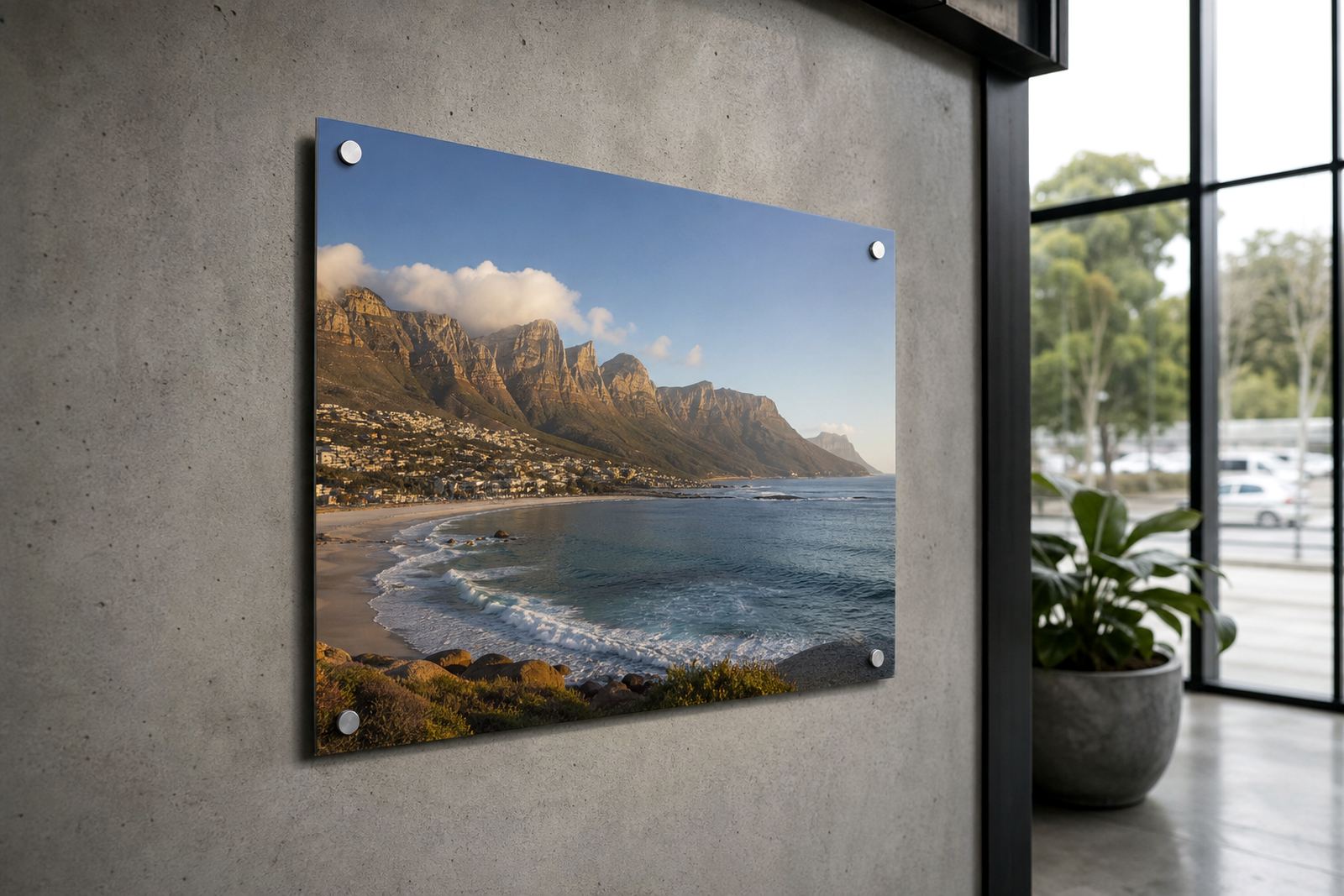
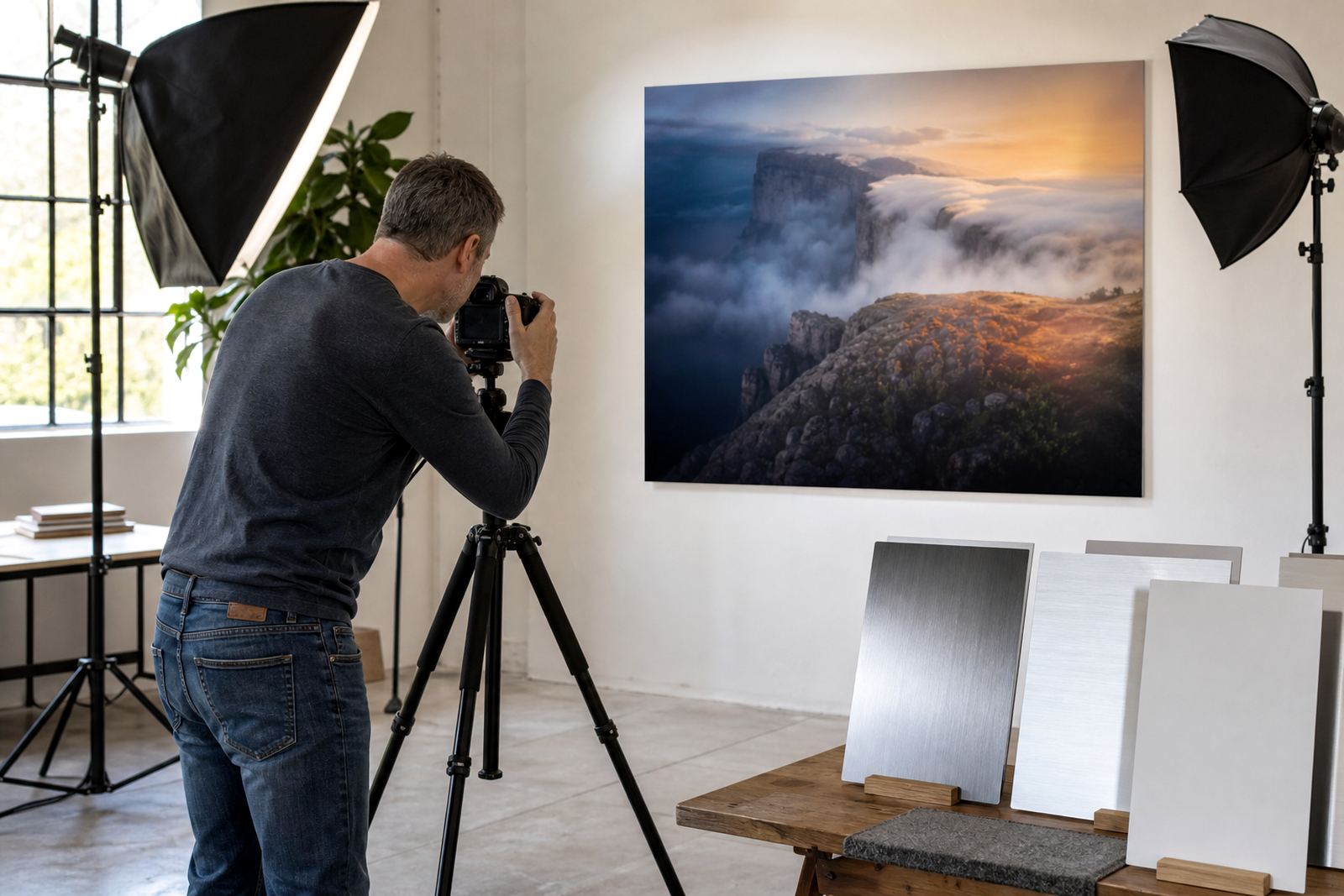
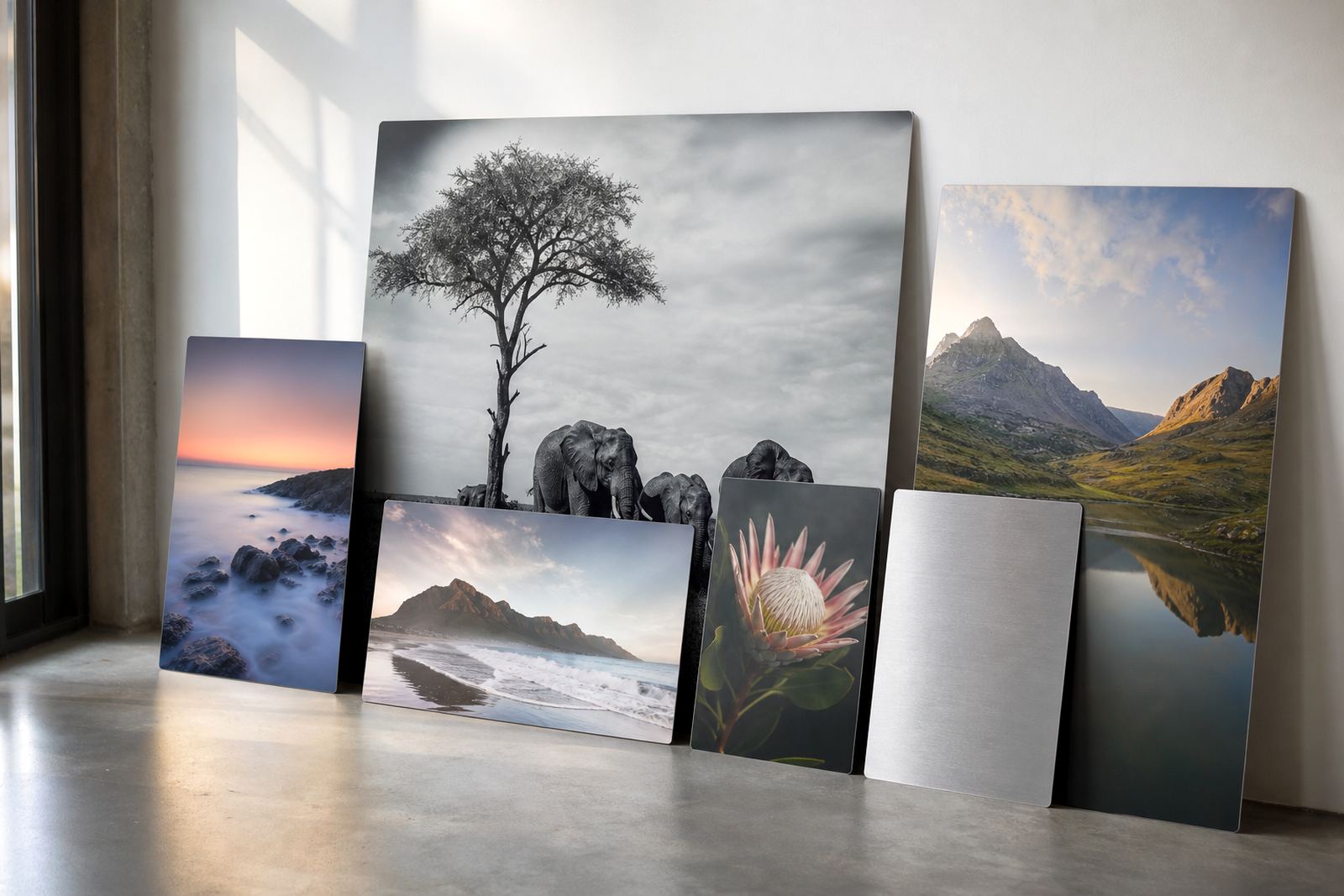
Coated aluminium panels can be finished in gloss, matte, white or brushed looks, and each one changes the character of the image. Gloss brings out contrast and colour depth, which works well for bold photography and high-impact commercial pieces. Matte reduces reflections and is often better for galleries, reception areas and offices with strong daylight or overhead fittings. White coated panels suit full-colour reproduction, while brushed metal can leave selected areas of the image with a metallic effect that suits industrial or contemporary art.
In Johannesburg offices with big windows, matte often saves a lot of glare. In a Cape Town home near the coast, the finish decision may also be about cleaning and how often the panel will be handled. Coastal humidity does not trouble the metal panel itself much, but the framing, wall fixings and storage conditions still matter. A proper finish choice is not cosmetic only, it changes where and how the work can live.
- Gloss for vivid colour and strong contrast
- Matte for low reflection and calmer viewing
- White for full tonal accuracy
- Brushed for a metallic character in selected areas
Sizing and crop planning should happen before the panel is cut
Once a panel size is fixed, the crop has to respect the image composition. Faces too close to the edge, signature marks, borders and text all need review before print. Reproduction work often fails when the artwork is simply resized without checking the edge space. That can trim a signature or shift the balance of the composition.
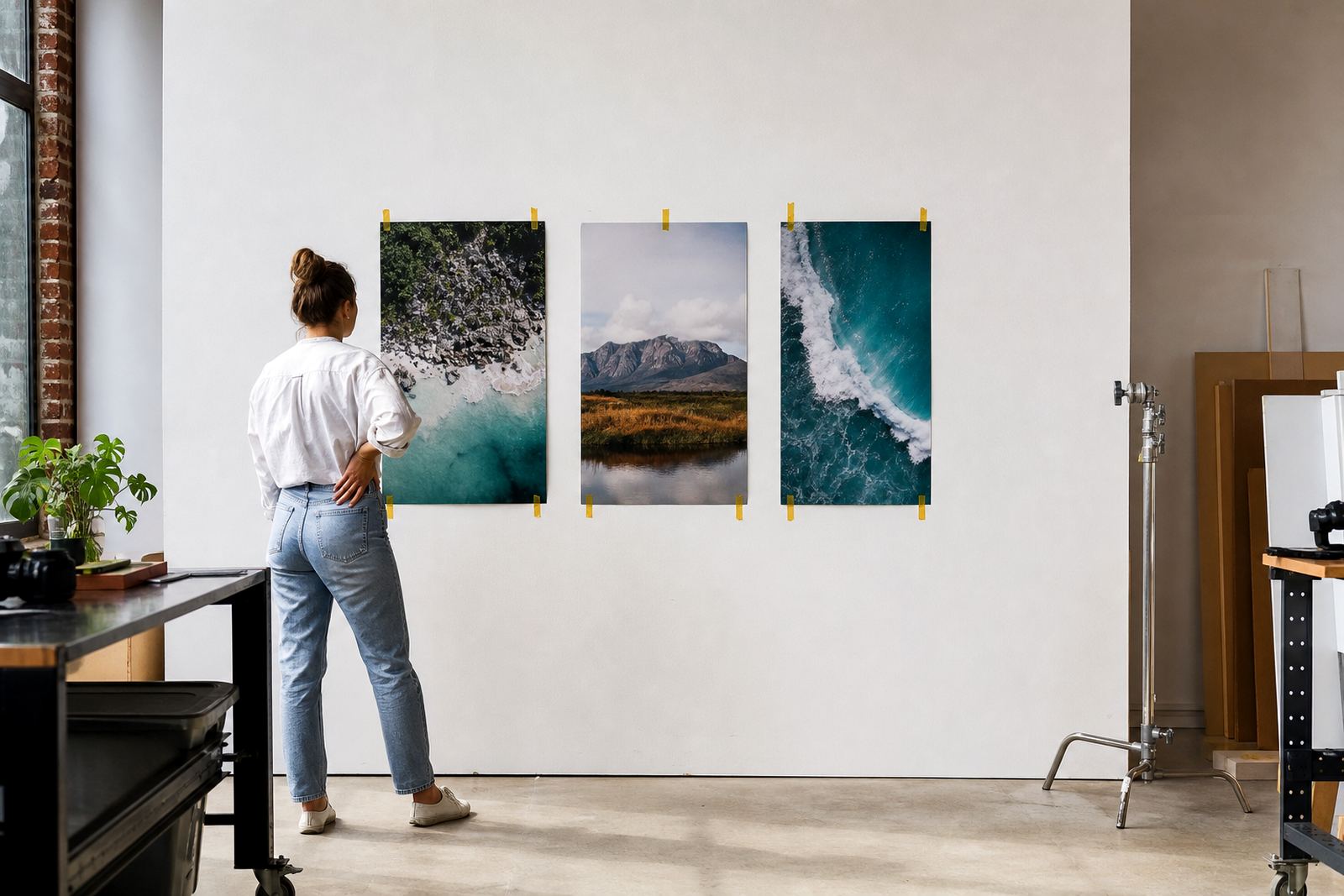
Custom sizing is useful when a client wants a single statement piece or a multi panel layout. In a Pretoria corporate foyer, for example, three aligned panels may suit a wide wall better than one large block. In a Durban hospitality space, a slim vertical format might fit a passage or staircase landing. The layout should be measured, marked and checked against the wall before production begins.
- Confirm the final wall size in millimetres
- Allow space for mounts and spacing gaps
- Check crop lines on text and signatures
- Plan orientation before cutting and printing
Hanging hardware has to match the wall, not just the art
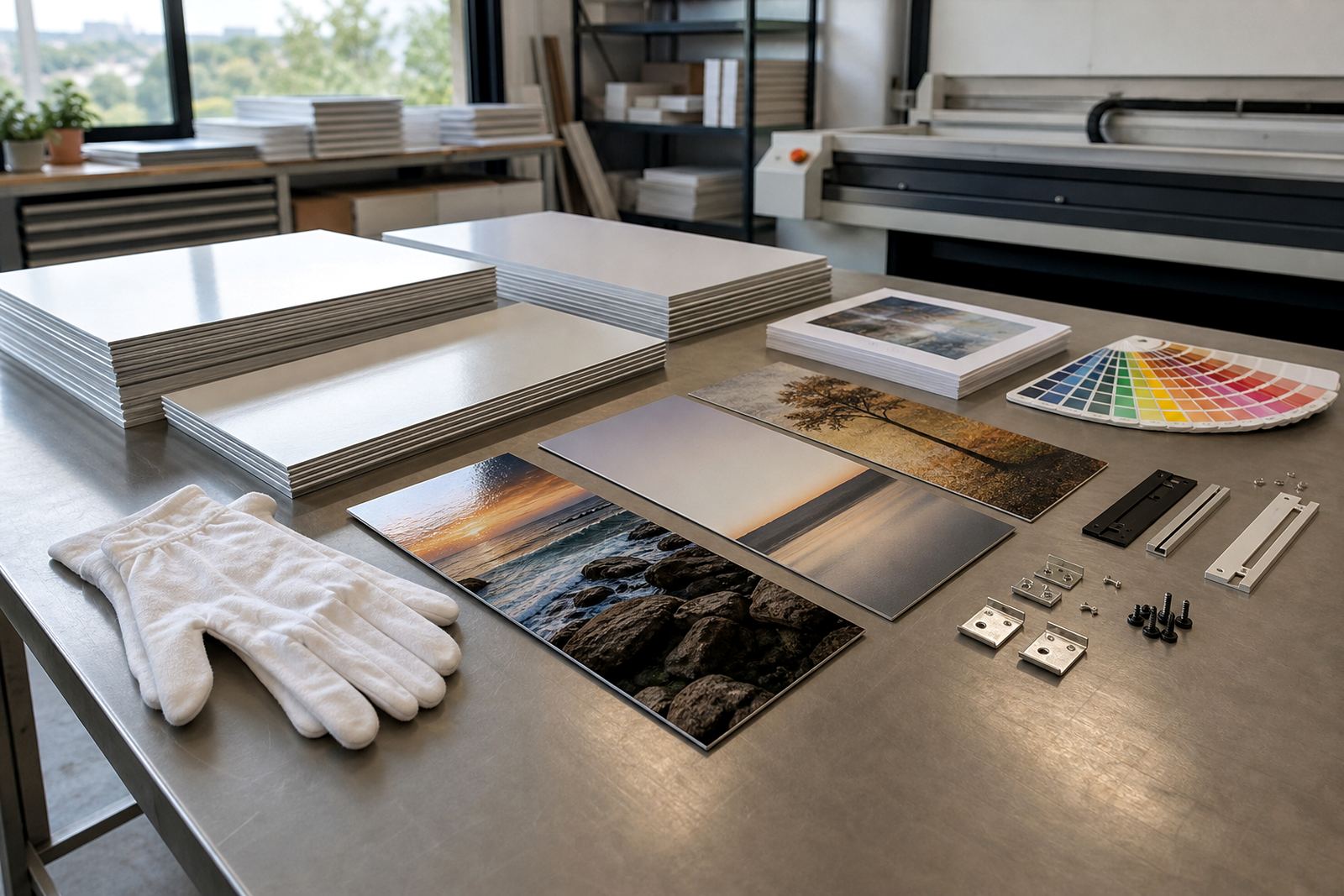
Good mounting is part of the reproduction job, not an afterthought. Aluminium panels can be supplied with suitable hanging hardware, but the fixing method should suit the wall type and the weight of the panel. Drywall, masonry and tiled surfaces all call for different anchors and care. If a panel is going into an office, foyer or retail space, the mounting should be secure enough for daily traffic and occasional cleaning.
Some jobs need hidden standoffs for a floating look, while others use flush fittings for a tighter fit against the wall. In multi panel layouts, consistent spacing matters as much as the image itself. A crooked mount can ruin a clean reproduction quicker than a colour shift. It sounds obvious, but it is often the part people forget until the last minute.
- Match fixings to drywall, brick or tile
- Check panel weight before selecting hardware
- Use level marks for multi panel sets
- Keep spare fittings for future rehanging
A Randburg example: a studio print for a gallery wall in Sandton
A local photographer from Randburg might send a portrait file for a Sandton client who wants a limited wall series in a boardroom. The first step is confirming that the photographer owns the image rights and that the client has permission to display the work. Next comes a file check, with resolution review, crop planning and colour preparation against the intended finish.
If the space has bright office lighting, matte may be the better choice. If the image relies on rich blacks and saturated colour, gloss may suit it better. For a brushed metal look, the image should be chosen carefully because certain highlights will interact with the metal grain. The point is to match the reproduction method to the picture, not force every file into the same treatment. That is where a test panel can save a lot of correction later on.
- Verify rights before any production begins
- Review file size and colour space
- Choose finish to suit the viewing light
- Use a test panel if the artwork is high value