

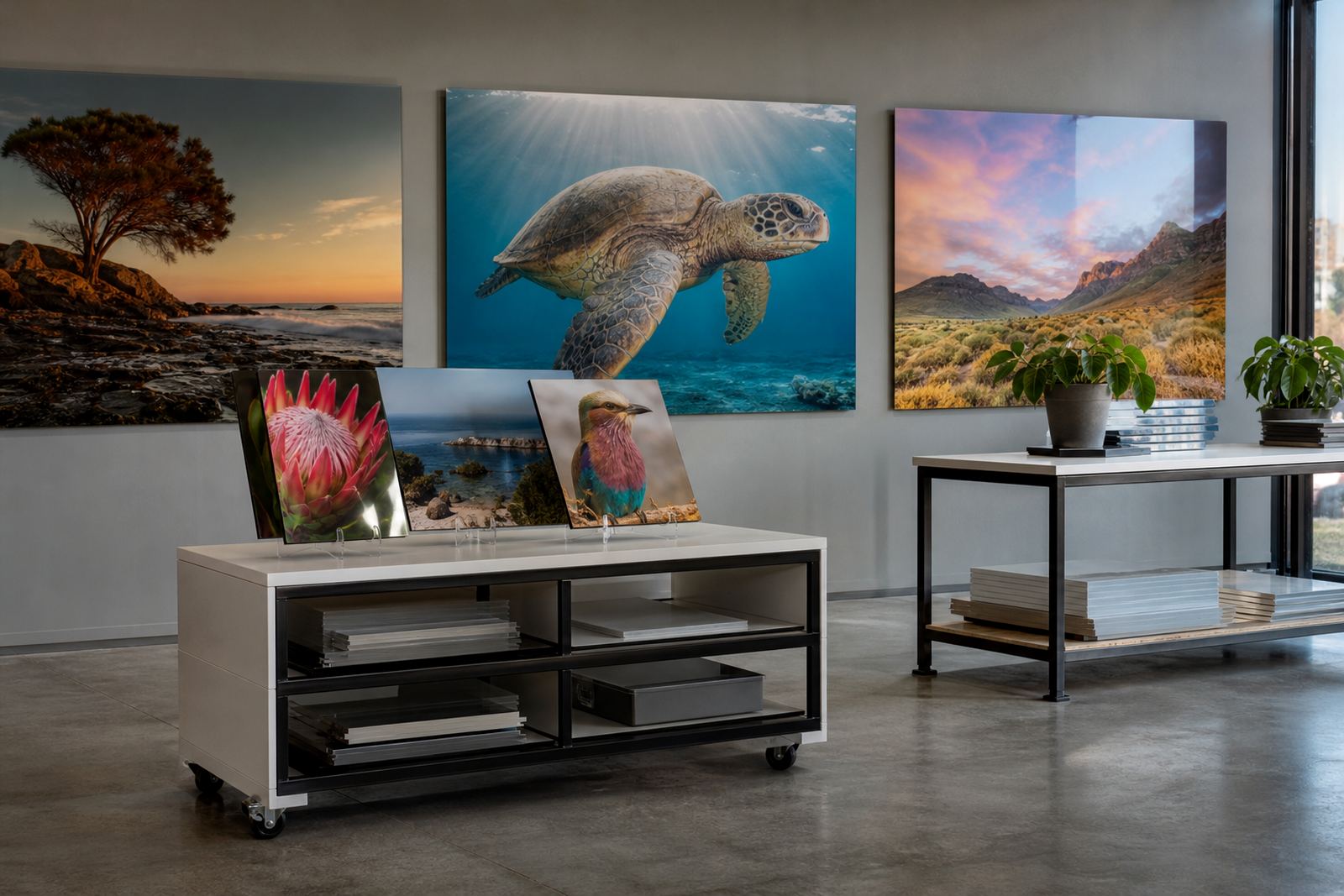
Rooms That Need More Than a Frame
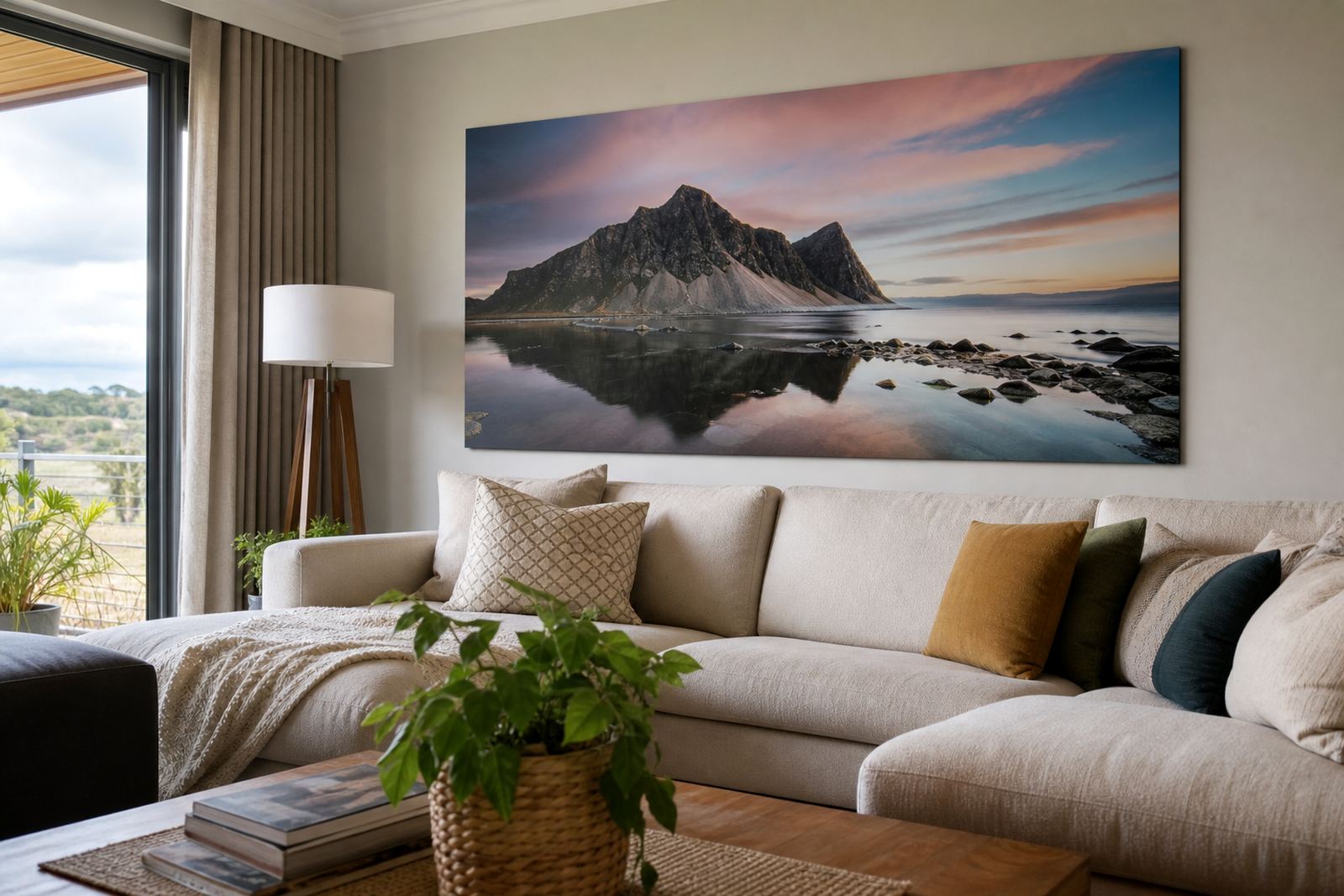
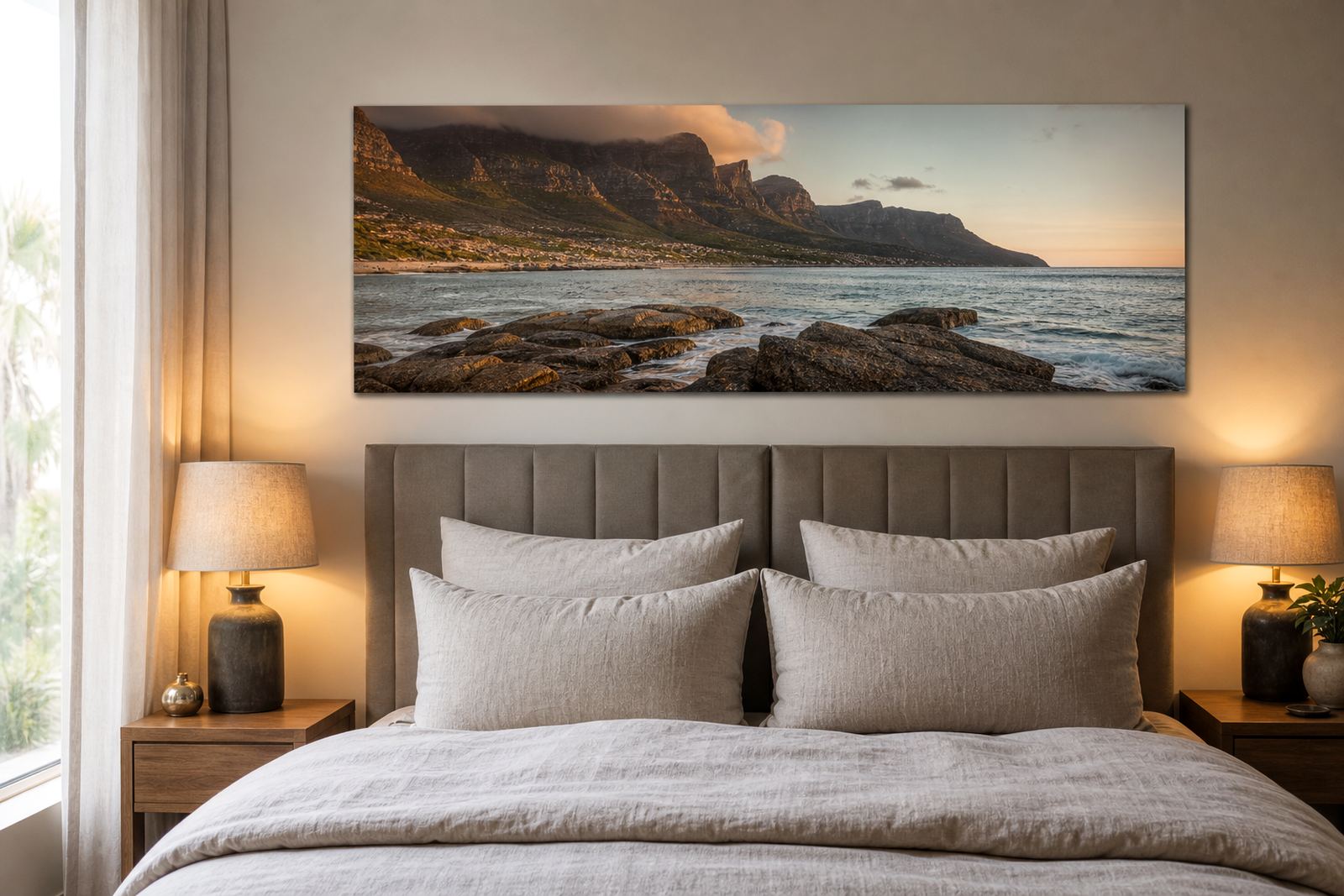
Aluminium photo panels work well where a printed piece needs to look clean, hold up in changing conditions and sit neatly against the wall. In a Randburg lounge, a Sandton reception area or a Cape Town apartment near the coast, the panel needs to suit the light, the wall colour and the amount of handling it will get.
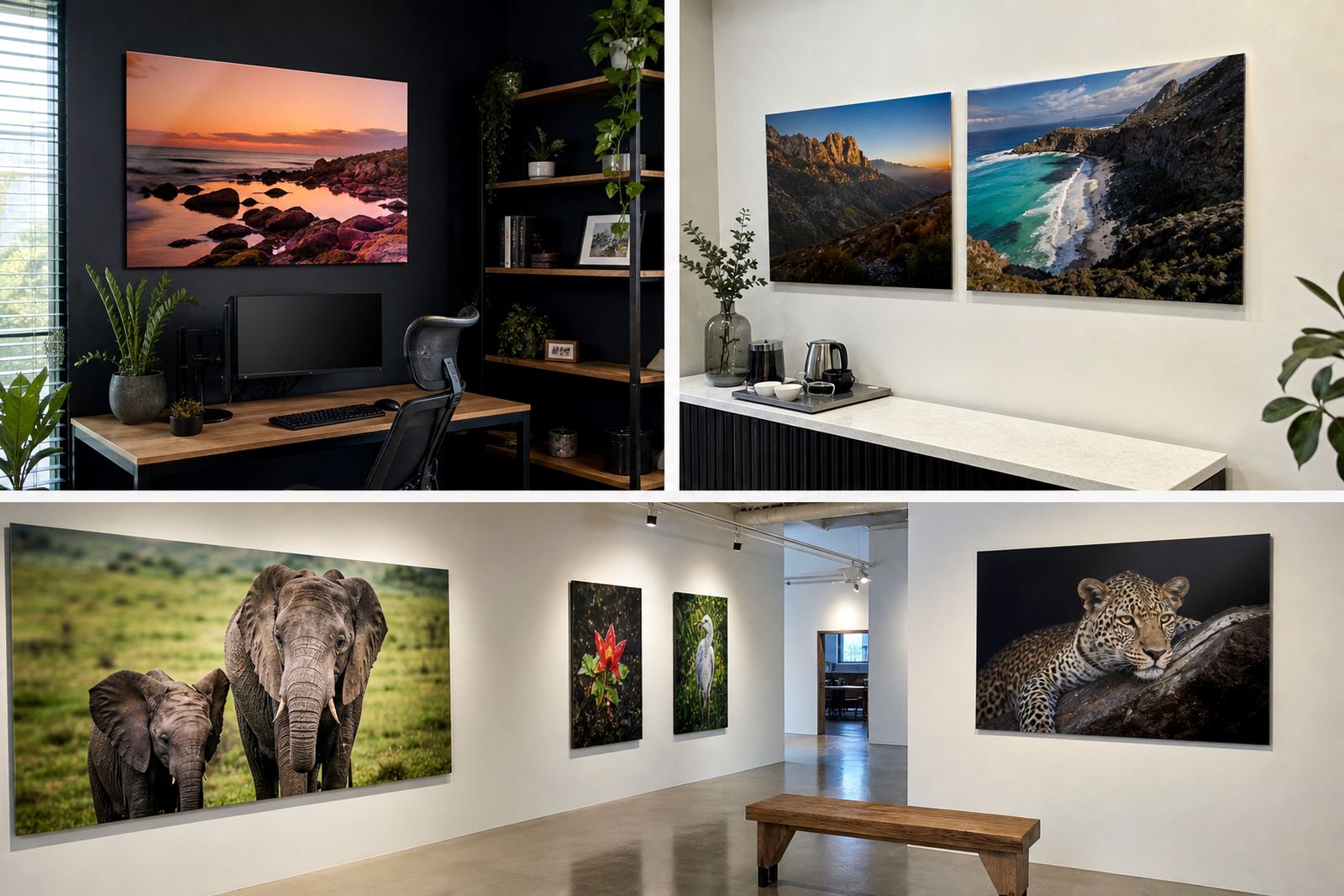
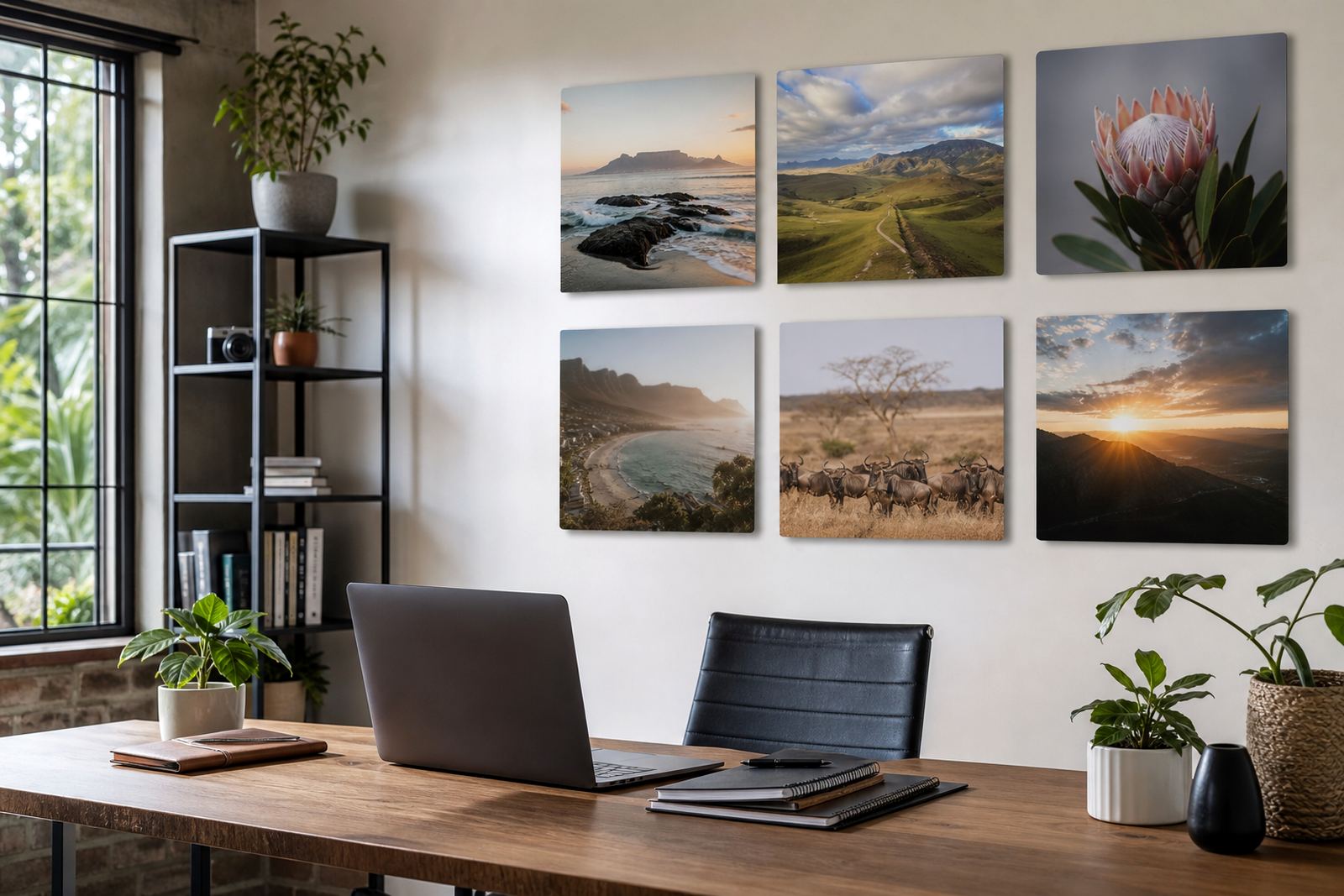
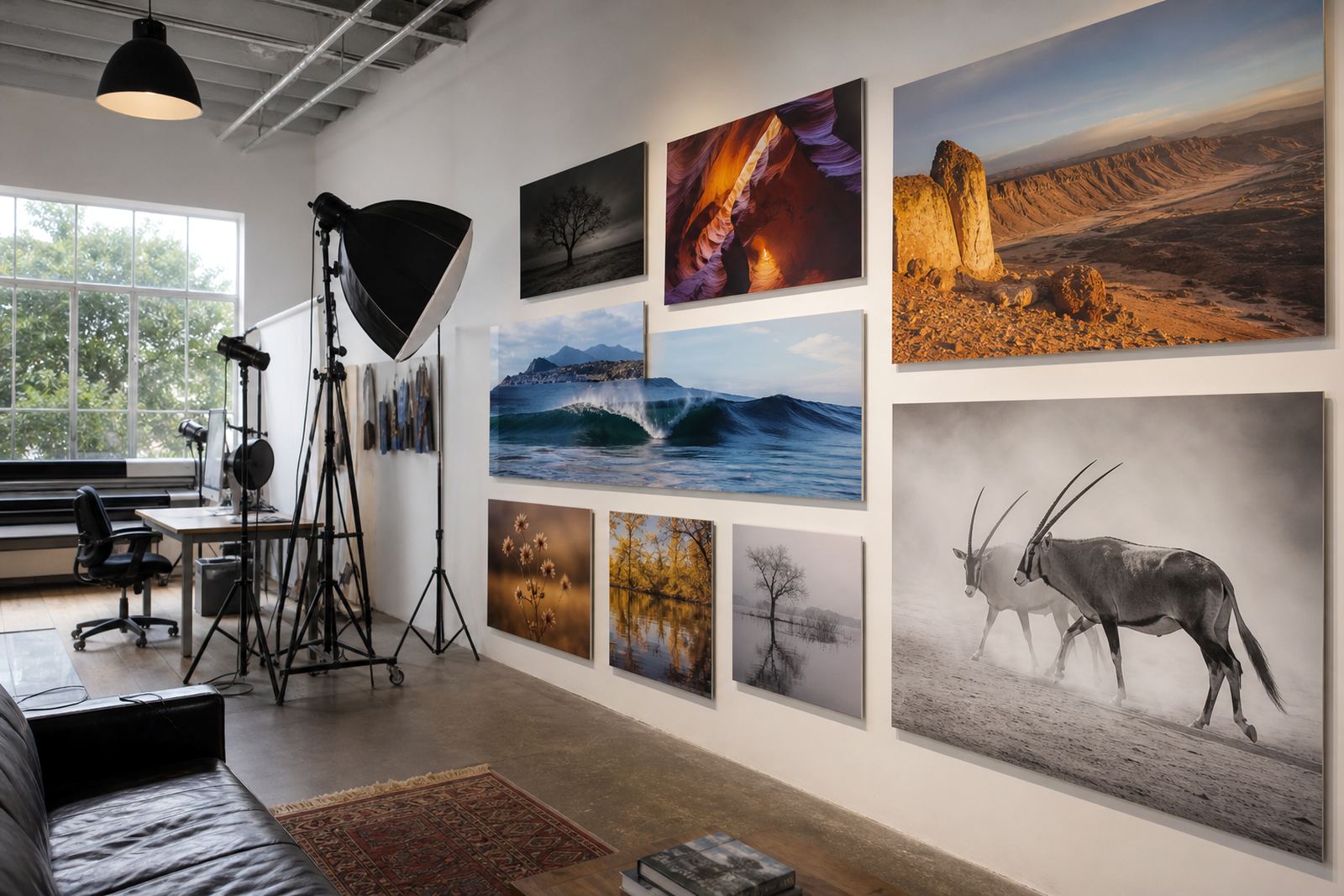
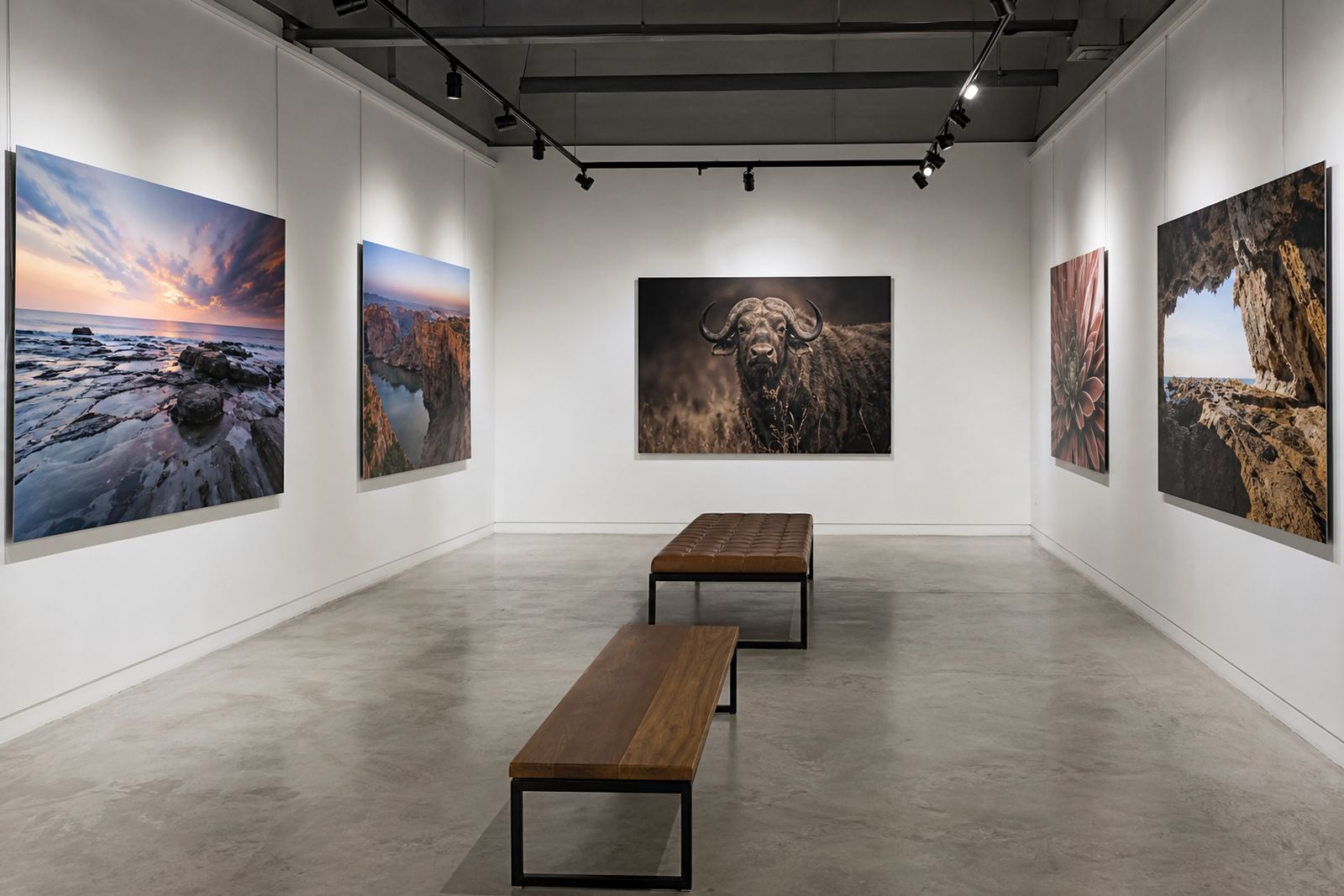
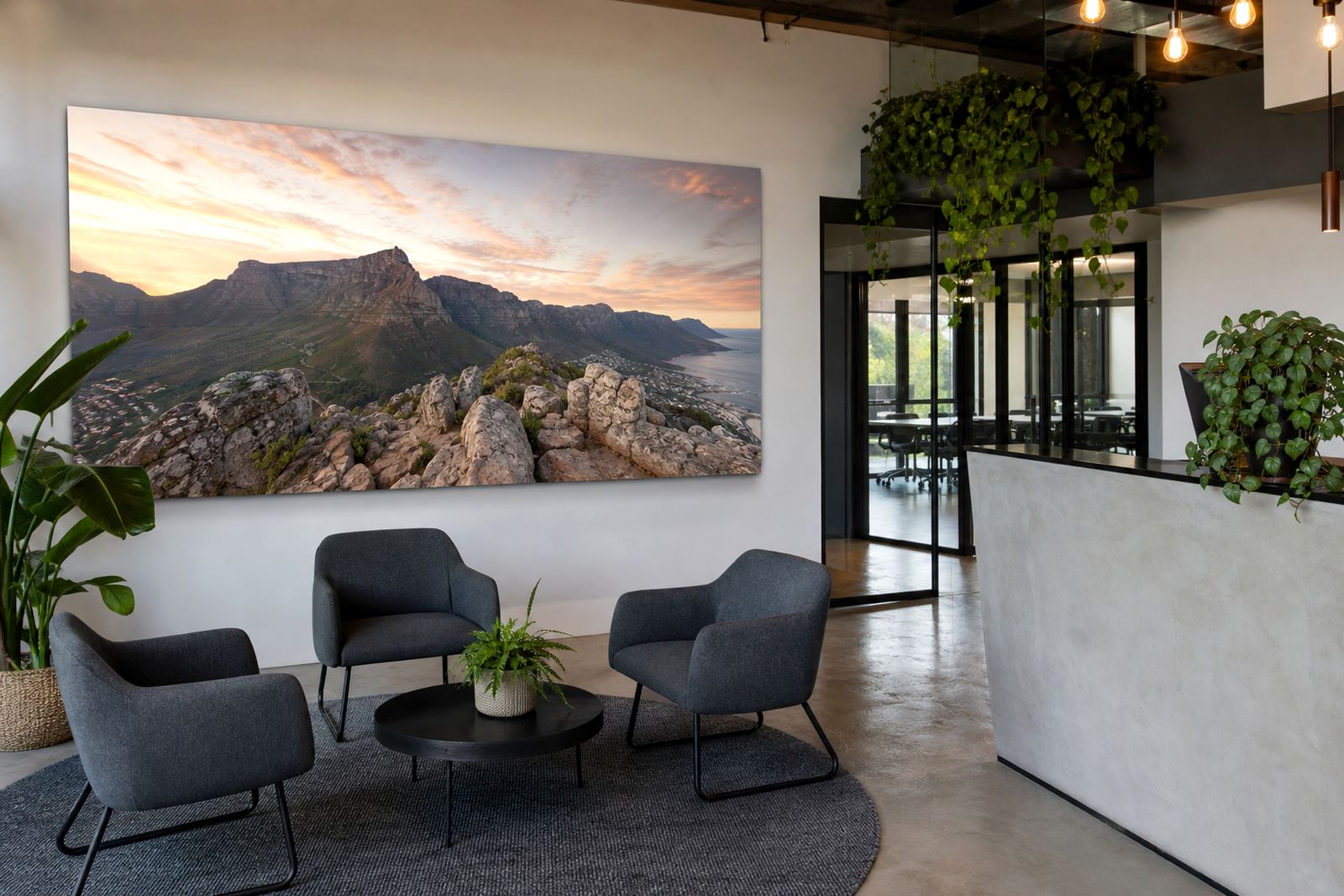
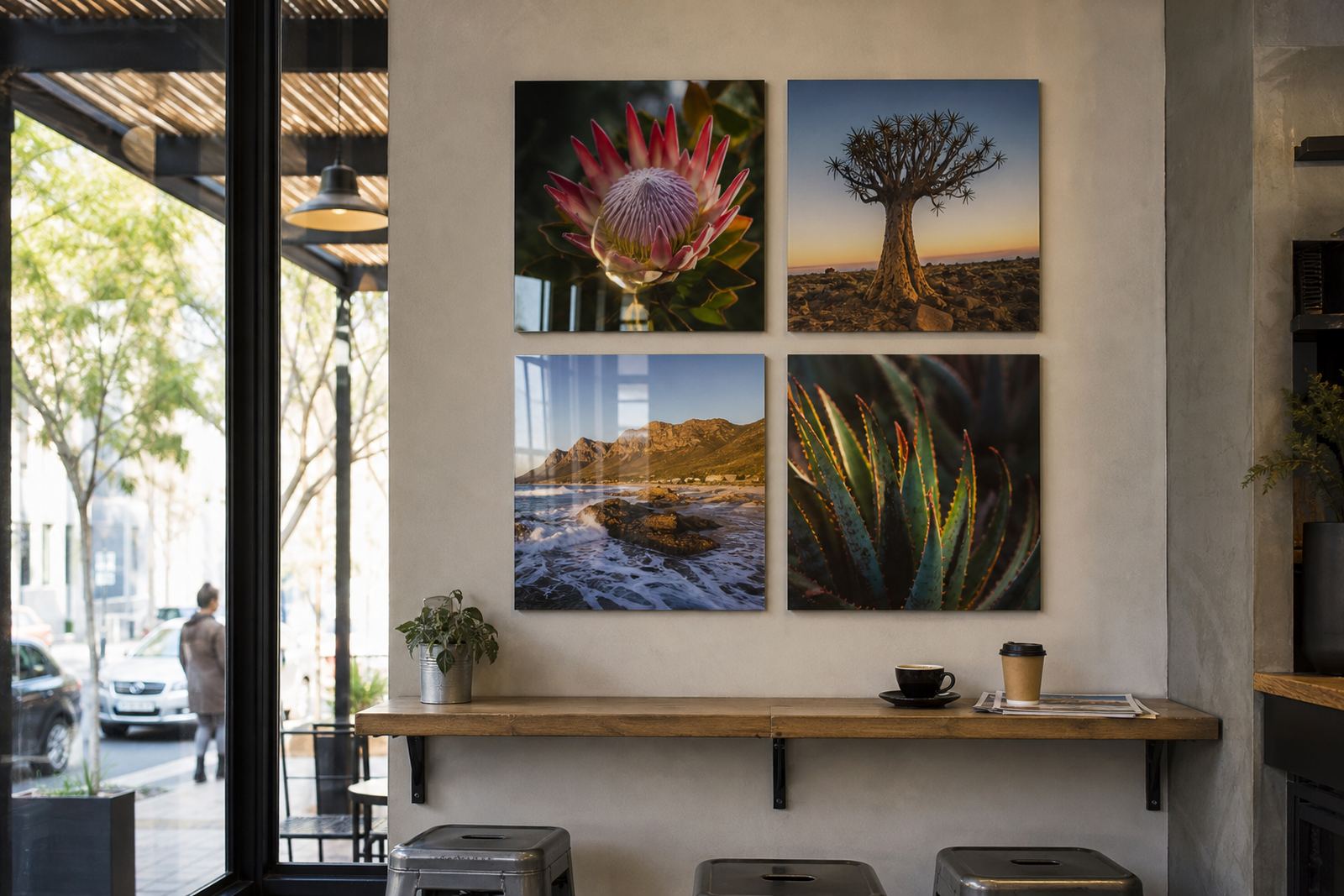
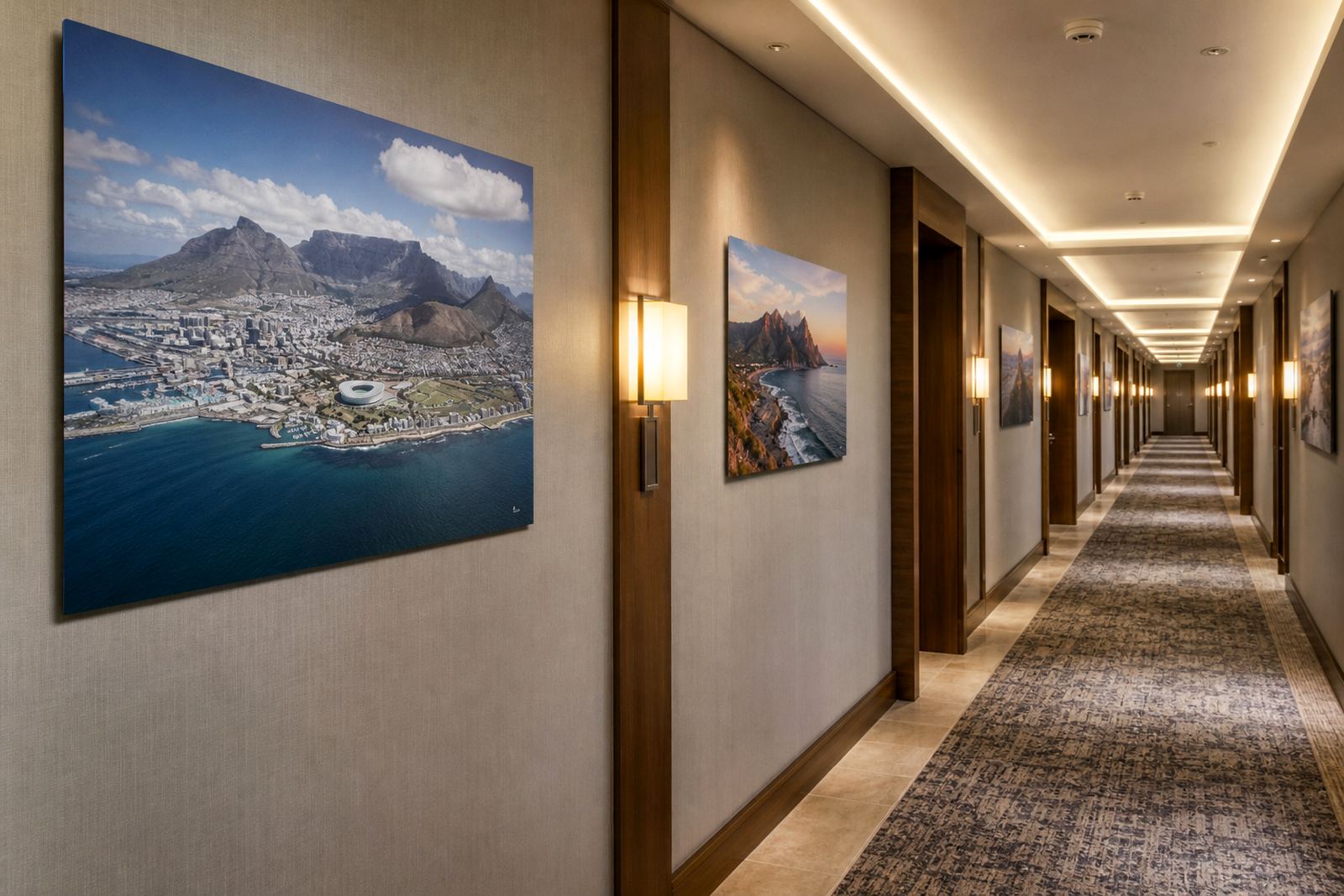
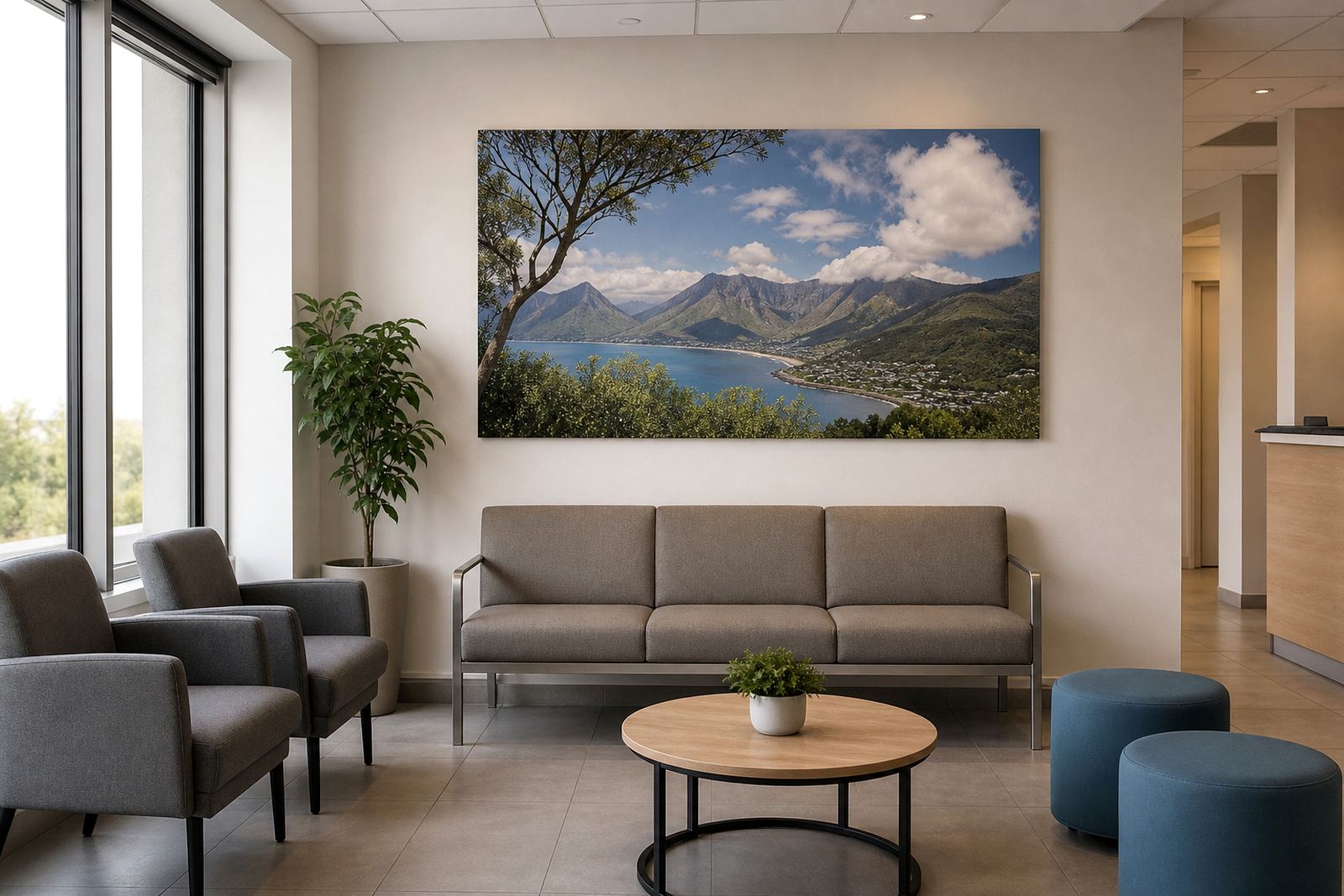
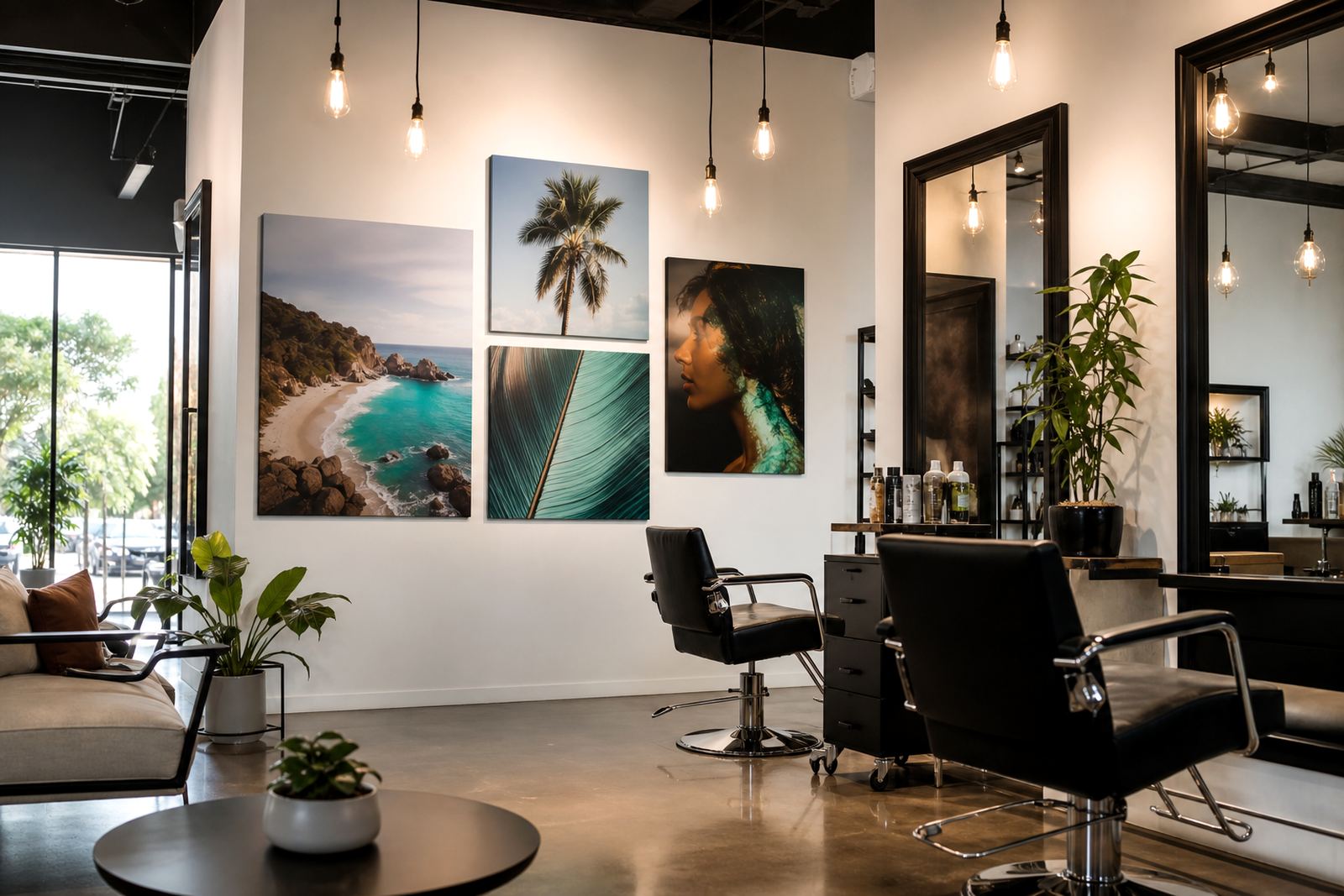
These panels are used in homes, studios, offices, galleries, retail interiors and hospitality spaces. They suit bold colour work, fine detail, black and white images and brand visuals that need a sharper, more permanent feel than a paper print. If the image is for a waiting room, a corridor or a feature wall, the hanging method and finish matter as much as the picture itself.
Finish Choices That Change the Mood
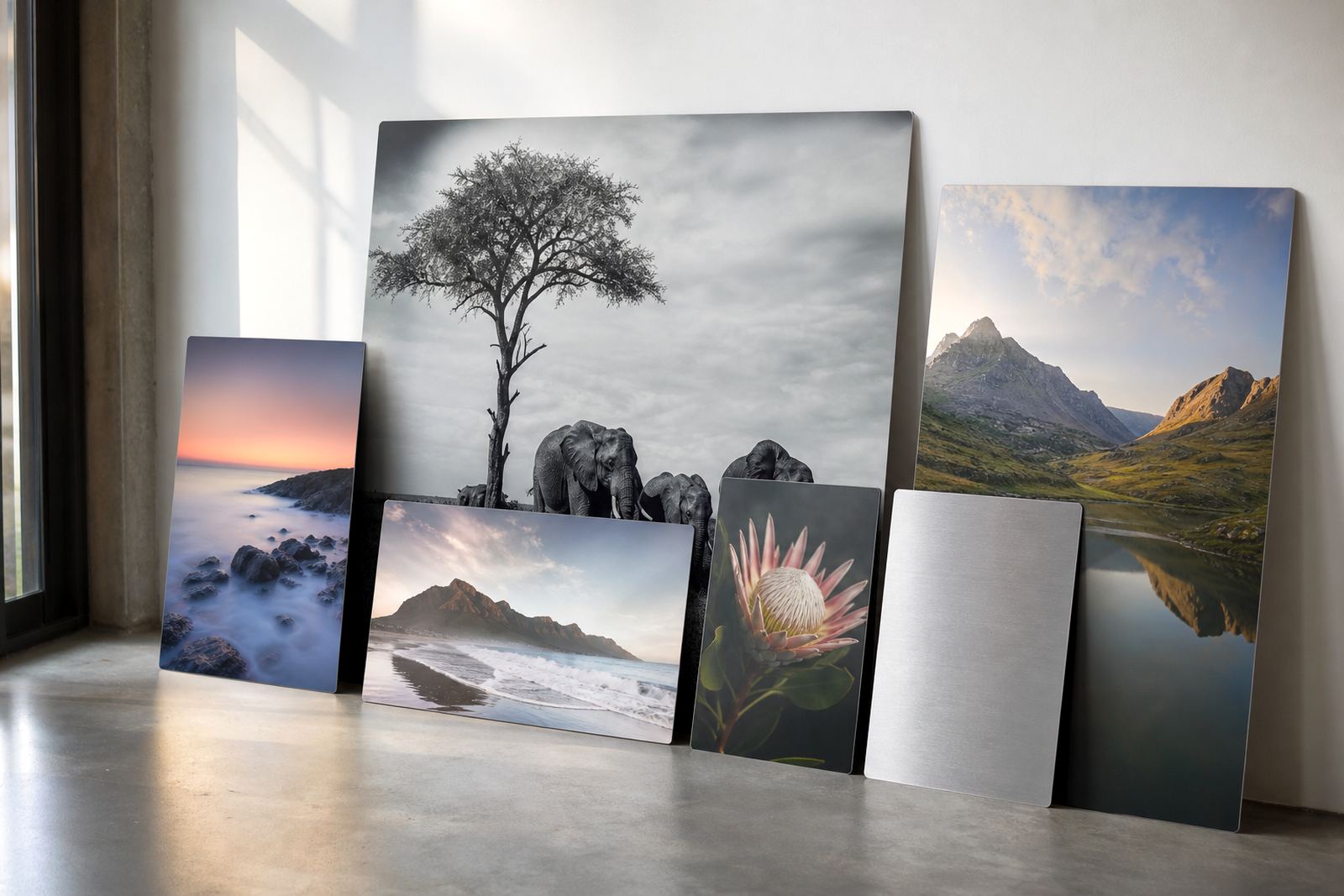
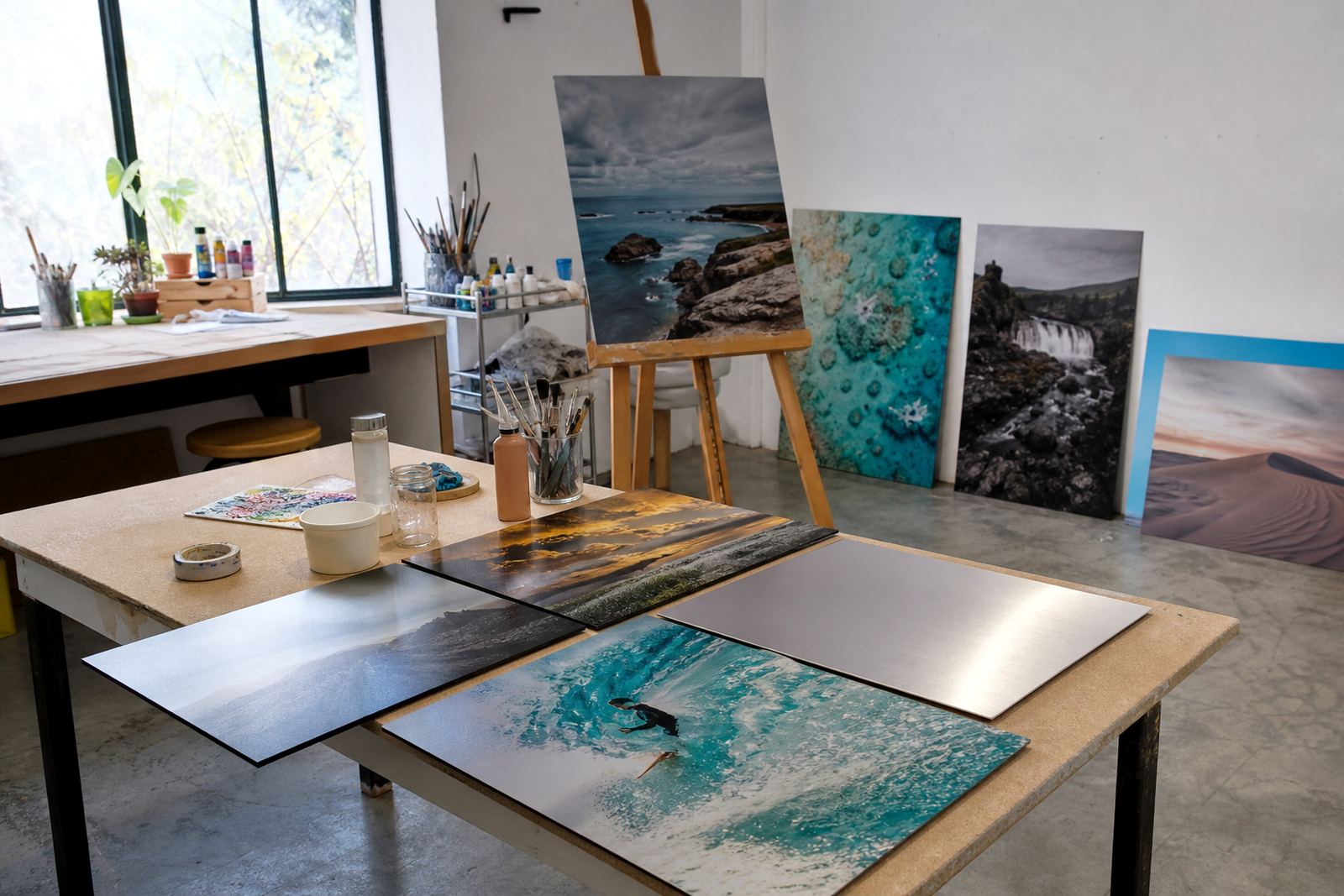
The same image can feel very different depending on the surface. A gloss finish gives strong colour pop and a more reflective look, which works well in bright interiors or for dramatic images. Matte reduces glare and is easier on the eye in rooms with lots of daylight, overhead lighting or mixed light sources. White panels can lift colour and detail, while brushed aluminium allows parts of the metal grain to sit through the print for a more industrial or contemporary feel.
- Gloss for saturated photography and sharp visual impact
- Matte for softer viewing and less reflection
- White for clean colour reproduction and bright walls
- Brushed for a metal-forward finish with texture showing through
In coastal homes or humid spaces, the finish choice also affects how the work reads over time. A panel should be selected with the room in mind, not only the image.
How the Picture File Shapes the Final Panel
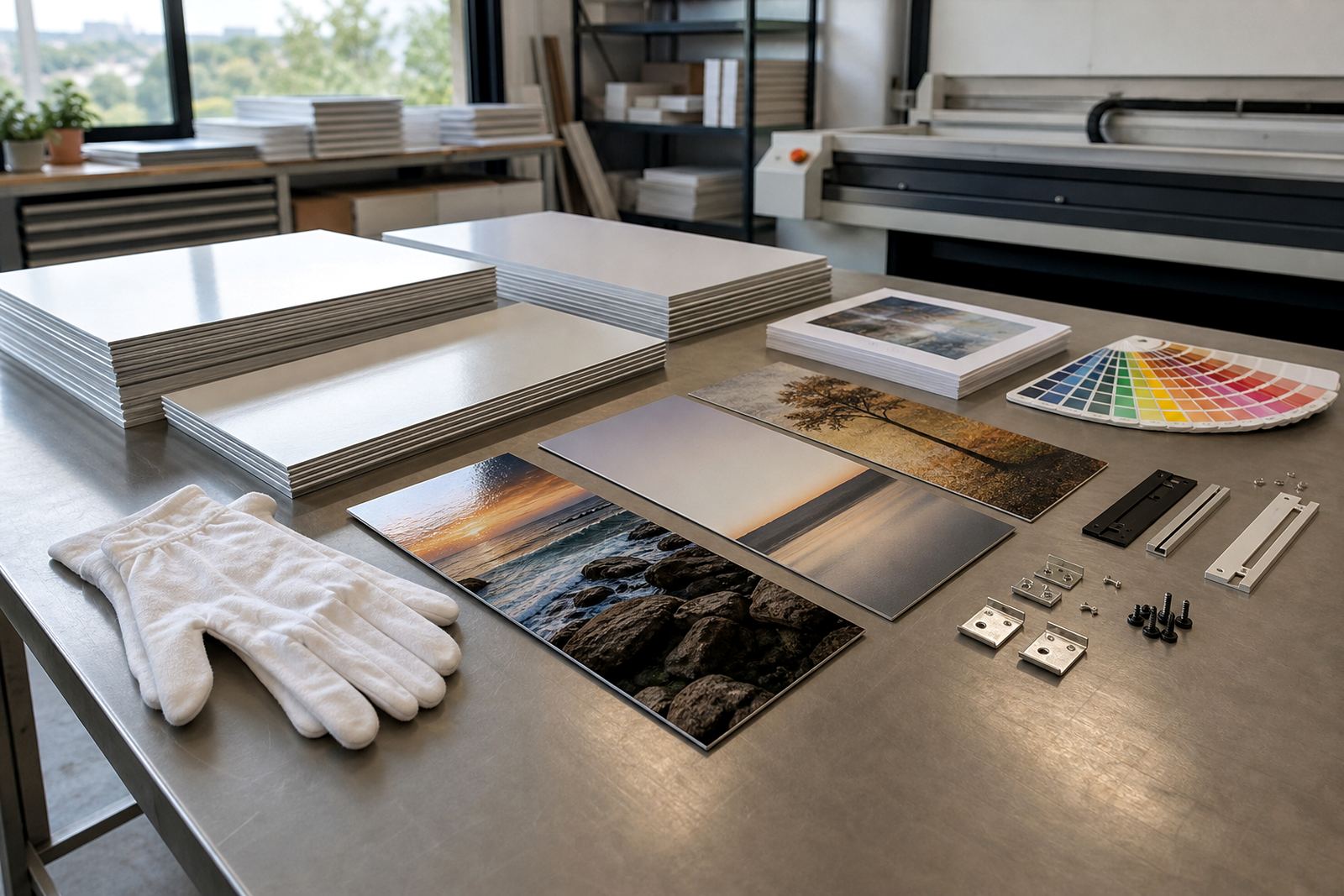
Dye sublimation onto coated aluminium depends on a clean, well-prepared file. High resolution helps preserve fine detail, smooth gradients and crisp text where the image includes lettering or graphic elements. If the file is too small, cropped badly or pushed beyond its usable size, the final panel can look soft or pixelated once enlarged.
Before production, the file is checked for resolution, crop balance, orientation and colour handling. This matters whether the panel is for a single portrait image, a wide panoramic scene or a set of matching pieces across several walls. Clients must own the images or have the rights to use them, especially for business signage, office art and display work that will be seen by the public.
Mounting That Suits the Wall, Not the Other Way Around
The way a panel is hung changes how it sits in the room. Some spaces call for a floating look with a hidden standoff or back mount, while others need a flush fit close to the wall. The right option depends on the wall surface, panel size and how often the piece may need to be moved for cleaning, refurbishment or relocation.
- Hidden mounts for a clean floating effect
- Standoff fittings when a stronger visual gap is wanted
- Flush mounting for tighter spaces and corridors
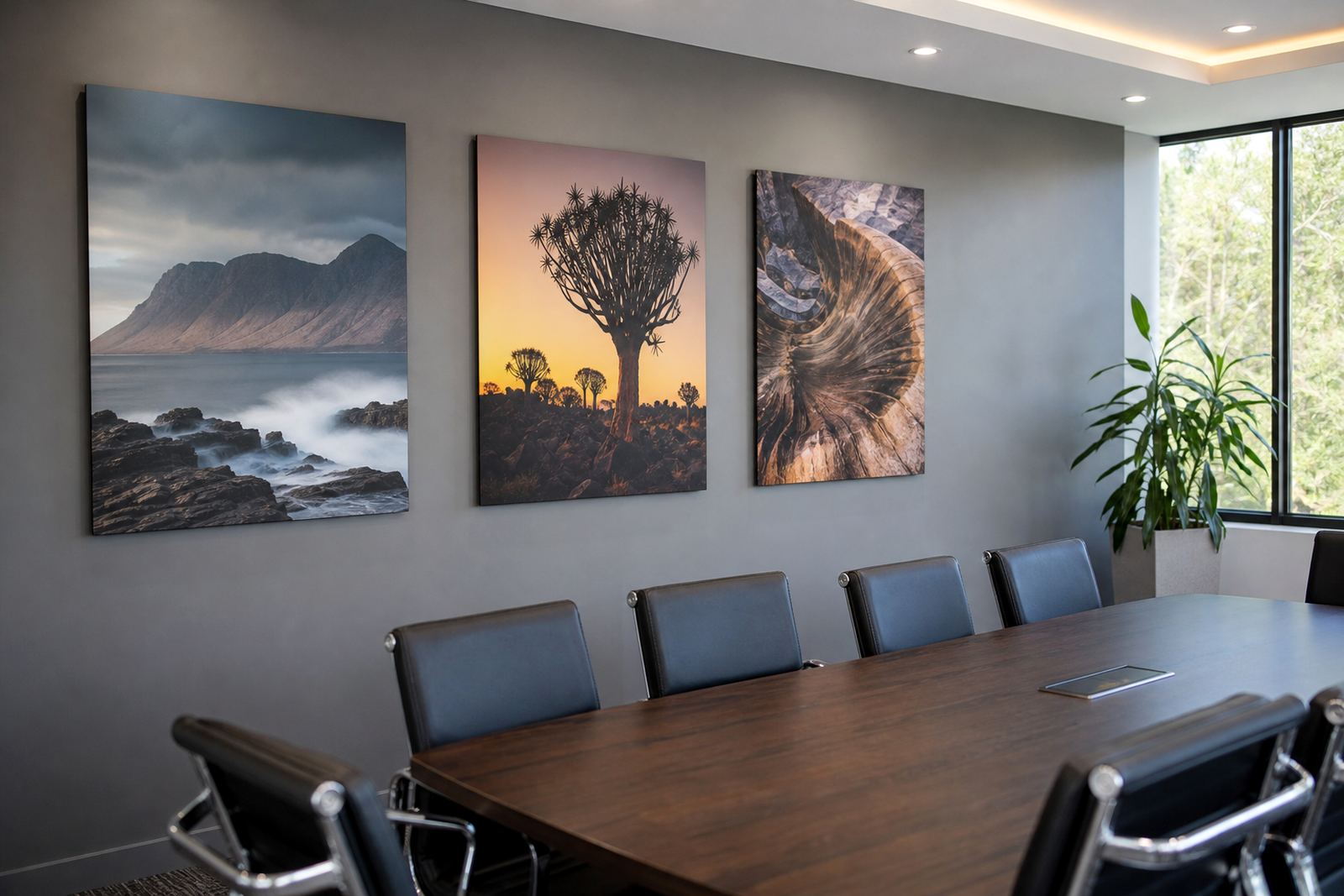
- Multi panel layouts for triptychs, diptychs and long walls
For offices in Pretoria, shops in Midrand or hospitality spaces in Durban, mounting also needs to cope with day-to-day traffic and municipal rules around safe installation in public areas. A panel should feel secure, level and suited to the wall it is going onto.
Where Each Panel Usually Ends Up
Different settings call for different visual behaviour. A home often needs warmth and easy viewing. A studio may want strong colour accuracy for reference and display. Public-facing interiors need pieces that hold attention without looking overworked. For galleries and curated spaces, clean edges and accurate finishing are important because the panel is part of the display rather than a framed insert.
- Homes: family images, travel scenes, wedding portraits, statement walls
- Studios: portfolio work, sample boards, client presentation pieces
- Offices: brand visuals, team spaces, reception walls and meeting rooms
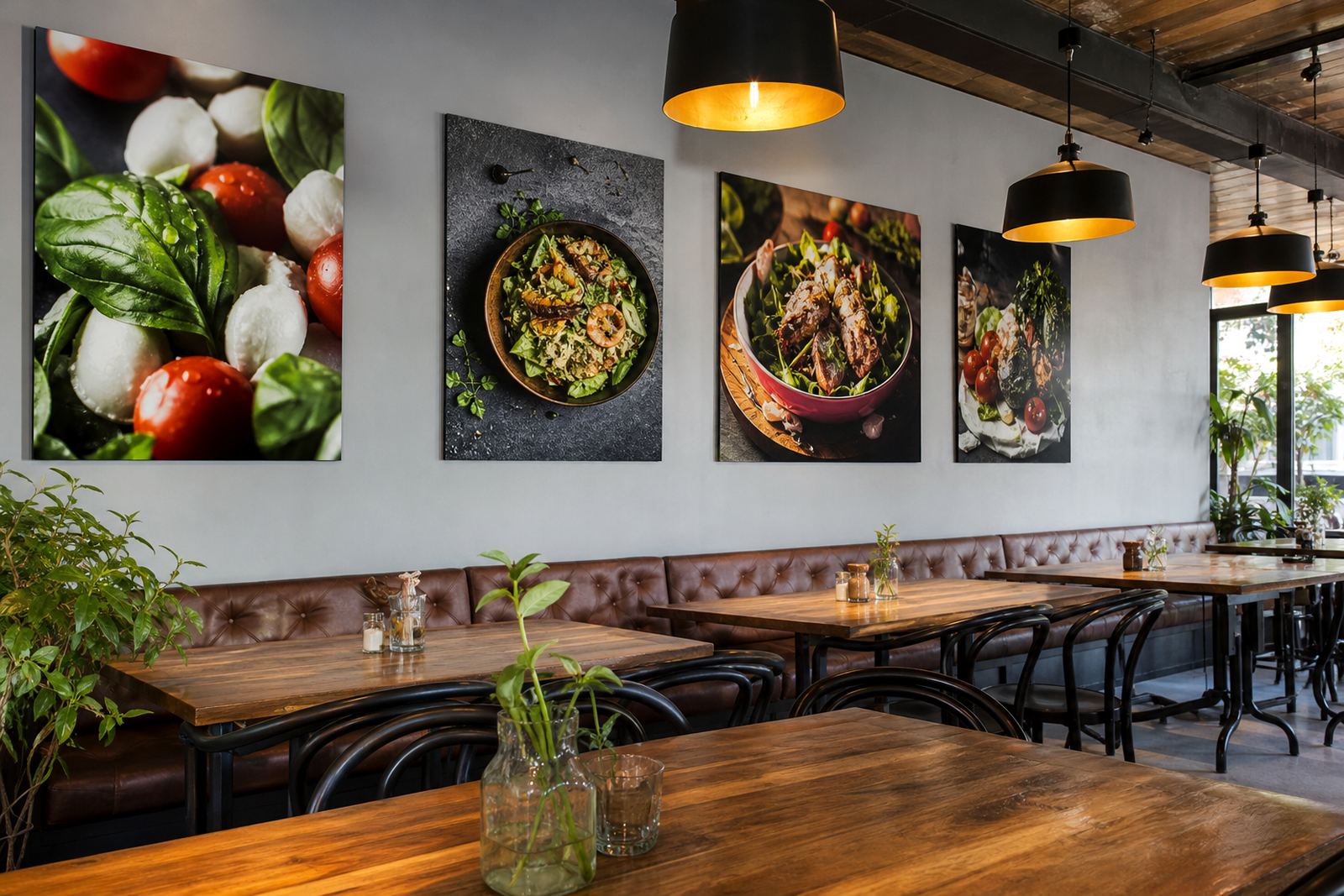
- Retail and hospitality: promotions, atmosphere images and branded features
In Johannesburg, Cape Town, Durban, Pretoria and Gqeberha, the same product can be used in very different ways. The best result comes from matching the panel to the room, light and viewing distance.
Ordering a Panel That Fits the Space
For a one-off feature piece or a larger group of panels, the process starts with the image, the wall size and the intended setting. From there, the finish, crop, size and mount can be matched to the room. Test panels are useful when a client wants to compare finishes before committing to a full set, especially where lighting is tricky or the image carries important brand colours.
SubAlu handles file checks, colour preparation, crop planning, custom sizing, mounting options, packing and delivery. Whether the order is for Randburg pickup, a delivery into Sandton or a panel heading to Cape Town, the goal is the same: a display piece that hangs properly and looks right where it lands.