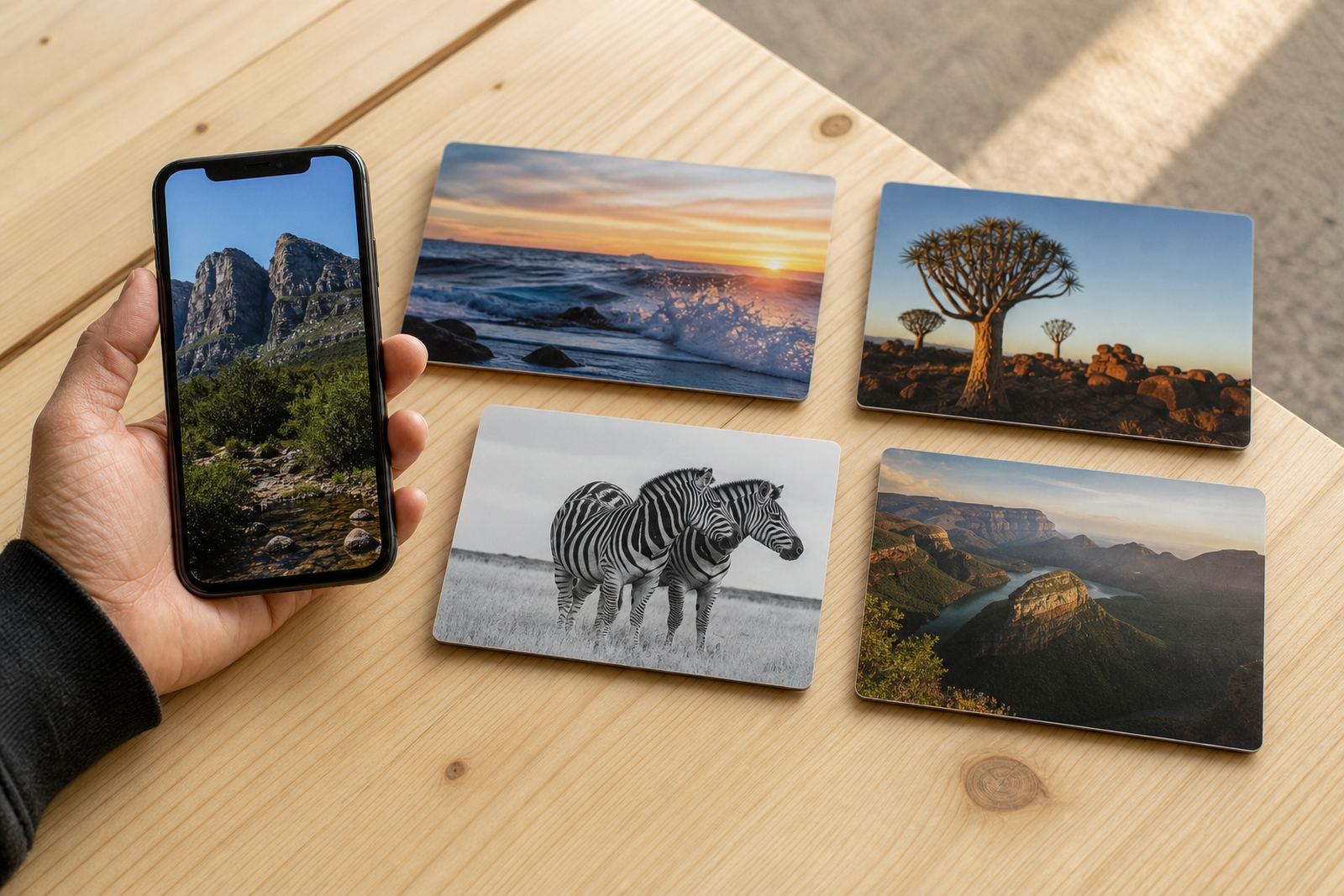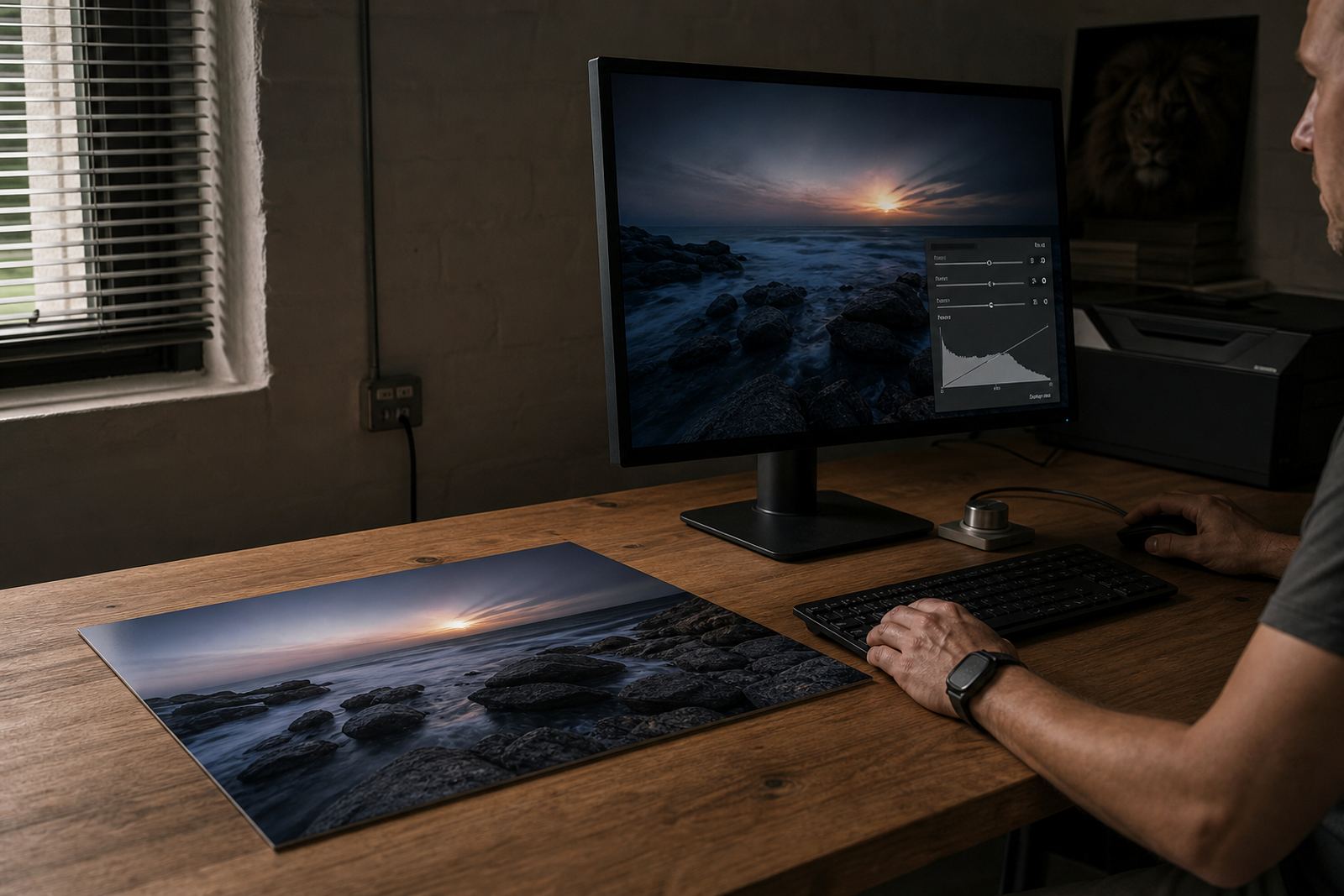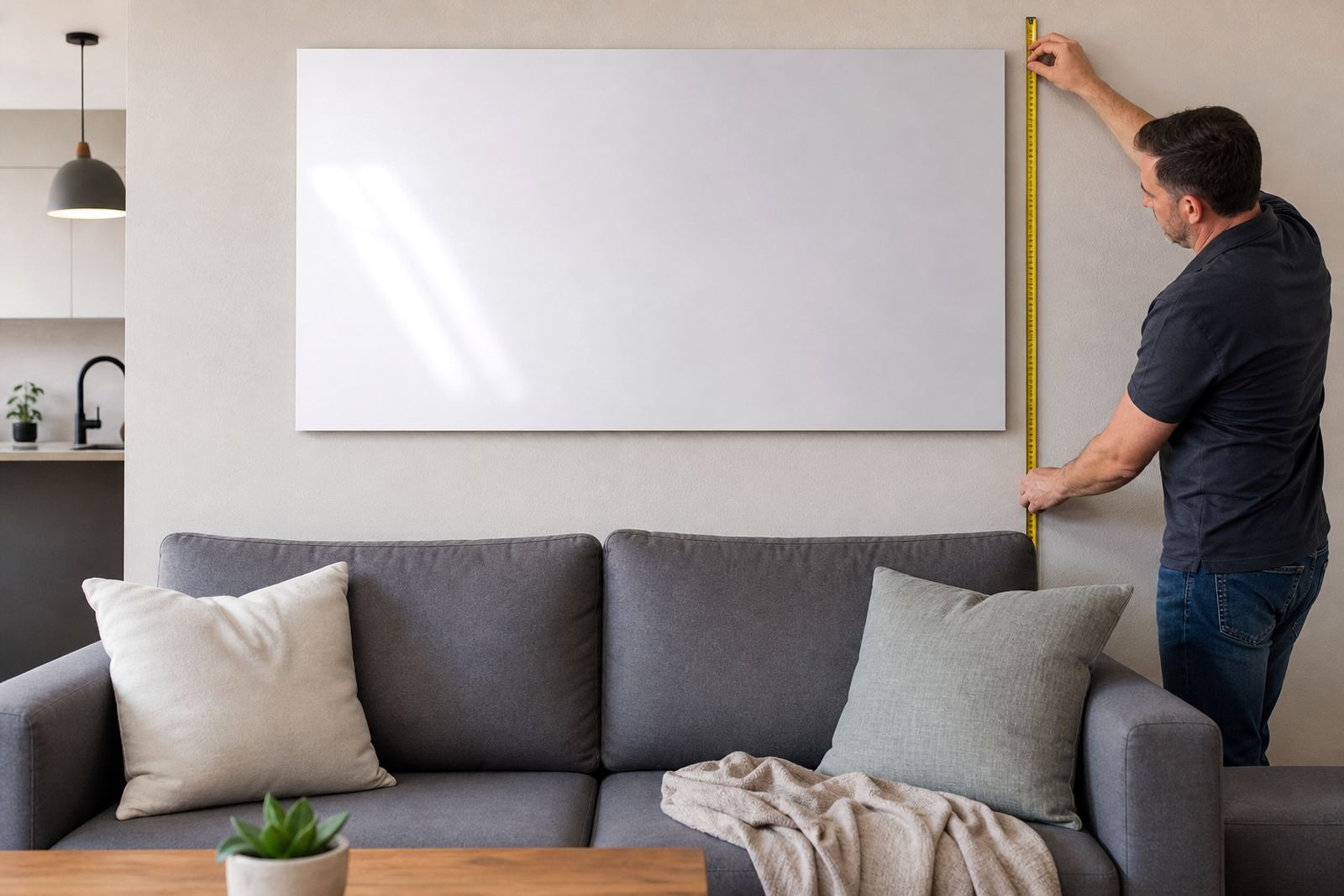

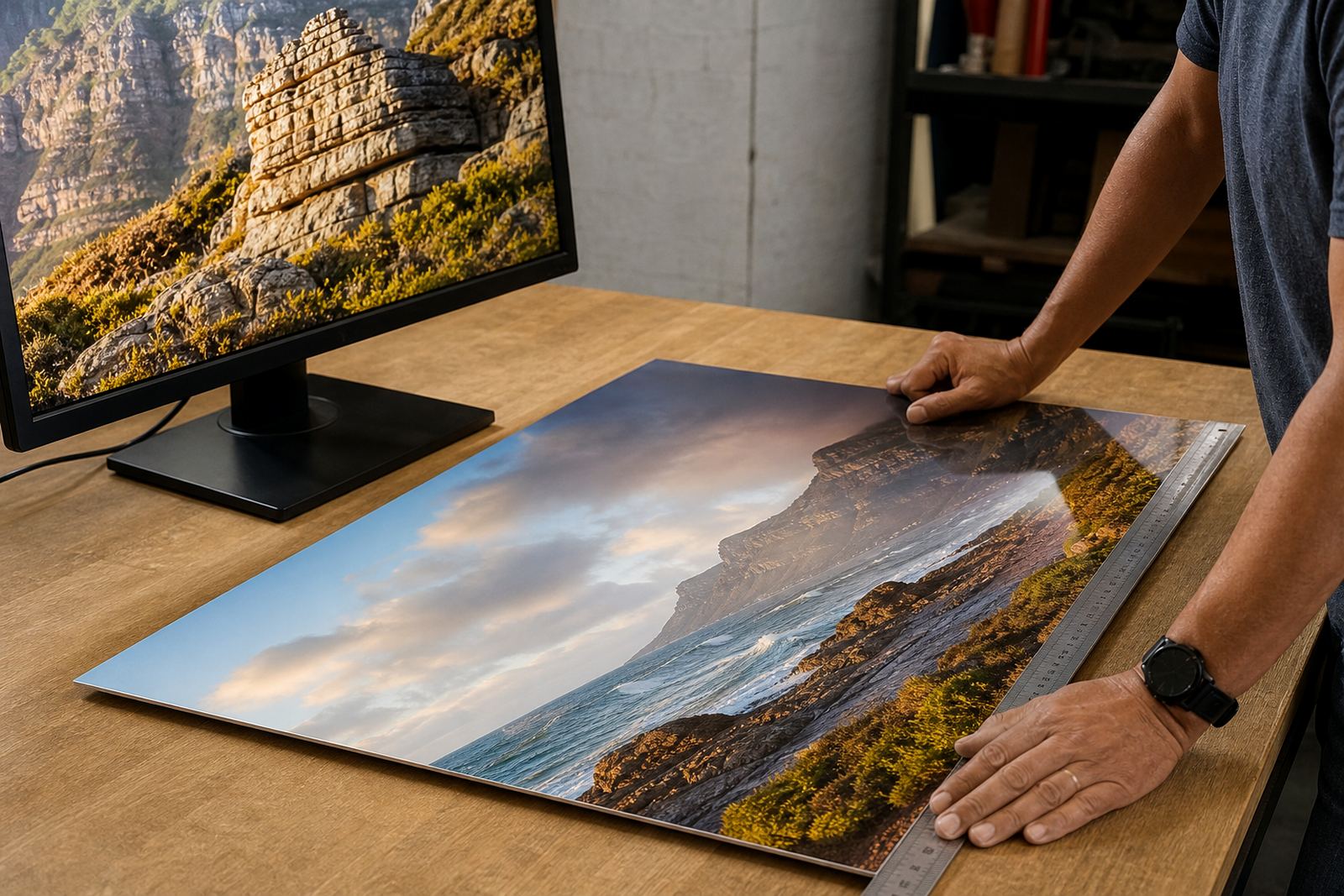
How a file earns its place on a big panel
Large print resolution is not only about the number on the file. It is about how much real detail is in the image, how it will be enlarged, and how close people will stand to it. A 300 mm image that looks crisp on a phone can fall apart when stretched to a 1.2 metre panel if the source file is soft, oversharpened or already heavily compressed.
For dye sublimation onto coated aluminium, the coating carries the colour and detail into the finish, so the file needs to arrive clean. High resolution helps, but the starting point matters too. A sharp original from a camera or a well prepared artwork file will always hold up better than a screenshot, a WhatsApp image or a picture pulled from social media.
As a rule, the larger the panel, the more you should think about where it will hang. A board in a reception area in Sandton, viewed from a few metres away, can tolerate less pixel density than a panel someone will inspect from half a metre away in a home lounge. The print must suit the room, not just the file explorer.
The numbers that actually matter
People often ask for a single magic resolution, but there is no one answer for every panel. What matters is the final print size and the viewing distance. A file that is perfectly acceptable for a 600 x 400 mm panel may be too lean for a large wall piece at 1200 x 800 mm. Image dimensions in pixels, not just camera megapixels, tell the real story.
- For smaller panels, a file with strong detail and clean edges is usually enough if it matches the final size closely.
- For medium panels, aim for a file that can enlarge without visible softening in faces, text or fine lines.
- For very large wall pieces, a well shot original or layered artwork file is safer than a compressed image.
- If the picture includes typography, logos or thin architectural lines, the file must be especially clean or the edges will show weakness after enlargement.
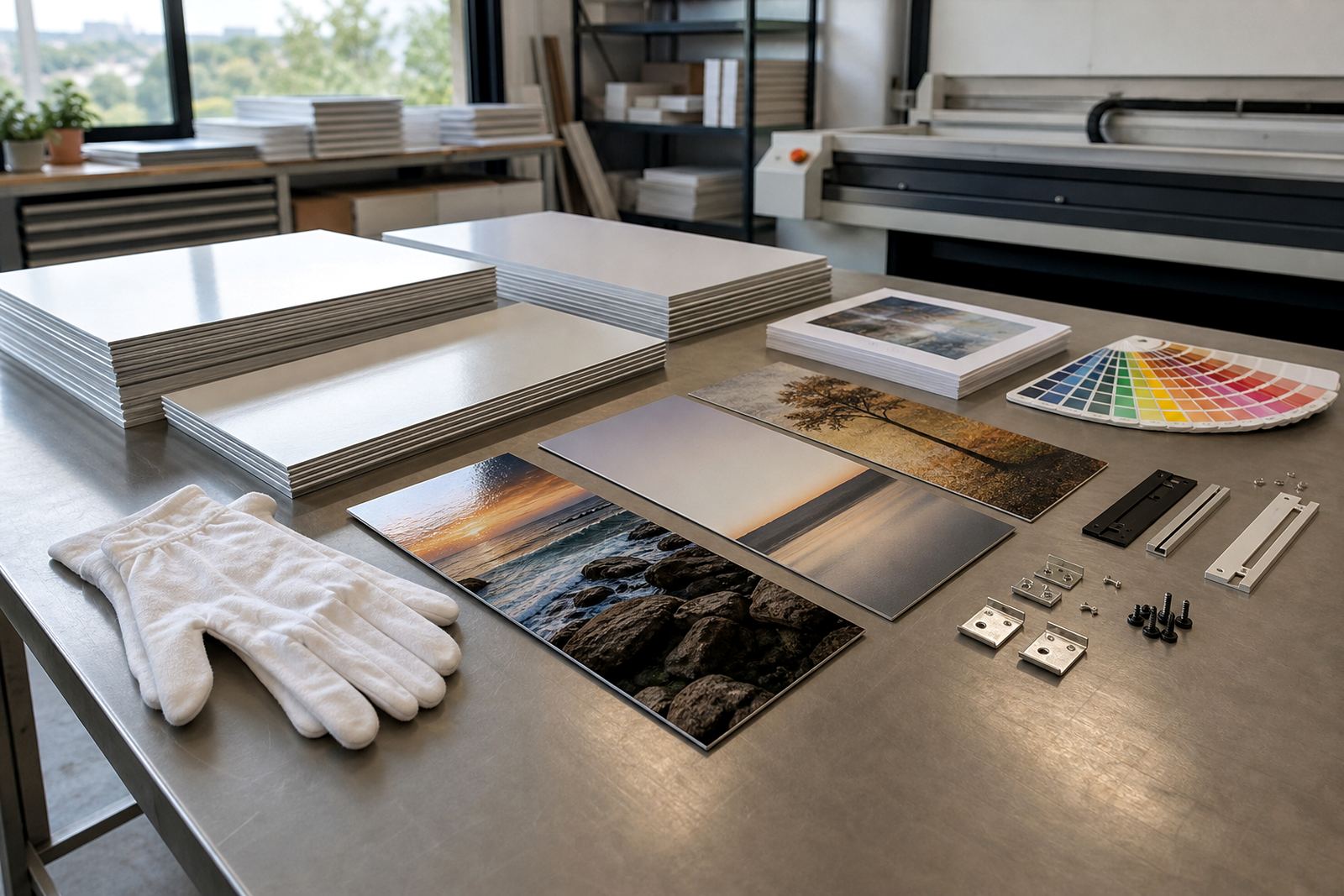
At our Randburg base, the prepress check starts with the file size, the intended dimensions and the actual subject matter. A landscape scene gives more forgiveness than a portrait with eyes, skin tones and small detail. That is why a quick resolution review before production saves time, waste and disappointment.
Why aluminium is less forgiving than people expect
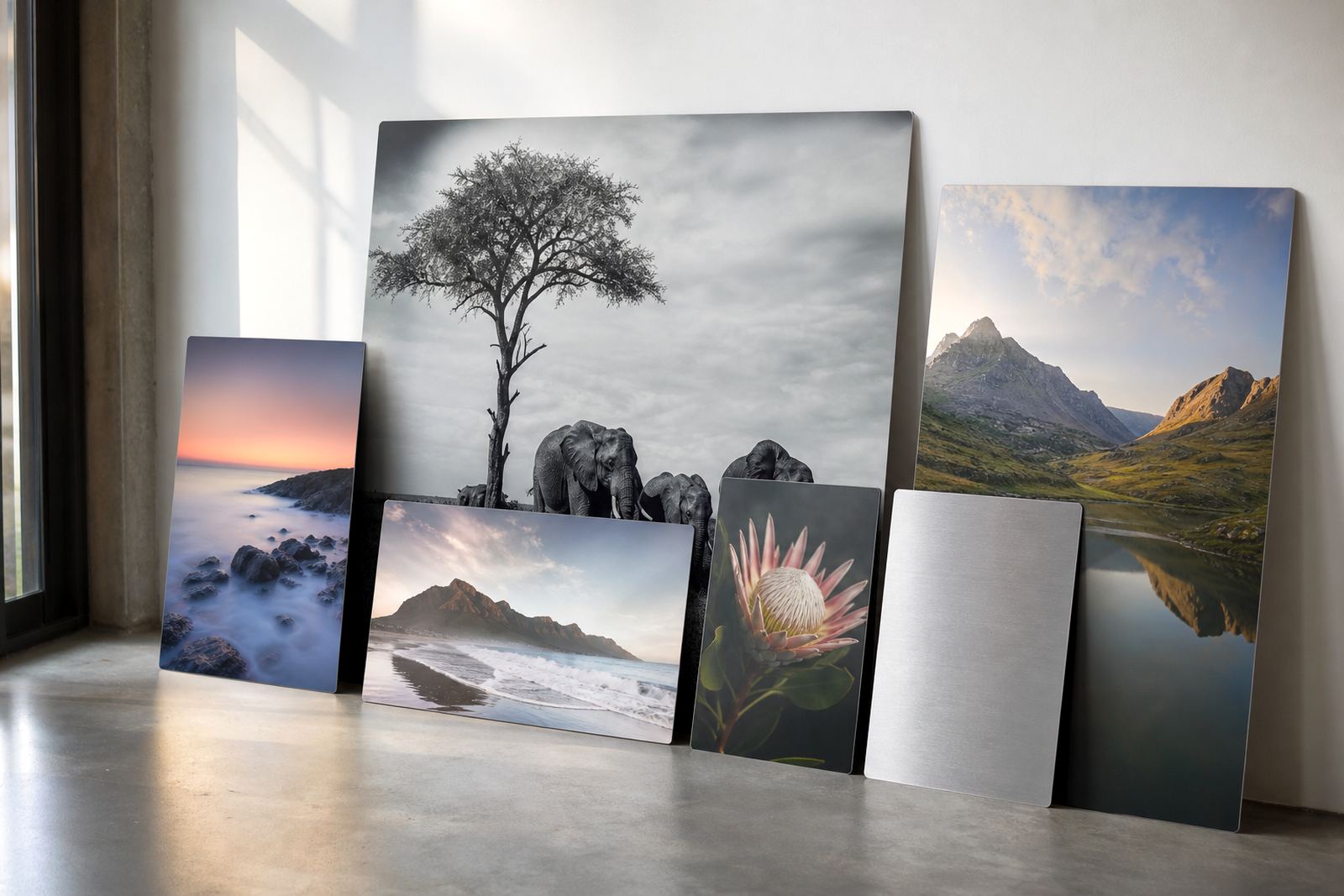
Aluminium photo panels look sharp because the surface is stable and the finish can be very clean. But that same clarity also exposes weak source files. A glossy panel can make colours pop, while matte helps tame glare in bright offices or near windows. White coated panels suit full colour images, while brushed aluminium can work well when the image is designed to let some metallic texture show through.
Once the file is enlarged, every decision becomes more visible. Too little resolution can soften facial detail. Too much digital sharpening can create a gritty edge. A heavy crop may leave the final panel with fewer pixels than expected. Even good pictures can suffer if they were saved several times in compressed formats.
For coastal clients in Durban or Gqeberha, the finish choice matters as much as the file. Gloss can be striking, but in strong light or humidity-heavy spaces, matte may feel calmer and easier to live with. The print still needs the resolution to support the chosen finish, because the coating and the image work together.
A Randburg office wall example
Picture a business in Randburg wanting a 1.5 metre wide panel for a reception wall. The original image is a sharp architectural photograph shot on a proper camera, but the client wants a tighter crop to remove distracting foreground objects. That crop reduces the usable pixel count, so the file must be checked again before production. What looked perfect on screen can become marginal once the crop is applied and the panel size is finalised.
In that kind of job, the process is practical rather than dramatic. The file is reviewed, the crop is mapped, and a test panel may be suggested if the image is close to the limit. If the work is for a boardroom in Pretoria or a gallery wall in Cape Town, the viewing distance, lighting and wall space all influence the final decision. It is better to resize with care than to hope the panel will hide a weak source file.
That is also where colour preparation matters. A bright sky, a dark suit and a clean logo all react differently when printed onto coated aluminium. The better the source file, the more predictable the dye sublimation result will be.
File prep habits that save a good picture
If you are sending artwork or photographs for a large panel, there are a few habits that help. They are not complicated, but they do prevent trouble later.
- Use the highest quality original you have, not a compressed copy forwarded through messaging apps.
- Avoid enlarging a small image in software and expecting fresh detail to appear.
- Keep important content away from the very edge if the image will be trimmed for mounting.
- Check that faces, text and fine patterns still look clean at the final size.
- Keep layers or editable files where possible for artwork with type, vectors or mixed elements.
If the file needs repair, a proper prepress review can flag the weak spots before the panel goes into production. That is especially useful for businesses ordering multiple panels across Johannesburg, Pretoria or Midrand where consistency across a set matters more than a single frame.
Hanging hardware, mounting and the room around it
Resolution is only half the job. A large aluminium panel also needs the right mounting support so it sits flat and secure on the wall. Hanging hardware should suit the size, weight and wall surface, whether the panel is going onto plasterboard, brick or a treated office wall. For bigger pieces, spacing off the wall can also improve the shadow line and the viewing angle.
Multi panel layouts need even more planning. If the image is split across two or more panels, the file must allow for joins, gaps and alignment. A face or horizon line that lands badly across a split will distract from an otherwise strong image. Careful crop planning avoids that problem before the panels are printed and mounted.
That practical detail affects visibility just as much as the file does. A matte finish can help reduce glare in a space with mixed lighting, while a glossy finish may suit a controlled interior where the panel can take centre stage.
When to ask for a resolution check before printing
Any image that is being enlarged well beyond its original use deserves a check. This is especially true for wedding portraits, product artwork, signage-style panels, scanned paintings and older photographs that may have been saved too many times. A file can look fine on a laptop and still be too soft for a 900 mm or 1200 mm panel.
It also makes sense to ask for a check when the image holds personal or commercial value and cannot be replaced. If the work belongs to a photographer, artist or business, the sender must own the image or have the rights to use it. That protects everyone and avoids trouble once the panel is in production.
For close-up viewing, the file needs more care. For distant viewing in a foyer or boardroom, there is more room to work, but there is no reason to guess. A file review, resolution assessment, finish selection and test panel where needed will tell you whether the image is ready or whether it needs another step before printing.