
When a panel needs to be seen and serviced
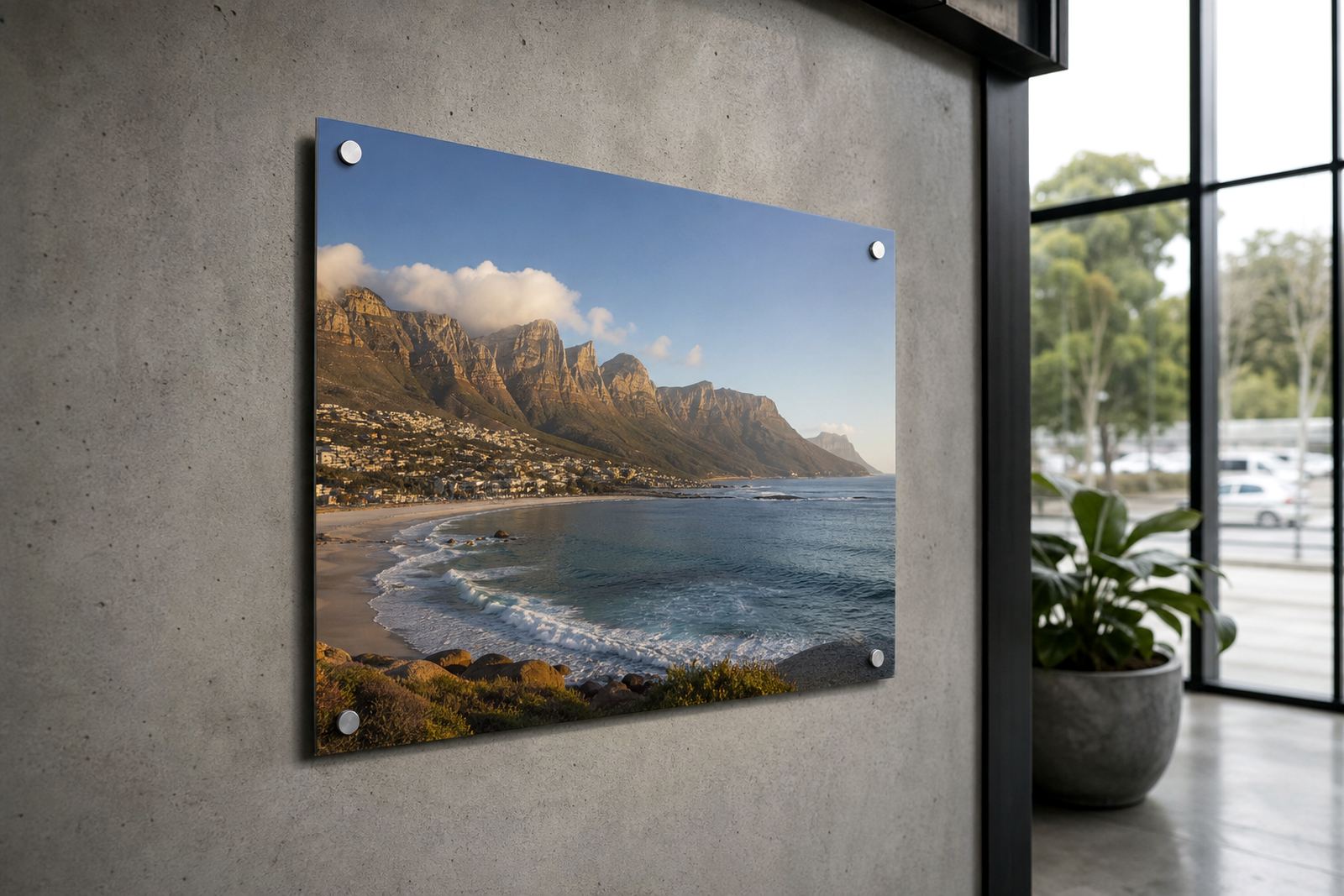
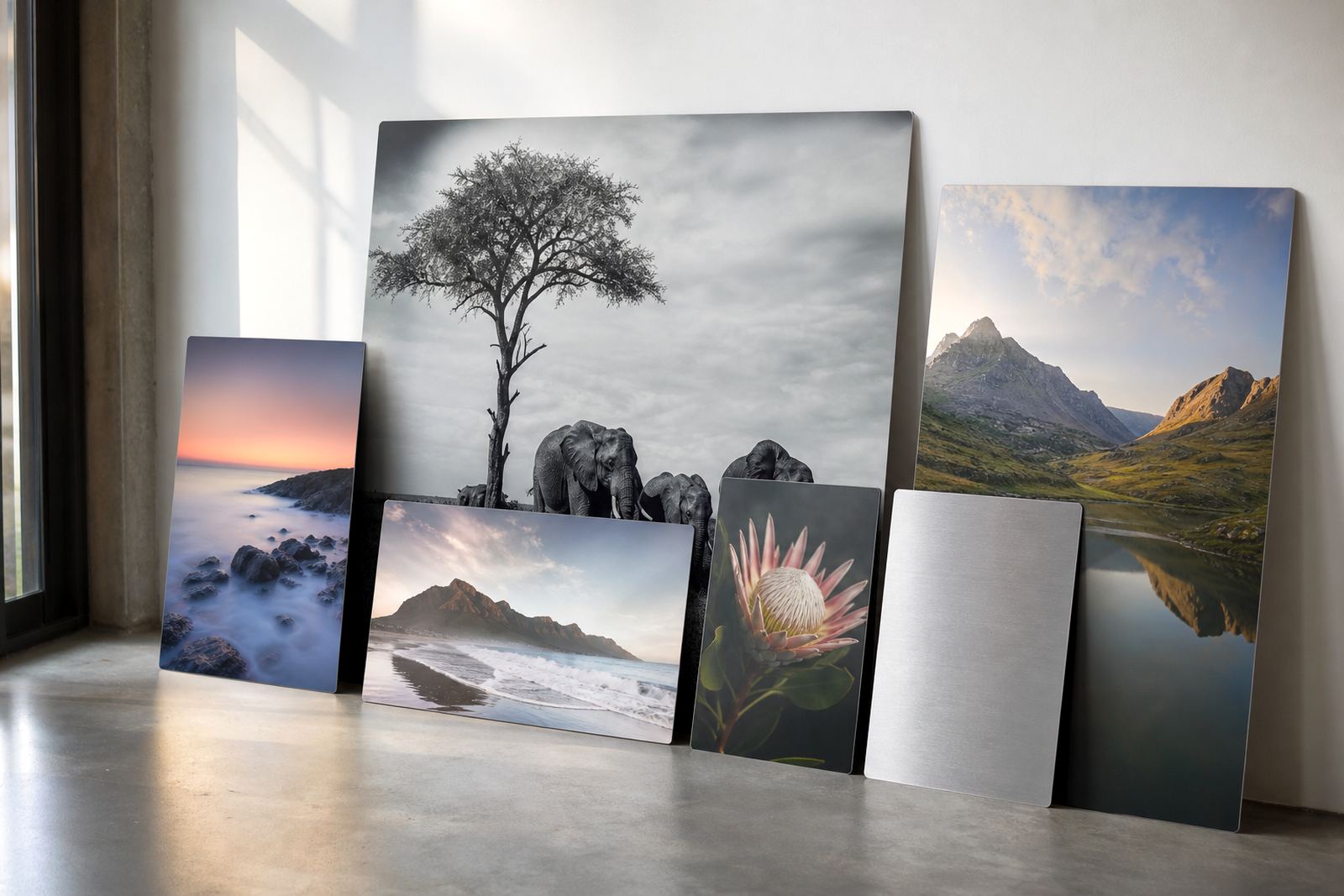
Visible corner fixings are a practical choice when a panel has to stay secure in public view and may need to be removed later for cleaning, repainting or a change of artwork. On coated aluminium photo panels, the fixings keep the sheet slightly off the wall and create a neat stand-off look that suits commercial interiors, corridors and entrance areas.
For photographers, artists and businesses, this can be the right answer where the installation is handled by a facilities team or a contractor who wants straightforward mounting. It also helps where walls are uneven, or where a building has regular maintenance cycles and anything fixed permanently becomes a headache.
Why public spaces often favour corner mounts
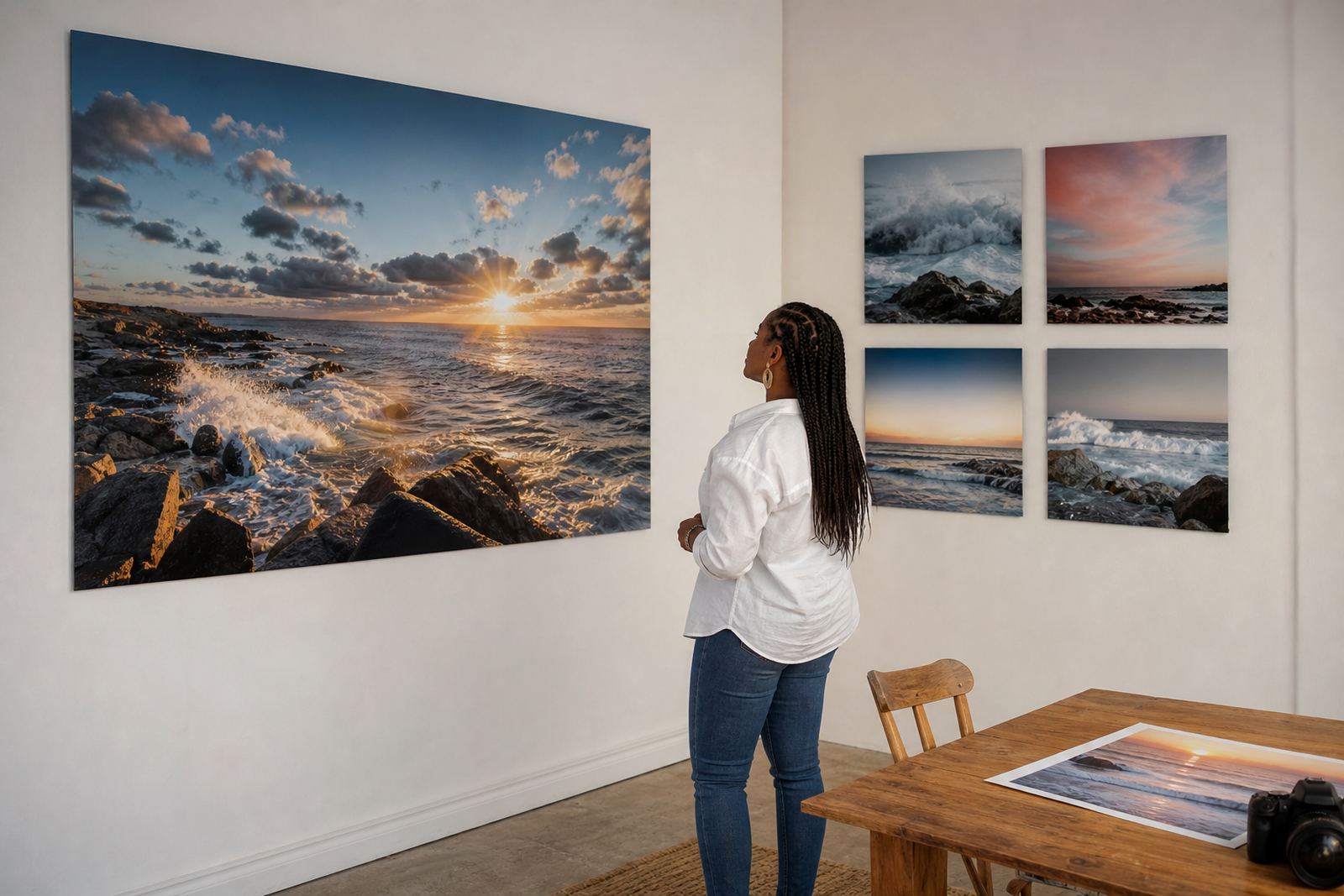
In a gallery, showroom or foyer, visible fixings can feel honest and tidy rather than hidden and fussy. They work especially well on larger panels, where the mounting method becomes part of the presentation and the viewer is used to seeing hardware in the room.
- Allows easy removal for cleaning or re-positioning
- Useful on concrete, brick and painted masonry walls
- Suitable for entrances, passage walls and lift lobbies
- Gives a clear gap behind the panel for a crisp shadow line
What works with dye sublimation aluminium panels
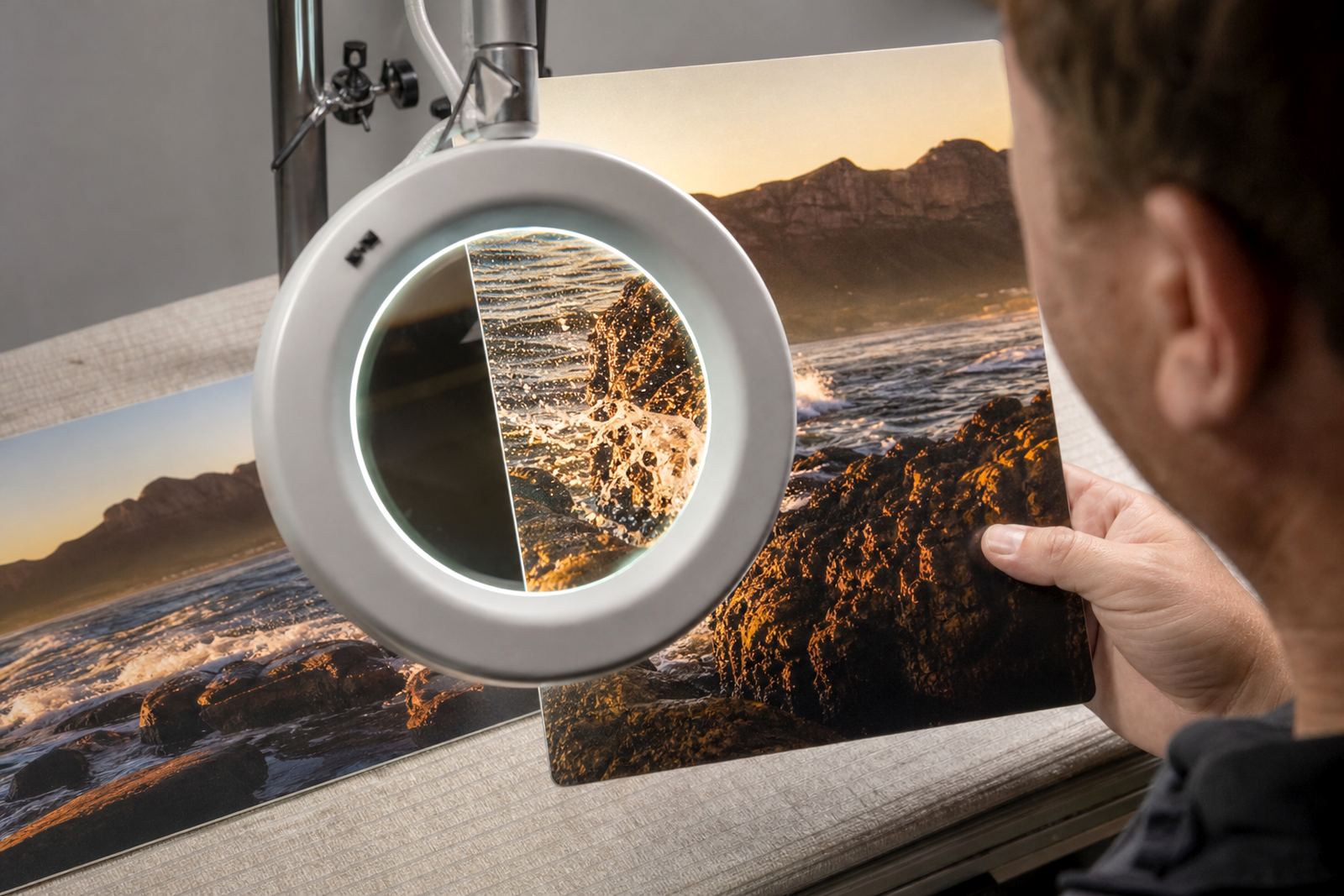
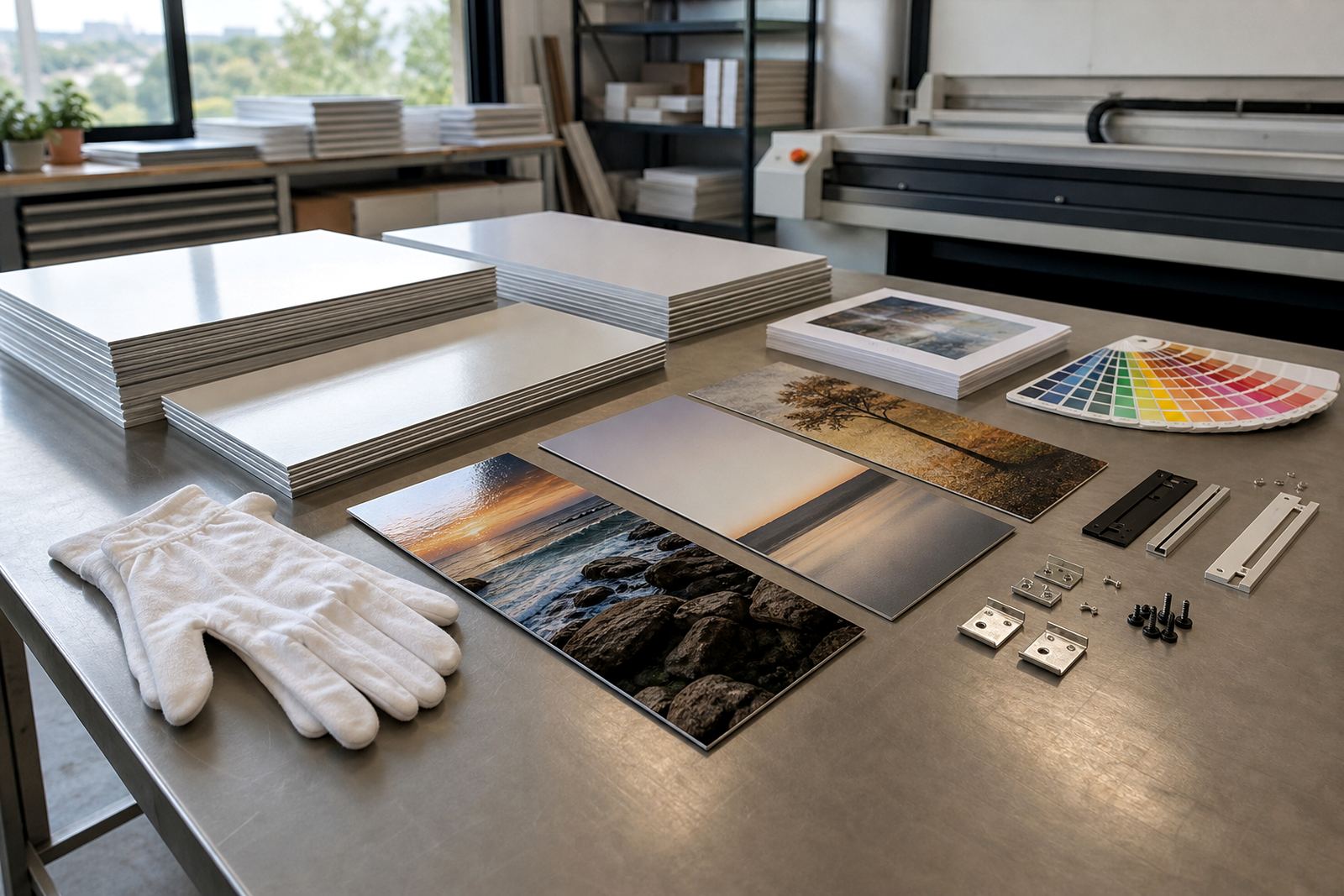
Dye sublimation onto coated aluminium gives a hardwearing image surface with sharp colour and a clean finish. The mounting choice should suit the panel size, the wall type and the finish chosen, whether gloss, matte, white or brushed. On brushed aluminium, the image and the metal grain can interact differently from a white coated panel, so the fixing layout should not distract from the picture itself.
Image quality matters too. If the file is under-resolved, the final panel will show the limits, especially on larger sizes or close viewing distances. A proper file check, crop planning and colour preparation help keep skin tones, fine detail and dark areas under control before production starts. Customers must own the images or have the right to use them, especially for commercial displays or public-facing work.
- Check the file resolution before print approval
- Allow for crop margins around faces and horizon lines
- Choose finish based on light levels in the room
- Confirm whether the wall takes screws, plugs or anchors
A Randburg install that had to survive daily traffic
A practical example comes from a Randburg business foyer where panels were fitted near a reception counter area and a main passage used by staff and visitors all day. The client needed the images to stay visible, easy to maintain and secure on a painted wall that was not perfectly even. Visible corner fixings made sense because the facilities team could inspect the panels without pulling apart the wall finish.
That kind of site also shows why local conditions matter. In Johannesburg, indoor dust, regular cleaning and changes in temperature can affect wall mounted displays over time. On coastal jobs in Durban or Gqeberha, humidity may influence the wall preparation and the type of fastener chosen. A good installer checks the wall, the panel size and the viewing height before drilling a single hole.
Picking hardware without making the panel look heavy
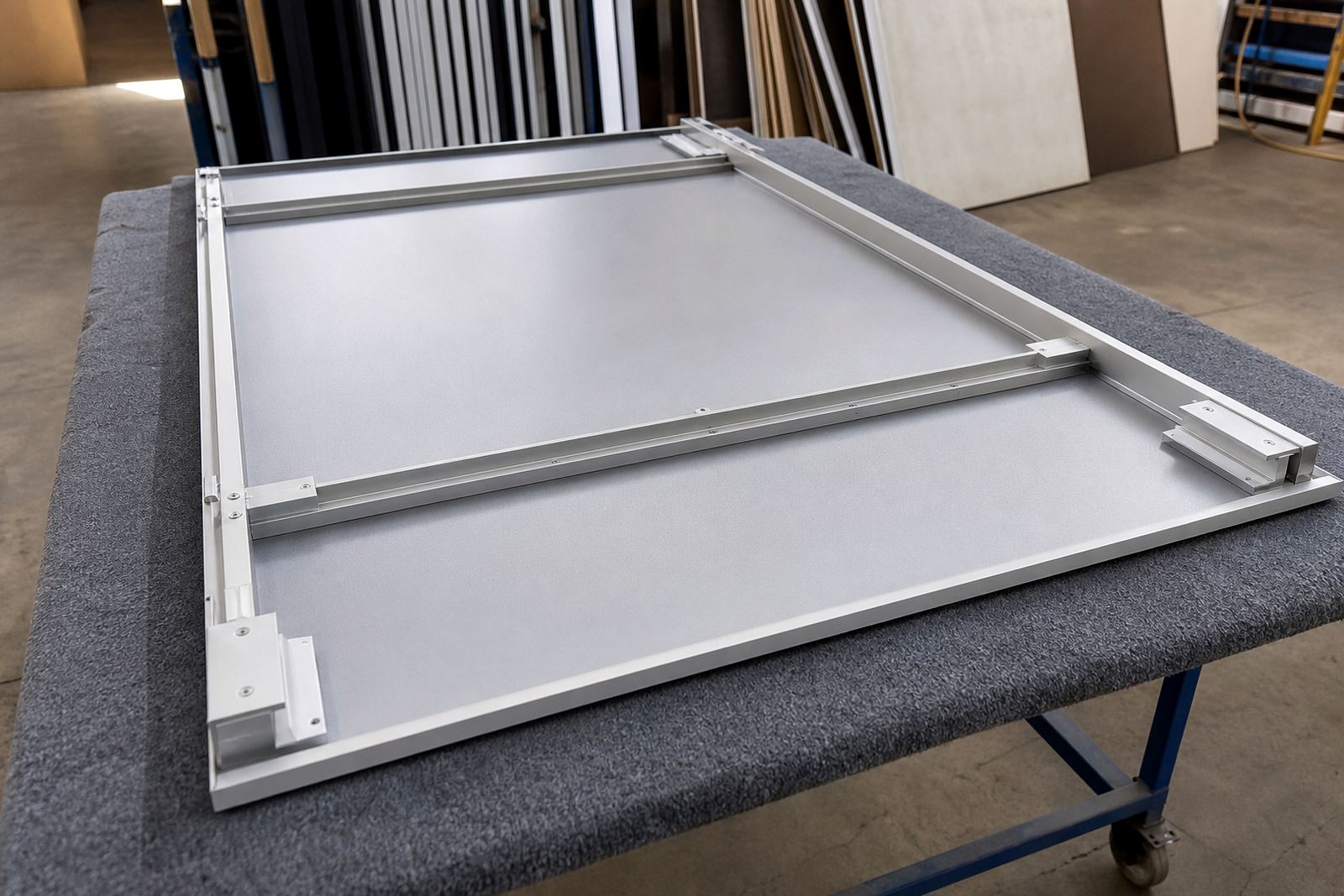
The hardware should support the panel without drawing too much attention. Corner fixings usually suit square or rectangular panels, but the spacing and finish of the fittings should match the artwork. If the mounting points are too large or the panel is too small for the wall, the whole piece can feel clumsy.
- Use matching fixings across a series for a consistent wall line
- Keep the panel level with enough clearance for cleaning behind it
- Plan the screw position around the image, not only the wall studs
- Confirm whether the panel will be handled by staff or the public
For multi panel layouts, the fixing system should be planned before printing so each section aligns properly. That avoids awkward gaps, uneven sight lines and avoidable rework later.
Delivery, mounting and aftercare across South Africa
From Randburg orders to Johannesburg, Pretoria, Midrand and Sandton delivery, plus Cape Town, Durban and Gqeberha delivery, a mounted panel still needs proper packing and handling. Aluminium panels can scratch if they are stacked carelessly, so protective wrapping and face-to-face separation are important on larger orders. If the installation is going to a business park or a municipal building, the delivery window may need to fit loading bay access or security checks.
After fitting, care is usually straightforward. A soft cloth and mild cleaner are enough for most surfaces, but abrasive pads and harsh chemicals should stay away from the print face and any visible hardware. If a panel needs to be reprinted to match an earlier set, the file and finish notes should be kept on record so the new piece sits neatly beside the older work.
For clients sending in artwork, the useful steps are plain enough: check the file, choose the finish, confirm the wall type, and decide whether visible fixings suit the room. In many commercial interiors they do, because they make the panel easier to live with and easier to service.