
Why the original camera file matters more on metal
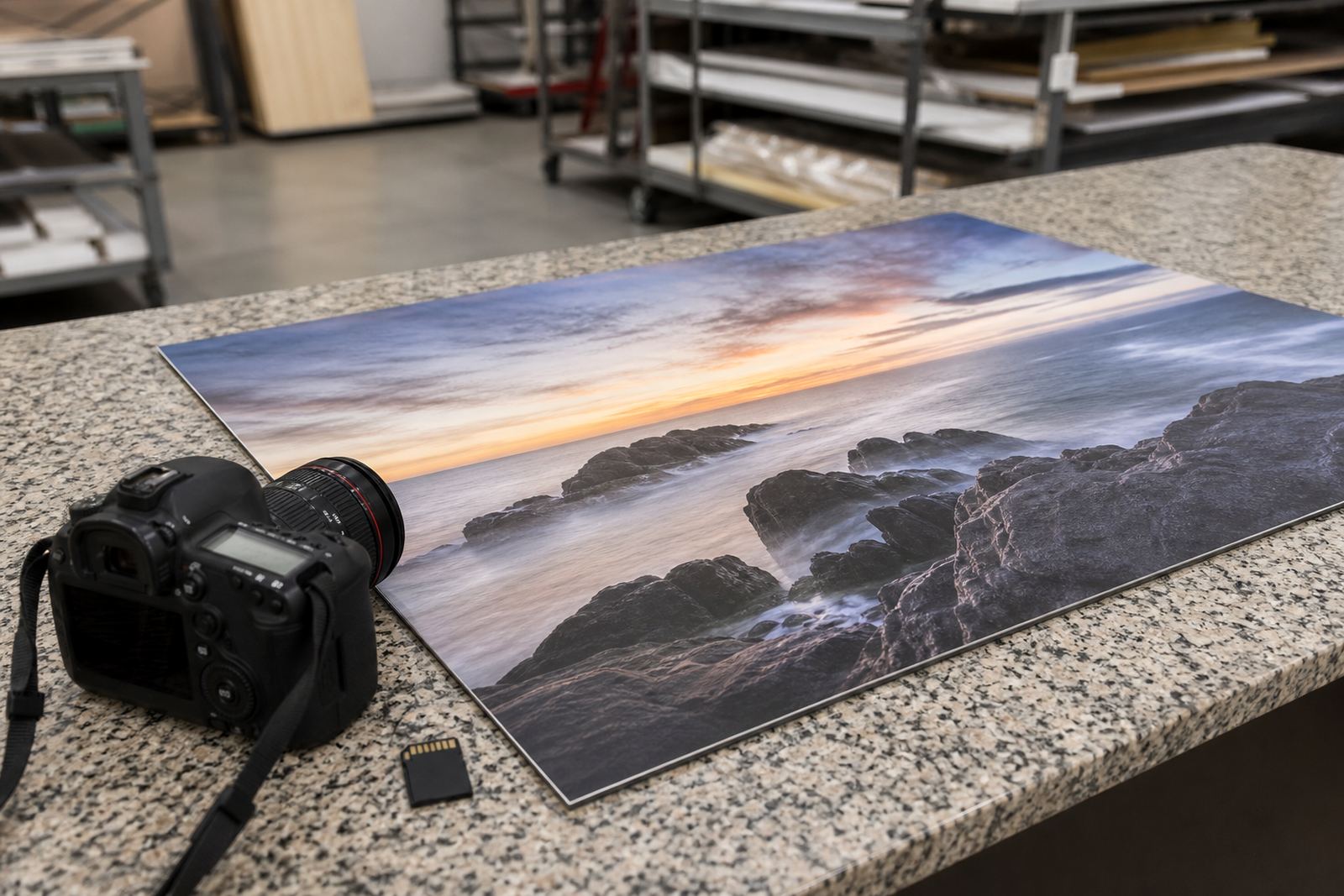
A camera file carries the information that a small phone image or compressed export often loses. When a photograph is being prepared for dye sublimation onto coated aluminium, that extra detail helps the image hold together as the size increases. Faces stay cleaner, shadows keep shape, and fine textures in clothing, architecture or landscapes do not fall apart so quickly.
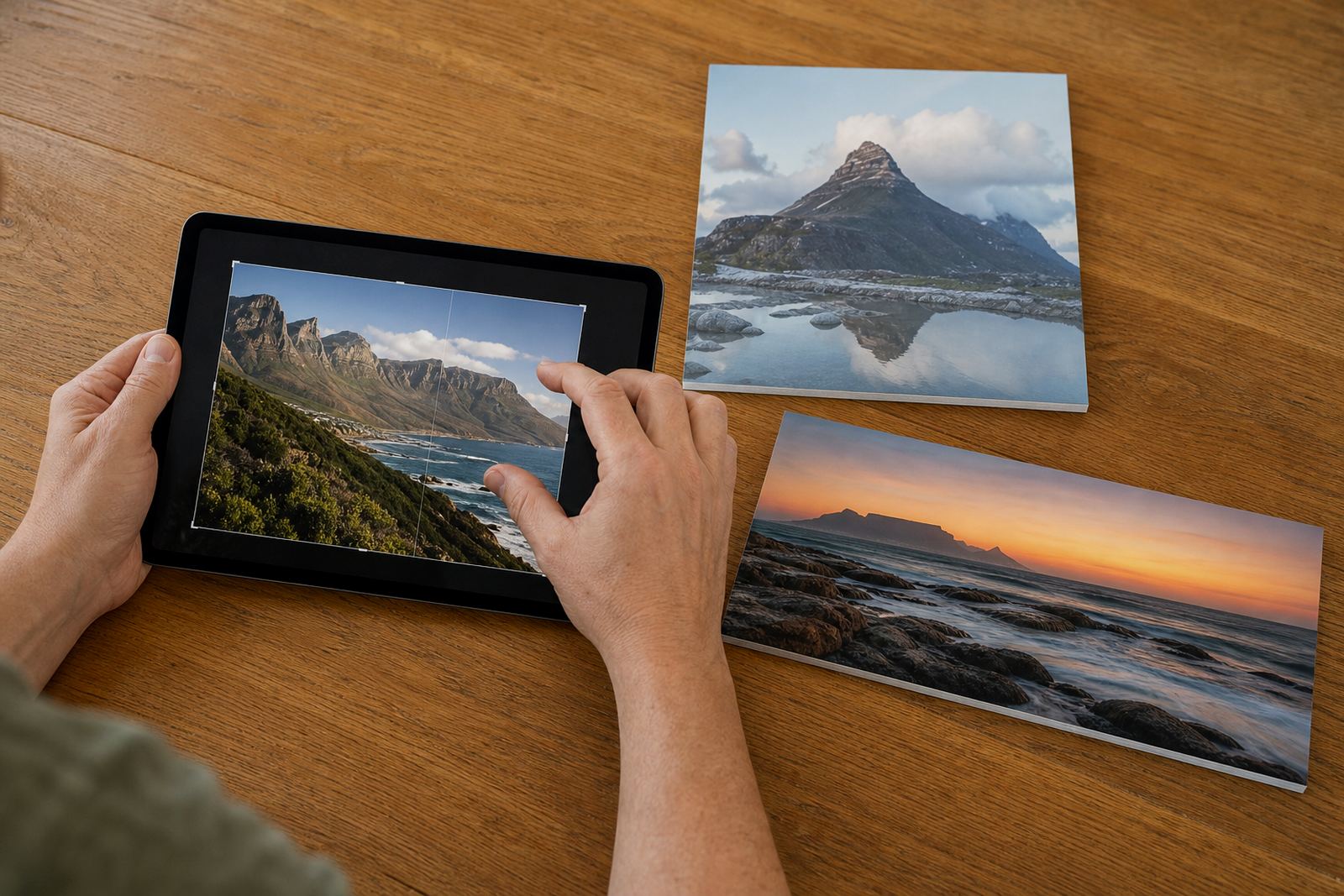
For larger panels, the starting file matters even more than the final frame size. A good source file gives room for cropping, straightening and colour correction without weakening the picture. That matters for photographers printing a client portrait in Sandton, or an artist sending a city scene for a boardroom wall in Cape Town.
- More pixels usually means more flexibility for larger panel sizes.
- Proper focus and low noise help the final surface stay crisp.
- Camera files allow better editing before the image is locked in for production.
Where resolution starts to show its worth
Not every image needs the same treatment, but resolution becomes visible as soon as a panel gets bigger. A file that looks fine on a screen can soften once it is stretched across aluminium. That is why file review is part of sensible production, especially where the customer wants a clean, premium finish rather than a quick wall print.
For a small panel in an office reception, a moderate file may be enough. For a wide feature piece above a sofa or in a showroom, the image should carry enough detail for the viewing distance. If the panel is going into a bright space with strong daylight, like a Durban seafront office, the file should also hold tonal balance after the colour adjustments are done.
- Check image dimensions before ordering.
- Keep the original camera file where possible, not a compressed copy from messaging apps.
- Avoid heavy sharpening in the camera if the picture is already crisp enough.
How the finish changes the way file errors show up
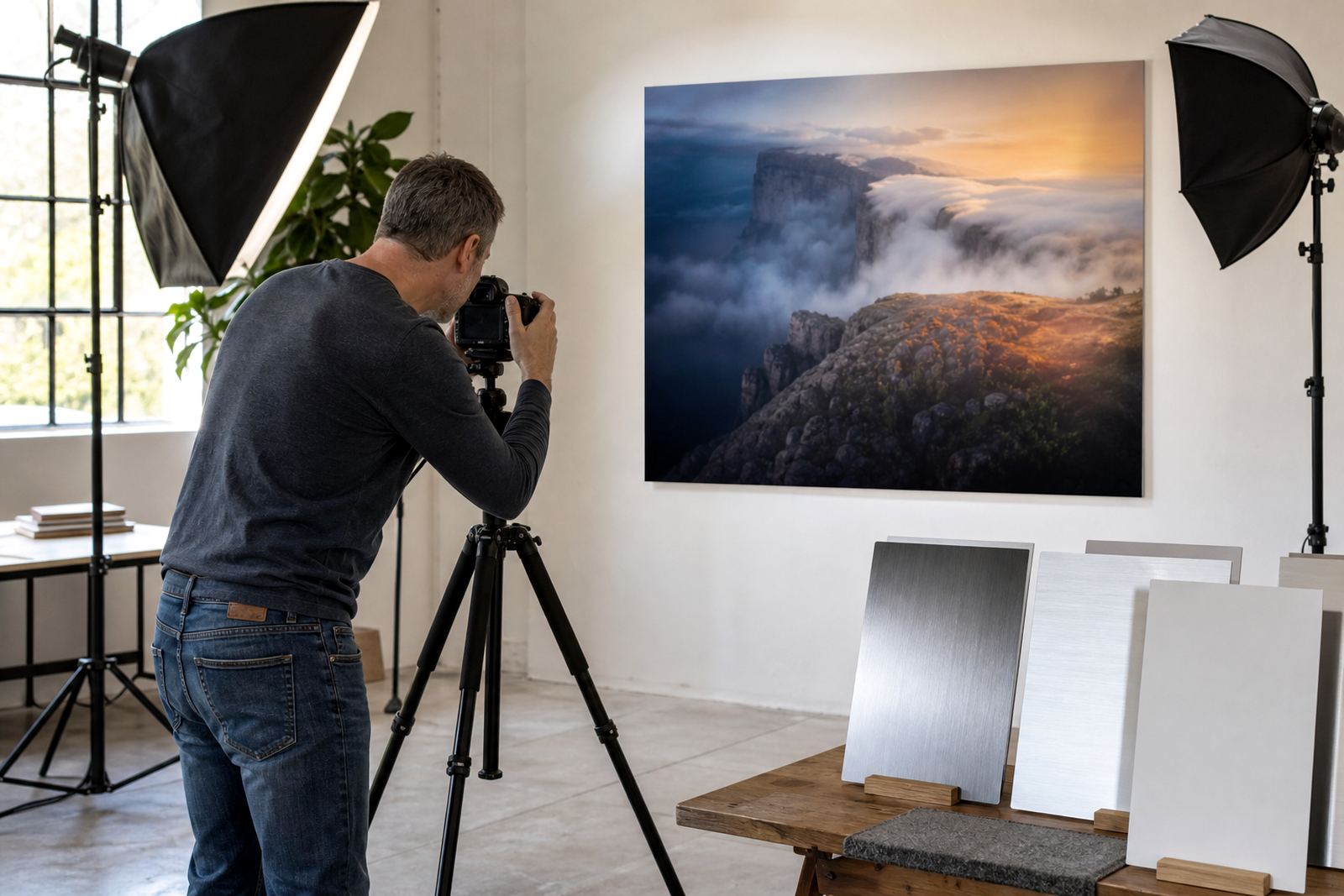
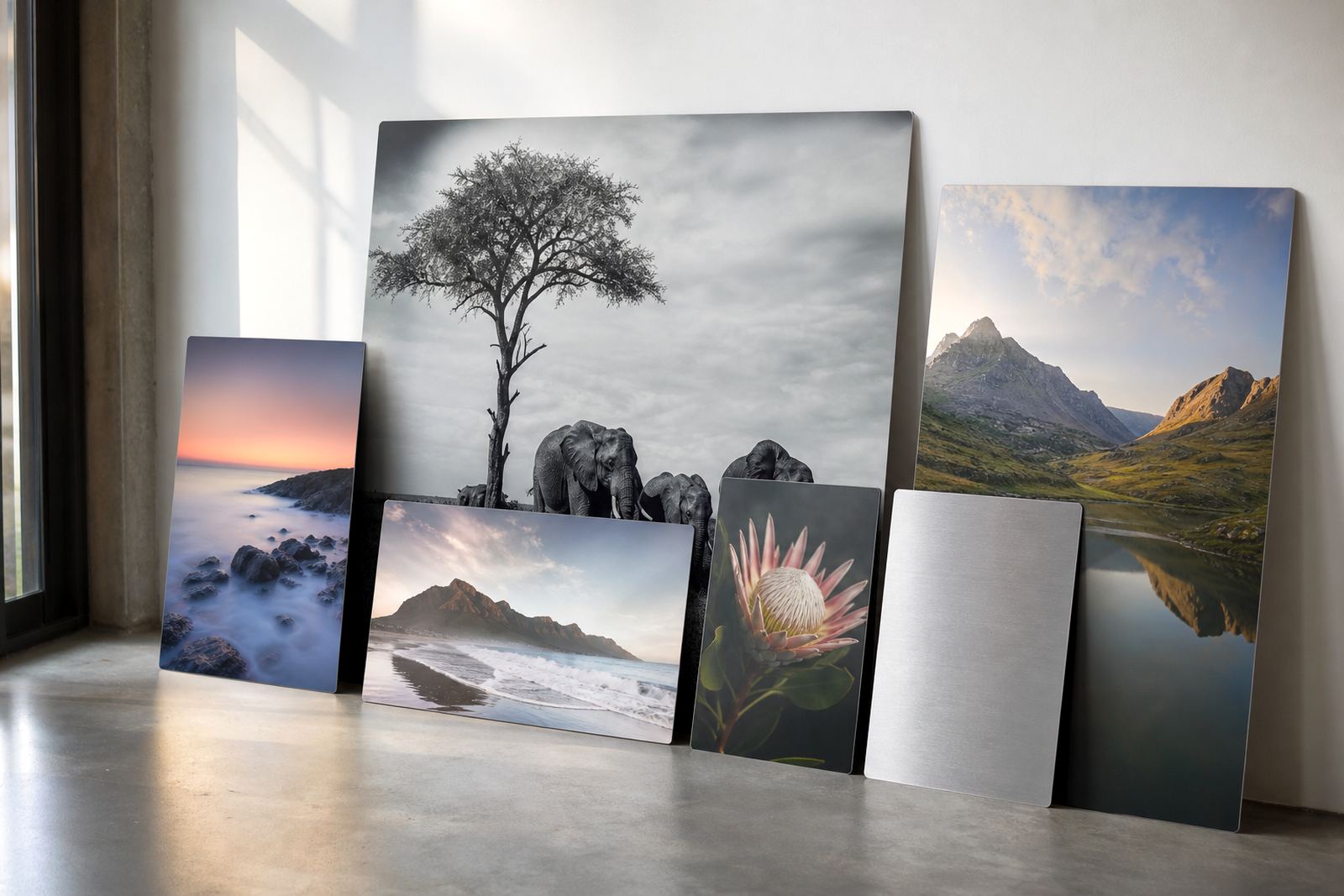
Gloss, matte, white and brushed finishes all react differently to the same photograph. A gloss panel can intensify colour and make dark areas look deeper, but it will also show glare more easily. Matte softens reflections and can be more forgiving in strong light. White panels give full colour response for most photographs. Brushed aluminium can suit industrial subjects, monochrome work or images where the metal grain becomes part of the look.
A poor file is easier to spot on some finishes than others. If a sky banding issue or a rough shadow is already in the source, a gloss surface may make it more obvious. A file check before production helps avoid that problem. It also gives space to decide whether the final image should feel punchy, soft, or slightly textured.
- Gloss works well where colour impact matters.
- Matte is useful where reflections need to be controlled.
- Brushed suits selected artworks and modern interiors.
What happens during file preparation at SubAlu
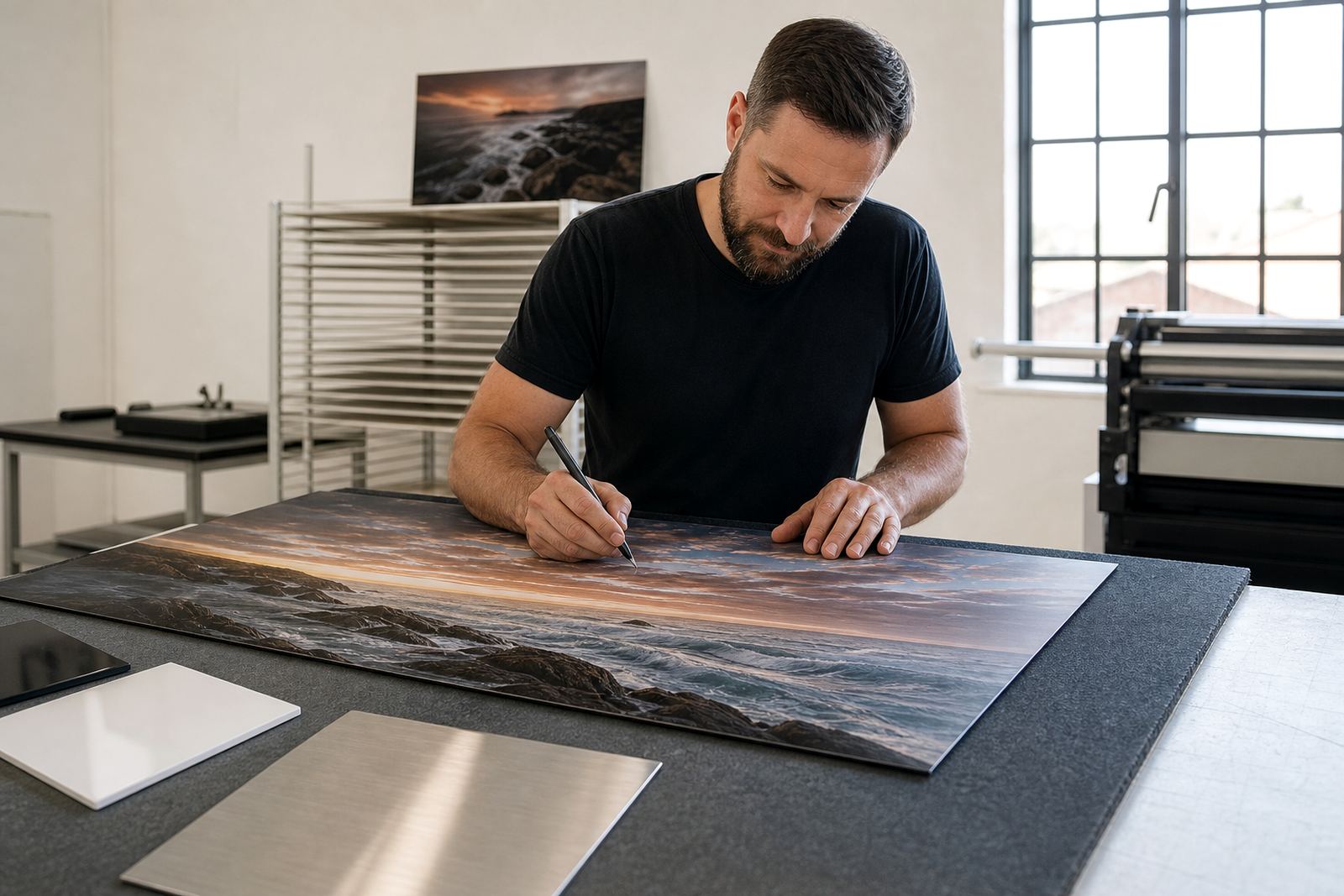
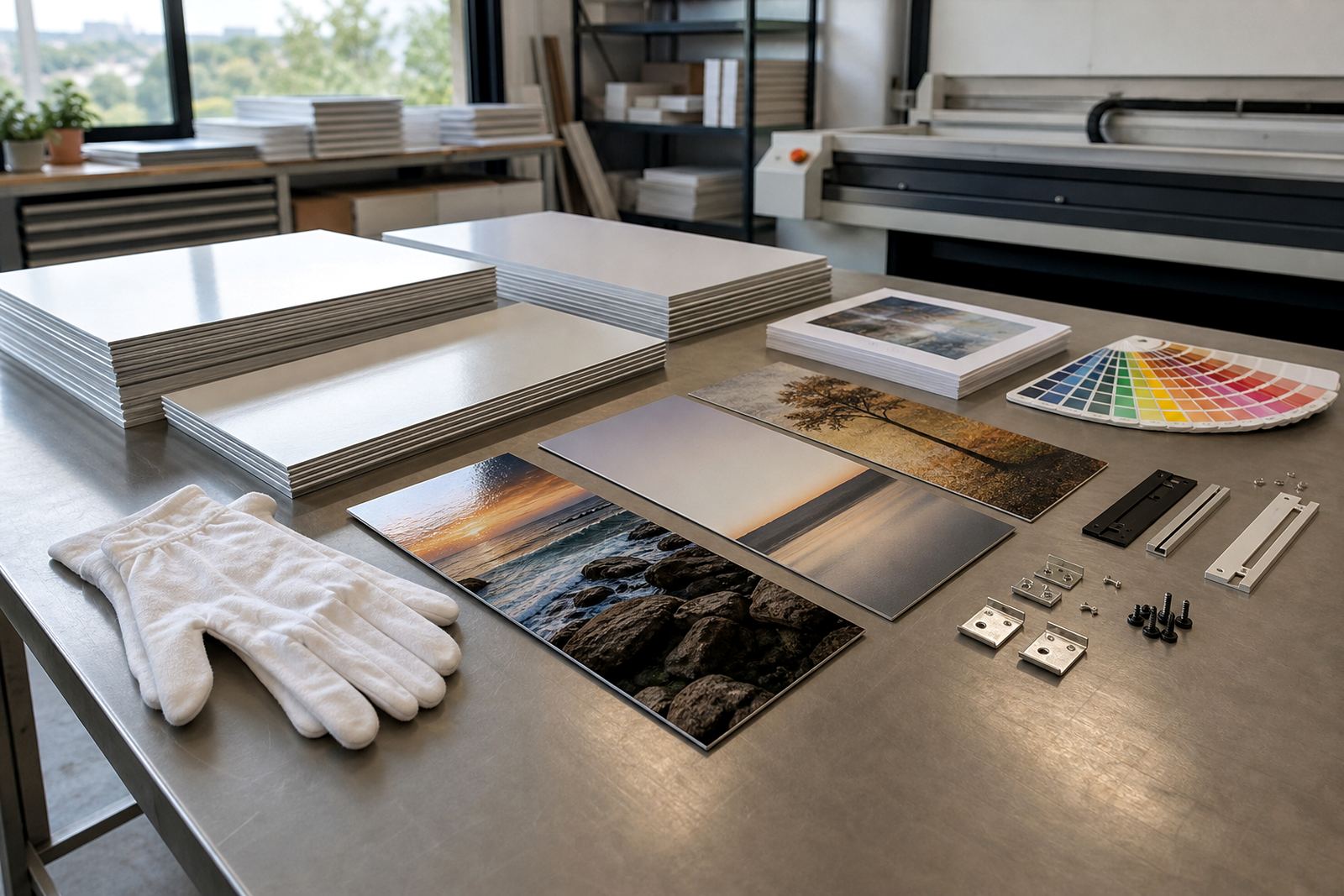
When camera files arrive for print, they are checked for size, crop, colour balance and edge placement. If needed, the image is prepared for the chosen panel dimensions so the important parts of the frame are not lost. This step is practical, not decorative. It helps protect the photograph before it is transferred onto the coated aluminium surface.
Our team also checks for matters such as straight horizons, unwanted borders and whether the image suits a portrait or landscape layout. For a multi panel piece, the file is reviewed with the split positions in mind. If the customer wants matching panels for a reception wall in Johannesburg or a hospitality space in Pretoria, the layout needs to be planned before printing starts.
- File checks for resolution and usable crop.
- Colour preparation for the selected finish.
- Test panels where the colour or surface needs confirmation.
A Randburg example that shows the difference
A local photographer in Randburg may bring in a series of family portraits shot on a proper camera, each file large enough to print at a generous size without losing skin detail. The same job, sent from a compressed chat image, would need more correction and could limit the final panel size. That gap is often what separates a tidy wall piece from one that feels blurred when viewed up close.
In a practical setting, a corporate client in Midrand may want two large panels for a meeting room. The original camera files allow the faces, logos and background lines to stay accurate after scaling. On a brushed or matte finish, the image can still carry presence without becoming harsh under overhead lights.
This is where larger metal prints earn their place. The aluminium surface is clean, durable and well suited to spaces that see regular handling, changing light, or coastal humidity. It also works well where a framed print may feel too delicate for the room.
Before you send the file, check these matters
A good print starts with a file that is ready to be handled. It also starts with clear rights to the image. Customers must own the image or have permission to use it for production. That applies to personal photographs, commercial work, artworks and event images.
There are also a few practical matters worth sorting before print day. If the panel will hang in a municipality controlled building, a school or a public venue, the mounting method may need to suit that space. If the wall gets bright sun or sits near the sea, finish choice matters. If the image is for a gallery wall, the crop and panel spacing need to be consistent. Small decisions here save time later.
- Use the original camera file where possible.
- Confirm that you have the right to print the image.
- Think about light, wall colour and viewing distance.
- Choose hanging hardware that matches the wall and the panel weight.