
Why gloss changes the first glance
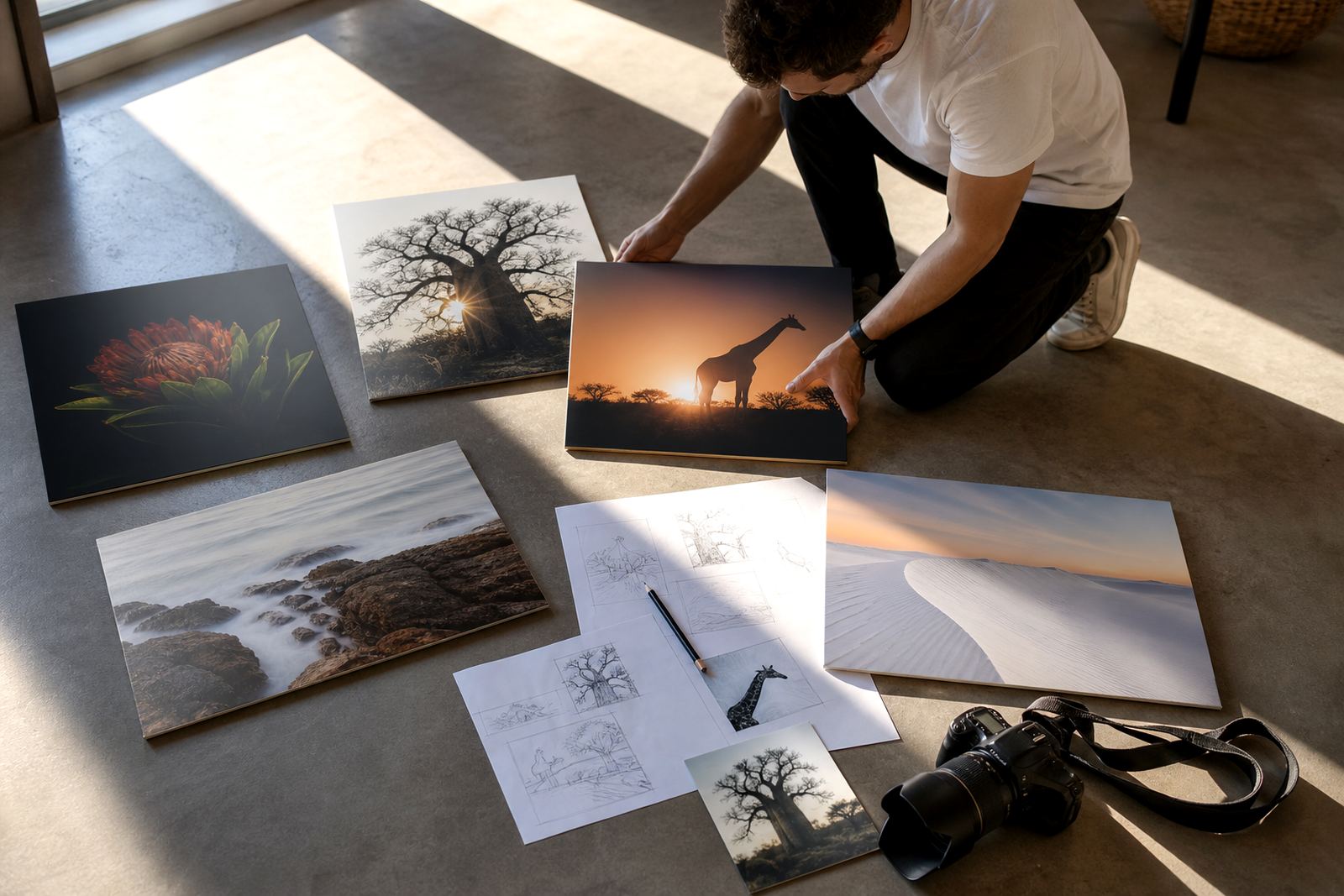
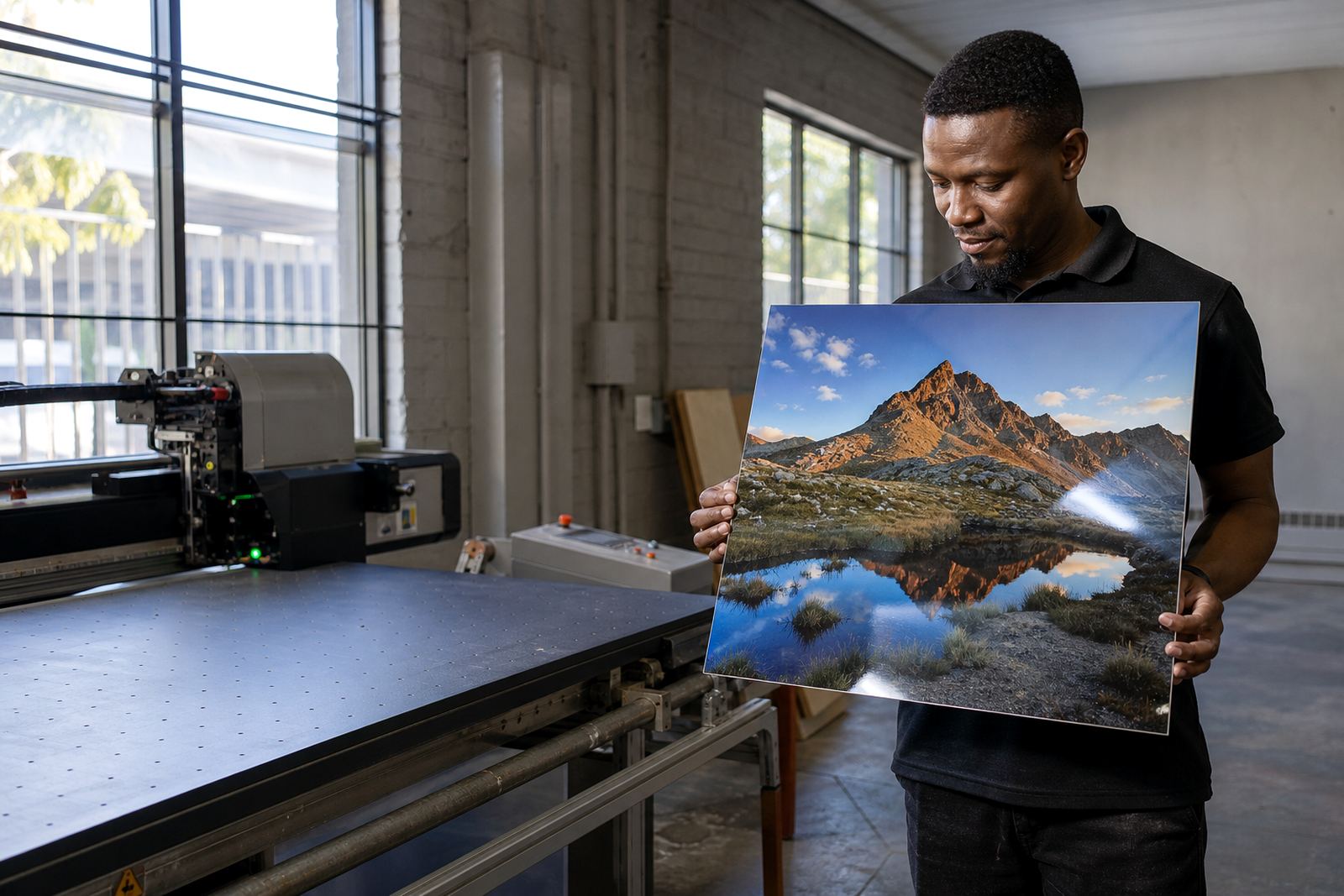
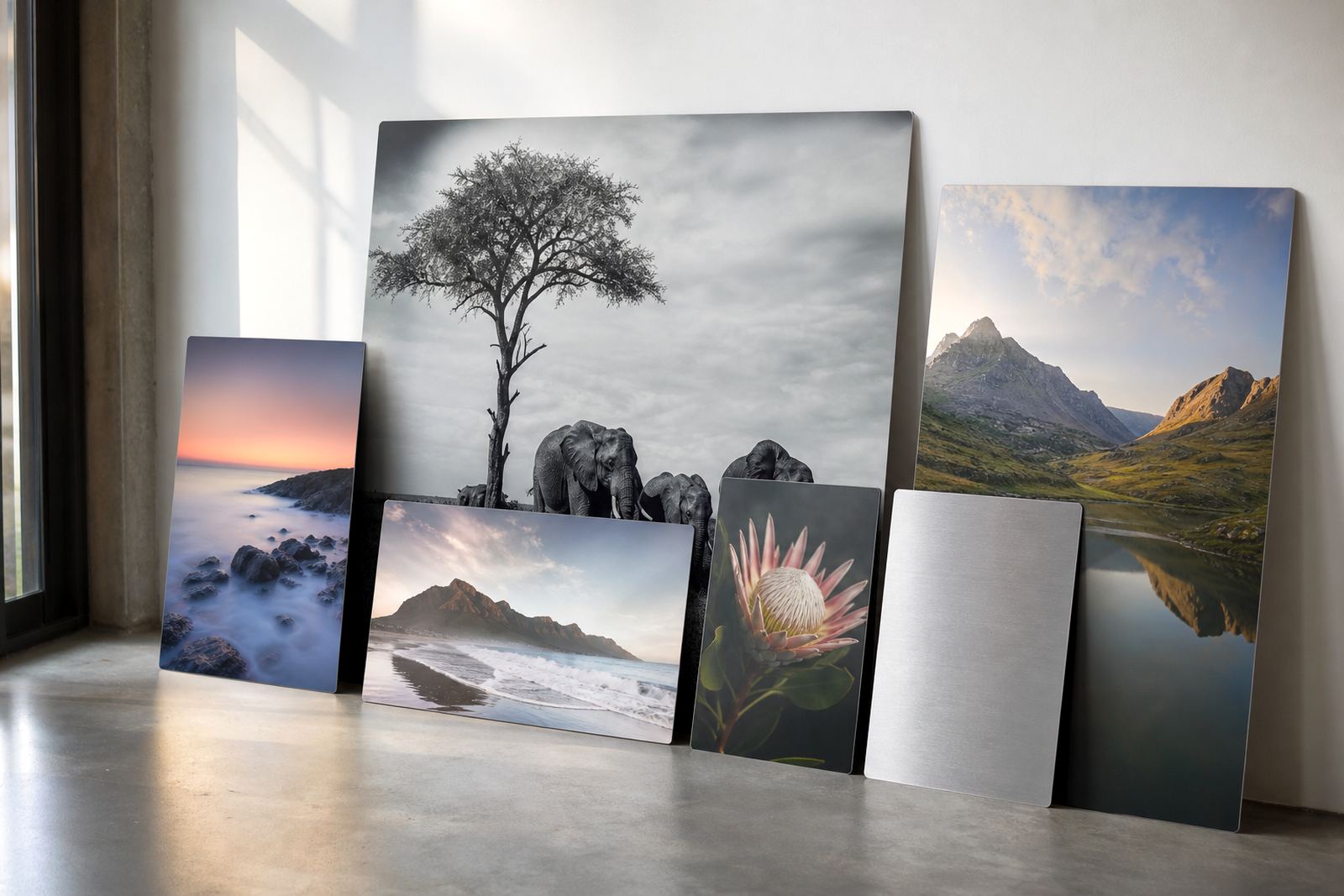
Gloss is often the finish people notice first because it catches light and gives an image a brighter, more reflective appearance. On dye sublimation aluminium photo panels, the ink is heat transferred into a coated surface, so the image sits neatly on the panel rather than on top of it. That gives gloss its sharp look, with colour that feels lively and detailed.
For work with saturated reds, deep blues, sunset tones or city lights, gloss can add strong visual lift. It suits images that are meant to be seen from across a room, such as reception walls, feature displays and statement pieces in a lounge or restaurant.
Where gloss earns its place on the wall
Gloss does not suit every image, but when the subject calls for drama it can be the better choice. In Randburg, Johannesburg, we often see gloss panels used for family portraits, product shots, motor imagery and landscapes with hard sunlight or storm contrast. The finish helps the image feel active and bright, especially in spaces with good lighting.
- Colour-heavy photography with rich blues, greens or warm sunset tones
- Images with strong contrast, such as black clothing against a light background
- Commercial displays where the panel must stand out quickly
- Interiors with controlled lighting and enough wall space for viewing distance
If the wall gets direct sun, you still need to think about glare. A glossy panel can look striking, but if it faces a bright window, reflections may become part of the viewing experience. That is not a fault, just something to plan for before you order.
What the file should do before the panel does
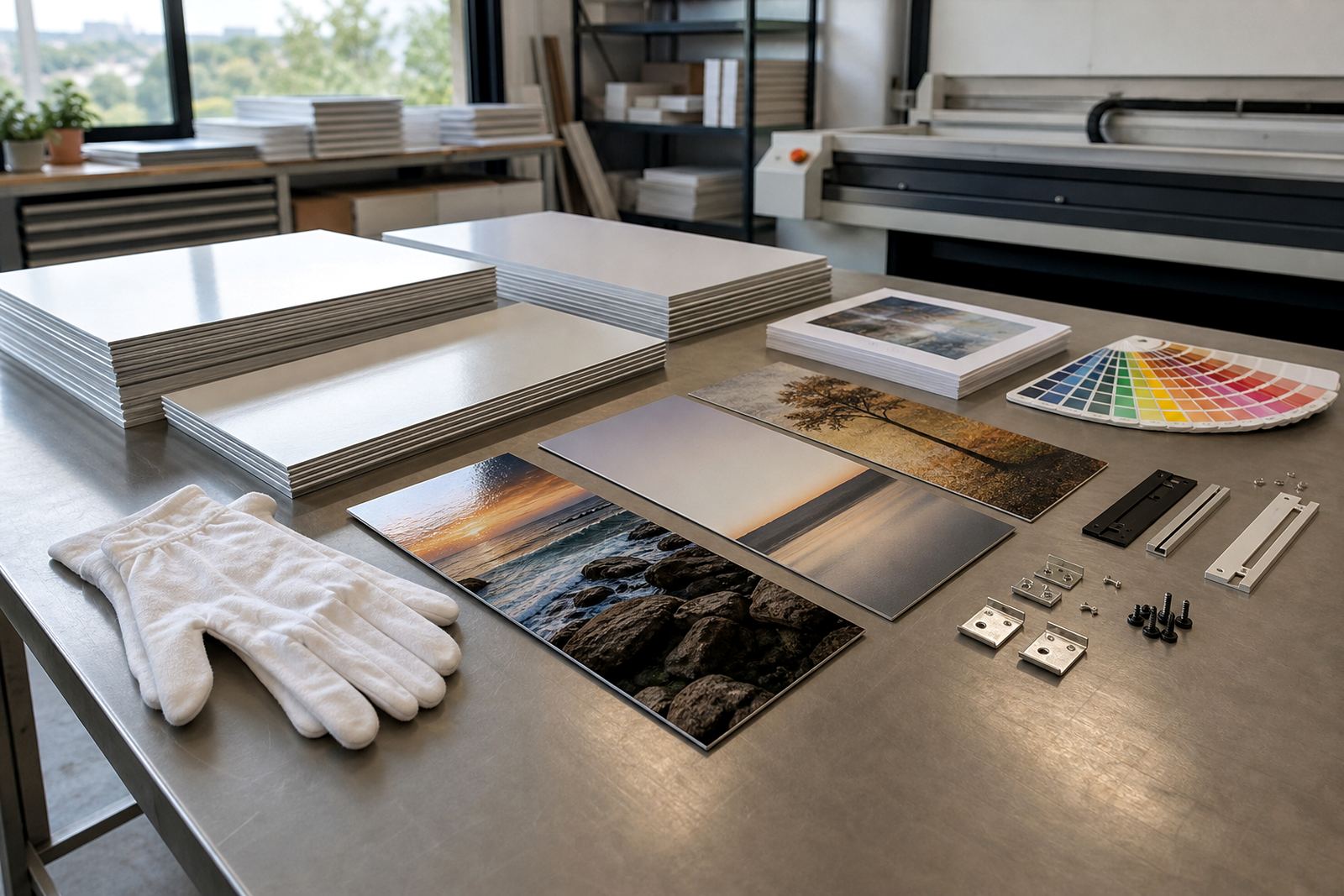
A good gloss result starts with the file, not the finishing line. Images should be supplied at proper resolution for the final size, with clean edges and careful cropping. Low resolution files may look acceptable on a phone screen but fall apart when printed large on aluminium.
- Send the highest quality file available, preferably the original export from camera or editing software
- Check that faces, text and fine detail are sharp at final print size
- Allow for trim and crop changes if the image needs to fit a specific panel size
- Make sure you own the image or have the rights to use it for printing
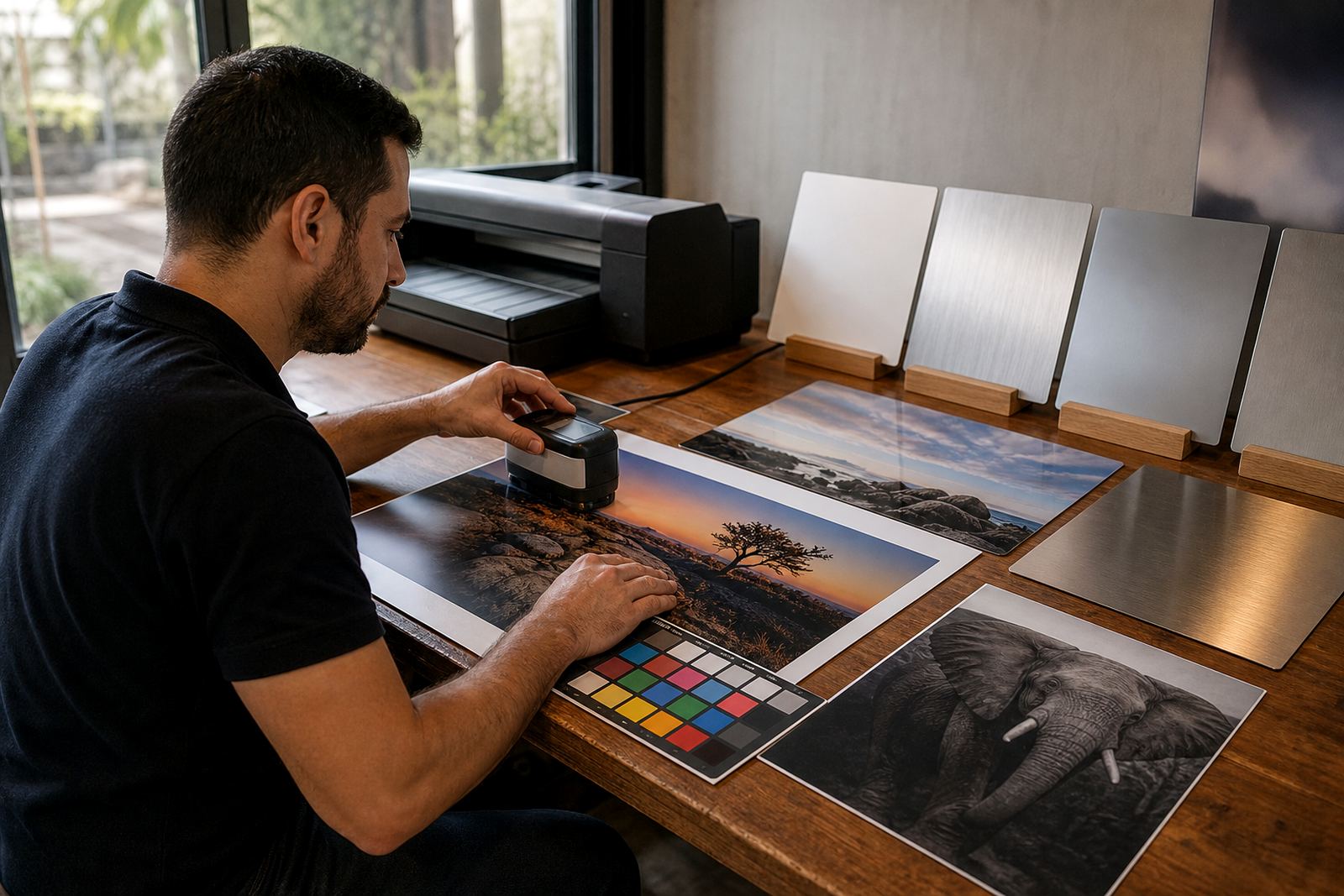
We review files for resolution, colour preparation and crop planning so the final panel is matched to the image. If a photograph is going onto a large statement piece in Sandton or a smaller wall set for a Pretoria boardroom, the file should be prepared with that final use in mind.
Gloss, matte, white and brushed on the same wall
Gloss gets the attention, but the right finish depends on the image and the room. White coated aluminium gives the cleanest base for full colour work. Matte reduces reflection and is often better for areas with strong overhead lights. Brushed aluminium adds a metallic character that can work well for monochrome, industrial subjects or images with open areas where the metal grain can show through.
In practice, finish selection comes down to how the picture will be viewed. A Durban office near large windows may need a calmer surface. A Cape Town gallery wall might want gloss for a series that depends on vivid colour. For a Gqeberha coastal home, the choice may also factor in humidity, placement and how easy it is to keep the panel looking neat.
- Gloss for bright colour, punch and a crisp, reflective surface
- Matte for lower glare and a softer viewing experience
- White for maximum colour accuracy on most photographic work
- Brushed for texture, metallic effect and selective detail
Local light makes a difference in Johannesburg homes and offices
South African interiors vary a lot, from bright west-facing rooms in Johannesburg to coastal spaces where light shifts through the day. A gloss panel in a sunny Midrand lounge can look different from the same panel in a shaded passage or an office with controlled lighting. That is why finish selection is never just about taste, it is also about the wall.
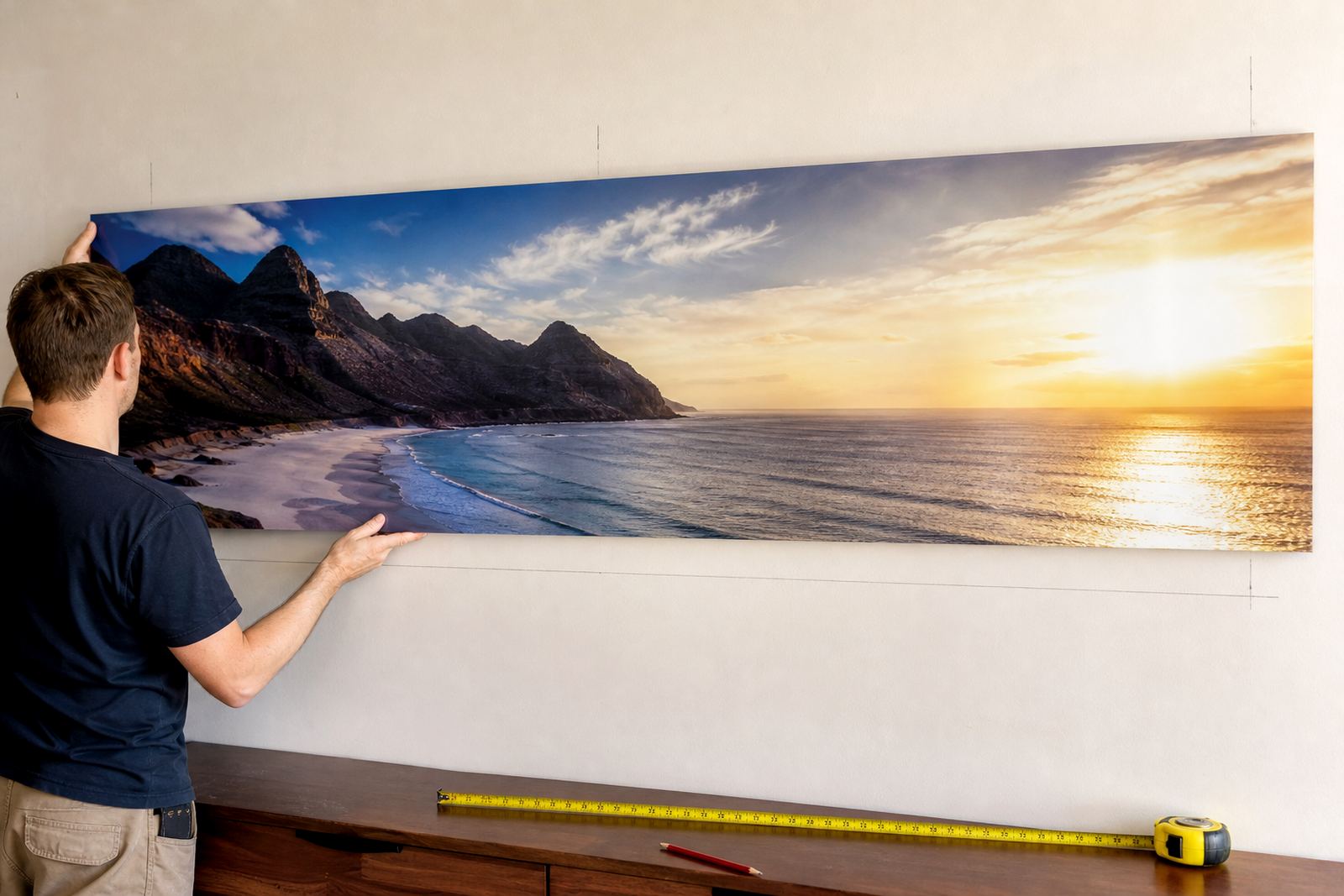
For example, a photographer in Randburg might print a vivid dusk scene for an office reception. Gloss can bring out the orange and violet layers, but the panel should be hung where visitors see the image front on, not from a sharp angle. If the piece is going into a busy business entrance, hanging hardware should be selected for the wall type and the panel size so it sits level and secure.
In low light, gloss can appear richer and deeper. Under strong daylight or LED spots, reflections become more noticeable. Testing the chosen finish on a small panel first can save disappointment on a larger order.
Mounting, packing and care that keep the shine honest
Gloss surfaces are durable, but they still need sensible handling during mounting and cleaning. Hanging hardware should be matched to the panel size and the wall material, whether it is drywall, masonry or a timber frame wall. For larger panels, fixed mounting points and level placement matter because any tilt becomes obvious on a reflective surface.
Care is straightforward. Dust with a soft, dry cloth and avoid abrasive cleaners. In coastal areas, especially where moisture is part of everyday life, it helps to keep panels away from constant damp and direct spray. Packed properly, aluminium panels travel well between Johannesburg and cities such as Cape Town, Durban, Pretoria and Gqeberha without the warping issues that can affect some other display materials.
- Use suitable fixings for the wall type and panel weight
- Keep the panel out of constant direct water or steam
- Wipe gently, do not scrub the printed surface
- Check the hanging points after transport or moving furniture nearby
Our packing and delivery is handled with the final installation in mind, because a well-printed gloss panel still needs to arrive square, clean and ready for display.