

Start with the room, not the panel
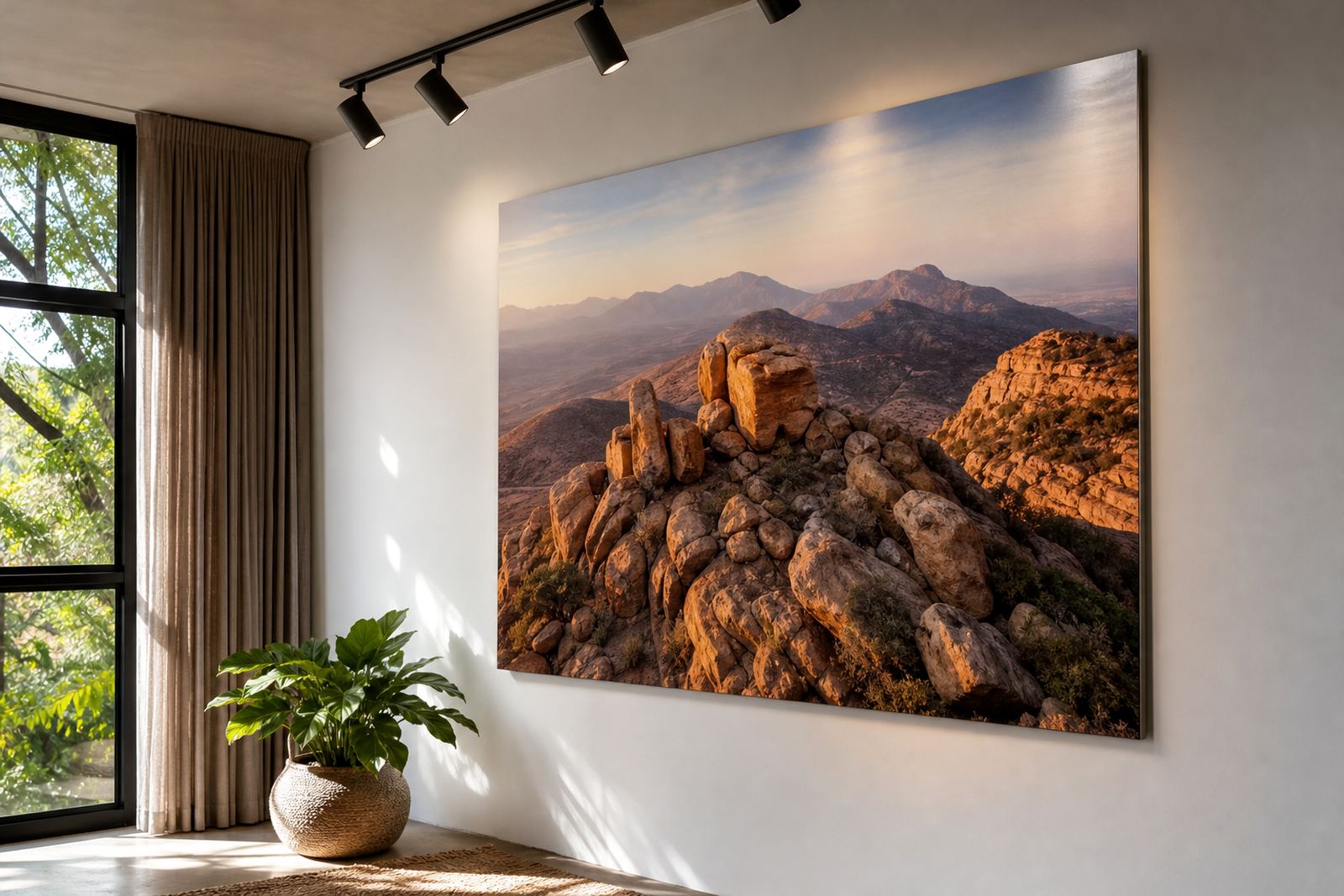
The best panel choice usually comes from where it will hang. A bright office in Sandton needs a different finish from a coastal home in Durban, and a gallery wall in Cape Town can call for a very different viewing distance to a reception area in Pretoria. Think about light, wall colour, humidity and how close people will stand to the print.
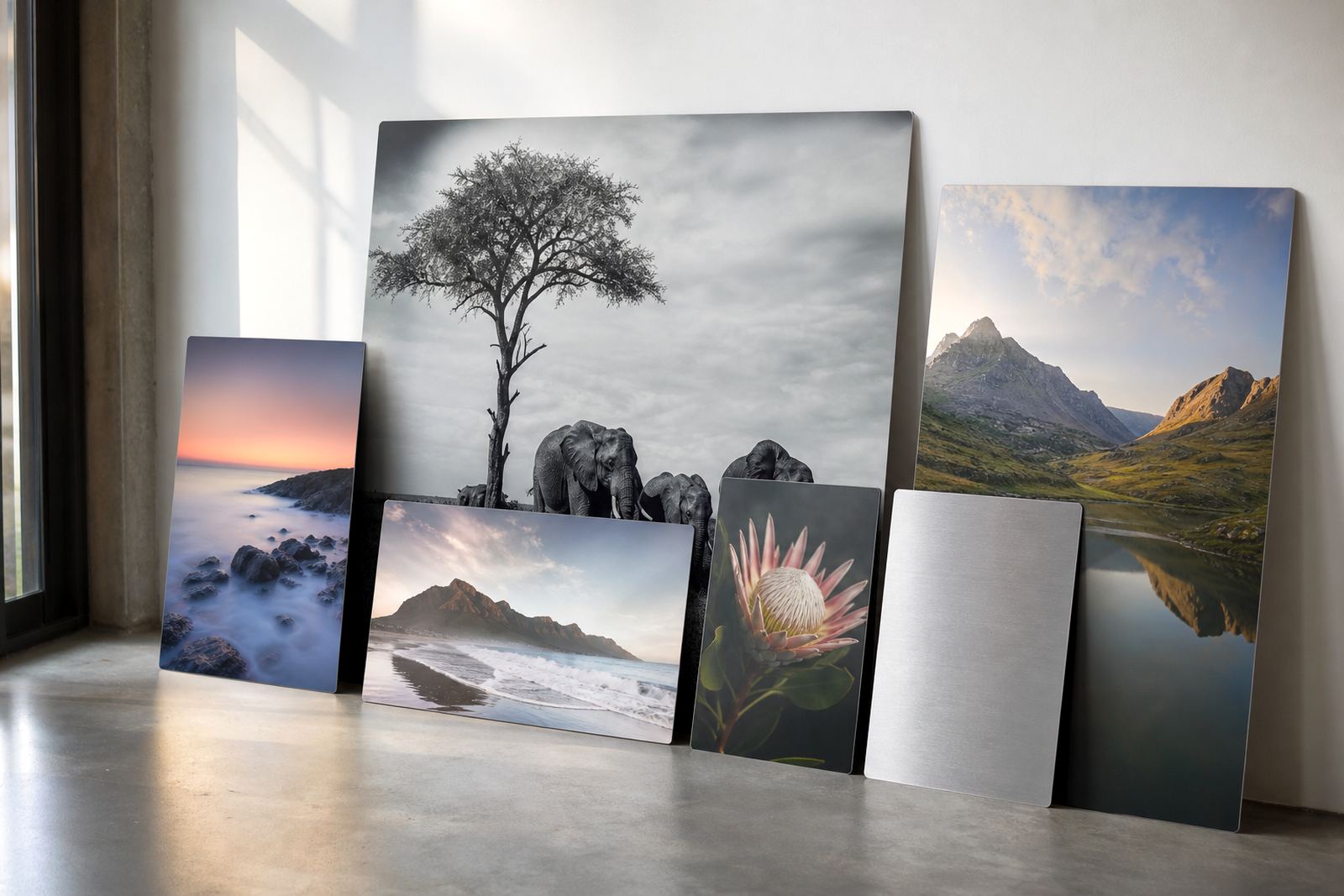
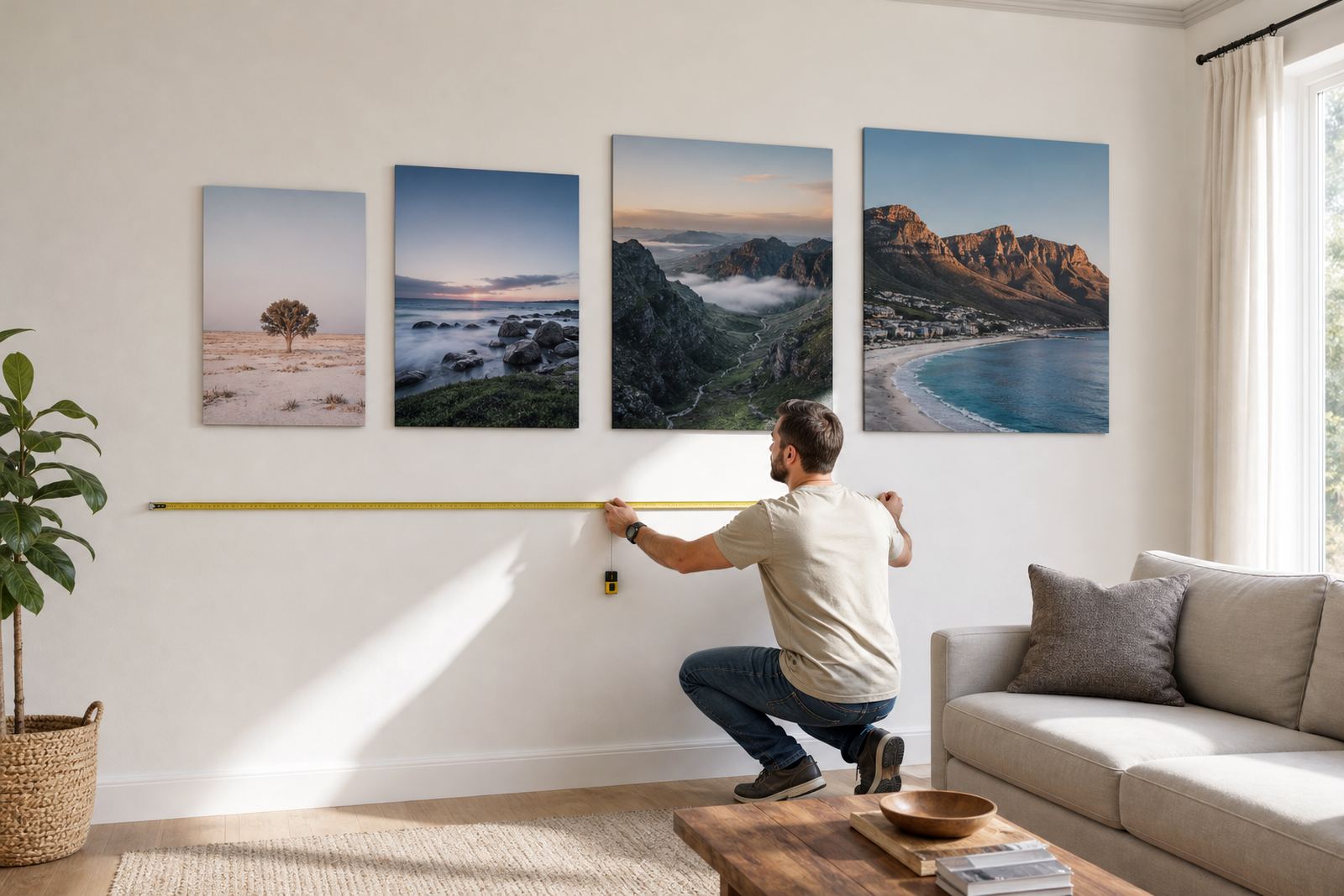
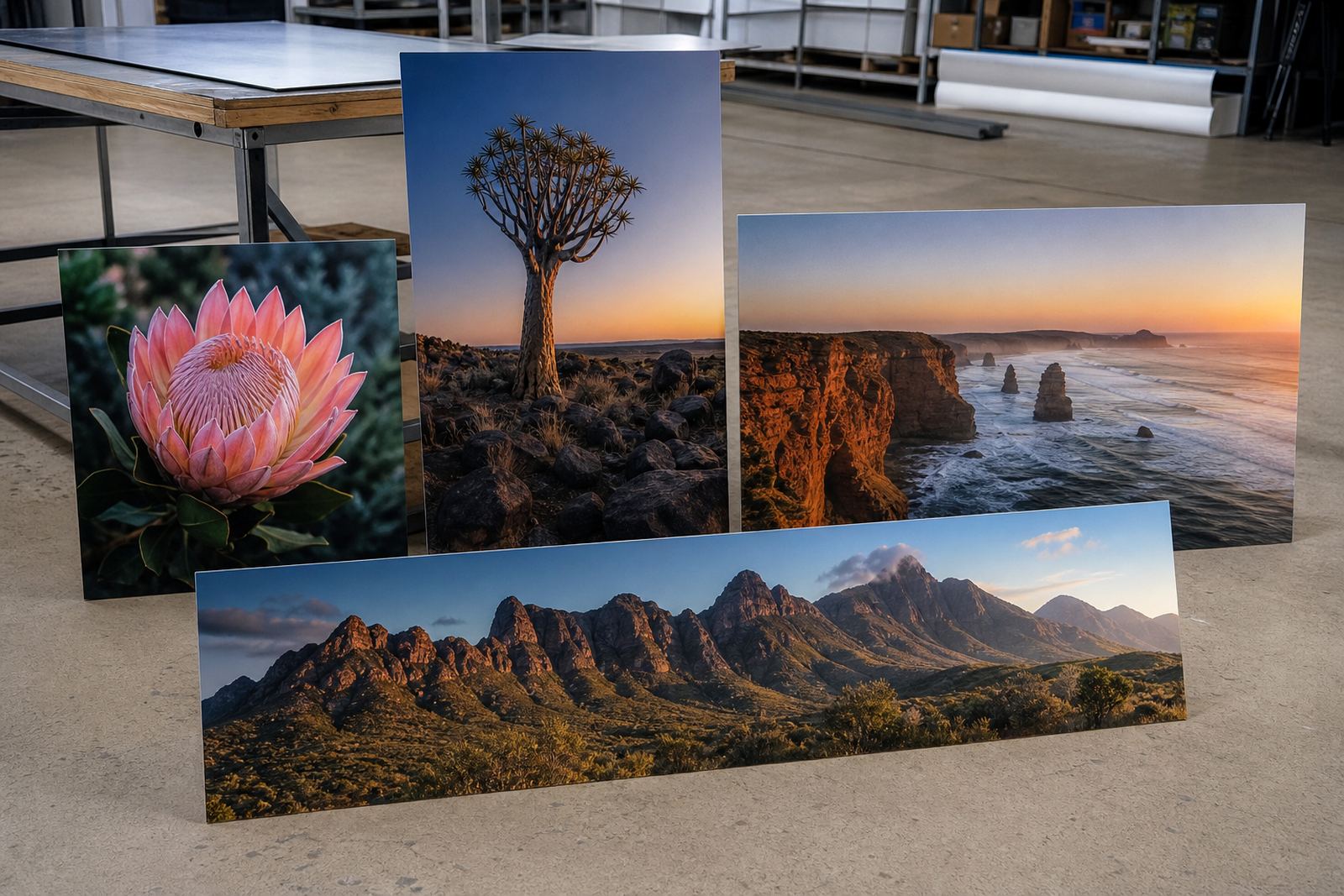
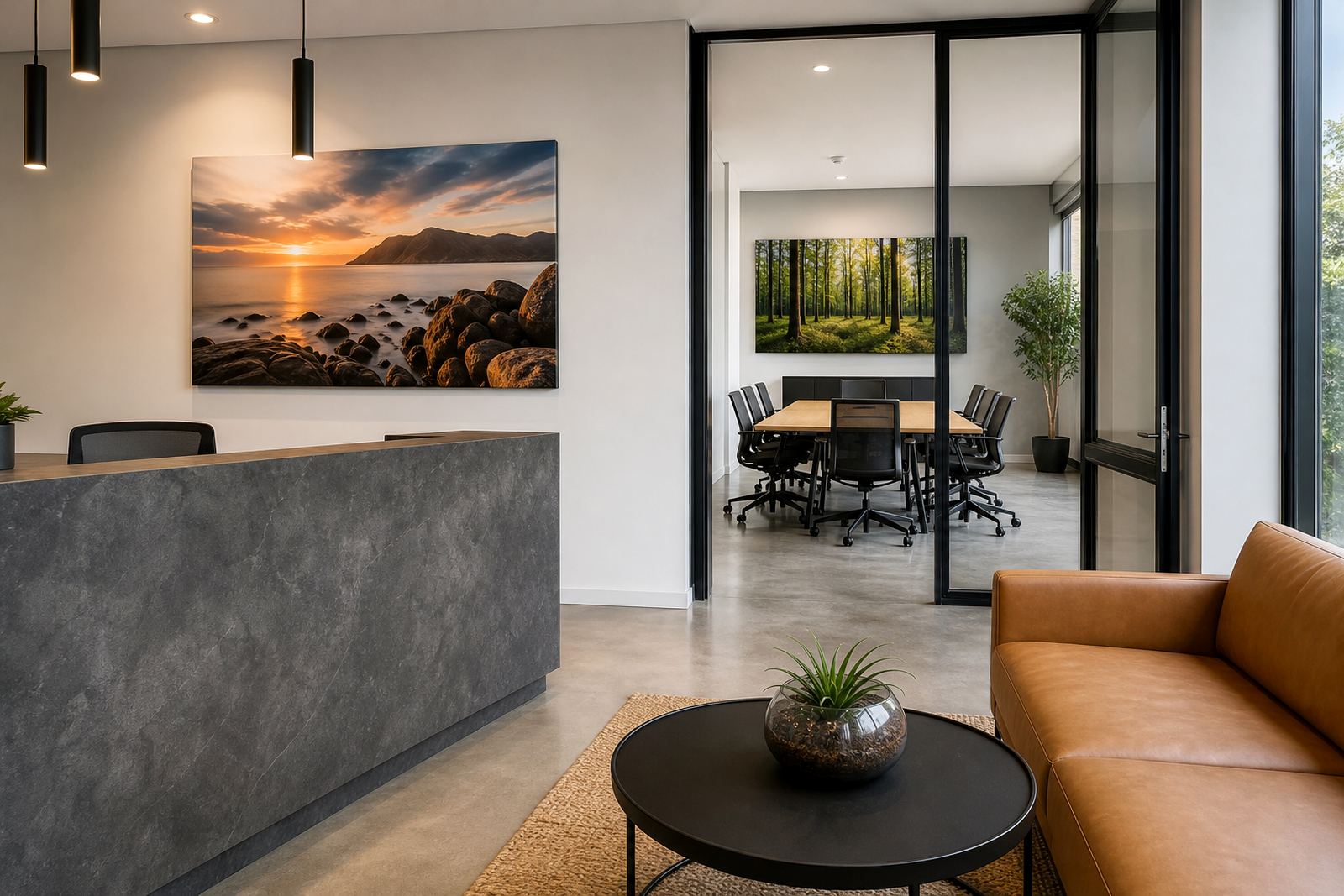
For larger spaces, a single statement piece can work well, while multi panel layouts suit corridors, stair walls and boardrooms. If the image has fine detail, give it enough size so the artwork does not feel cramped. For products with lots of texture or shadow, a test panel can help confirm how the image behaves on coated aluminium before a full run.
Finish choices that change the whole feel
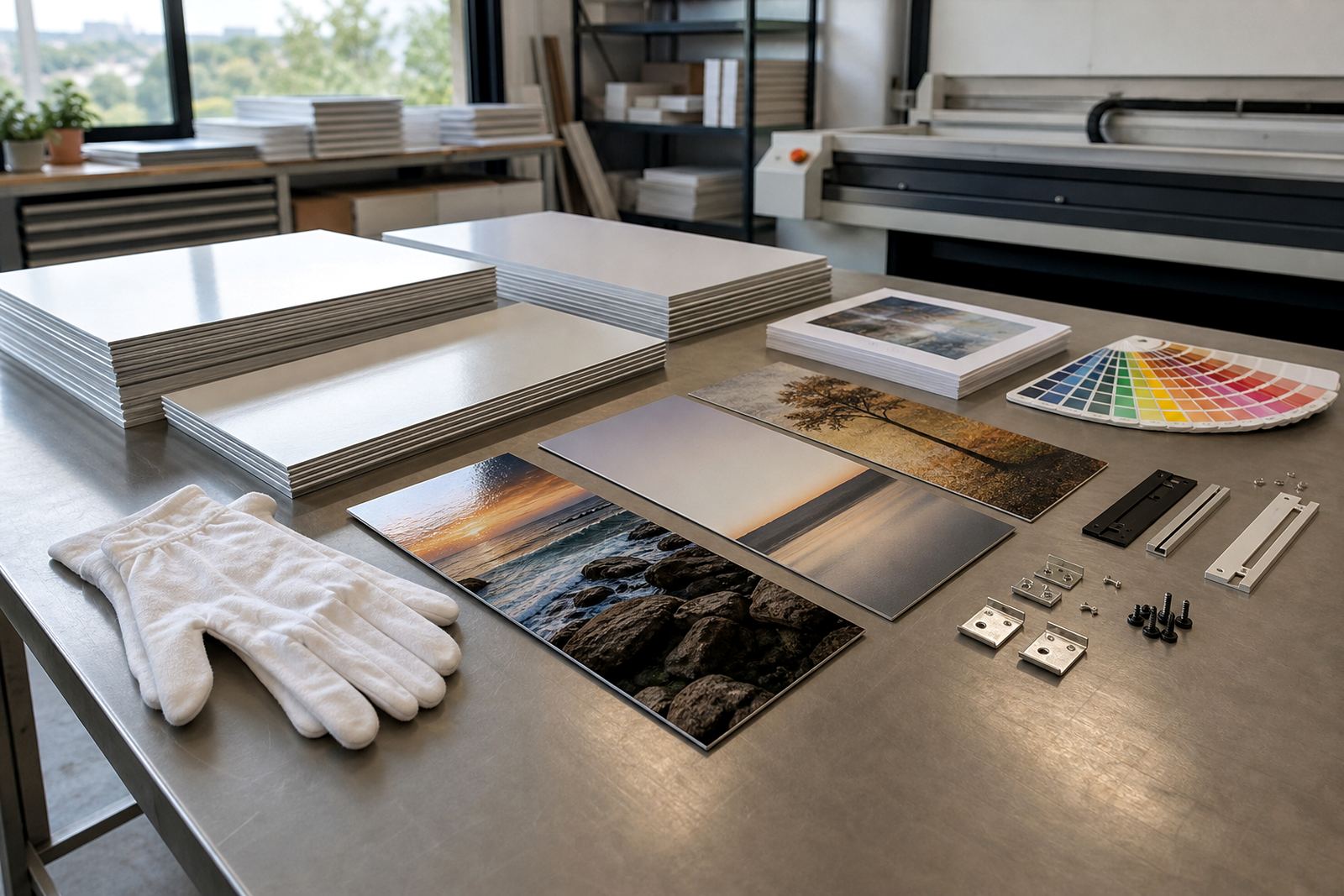
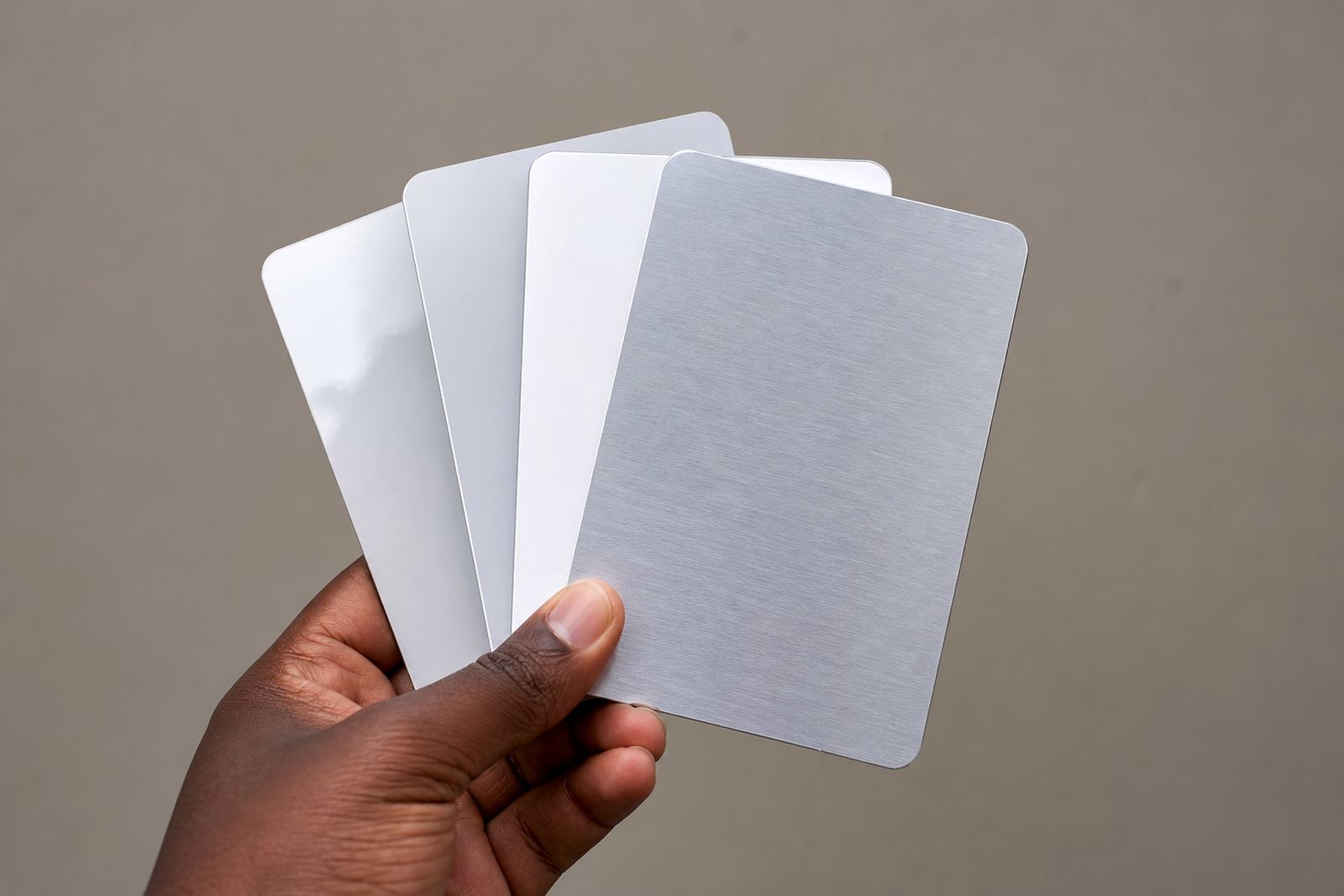
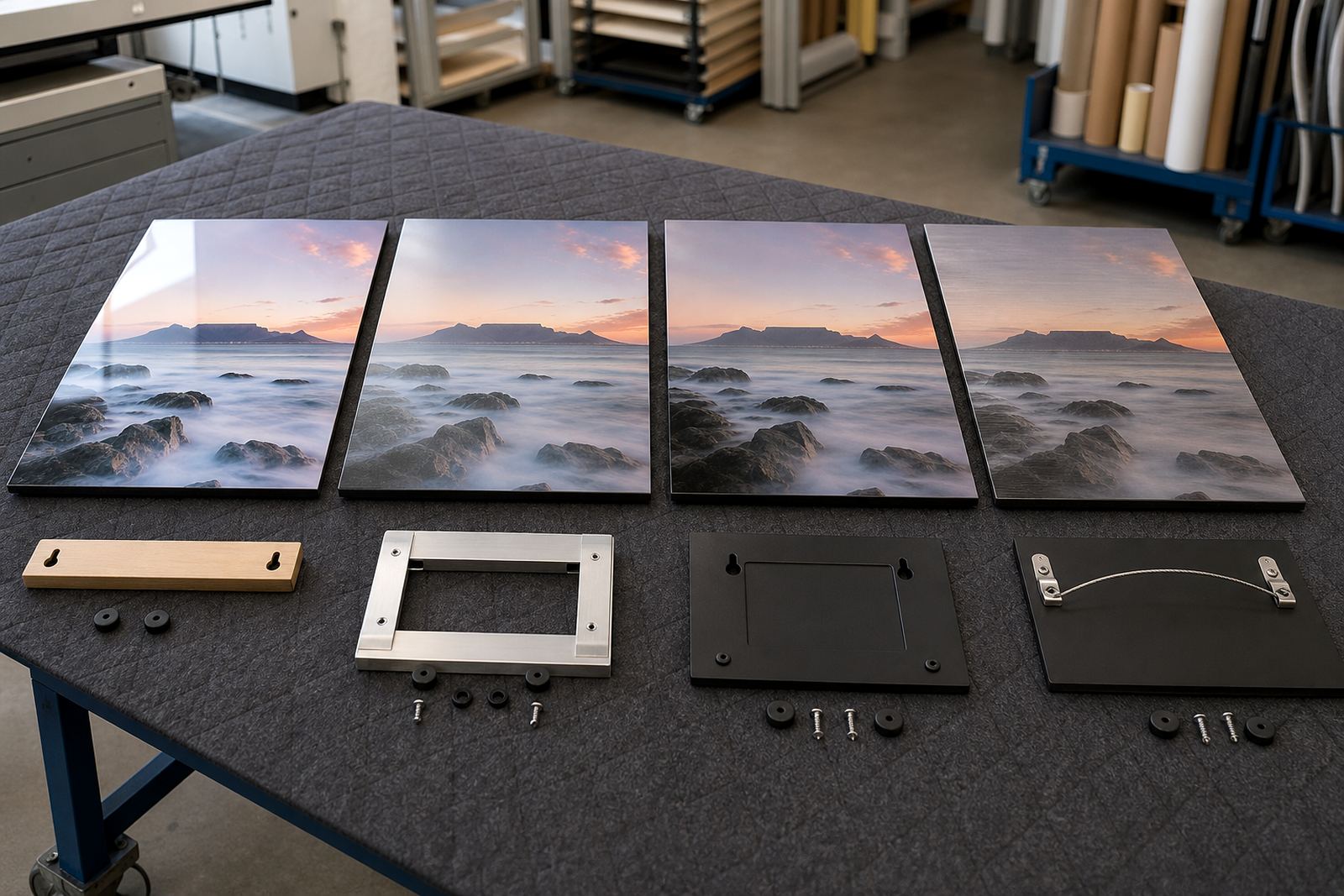
Dye sublimation on coated aluminium gives a clean, durable surface with strong colour and good detail. The finish you choose affects glare, contrast and how the image reads in daylight or under indoor lighting.
- Gloss gives extra shine and deeper colour pop, but it can reflect windows and spotlights.
- Matte reduces glare and works well for offices, hospitality spaces and rooms with lots of natural light.
- White base gives the most faithful colour reproduction and is often preferred for photographs with bright whites and clean highlights.
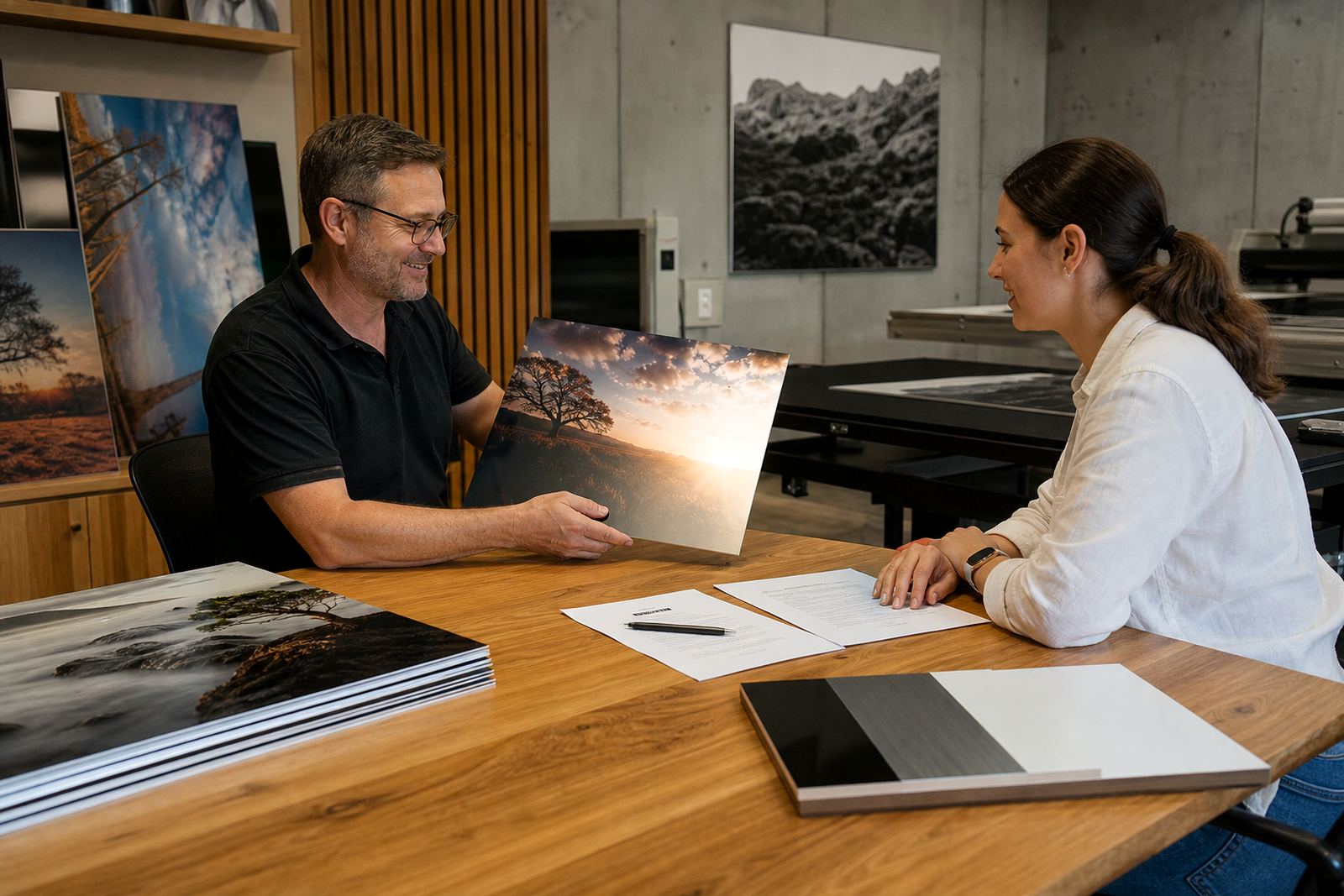
- Brushed aluminium allows the metal texture to show through in certain areas, which suits industrial, monochrome or graphic artwork.
The right finish is often a balance between image style and viewing conditions. A glossy wildlife print for a lounge may look excellent, while the same image in a sunlit passage might suit matte better.
File quality and the details that matter
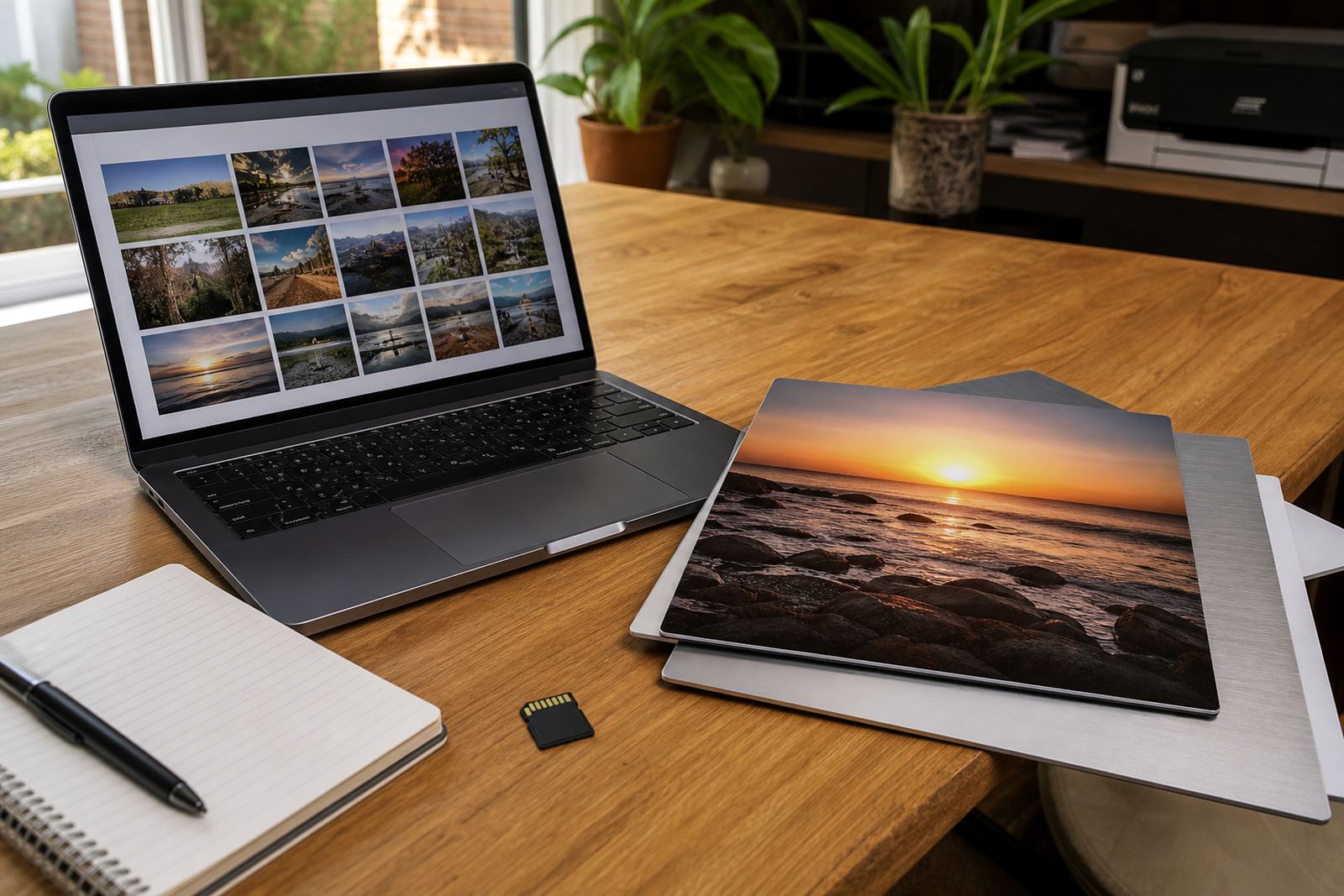
Good source files save time and reduce surprises. High resolution is important because aluminium panels can hold fine detail very well, especially on close viewing. As a guide, aim for a clean file at final print size, with sharp edges and no heavy compression. JPEGs can work if they are saved at high quality, while layered files are useful when colour work or cropping is still in progress.
We review files for crop safety, aspect ratio and colour preparation before printing. Dark shadows may lose detail if the original file is too compressed, and bright areas can clip if the highlights are already blown out. Slight colour shifts can happen if a file is too dark, so we check it before printing.
- Keep important faces, text and horizon lines away from the trim edge.
- Match the image shape to the panel size where possible.
- Send the highest quality version you have, not a screenshot.
- Include notes if you want a specific crop or layout.
Sizing for walls, counters and viewing distance
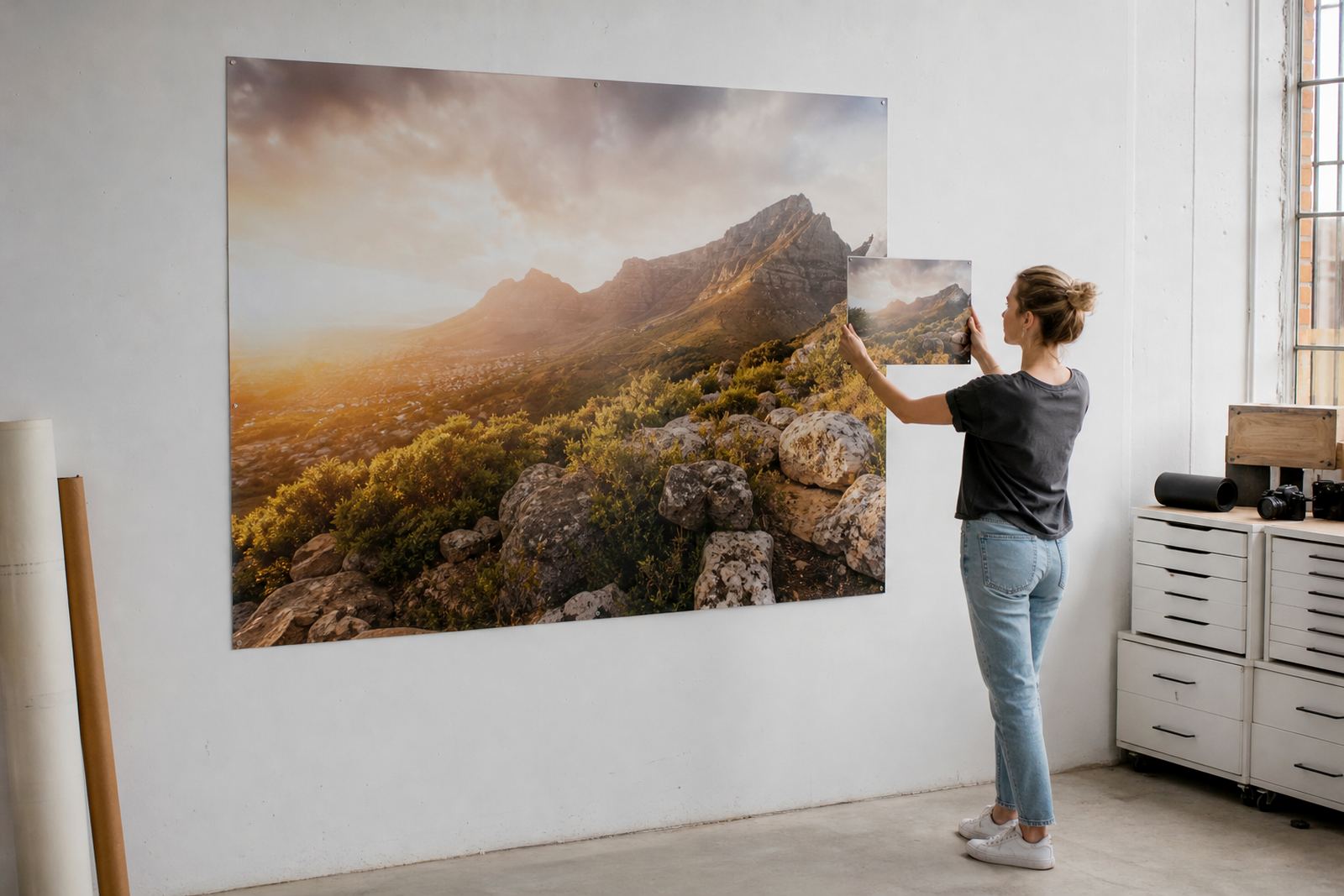
Panel size should suit both the wall and how far people stand from it. A small panel can look sharp on a counter-side wall or shelf area, while a larger print can anchor a reception space or feature wall. In offices, the right size often depends on furniture below the artwork and whether the panel is a single image or part of a set.
Custom sizing is useful when the wall space is awkward, or when you need repeatable dimensions for a project across several branches. If you are fitting a series of panels in Johannesburg, Cape Town, Durban, Pretoria or Gqeberha, keeping the same proportions makes installation easier and the final result more orderly.
Mounting and wall fitting without guesswork
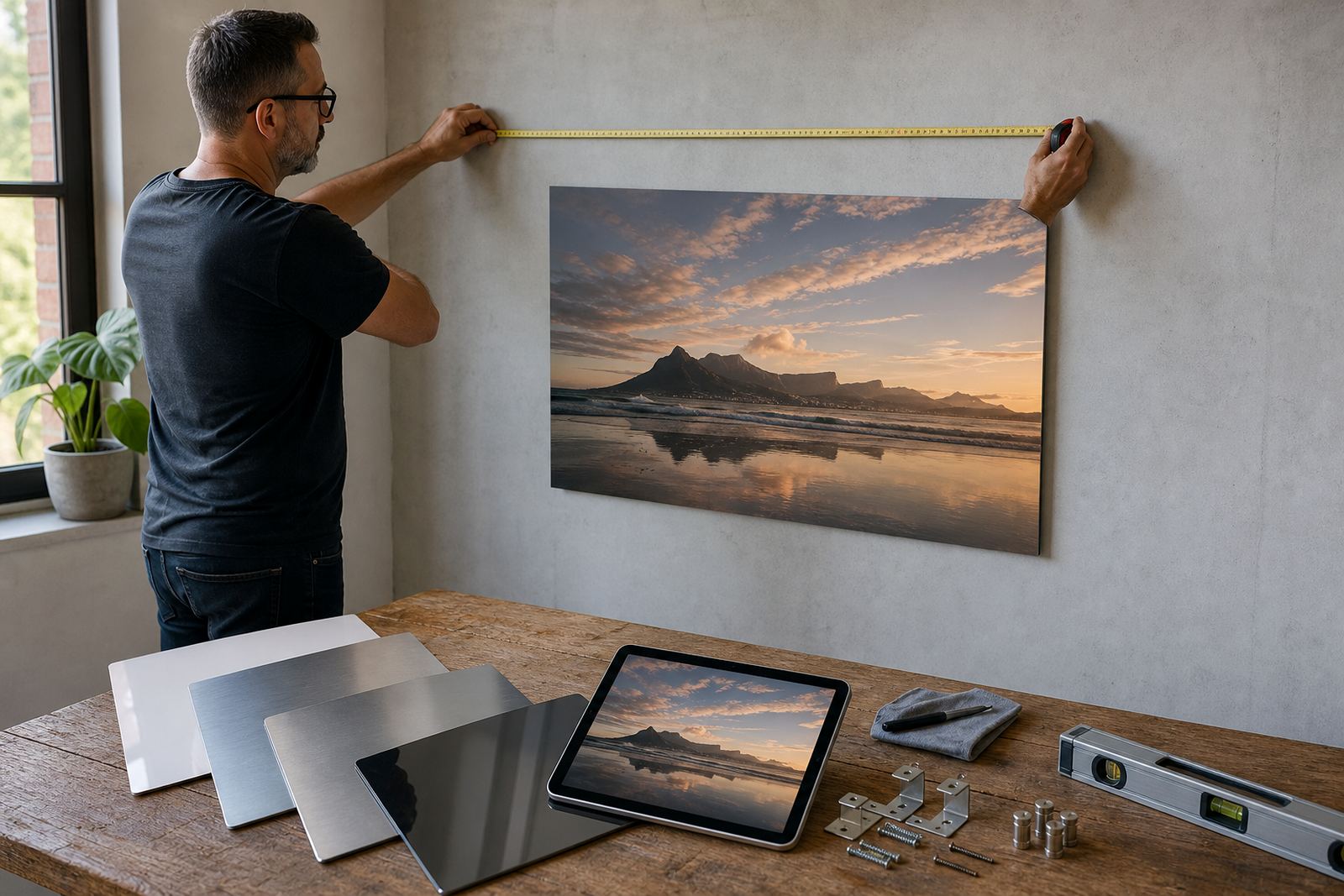
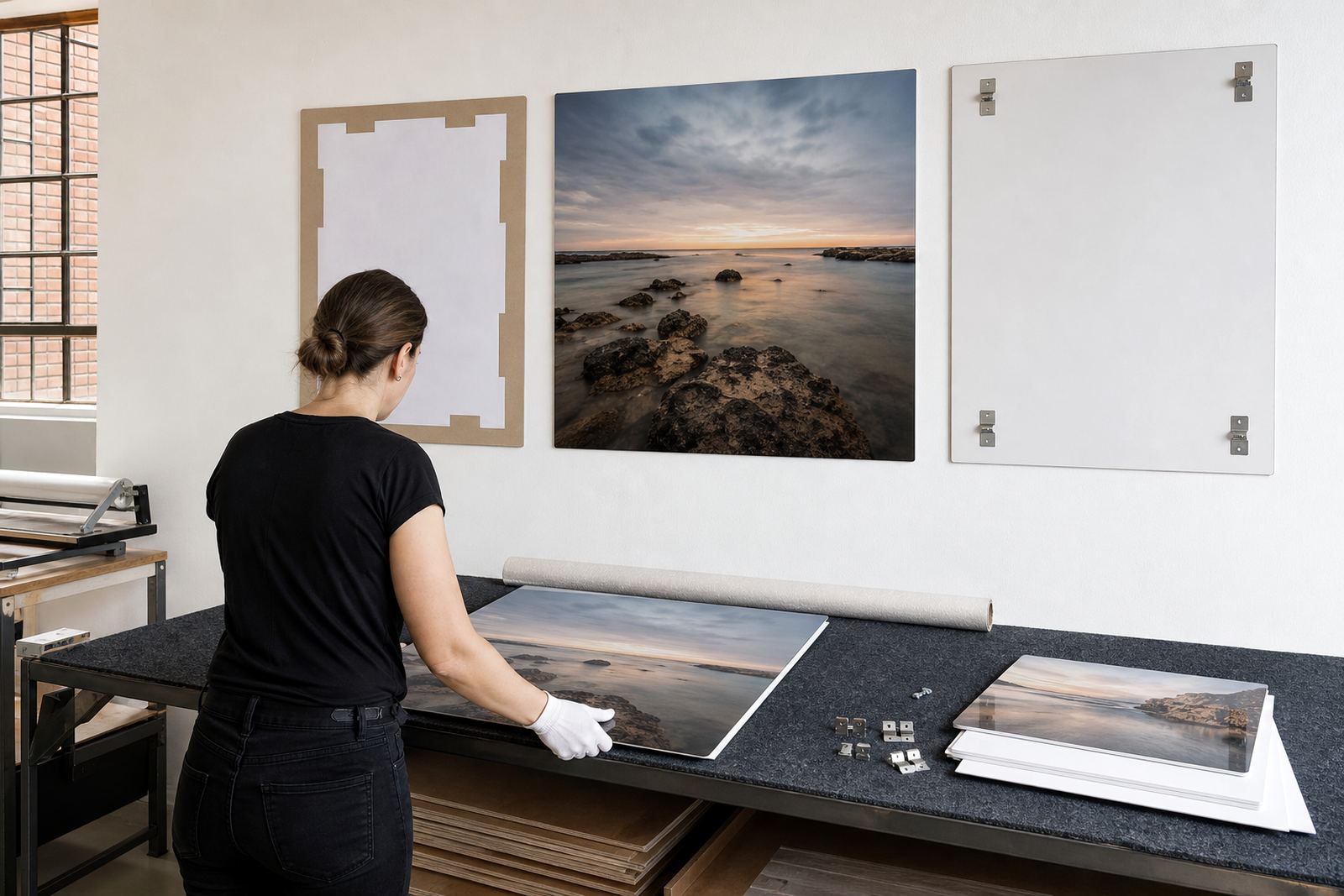
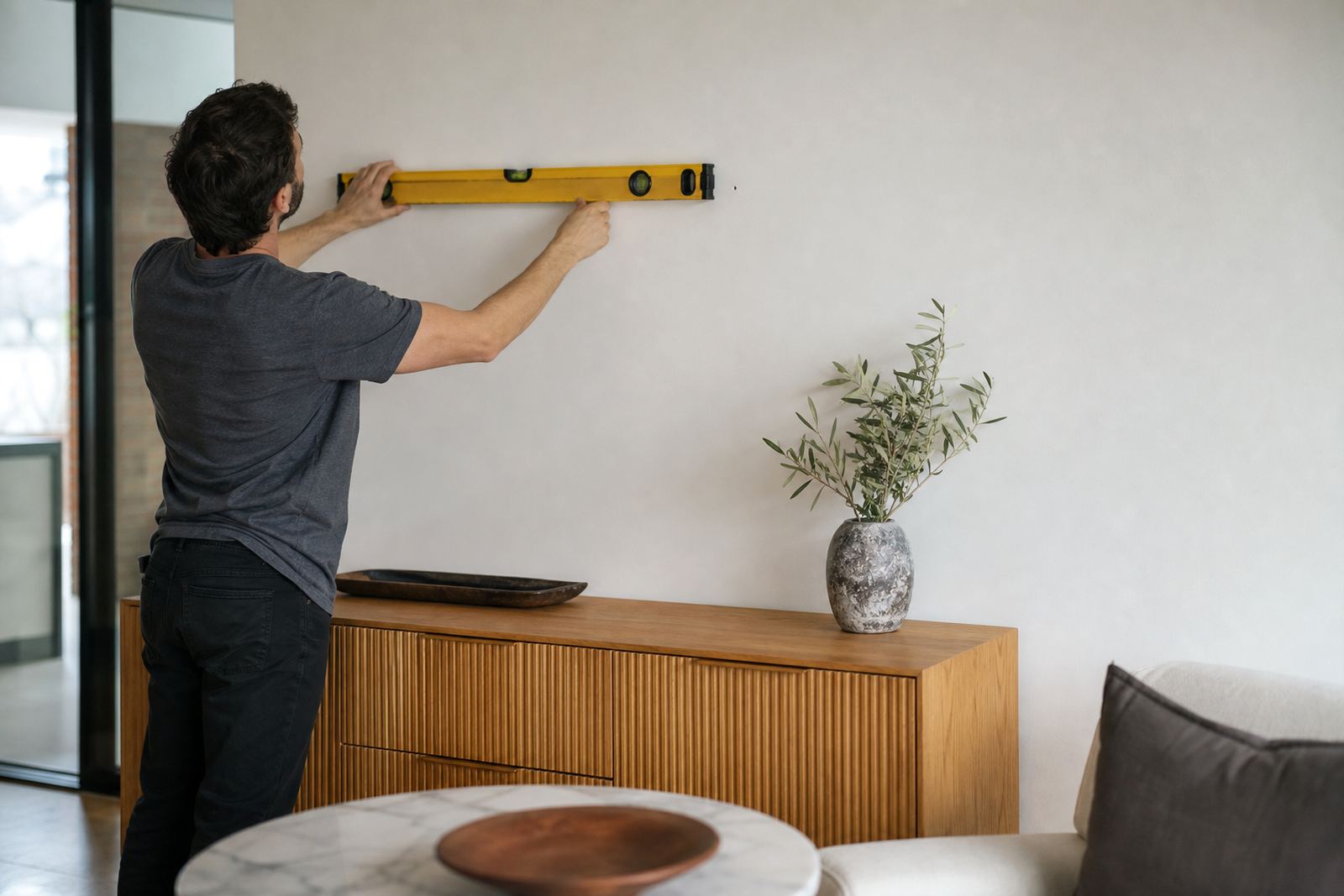
Hanging hardware should match the weight, wall type and intended use. Lightweight panels can suit standoff mounting or hidden fixtures, while larger pieces may need more secure support and careful spacing from the wall. On drywall, brick or concrete, the fixings are not the same, and office walls sometimes hide services that must not be drilled into.
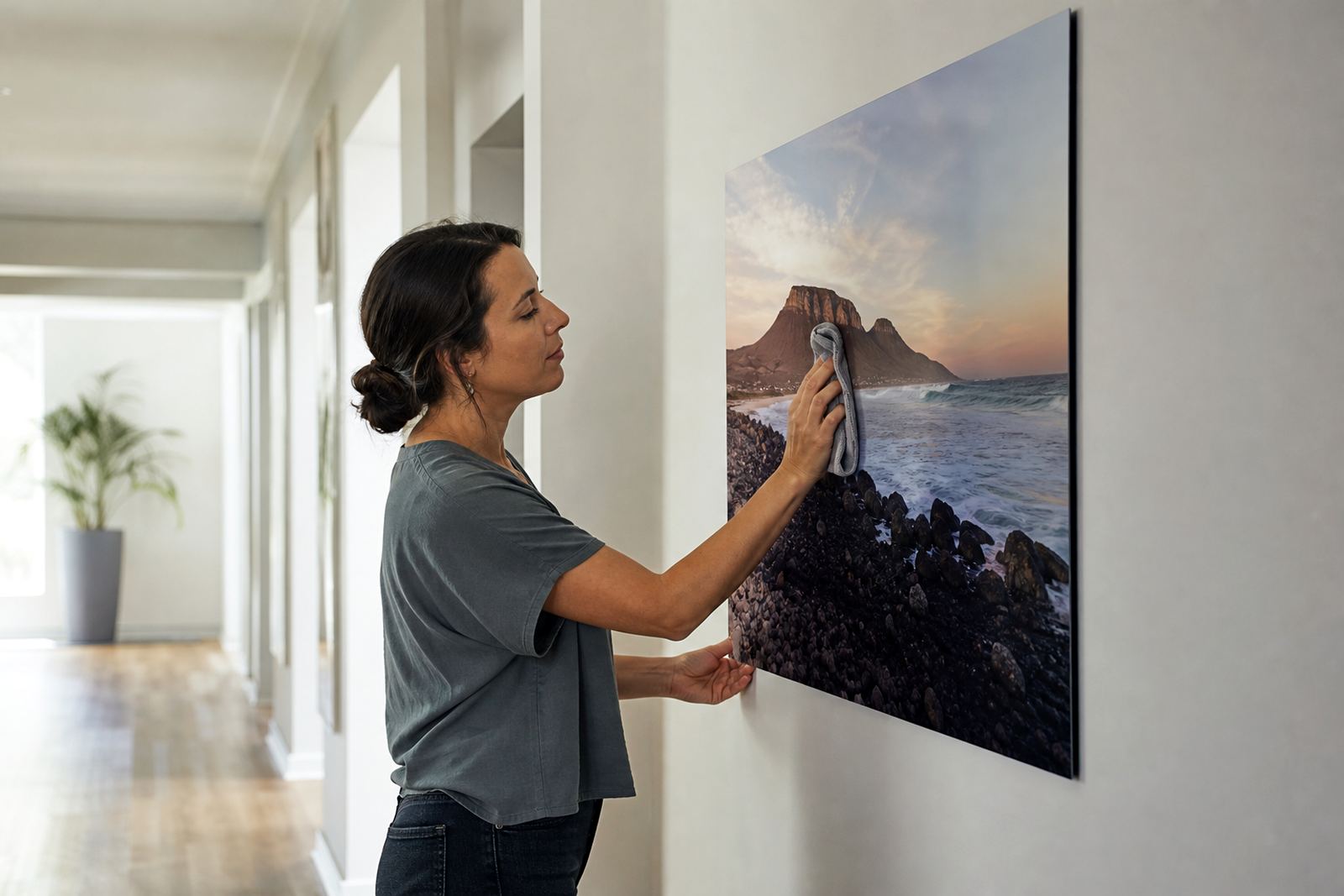
For commercial spaces, think about maintenance, cleaning access and whether the panel may need to be moved later. In coastal areas, hardware should resist moisture and corrosion better than standard indoor fittings. We can also advise on multi panel layouts so the spacing remains even across the full run.
Ordering for South African projects
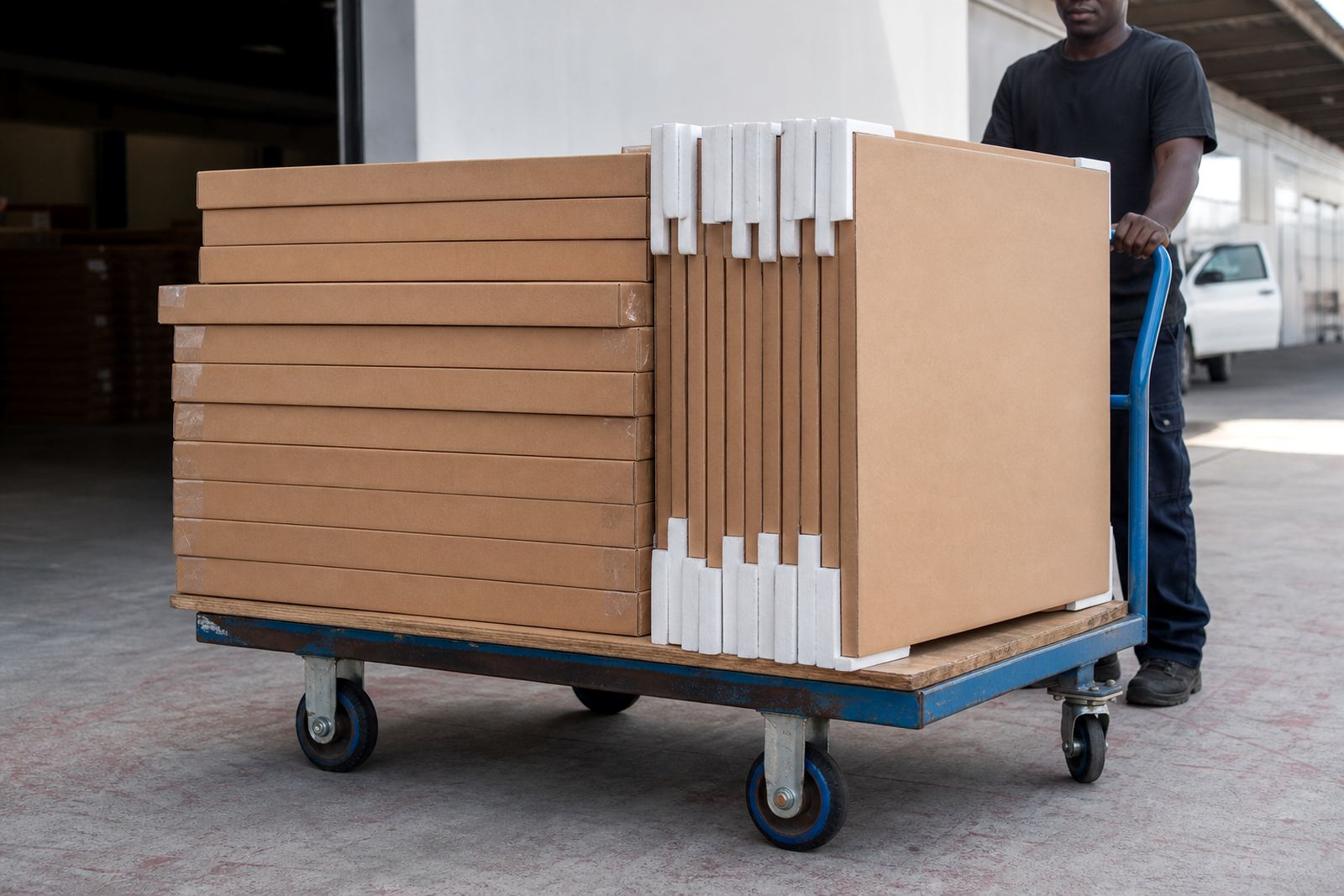
Our work is handled from Randburg, Johannesburg and supplied to photographers, artists and businesses across the country. Orders may need file checks, colour preparation, crop planning, finish selection, test panels, custom sizing, mounting options, packing and delivery, or reprint matching if a set needs to stay consistent.
- Johannesburg and Randburg: useful for tighter turnaround and local delivery.
- Pretoria, Midrand and Sandton: often used for corporate installations and matched panels.
- Cape Town, Durban and Gqeberha: delivery planning matters more because of distance and handling.
Customers must own the images they send, or have the right to use them. That applies to personal photos, commissioned work and branded material alike. When a project needs several panels, it helps to keep the files in one sequence so colour and cropping stay consistent from first panel to last.