
Start with the file, not the crate
Before any panel is wrapped or boxed, the image file needs to be checked for size, resolution and crop. A sharp panel can still arrive looking wrong if the file was stretched, soft, or cropped too tightly near the edge. For dye sublimation onto coated aluminium, the finish and size you choose will also affect how much fine detail shows after printing. That is why we review the artwork first, then plan the packing around the final panel dimensions.
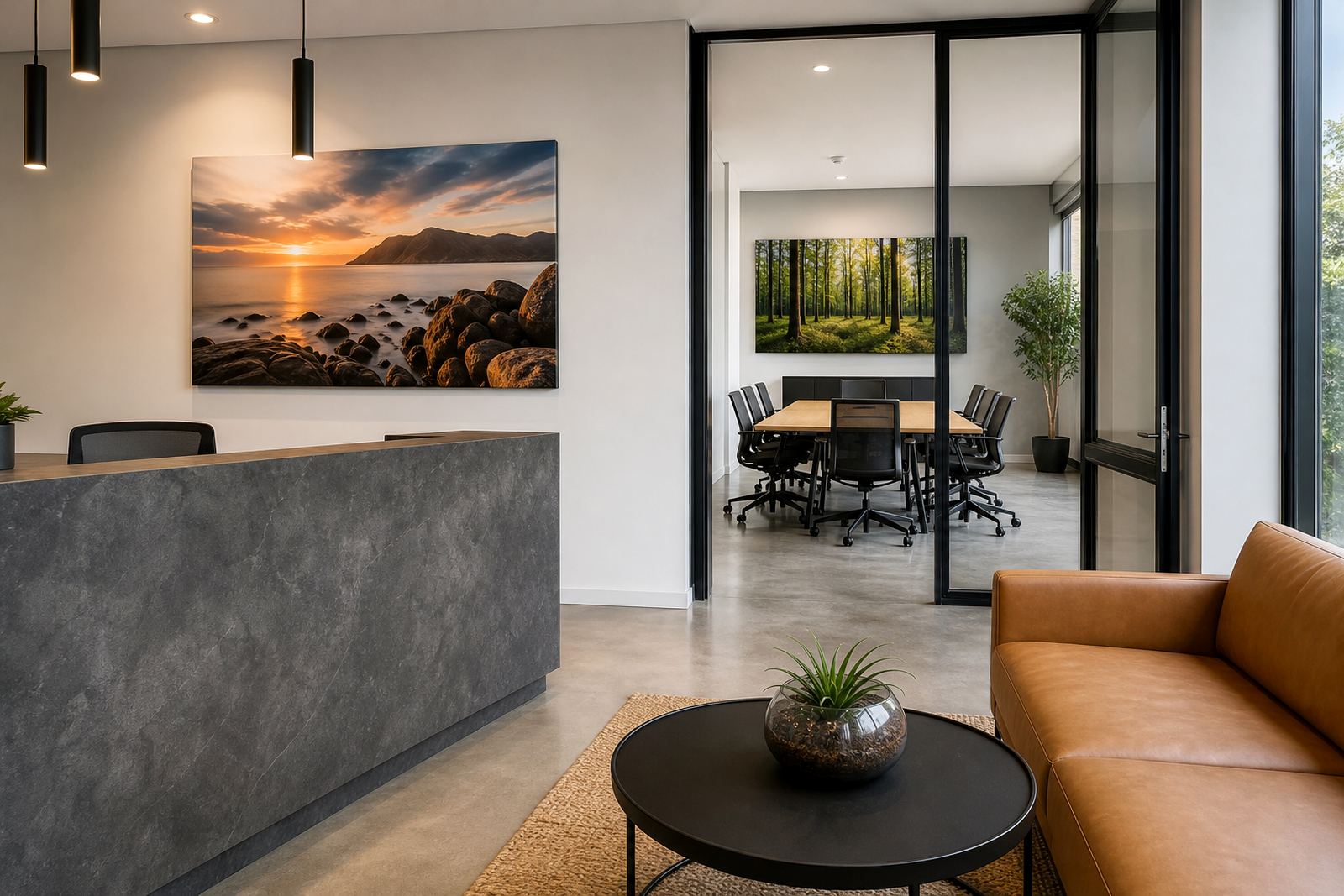
Customers must own the image or have the right to use it. If a photographer, artist or business sends a file that is not cleared for print, the order should stop there. It saves time, avoids disputes and protects everyone involved. If the panel is for a lobby, reception or gallery wall, it also helps to confirm whether the image will be viewed close up or from across the room, because that affects the best finish and the hanging method.
Choose the panel finish before you choose the box
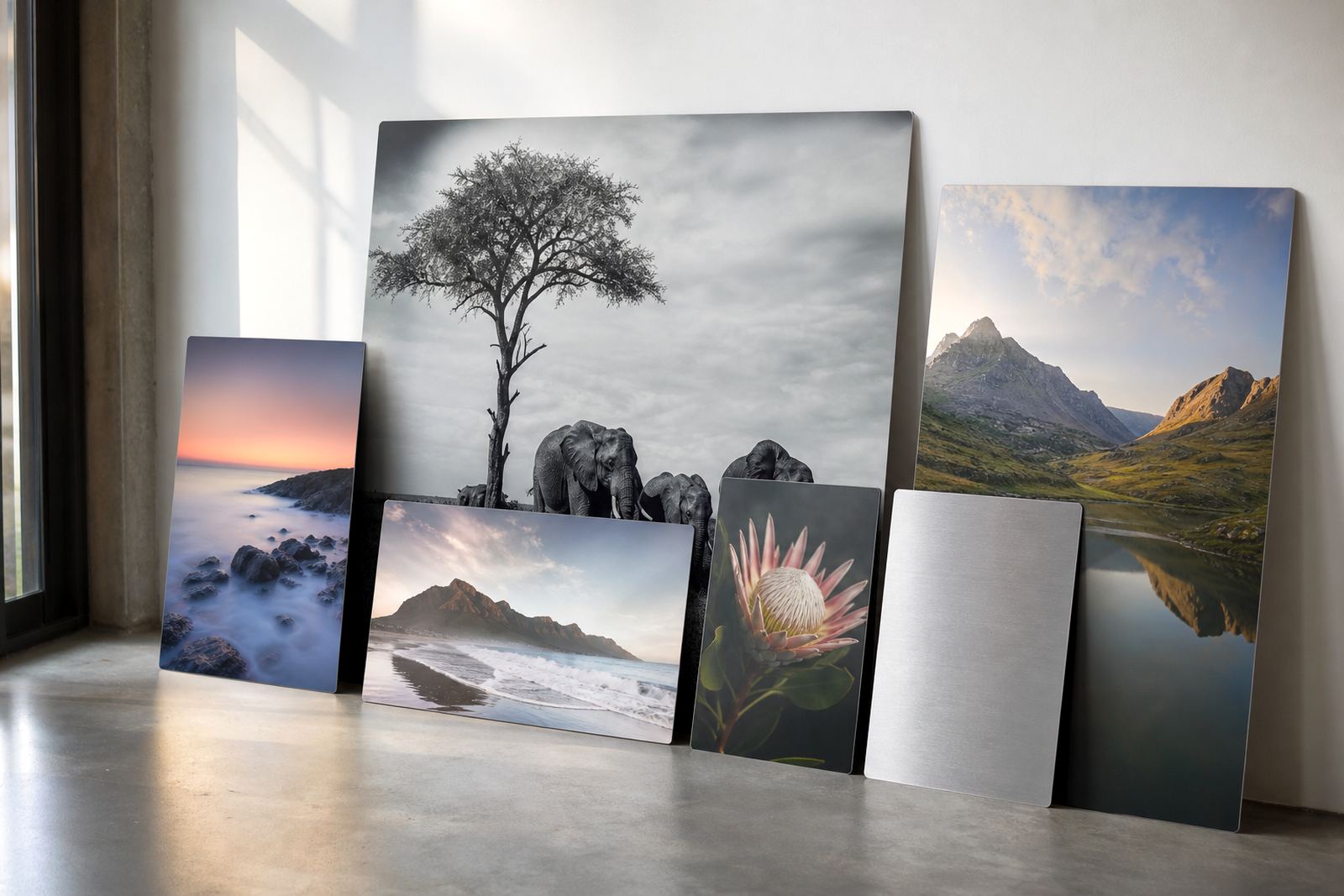
Different finishes need slightly different handling. A gloss panel can show fingerprints and reflections, so it should be protected with a clean interleaf and outer wrap. Matte finishes are kinder in bright offices or near windows, while white panels usually suit full-colour images and strong contrast. Brushed aluminium gives a metallic grain through lighter areas of the artwork and needs careful packing so the face stays free of rub marks.
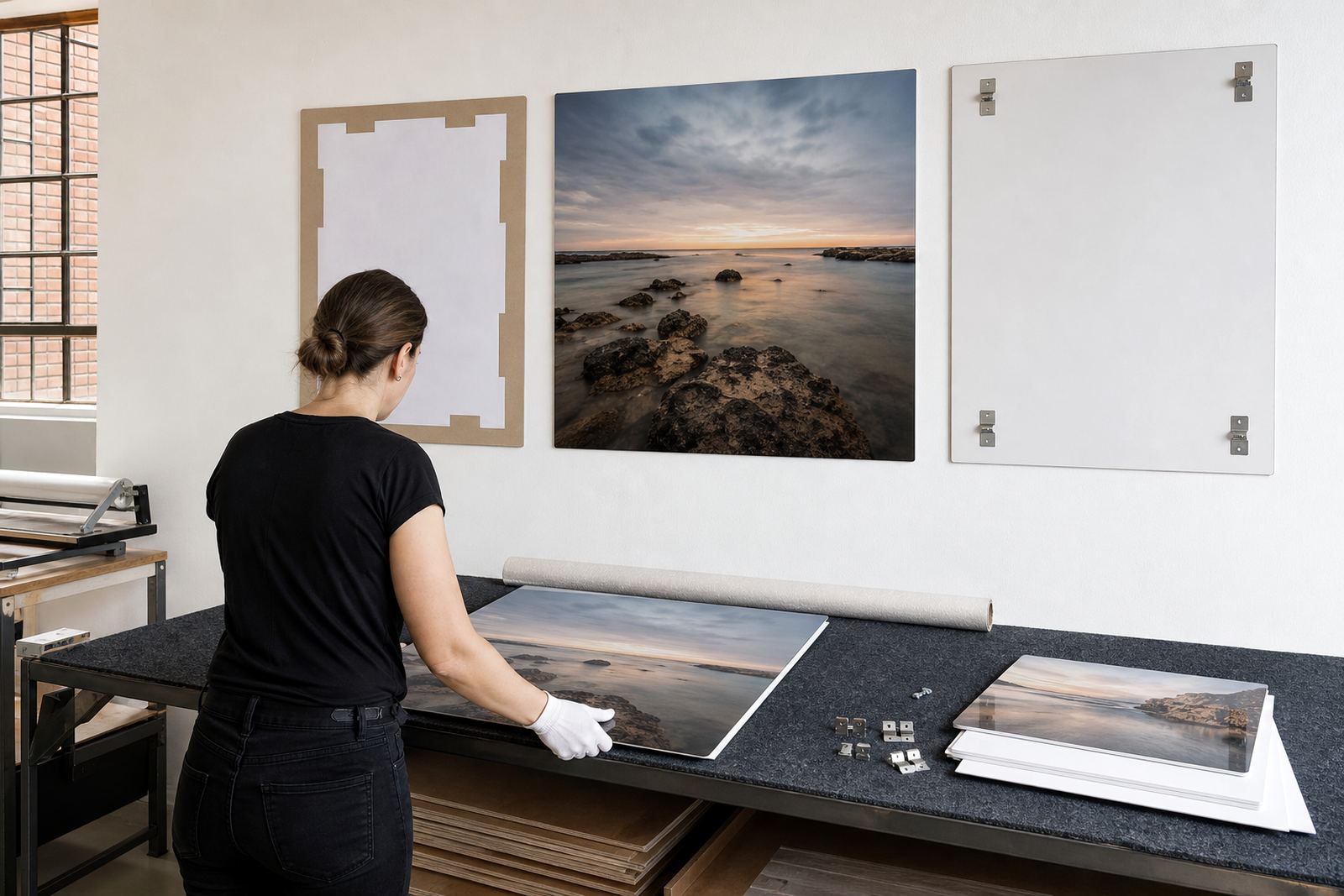
When a customer orders multiple panels, we label each piece before packing. That matters for multi panel layouts where left, centre and right panels must be fitted in order on arrival. It also helps when a business is sending panels to several branches, or when one set is going to a home in Randburg and another to a site in Sandton or Midrand. Clear marking reduces unpacking mistakes and keeps the sequence intact.
- Check finish choice against the room lighting.
- Confirm the panel size before cutting packaging materials.
- Mark each panel if it is part of a set.
- Keep the printed face clean, dry and covered.
Packing that handles Gauteng roads and coastal air
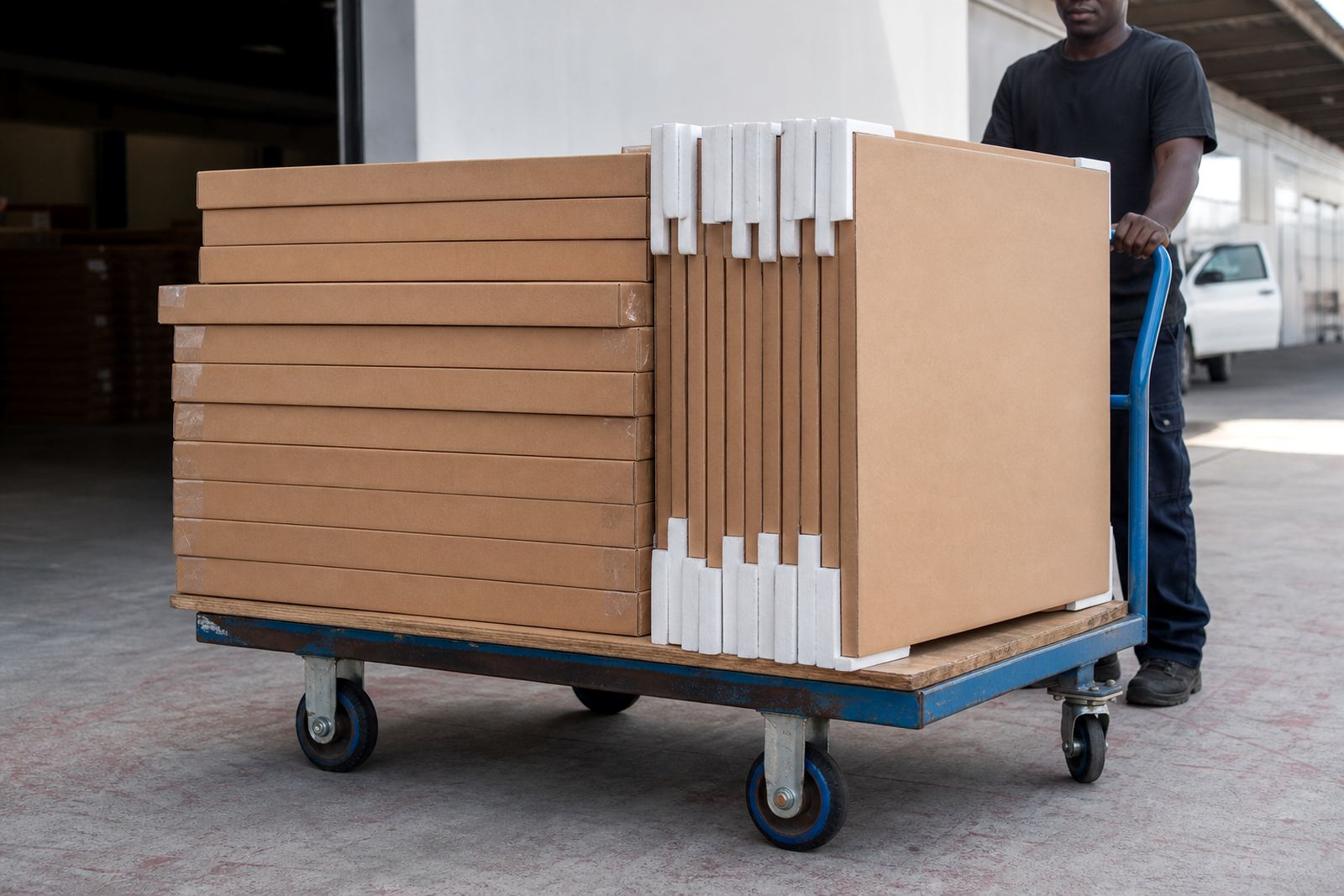
Panels moving through Johannesburg traffic need firm edge protection because vibration and sudden stops can mark corners. For local delivery, we use rigid cartons or crates sized to the panel, with foam or corrugated separators to stop movement inside the pack. If the panel is going further afield, the packaging needs to cope with handling at depots, sorting points and transfer vehicles. A snug fit is better than loose filler that shifts around during transit.
Coastal humidity in Durban and Gqeberha can affect packaging materials if they are left open too long, so moisture control matters. Keep finished panels sealed until dispatch and avoid storing them directly on concrete floors. For inland deliveries to Pretoria or Cape Town, dust and scuffing are usually the bigger concern. In all cases, the rule is the same: protect the face, the corners and the mounting points, then keep the parcel as dry as possible.
- Use rigid outer packaging matched to the panel size.
- Add corner guards or foam edge strips.
- Seal the pack against dust and light moisture.
- Avoid loose packing that allows the panel to move.
Hanging hardware should travel with the panel
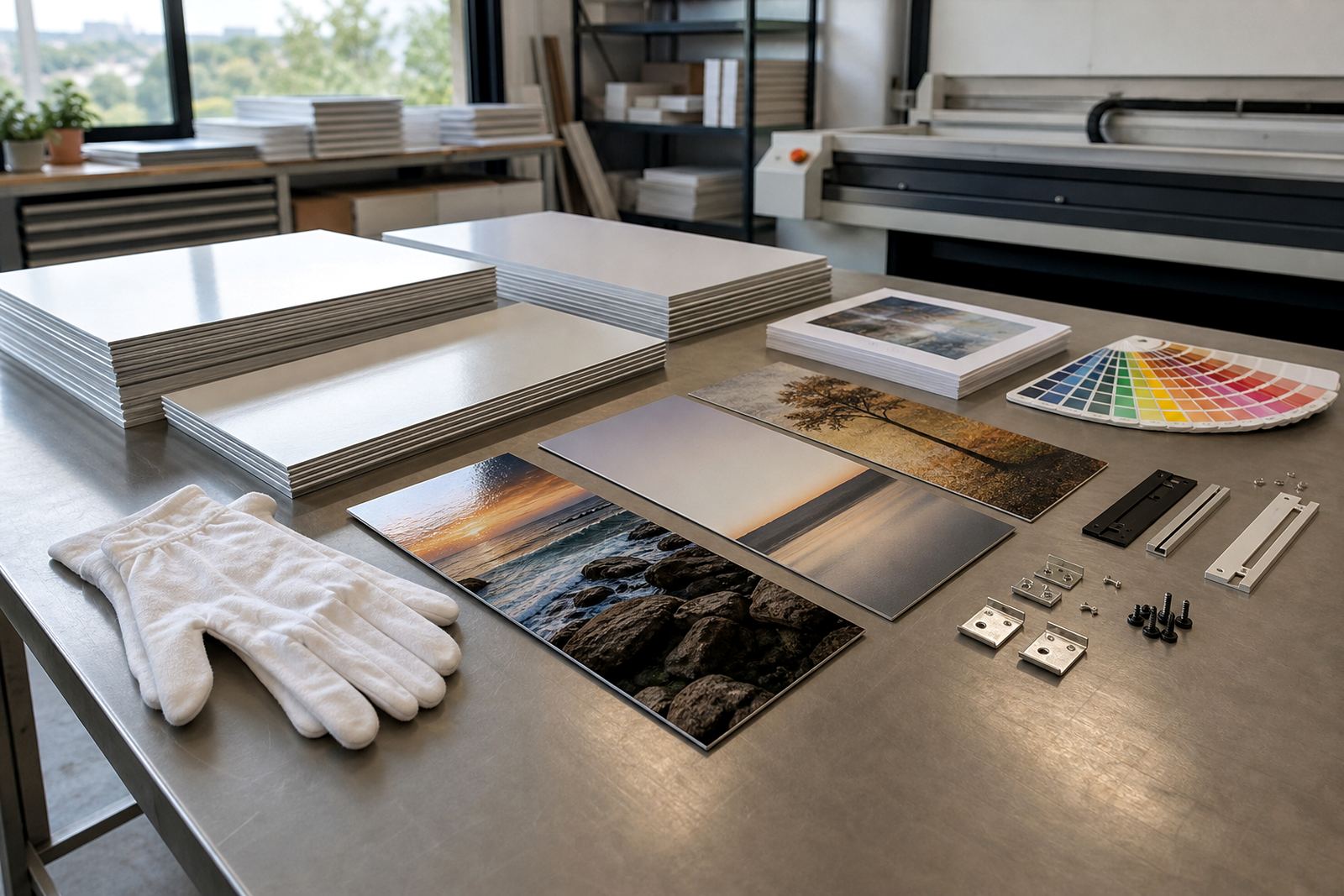
If the panel is being delivered ready to hang, the mounting hardware must be packed with it and identified clearly. Some customers want hidden mounts for a floating look, while others prefer visible standoff fixings or a simpler rear hanging method. The right option depends on wall type, panel size and where the panel will live. A reception wall in a business park is not the same as a plaster wall at home, and a coastal office may need extra care with fixings that resist corrosion.
We recommend sending the hardware in a separate marked pouch inside the same box, not loose against the printed face. That keeps metal parts from rubbing the surface during transport. If a panel is going to be installed by a contractor, include the spacing details and the final hanging position. It sounds small, but it prevents a lot of back and forth on delivery day.
For larger panels or multi panel sets, it is wise to include a paper layout showing the order, spacing and top edge orientation. That way, the installer knows where each piece sits, and the client does not have to guess which panel is left or right.
Delivery routes and handover habits across South Africa
Deliveries in Randburg, Johannesburg, Pretoria, Sandton and Midrand usually move faster, but the handover still needs a signed check. The receiver should inspect the outer pack before accepting it. If there is crushing, punctures or wet patches, note it before the driver leaves. For longer routes to Cape Town, Durban and Gqeberha, the box should be opened as soon as practical so any issue can be flagged while the carton is still available for inspection.
Good handover practice is straightforward:
- Check the outer box for dents, tears or water marks.
- Confirm the name, panel count and sizes on the label.
- Open the package carefully and inspect the corners first.
- Keep the packing materials until the panel is confirmed in good order.
If a delivery is going to a business premises, tell the receiving team who must sign for it. If the panel is for a gallery, office or retail space, arrange a time when someone can inspect it properly. A rushed handover often misses a small corner nick that should have been recorded.
After arrival: unpack, store and install with care
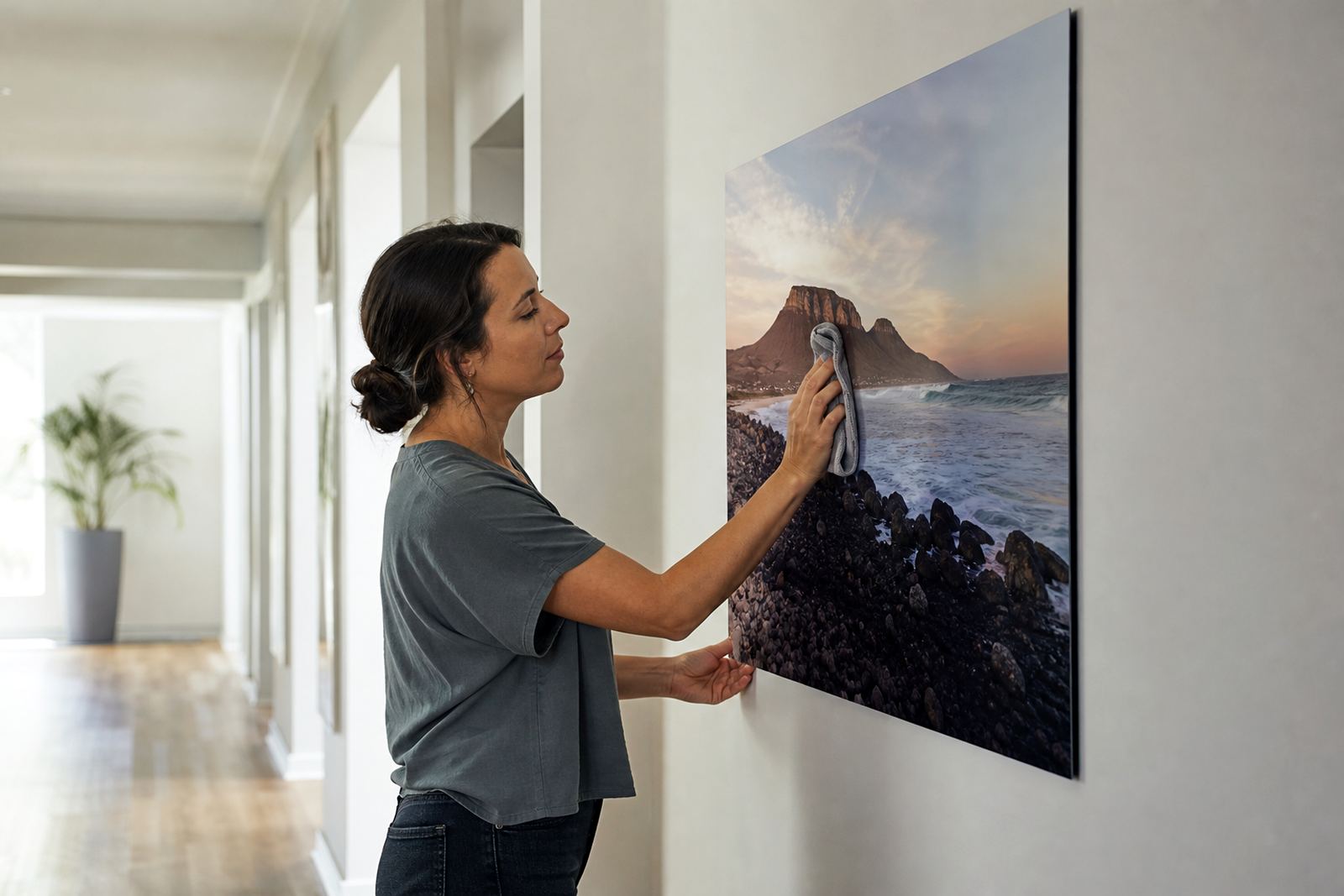
Once the panel is delivered, leave it flat and unopened for a few minutes if it has travelled through cold or humid weather. That helps reduce condensation on the surface. Unwrap it on a clean table, away from grit, and wipe it only with a soft dry cloth if needed. Avoid solvents, rough paper or abrasive cleaners. The printed face should not be stacked directly against another panel unless there is a protective layer between them.
If installation will happen later, store the panel upright in a dry room with space around it. Do not lean it where it can slide or bow. For clients in coastal areas, keep the room ventilated and away from salt air where possible. In offices that run air conditioning heavily, make sure the panel is not packed tightly near vents or heaters. Small changes in temperature can matter during storage, even if the panel itself is made for long service.
A short check after unpacking helps protect the print for years. Confirm that the face is clean, the hardware is present, and the mounting points match the wall plan. If anything is missing, it is easier to sort out immediately than after the installer has left.
A final packing list worth keeping near the press
When a panel leaves Randburg, the packing checklist should be treated as part of the job, not an afterthought. Good packaging protects the print, saves time on delivery and prevents avoidable damage claims. It also gives the client confidence that the panel can make the trip from production to wall without unnecessary drama.
- Final file checked for ownership and print rights.
- Panel size, finish and quantity confirmed.
- Face protected and corners guarded.
- Hardware packed and labelled if included.
- Layout sheet added for multi panel orders.
- Outer carton sealed, marked and ready for handover.
For South African deliveries, the best outcome is plain: the panel arrives clean, flat and ready to hang. That takes a little more care at packing stage, but it pays for itself the moment the box is opened.