
Start with a clean pair of hands and a clean table
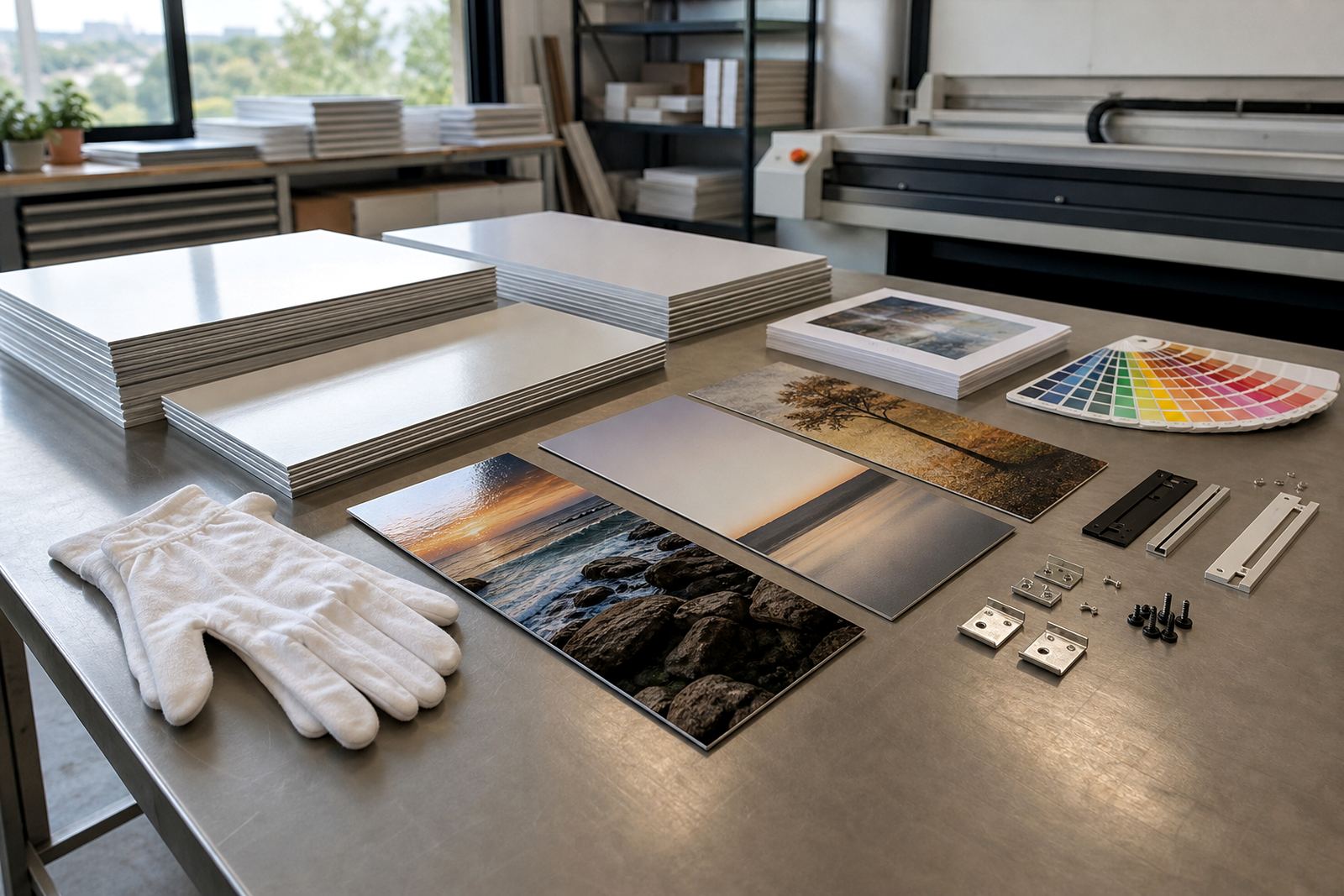
Before you move or clean a sublimation aluminium panel, make sure the surface around you is dry, flat and free of grit. A small grain of sand can scratch a glossy finish if it gets trapped between the panel and a cloth, so it pays to work slowly. In Randburg, Johannesburg and other busy areas, dust builds up faster than many people expect, especially near open windows or workshop doors.
Use two hands when lifting larger sizes, and hold the panel by the edges or mounting points rather than the printed face. If the panel has just been unpacked, let it settle at room temperature for a little while before hanging it, particularly after a cold courier run or a warm delivery day.
The right way to clean a coated aluminium print
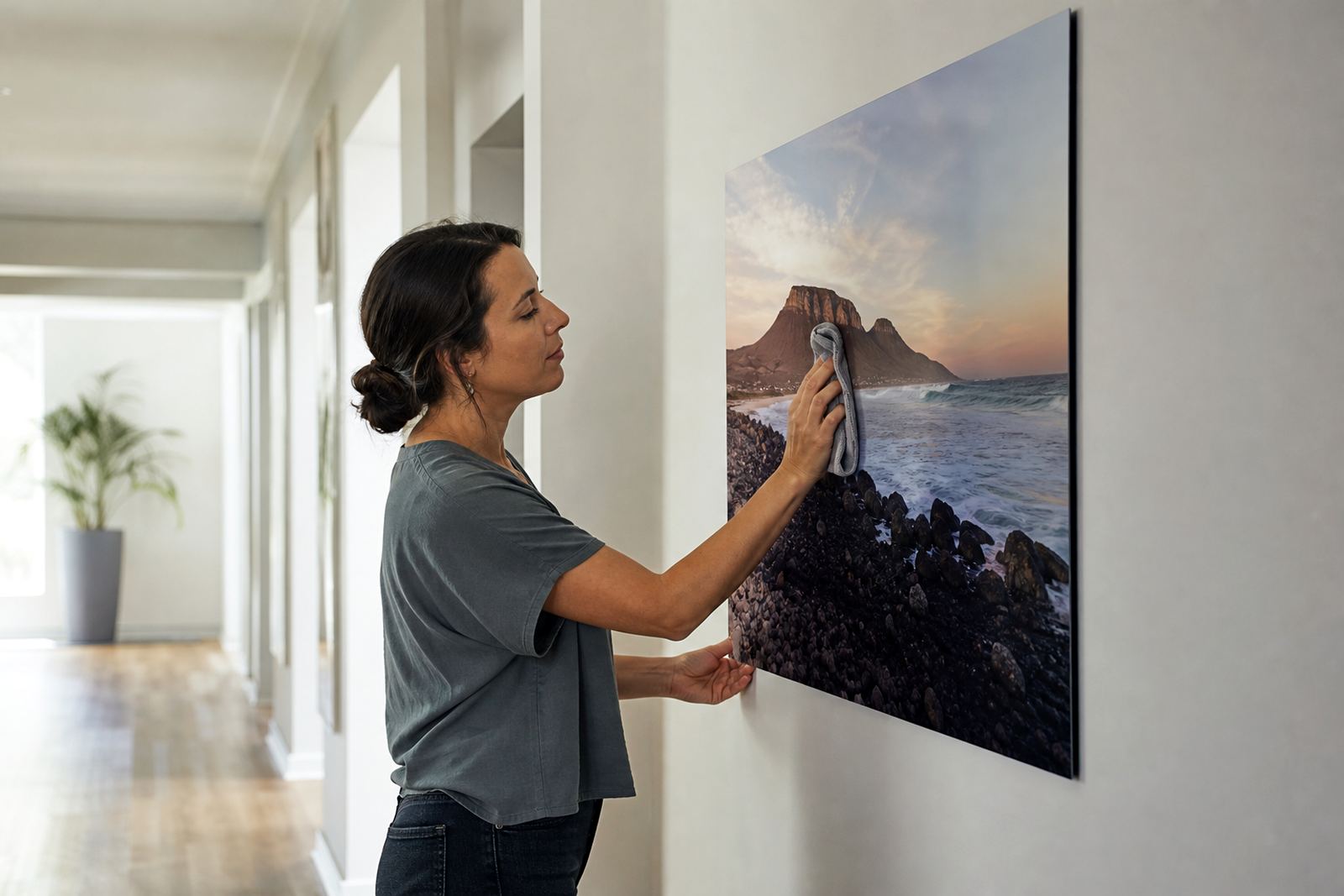
For everyday cleaning, a soft microfibre cloth is usually enough. Light dust, fingerprints and a few marks can be lifted without much pressure. If needed, slightly dampen the cloth with clean water, then wipe gently in one direction. Dry the panel with a second soft cloth so water does not sit on the edge or in the hanging area.
Avoid household cleaners that contain ammonia, abrasives or strong solvents. These can dull the coating or leave streaks on gloss panels. On matte finishes, rough scrubbing can still mark the surface, even if the shine is less obvious. The safest approach is gentle wiping and a quick dry-off afterwards.
- Use a clean microfibre cloth only
- Do not spray liquid directly onto the panel
- Never use scouring pads, steel wool or rough paper towels
- Dry the surface and edges after cleaning
How finish type changes the care routine
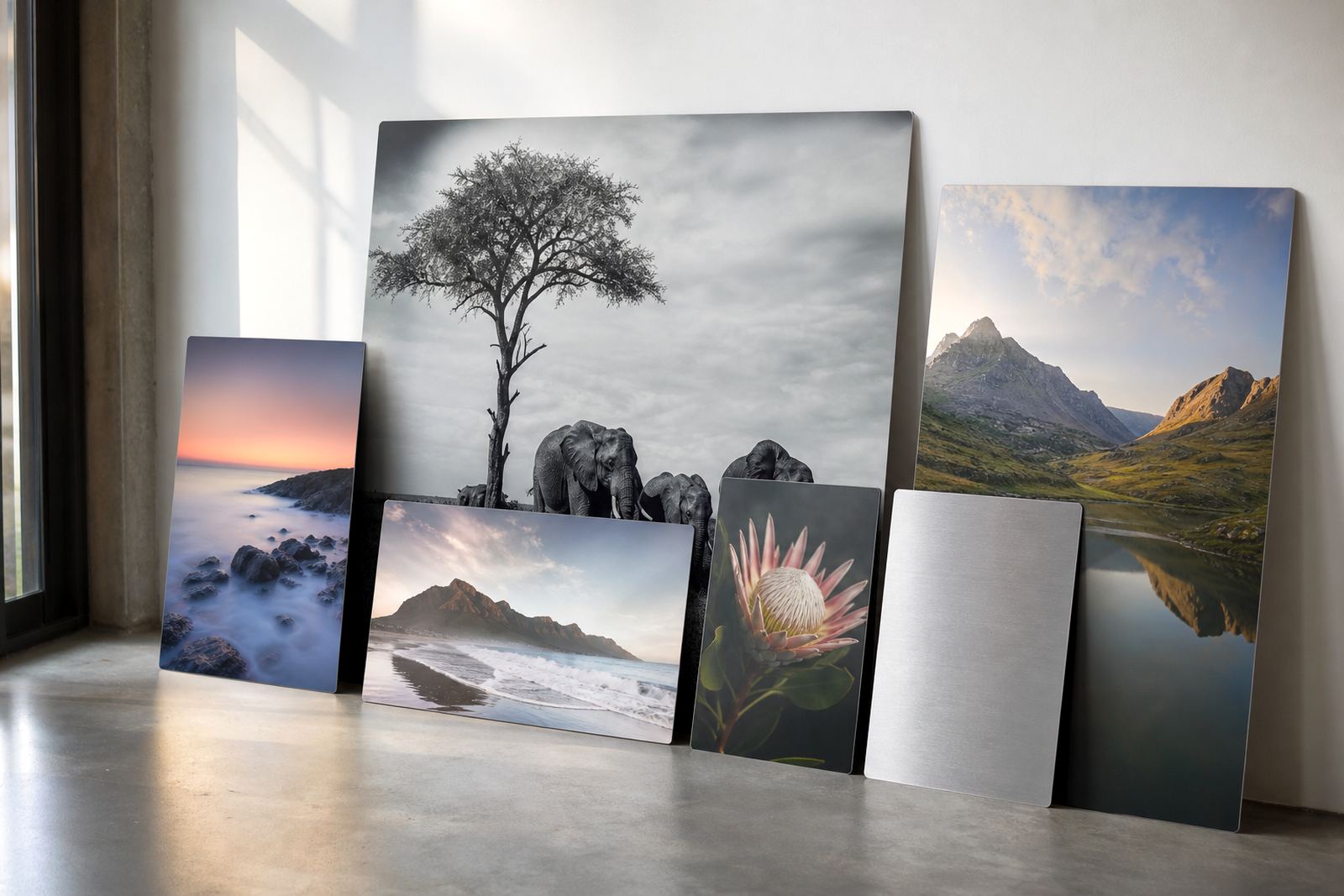
Different finishes behave differently, so it helps to know what you are working with. Gloss panels show fine marks more easily but often wipe clean quickly. Matte finishes hide reflections and small fingerprints better, and they suit spaces with strong light. White-coated panels usually give the cleanest colour separation for bright artwork and commercial images. Brushed aluminium leaves part of the metal character visible, so the grain should be handled with care and cleaned lightly to avoid dull patches.
If the panel is displayed in a coastal town such as Durban or Gqeberha, check it more often for salt film. Inland spaces in Pretoria or Midrand may deal more with dust than moisture, while offices in Sandton can pick up fingerprints from frequent handling. The cleaning method stays the same, but the frequency changes with the environment.
Mounting and moving without bending the panel
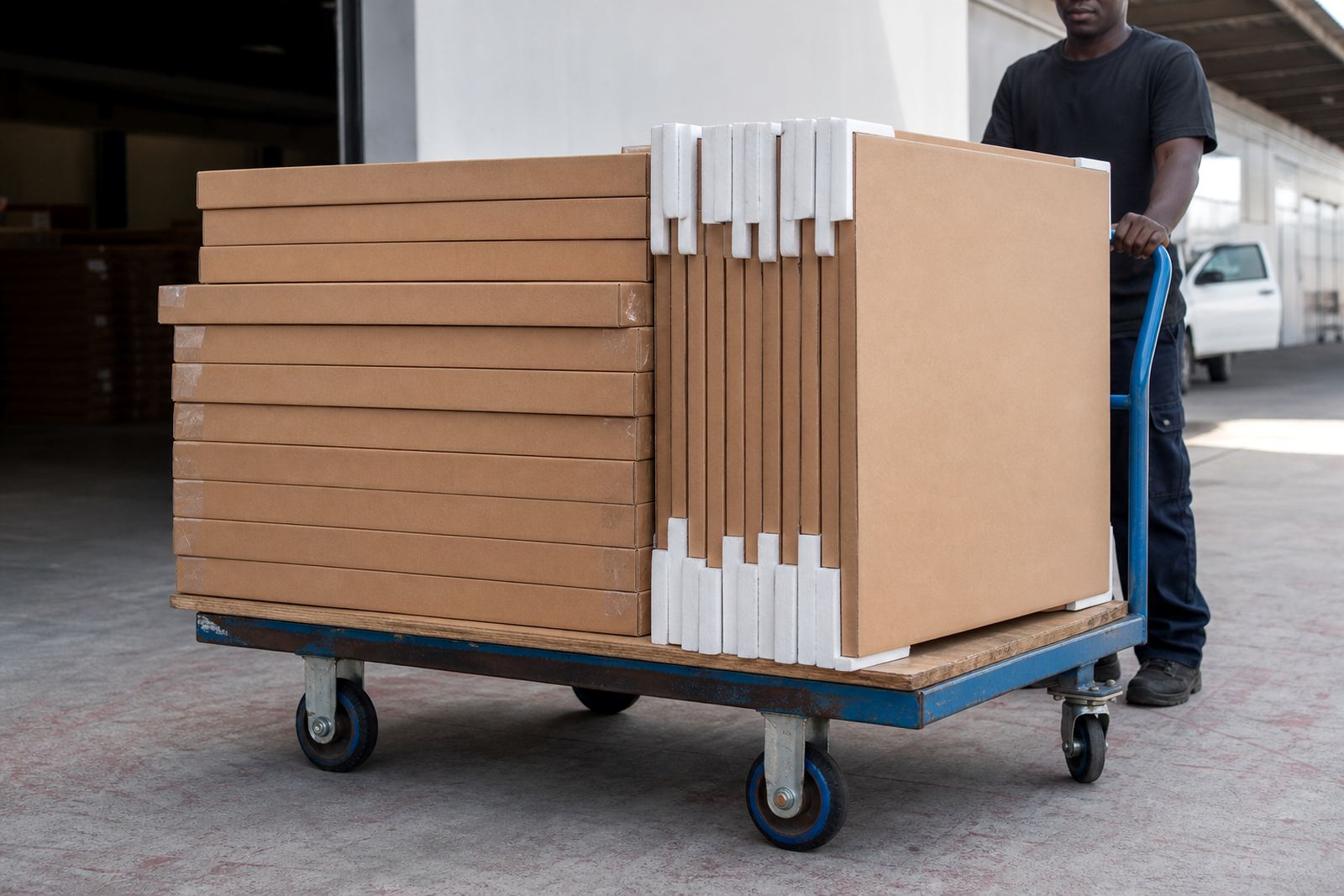
Most damage happens during moving, not while the panel is on the wall. Keep the panel upright when carrying it if the size allows, and never flex it to test its strength. Even a slight bend can affect how it hangs and how the light hits the surface.
If you are shifting a framed wall set or a multi-panel layout, remove each piece one at a time and store it flat between clean sheets of cardboard or foam. Keep the original hanging hardware with the panel so you do not drill fresh holes or force mismatched fittings later.
- Lift from the sides, not the centre
- Use two people for larger panels
- Protect corners during transport
- Do not lean panels against rough brick or concrete
Storage when the panel is not on display
If a panel needs to be stored, choose a dry indoor area away from direct sun and heat sources. Standing it on edge for long periods can place pressure on one corner, so flat storage is often safer for short breaks. Place a soft sheet between panels if you are stacking more than one, and keep the printed faces from rubbing together.
In South African summer heat, garages and steel storerooms can become too hot for long-term storage. Moisture, dust and temperature swings are the main things to avoid. If the panel must travel to another province, wrap it well and keep it from sliding inside the vehicle.
Care that helps prints stay sharp for longer
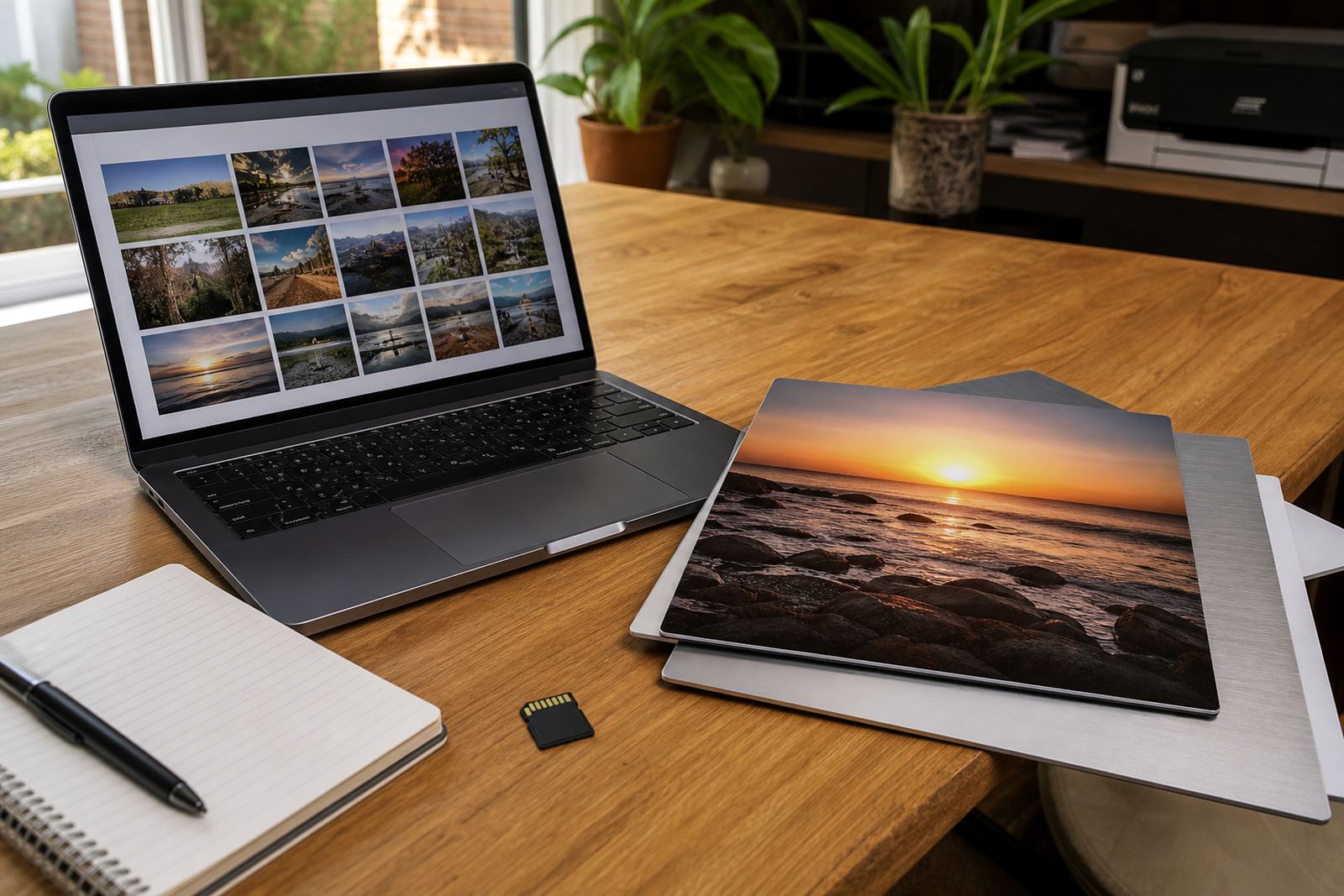
The image quality on a sublimation aluminium panel starts with the file, but daily care plays a part too. Good cleaning helps preserve fine detail, deep blacks and smooth skin tones, especially in panels made from high resolution artwork or photography. If a print ever needs to be matched again later, keep a note of the original file name and finish used, because that makes reprint matching much easier.
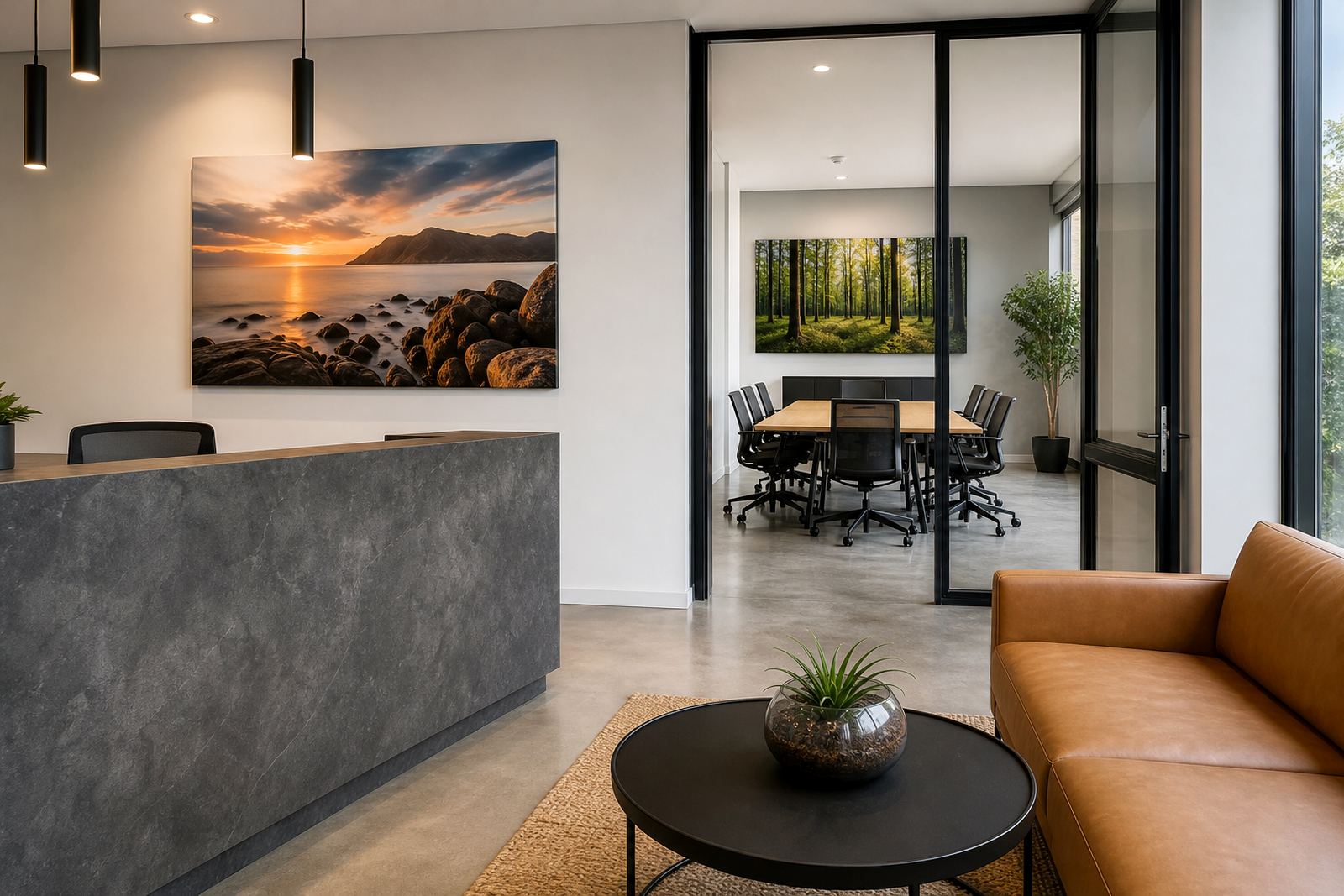
When sending new work for production, make sure you own the image rights or have permission to use the files. That keeps the process clean from the start and avoids delays once colour preparation and cropping are under way. A panel that is correctly prepared, mounted and cleaned will hold its place well in homes, galleries, offices and reception areas.