
Why aluminium panels work in busy rooms
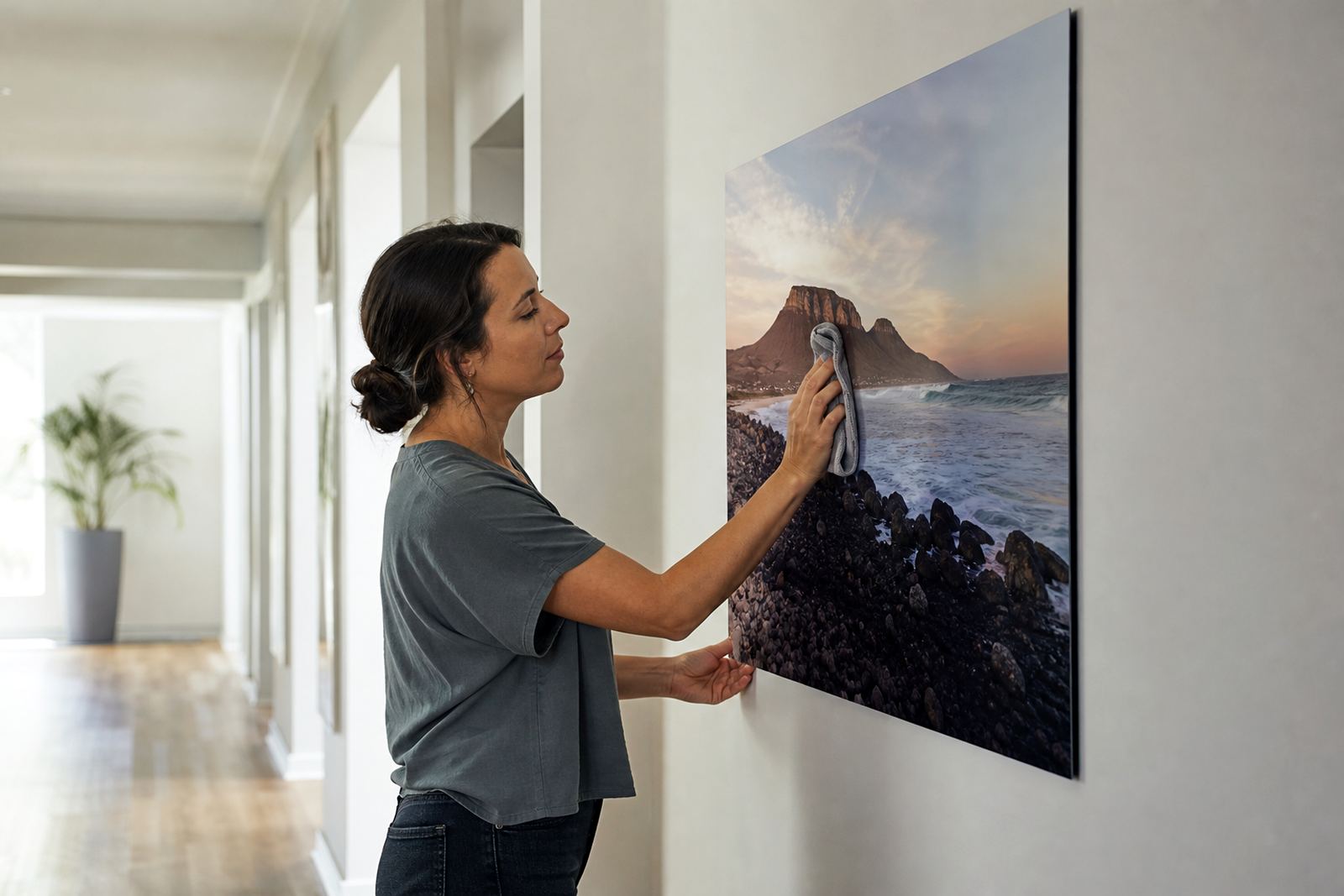
Dye sublimation onto coated aluminium gives a printed surface that is handled well in places with foot traffic, changing light and regular cleaning. In offices and hospitality spaces, that matters because the panel needs to hold colour, stay flat and look neat even when people move past it every day.
For coastal areas such as Durban and Gqeberha, the sealed surface is useful where humidity can affect other wall decor. In Gauteng offices, panels also cope better with dust and the dry winter air than many paper based displays. A good panel should still be treated with care, but it is built for real use not just a one day reveal.
- Choose coated aluminium for direct sublimation print quality.
- Use the right finish for the room lighting, gloss, matte, white or brushed.
- Plan for cleaning, handling and wall fixings before production starts.
Start with the image file, not the frame
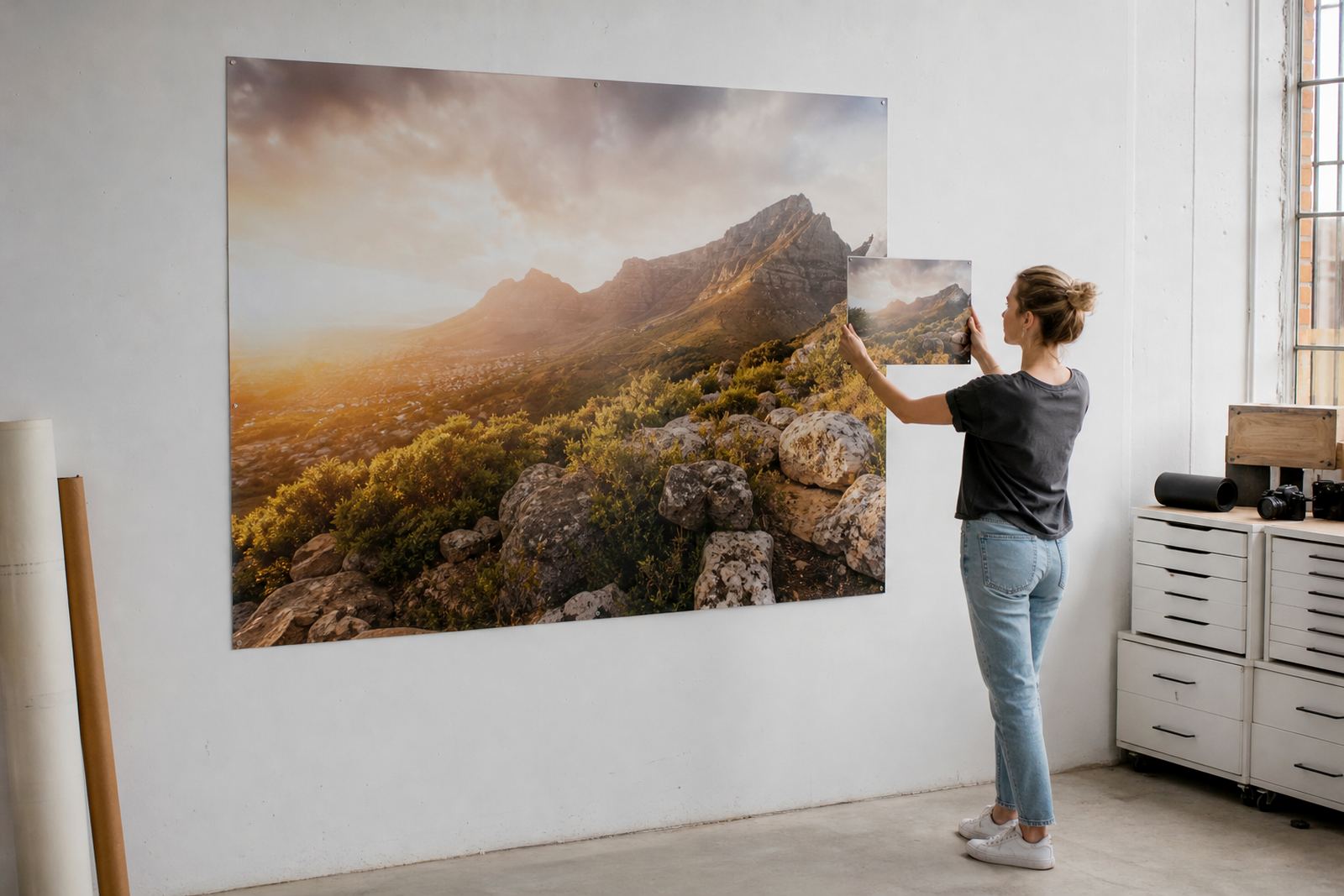
A strong display starts with a clean image file. High resolution matters because office panels are often viewed close up in receptions, boardrooms and corridors. If the file is too small, the print can look soft or blocky once enlarged, especially on bigger pieces.
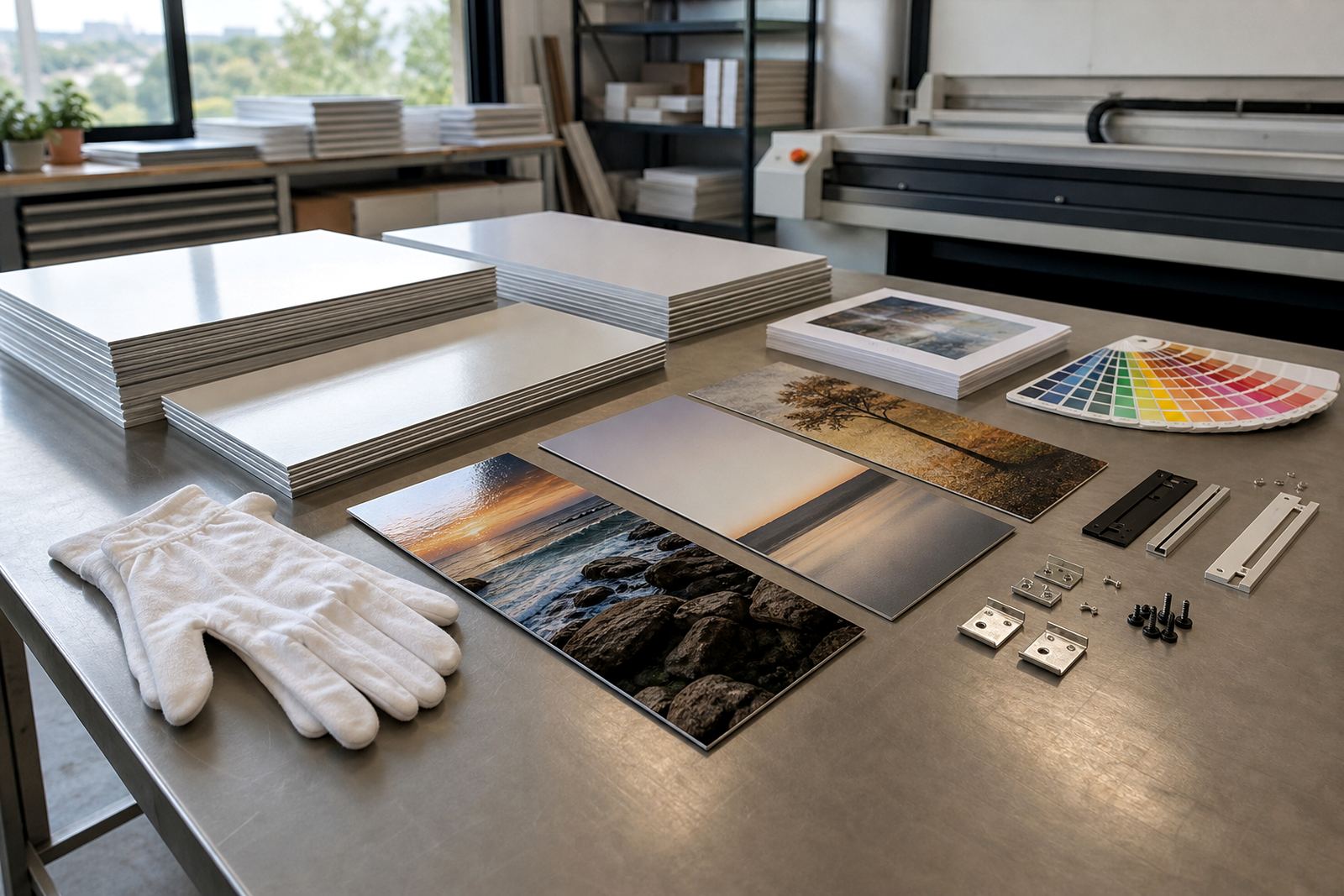
Files should be checked for crop, sharpness and colour balance before printing. SubAlu handles file checks, resolution review and colour preparation so the image fits the chosen panel size and finish. That step saves time later and avoids reprints where possible.
- Send the largest version of the image you have.
- Keep logos, faces and key details away from the trim edge.
- Ask for a test panel if the image is critical to the space.
- Confirm that you own the image or have rights to use it.
Picking a finish for the room and the light
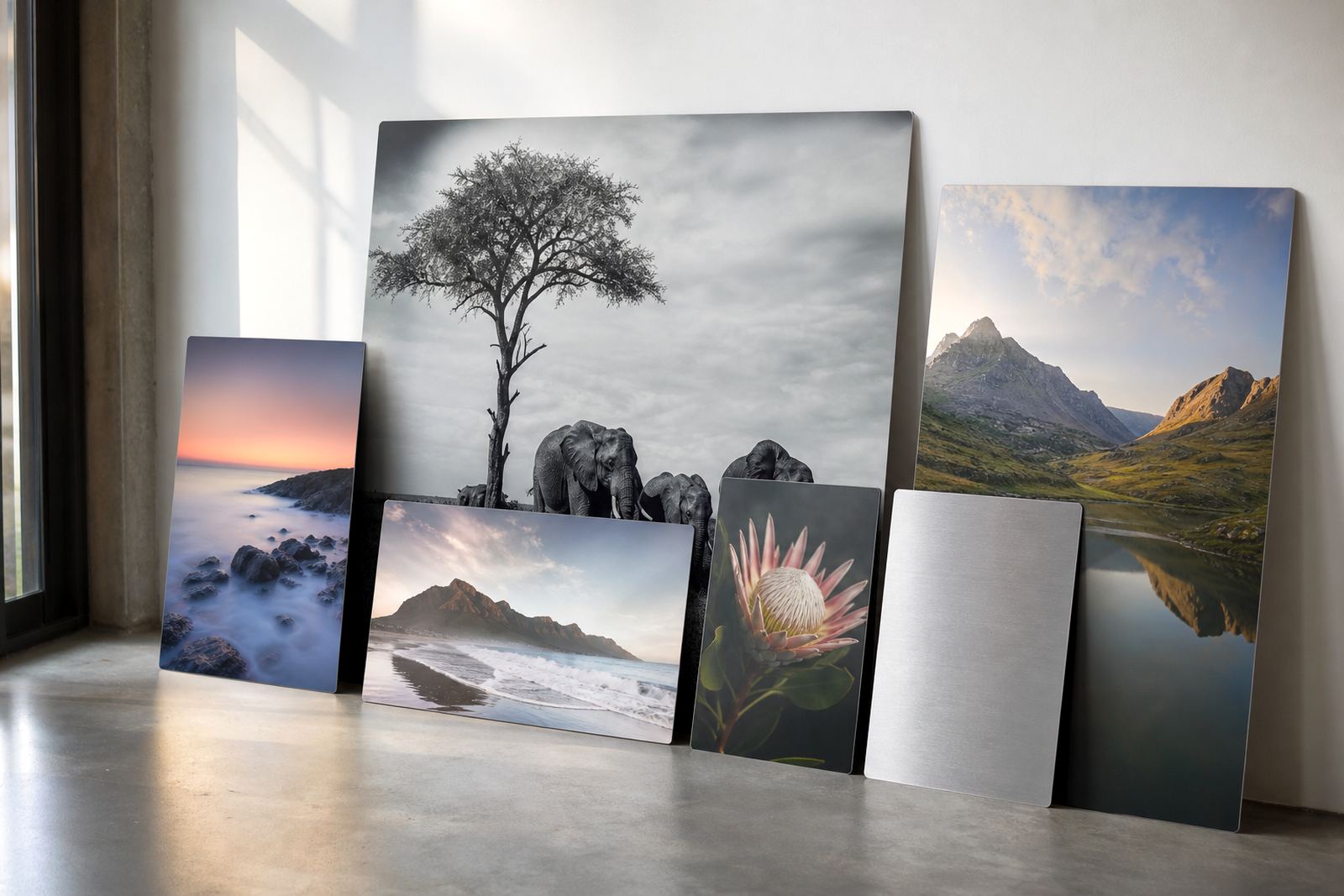
Finish choice changes how the panel reads in the room. Gloss gives strong colour pop and works well where you want extra brightness. Matte softens reflections and suits rooms with direct sunlight, glass walls or downlights. White aluminium gives a clean full colour base, while brushed aluminium leaves parts of the metallic texture visible for a more industrial look.
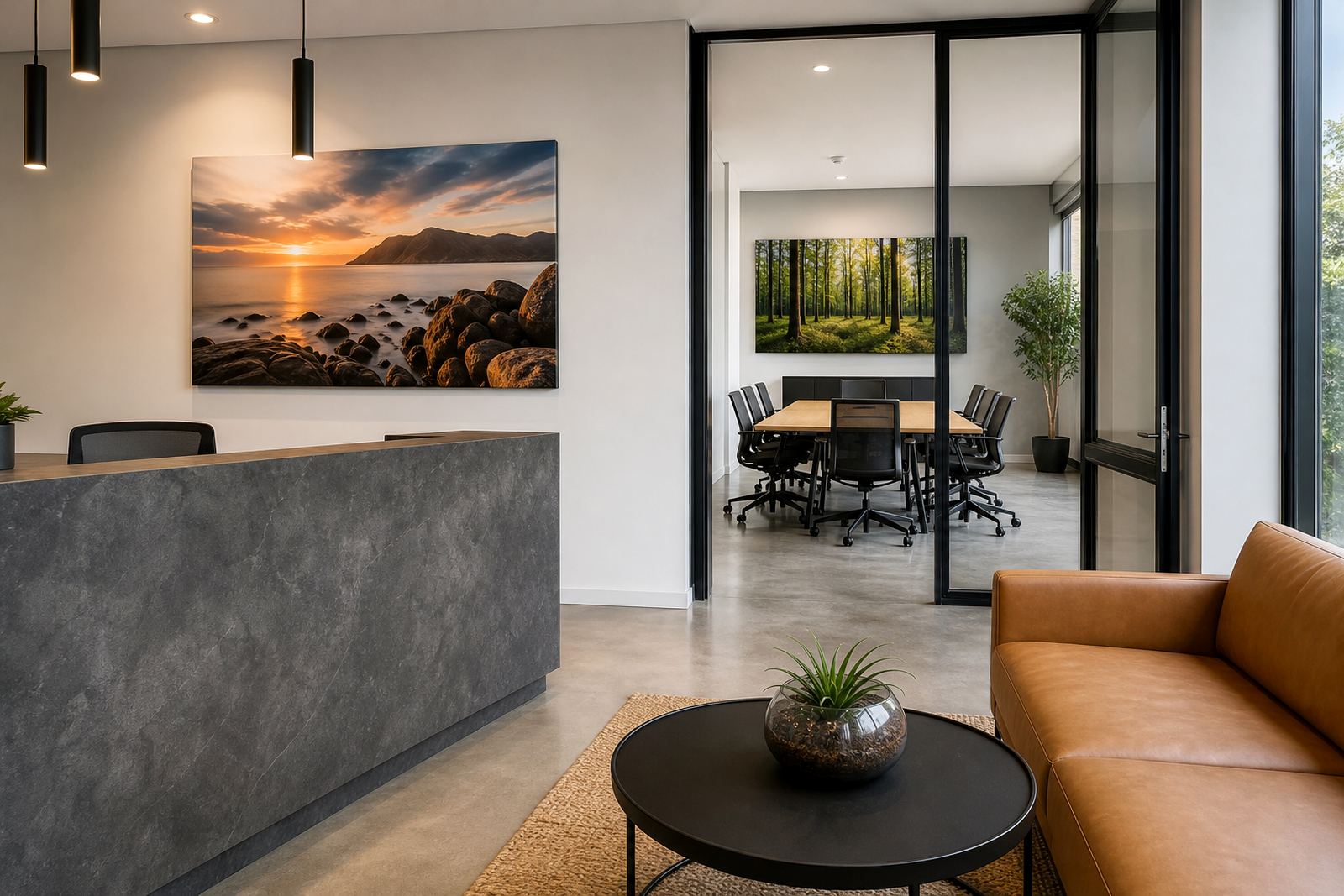
In a restaurant or hotel lobby, a matte finish can reduce glare from feature lighting. In a corporate entrance with controlled light, gloss can give more punch. Brushed finishes work well when the image includes darker tones or monochrome detail, though the final effect depends on the artwork and the viewing distance.
Colour can shift slightly between screen and print so it is worth reviewing a sample before full production. Johan Mafokeng and the prepress team check colour preparation so the final panel matches the job as closely as possible.
Mounting that suits public use
How the panel is hung is just as important as the print itself. Offices, hotels and public interiors often need hardware that sits flush, holds firm and can be installed by a fitter without fuss. The mounting method should suit the wall type, the panel size and the level of traffic in the area.
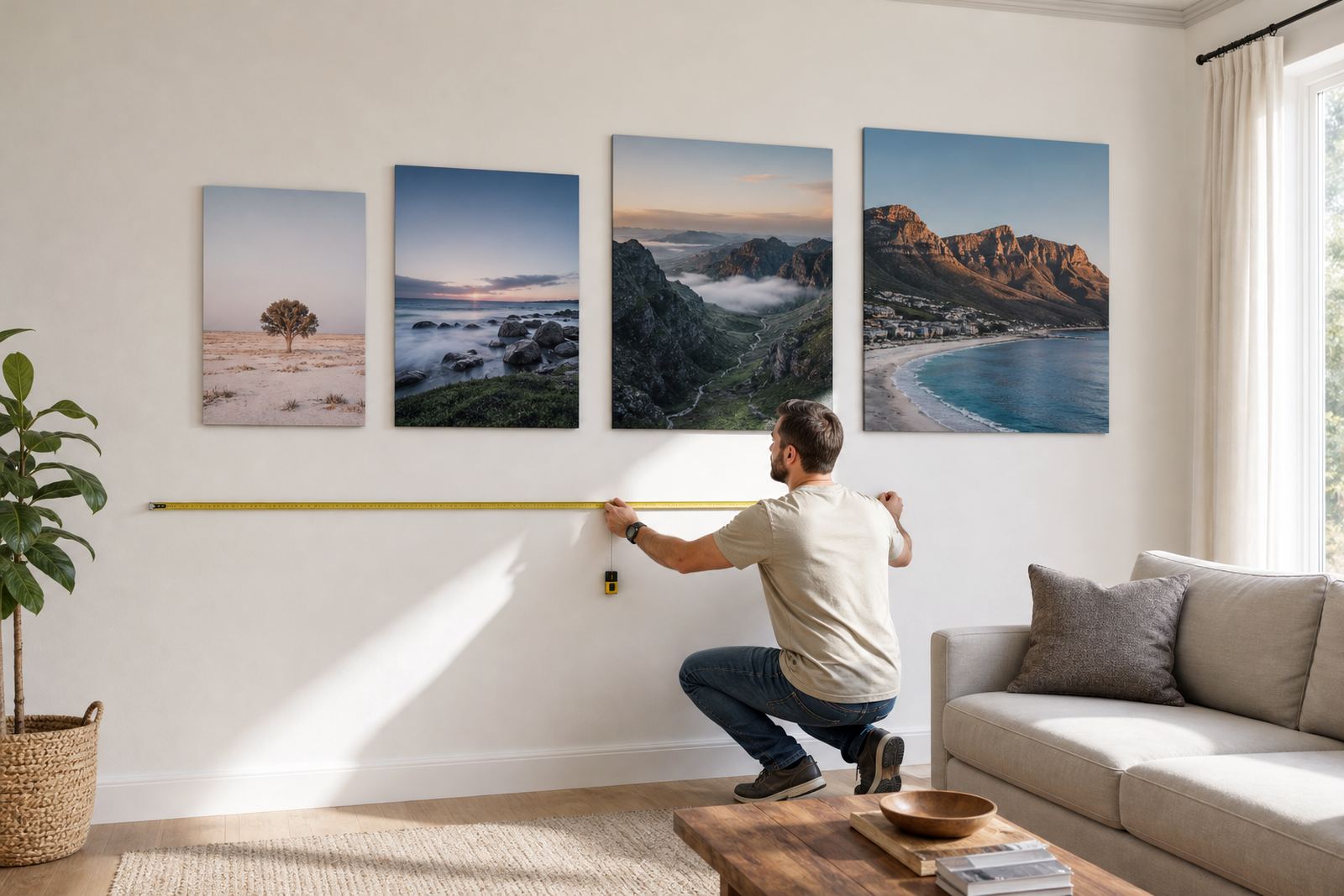
For larger panels or multi panel layouts, spacing and alignment need to be planned from the start. Sibusiso Salie handles finishing and mounting options so the pieces sit evenly and the wall layout looks deliberate. In a narrow passage, even a small misalignment shows, so measuring twice is worth it.
- Check wall material before selecting fixings.
- Allow space for cleaning around the artwork.
- Use hanging hardware that can take the panel size and weight.
- For multi panel work, mark centre points and spacing before drilling.
What office and hospitality buyers should confirm first
Before ordering, it helps to confirm how the space is used, who will install the panel and how often the area is cleaned. A boardroom may need a calm matte image with a single panel format. A hotel foyer might need a larger statement piece that can be wiped down and viewed from several angles. A restaurant wall may need a finish that does not reflect every pendant light.
For public interiors, local building rules and landlord approvals can also matter. Some malls and managed properties in Johannesburg and Pretoria require permission for drilling or wall fixings. If the panel is going into a leased space, it is worth checking the wall surface and any restrictions before production starts.
- Measure the wall area including skirting, plugs and switches.
- Confirm whether the panel must be removable.
- Decide if the image is for close viewing or distance viewing.
- Note any cleaning chemicals used by the site team.
Ordering across South Africa without hold ups
SubAlu works from Randburg, Johannesburg and supports deliveries to Sandton, Midrand, Pretoria, Cape Town, Durban and Gqeberha. That matters for businesses with more than one site or for hospitality groups fitting out several rooms at once. Good packing and clear delivery notes reduce damage risk and help the installer know what arrives where.
Nicole Adams manages logistics and dispatch, while Ayesha Moagi handles client services and order coordination. Mandla Chetty leads the business, with Lerato Ntsele overseeing production. If you are ordering for a chain, a hotel group or a corporate fitout, consistency across sizes and finishes should be agreed before the first panel is made.