
A softer edge for stronger walls
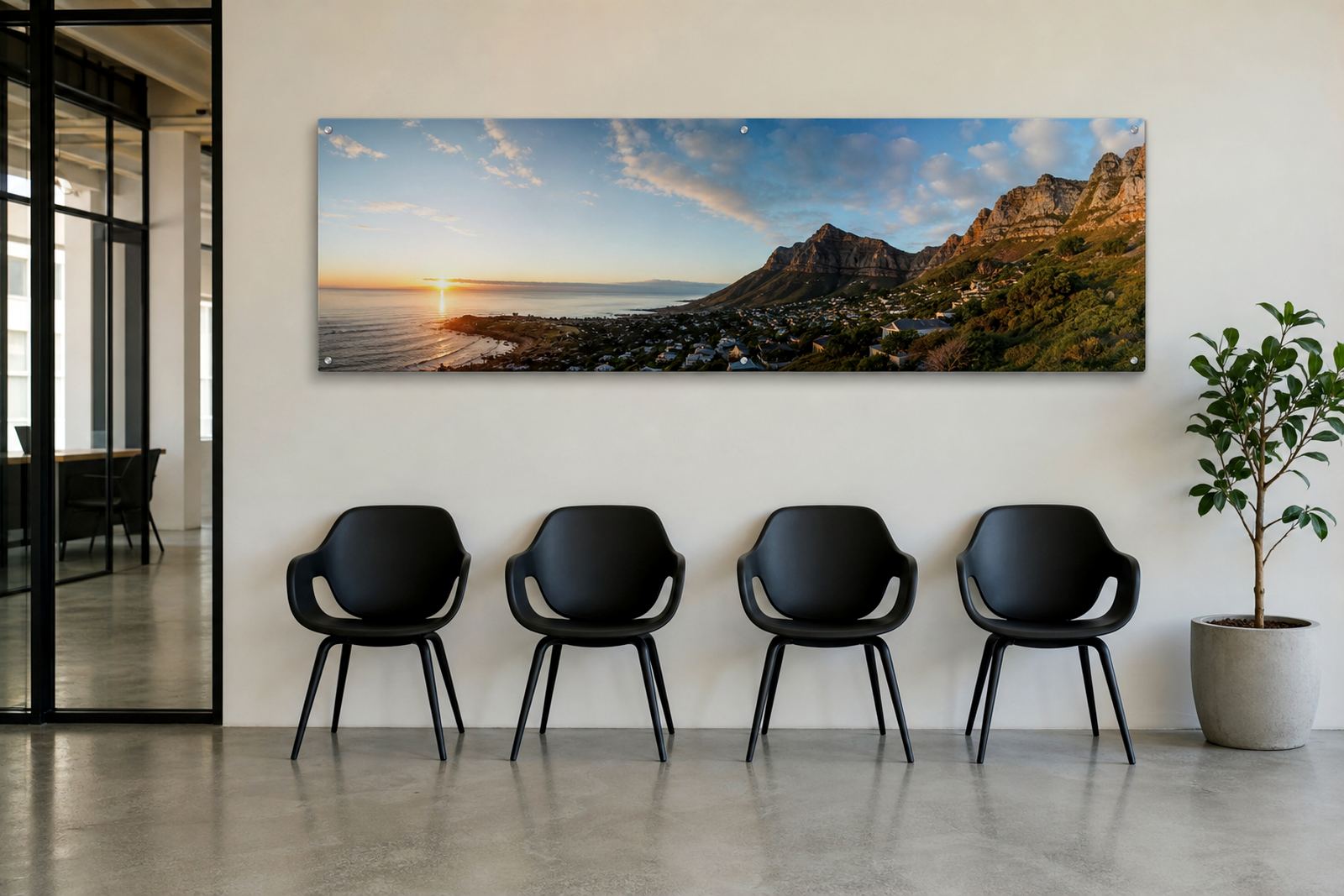
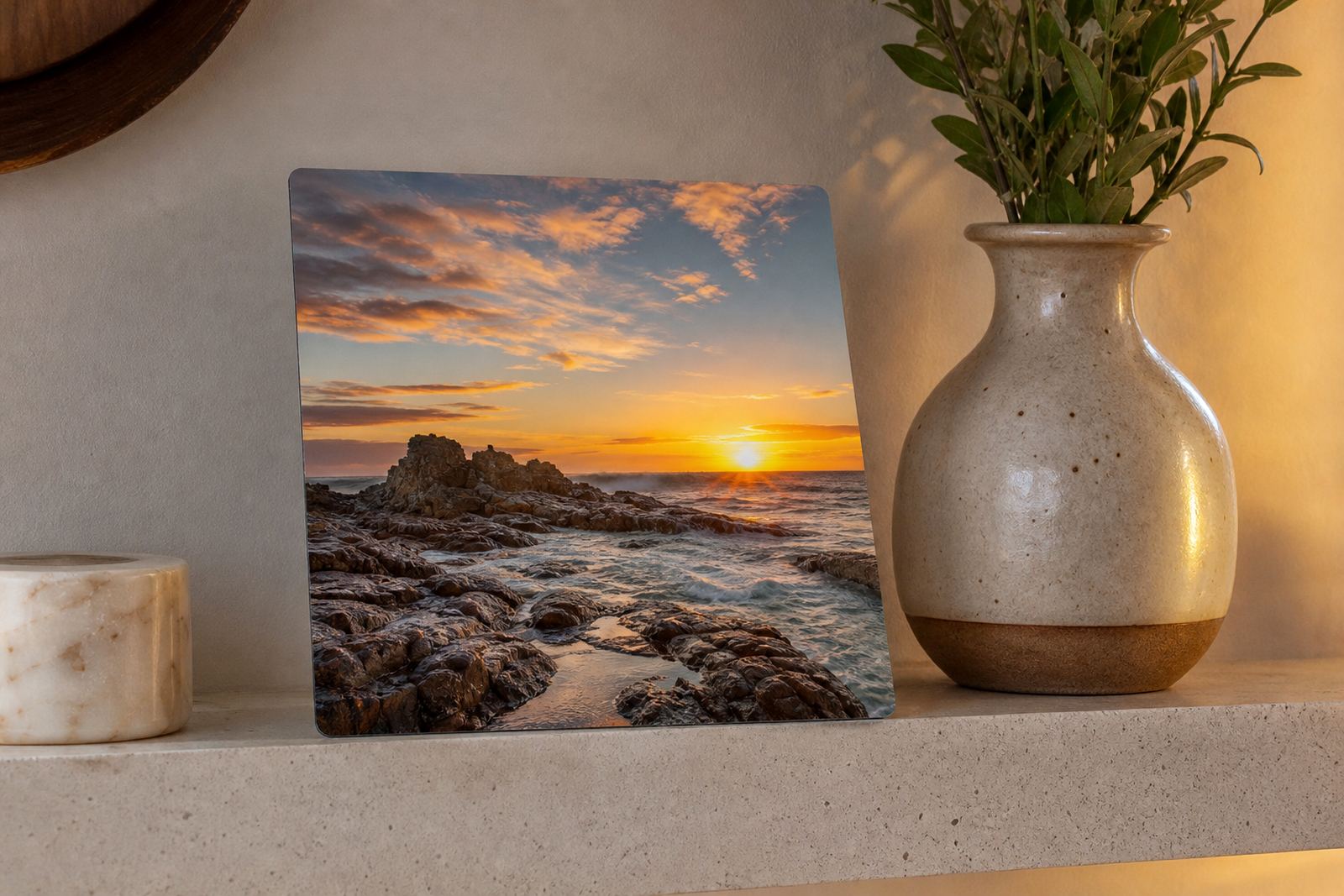
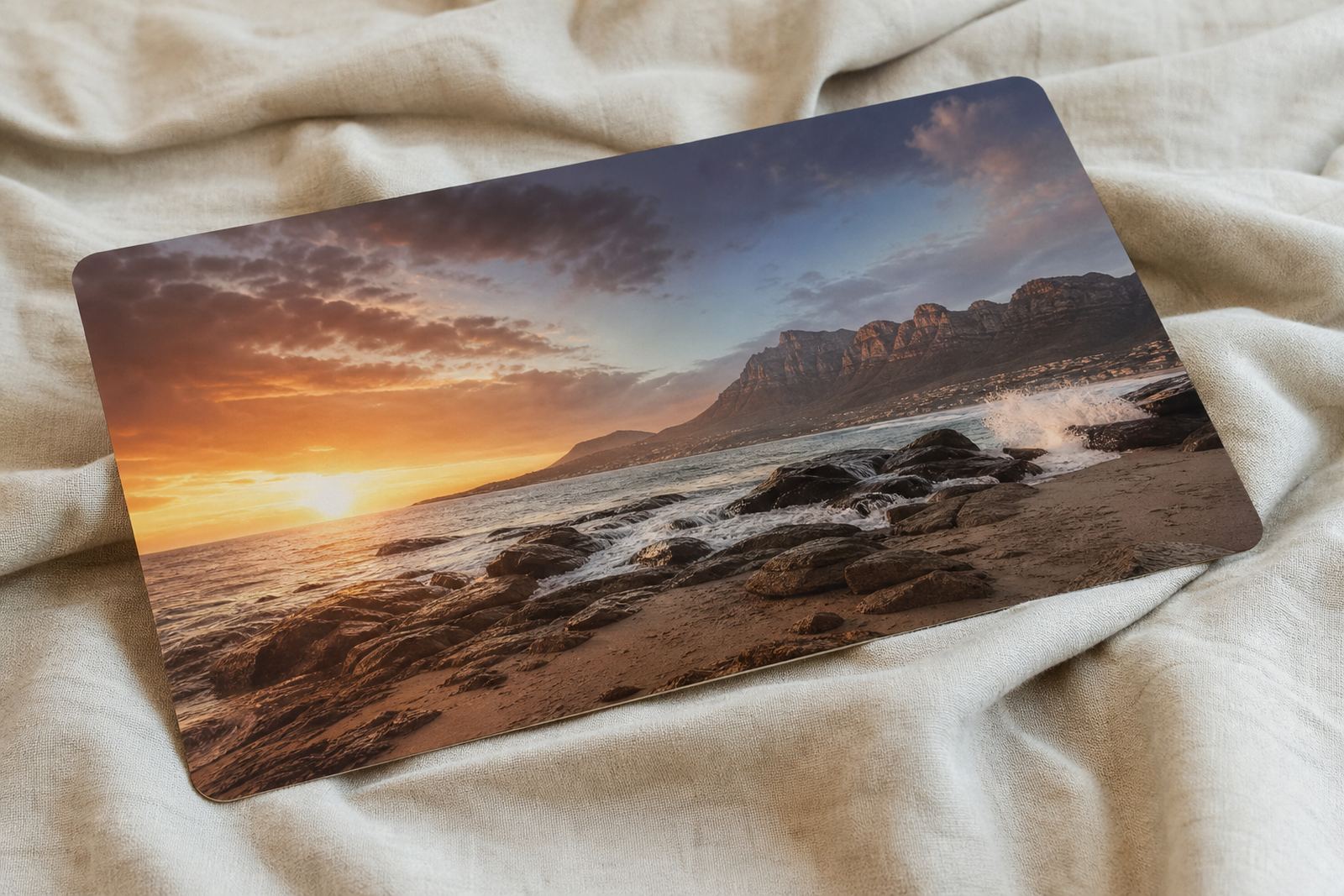
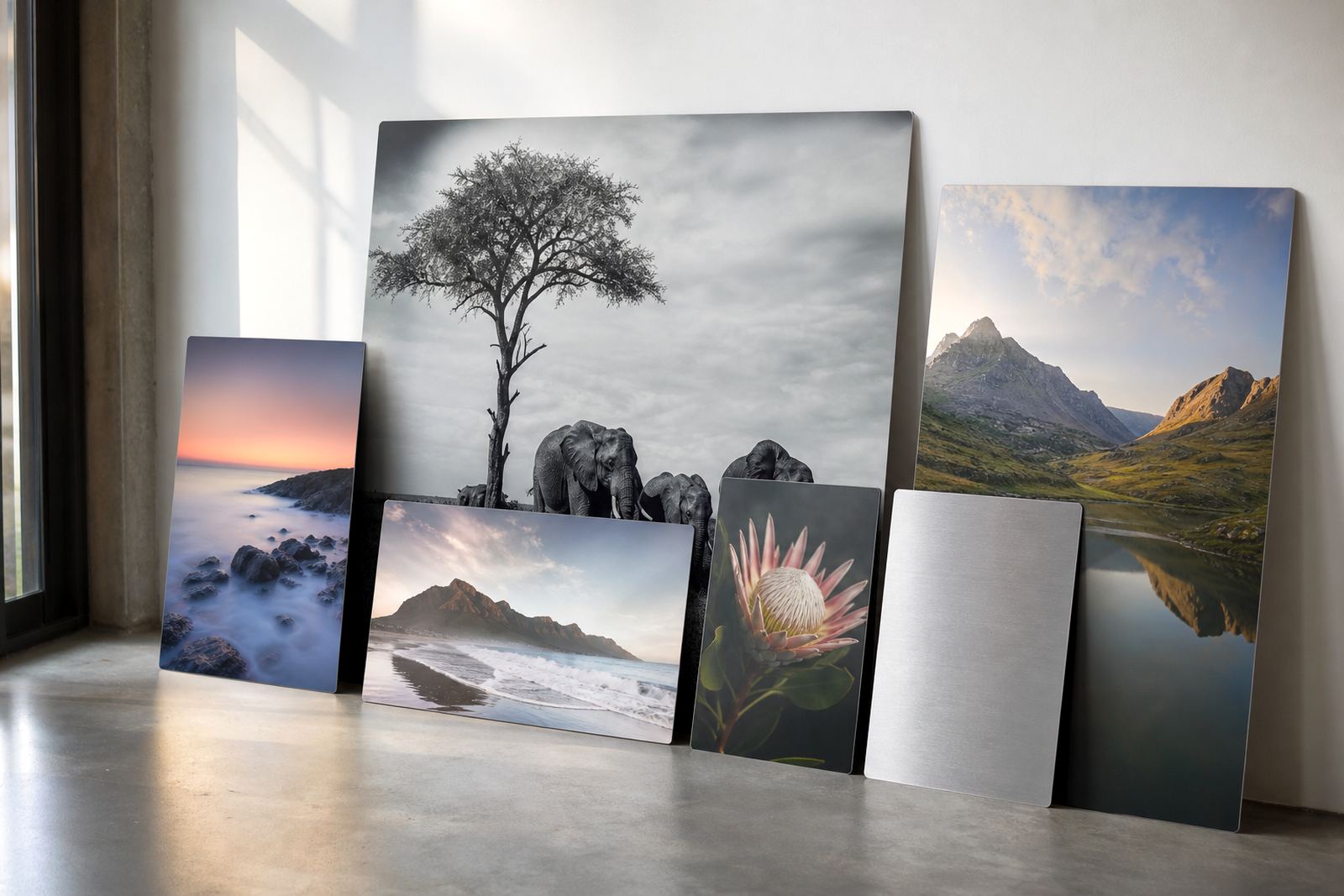
The Rounded Corner Panel is a sublimation aluminium photo panel with the corners radiused off instead of left square. That small change makes a big difference in spaces where the artwork must sit comfortably against other fittings, tighter passages, or a more restrained interior style. It still carries the same printed image quality, but the shape feels less hard-edged and a touch more refined.
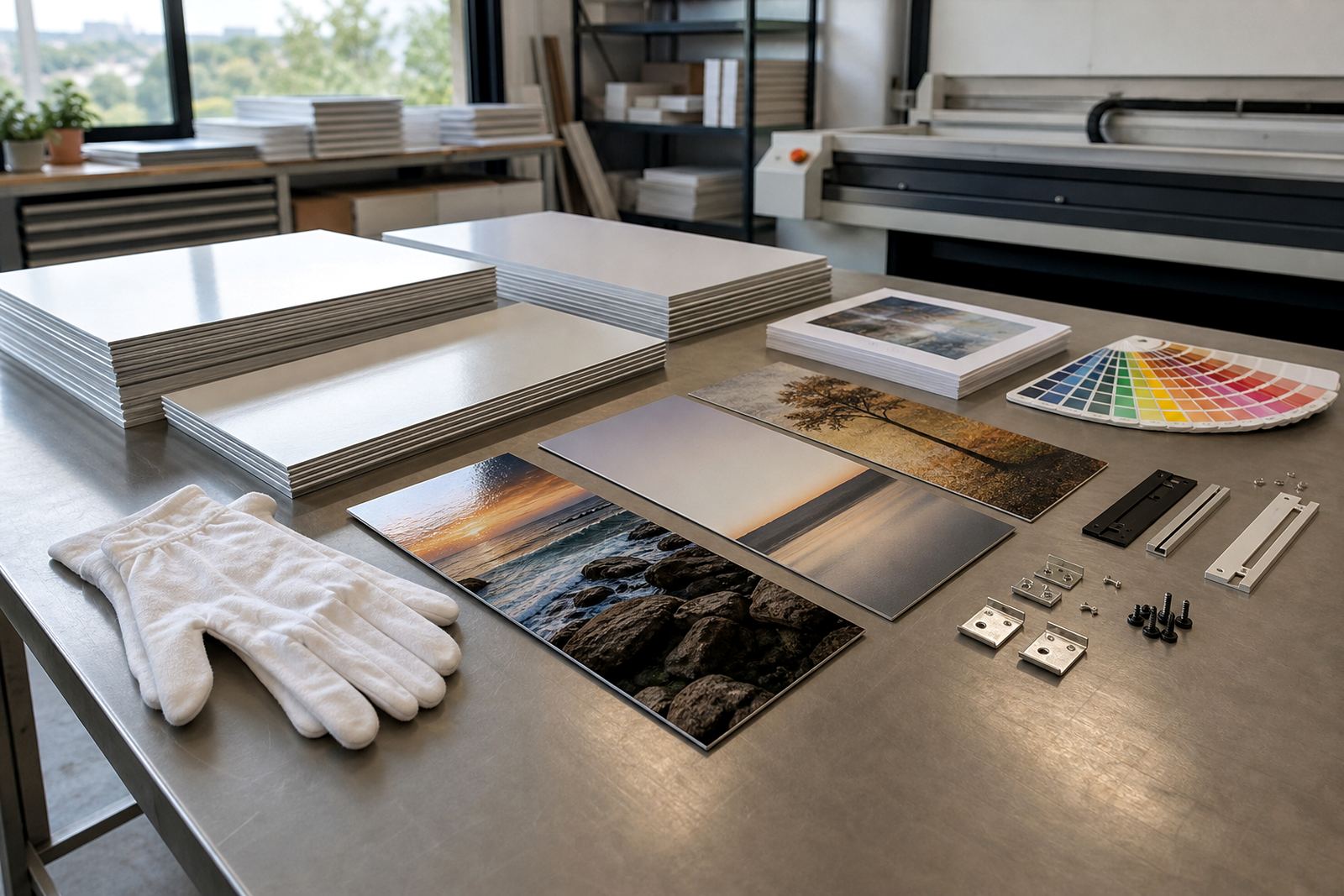
The panel is produced by printing your image through dye sublimation onto a specially coated aluminium sheet, then finishing it for display. The coating takes the ink into the surface under heat and pressure, which gives a durable image layer with good colour depth and fine detail. Clients often choose this shape for family portraits, architectural images, product displays and branded office pieces where the wall space is busy and the corners need a gentler visual line.
In practice, this format works well where there are walkways, reception counters, narrow corridors or grouped wall layouts. The rounded corners reduce the look of a sharp rectangle and help the panel sit more comfortably in rooms with softer furniture lines or curved design elements.
Finish choices that change the feel of the image
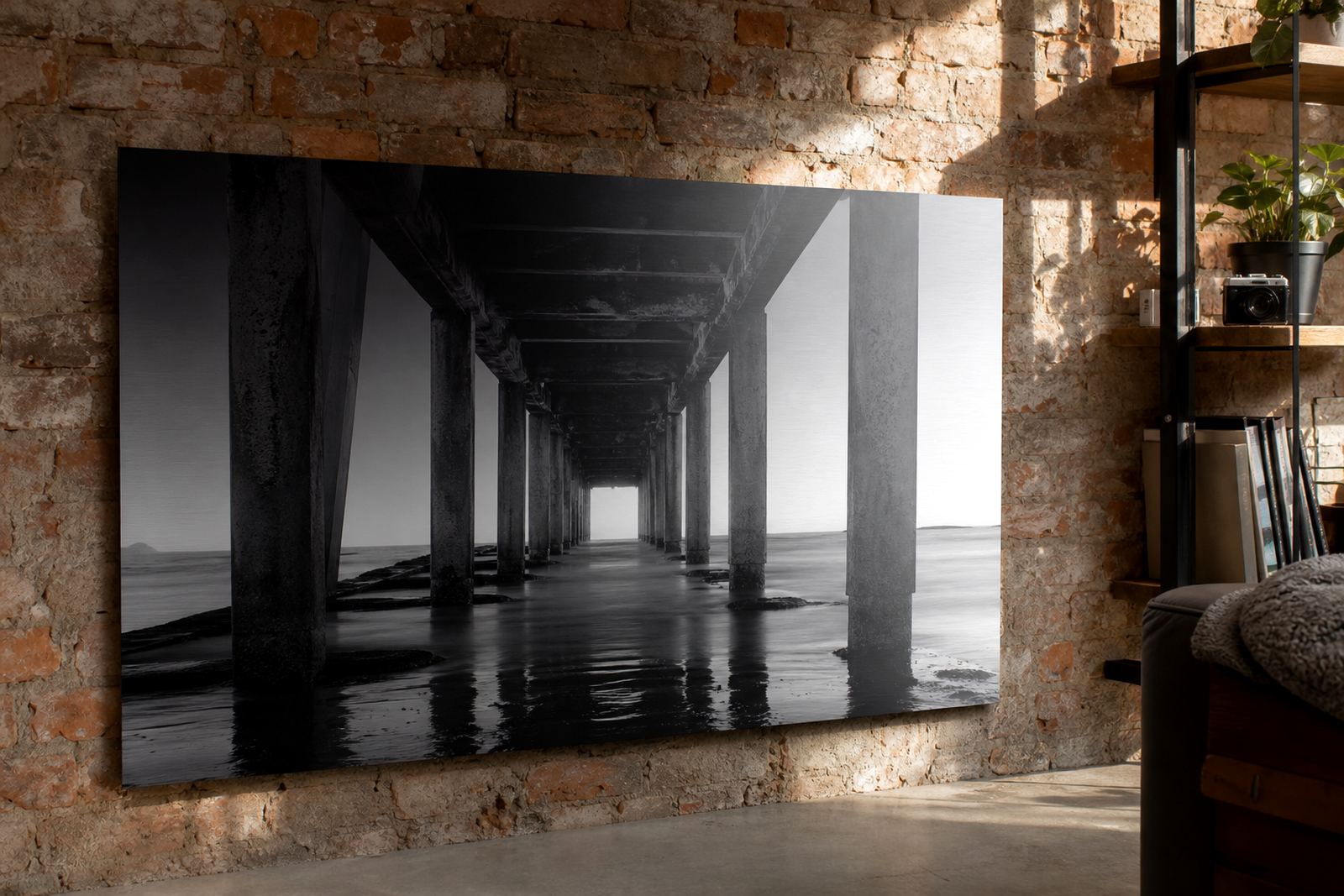
Finish selection affects how the print reads in the room, especially in bright South African light. Gloss gives a more vivid surface with stronger contrast and a reflective look. Matte lowers glare and is often better for offices, passage walls, reception areas and homes with direct afternoon sun. White-coated panels are the most versatile for full-colour photographs, while brushed aluminium keeps a visible metal texture under lighter parts of the image for a more industrial look.
- Gloss: strong colour pop, suited to indoor display away from harsh reflections.
- Matte: controlled sheen, practical for brighter spaces and viewing at different angles.
- White base: best for full-colour images and accurate skin tones.
- Brushed base: useful when you want the metal grain to remain part of the artwork.
For coastal towns like Durban or Gqeberha, finish choice matters when the panel will sit in a humid room or near large windows. The coated aluminium holds up well in normal interior conditions, but glare and direct sun should still be considered when choosing where the panel will hang. For boardrooms, gallery walls and retail interiors, the matte option is often the easiest to live with day to day.
Sizes, crop lines and layout work
Rounded Corner Panels can be supplied in custom sizes, from small feature pieces through to larger wall displays. The size needs to match the image ratio, the wall space, and the viewing distance. A photo that looks crisp on a phone screen may need file review before it can stretch to a larger print without soft edges or visible pixelation.
We check the supplied file for resolution, crop safety and image placement before production. That matters when the corners are rounded because the composition must still sit correctly once the edges are softened. If a logo, face, skyline or key product detail is placed too close to the edge, it may need crop planning or a different size to keep the main subject balanced.
- Custom sizing: supplied to suit the wall or frame line, not a fixed catalogue only.
- Single panels: ideal for one strong image with a clean finish.
- Multi panel layouts: useful for triptychs, series work or wide feature walls.
- Test panels: helpful for colour critical work before a larger production run.
If you are placing an order for a business space in Johannesburg, Pretoria or Sandton, it helps to confirm the wall measurements and any nearby fittings such as switches, fire equipment or signage. That keeps the panel clear of obstructions and avoids awkward drilling later.
Where this shape settles best
This finish works well in many interiors because it feels softer than a sharp-cornered panel, while still looking polished. Photographers use it for portrait walls, image sets and client presentation spaces. Artists often select it for printed work where the edge detail should not compete with the artwork. Businesses use it for reception areas, meeting rooms, passage walls and customer-facing display points where a gentler edge helps the piece settle naturally into the room.
It is also practical in homes where there are children, narrower walkways or built-in cabinetry close to the wall line. The rounded corner can be a small safety advantage in some settings and it gives the piece a more relaxed look in living areas, bedrooms and home offices. In municipal or public-facing spaces, the cleaner edge can also help the panel read as finished and intentional rather than temporary.
- Reception counters and waiting areas
- Hallways, stair landings and corridor walls
- Home offices and living rooms
- Studios, galleries and retail interiors
- Corporate branding walls and product showcases
For Johannesburg, Cape Town and Pretoria offices, the panel can be matched to existing décor without taking over the room. In Durban and coastal areas, it works well where the visual line needs to stay tidy even in brighter or more humid interiors.
Fitting, hanging and wall fixing details
The panel may be ordered with generic hanging hardware suited to the final size and weight of the piece. Smaller panels can often use a lighter hanging option, while larger panels need a more secure mounting arrangement to keep the print level and stable. The fixing choice should suit the wall substrate as well, whether it is painted plaster, brick, partition board or another interior surface.
When planning installation, confirm the wall condition and whether the piece will sit in a high-traffic area. In an office or hospitality setting, the panel should be fixed so it stays flush and does not shift when doors close or people move nearby. If the wall is uneven, extra care may be needed during fitting so the panel does not twist slightly and pull the visual line out of square.
- Hanging hardware: selected to suit size, weight and intended wall type.
- Mounting position: centred, grouped or aligned to an existing feature line.
- Clearance: allow for switches, skirting, trim and nearby fittings.
- Level installation: important for multi panel sets and gallery-style walls.
For delivery into Midrand, Randburg, Sandton and wider Johannesburg, it helps to confirm access at the property and whether the panel will need to go upstairs, through narrow passages or into lift-served offices. That keeps packing and dispatch straightforward.
Keeping the panel clean and presentable
Care is straightforward. The coated aluminium surface should be dusted with a soft, dry microfibre cloth and wiped gently if needed. Avoid harsh abrasives, strong solvents or rough scrubbers, as these can mark the finish or dull the print surface. For fingerprints on gloss, a light wipe is usually enough. Matte finishes hide handling marks better, which is why they are often preferred in busy spaces.
As with most interior display work, long exposure to harsh direct sun can affect appearance over time. A panel placed near a bright window may still look excellent, but it is better to avoid constant intense light and moisture-heavy areas where steam, condensation or salt air is present. In bathrooms or enclosed coastal spaces, ventilation matters.
When a panel is moved, keep it flat and protect the corners and edges during transport. The rounded shape helps reduce the chance of sharp edge damage, but the image face still deserves careful handling, especially on larger sizes.
What to confirm before we make it
Before production, the main points to confirm are the image file, the size, the finish and the mounting method. If the image will be used for commercial branding, confirm that you own the image or have the rights to use it. That includes photographs supplied by a client, designer or marketing team. If the file needs cleaning, cropping or rebalancing, it is better to flag that early so the final print lands correctly.
It also helps to confirm whether you want a white or brushed base, whether the panel will hang alone or in a set, and whether the display space has strong light from windows, track lighting or overhead fittings. If the image is for a multi panel layout, the spacing between pieces should be planned at the same time as the overall size. That avoids awkward gaps once the panels reach the wall.
- Final image file and its resolution
- Exact panel size or wall area available
- Gloss, matte, white or brushed finish
- Single panel or multi panel layout
- Mounting preference and wall type
- Delivery town and access details
Clients in Randburg, Johannesburg, Pretoria, Cape Town, Durban and Gqeberha can send the request through the enquiry form on our contact page with the file and measurements attached. We then check the details, prepare the layout and move it into production once the print spec is confirmed.
Key facts
| Product type | Dye sublimation aluminium photo panel with rounded corners |
|---|---|
| Base material | Coated aluminium panel |
| Finish options | Gloss, matte, white-coated or brushed |
| Sizing | Custom sizes available to suit wall and image ratio |
| Mounting | Generic hanging hardware available, selected to suit size and wall type |
| Use areas | Homes, galleries, studios, reception areas and offices across South Africa |