
Why A3 gloss works so well on aluminium
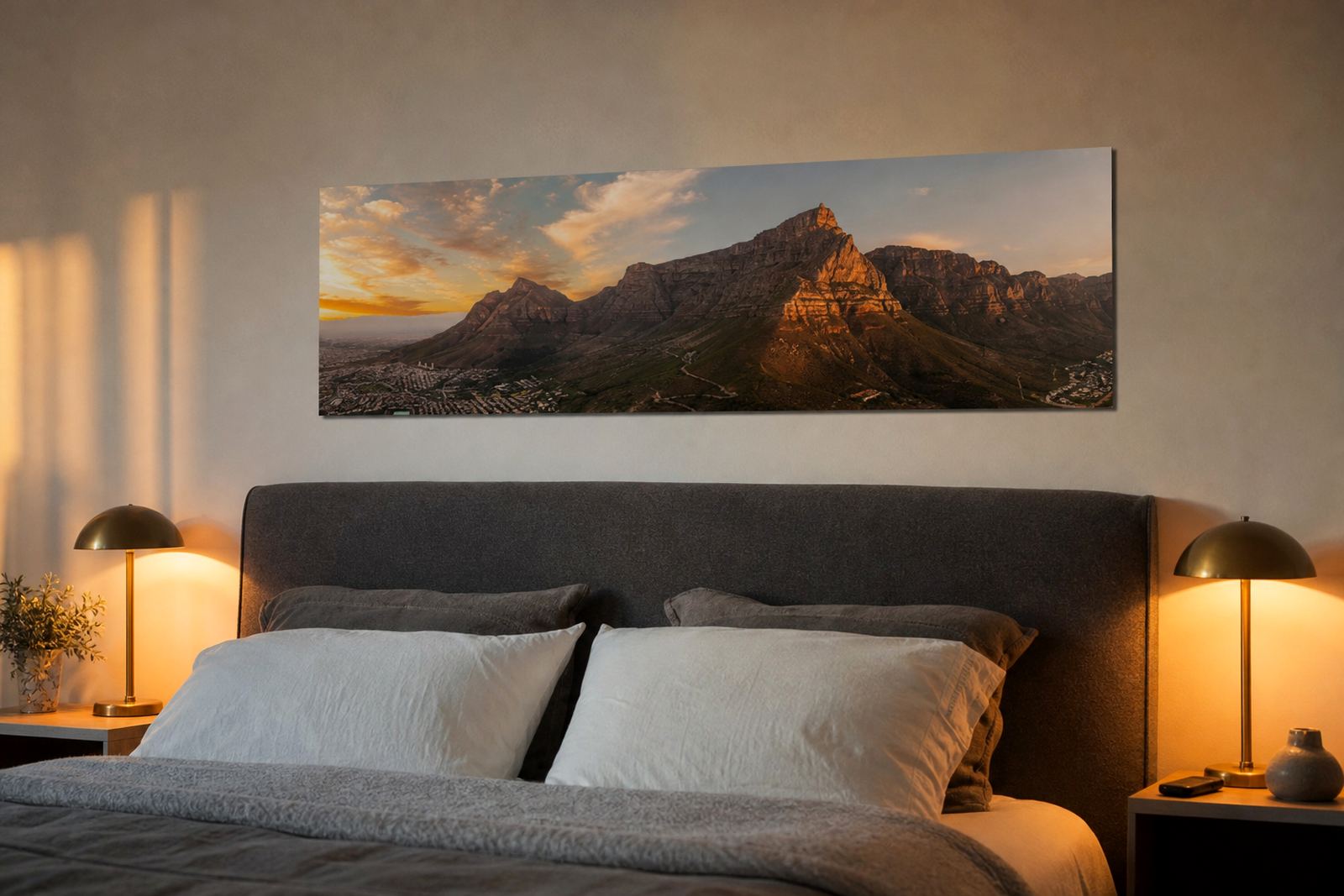
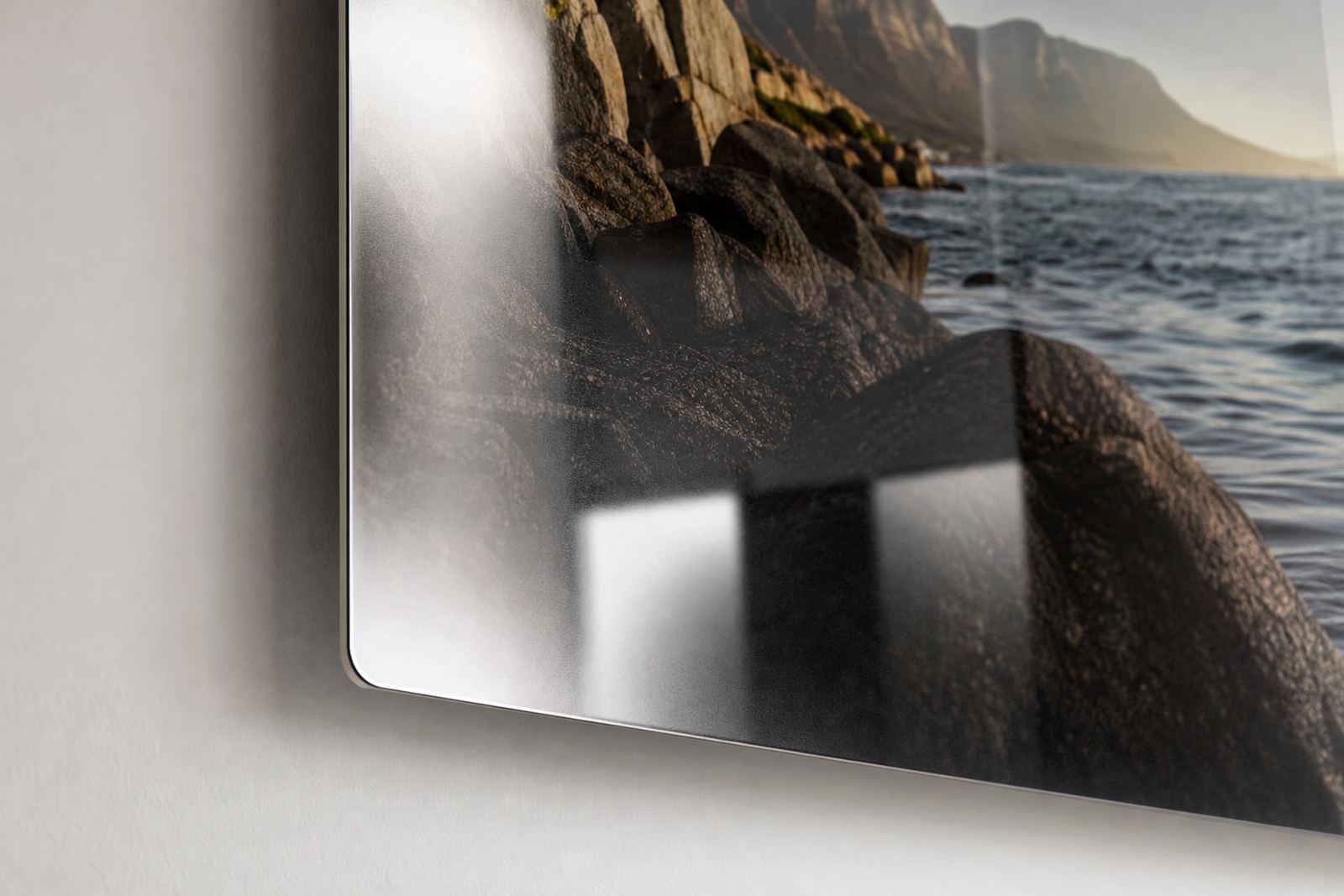
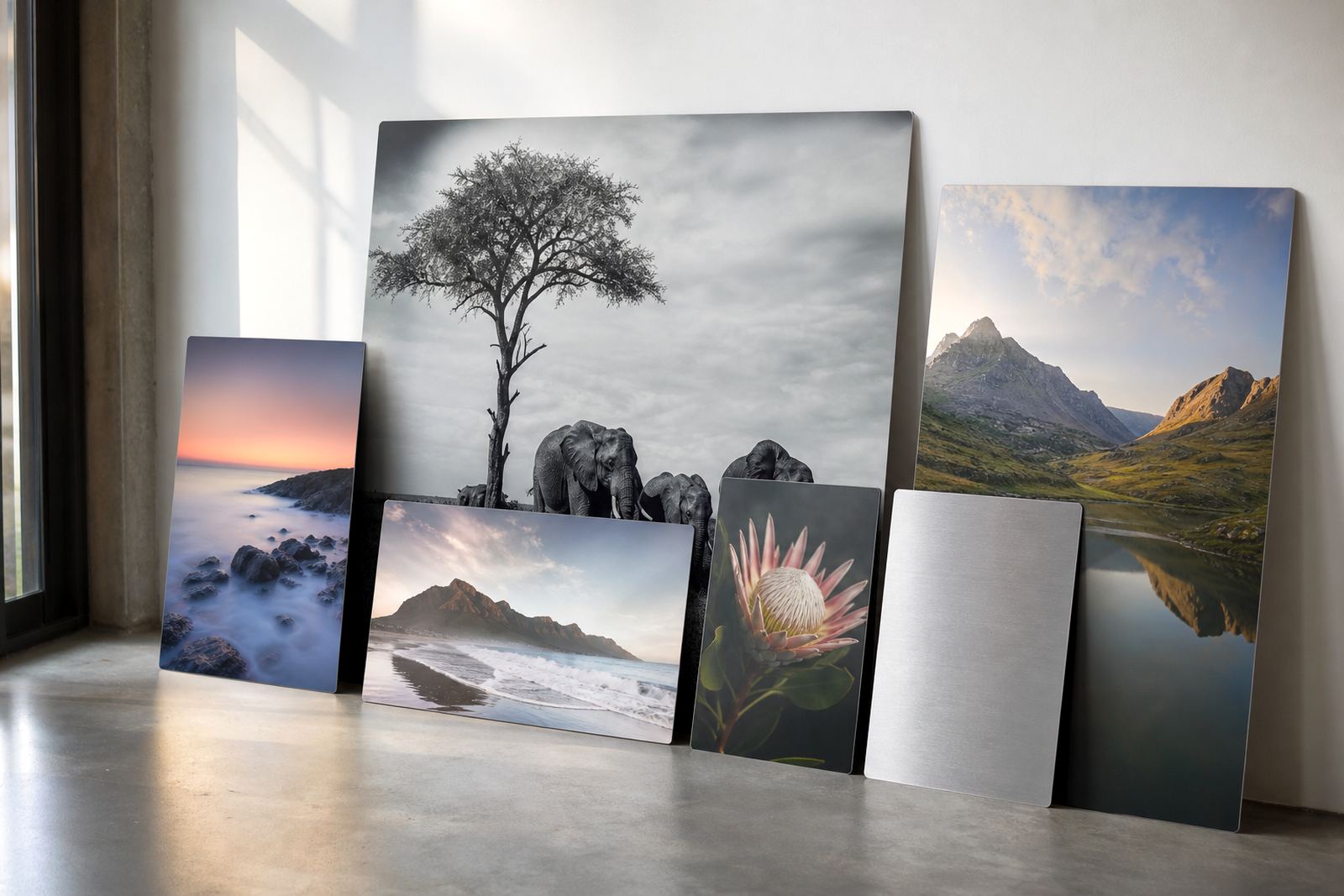
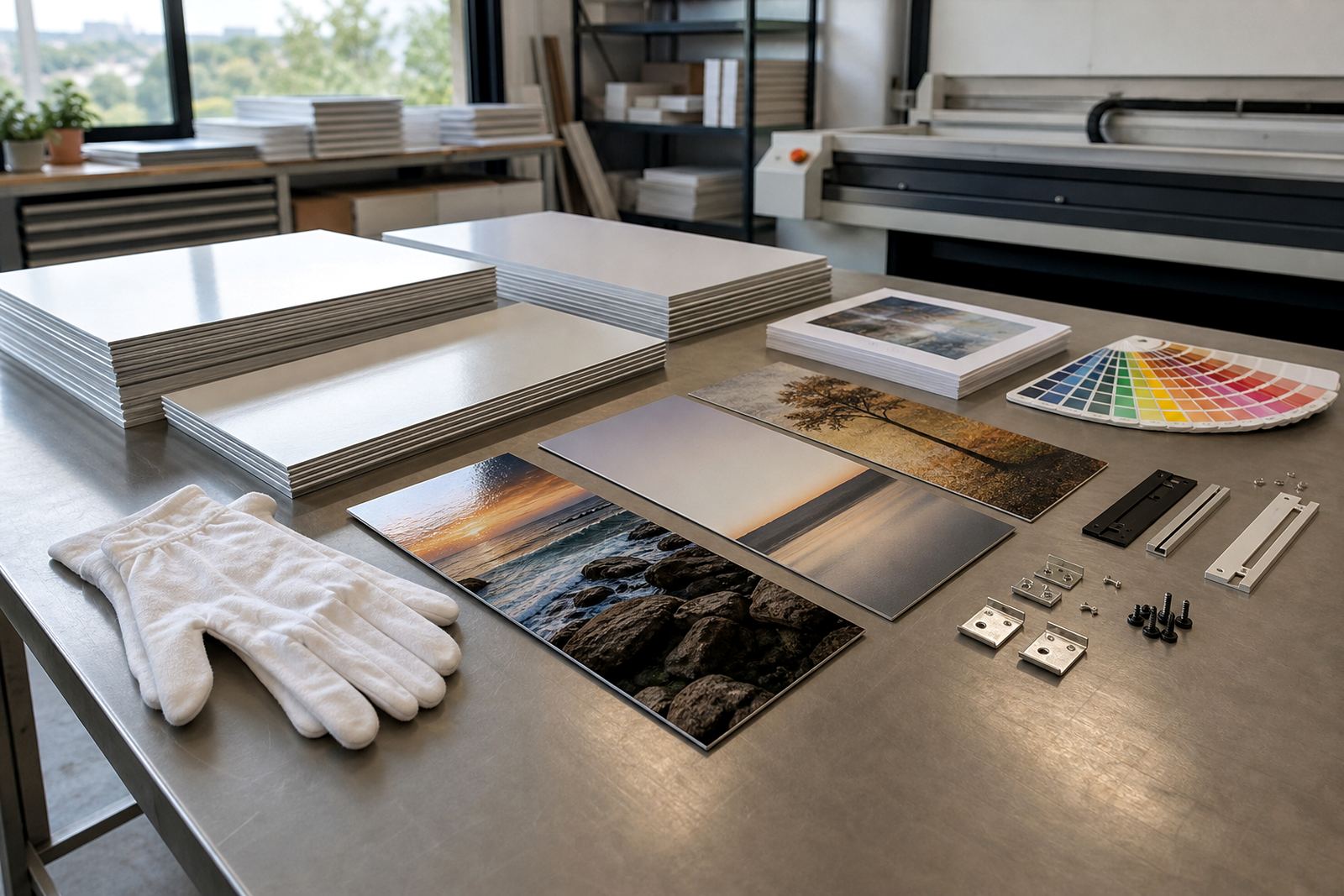
An A3 gloss panel is made by dye sublimation onto a coated aluminium sheet, then heat-set so the image bonds into the coating rather than sitting on top like a surface print. That is why the panel can handle busy colour work, sharp line art and portrait images without the image looking soft or washed out. The gloss finish adds a neat sheen that gives darker tones more depth and helps highlights stand out, especially in rooms with good light.
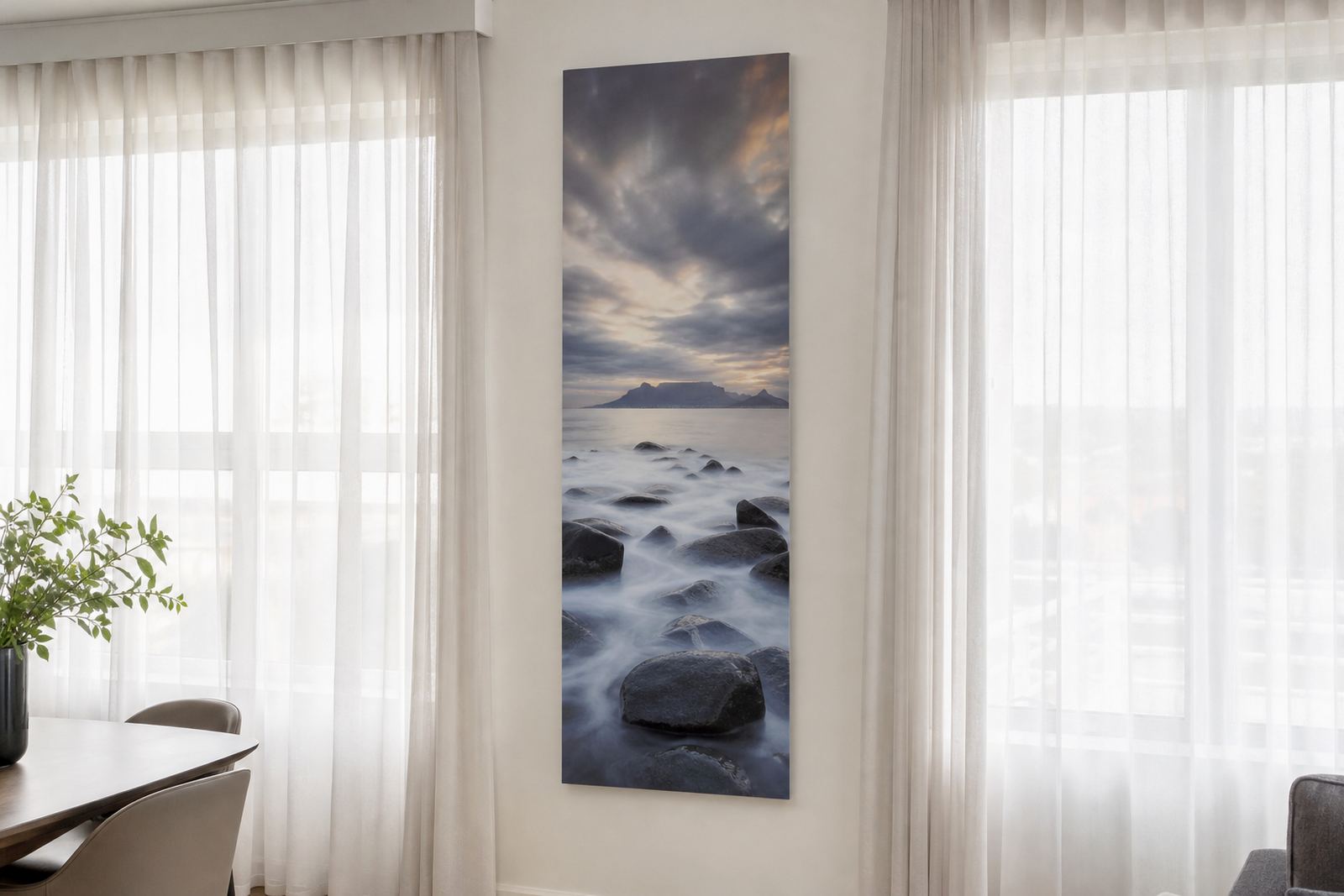
This format is a useful middle ground for clients who want something more striking than a paper print but not as large or heavy as a feature board. It suits single-image displays, small series and gift pieces, and it works well in Johannesburg apartments, Cape Town offices, Durban showrooms and inland homes where temperature shifts and dust are part of daily life. The aluminium base also gives better day-to-day durability than many framed options because the printed face is sealed and easy to wipe clean.
What A3 means in the workshop
A3 refers to the finished image area or panel size built around 297 x 420 mm, with the exact edge treatment depending on the chosen mount or hanging method. For a gloss panel, we normally prepare the file to suit the intended trim and safe area so faces, logos and important text do not fall too close to the edge. The final result is neat and balanced, which matters when the panel is viewed at eye level in a hallway, office passage or reception point.
For best results, the image file should be supplied at proper resolution for the final size. A sharp photograph with enough pixels gives cleaner skin tones, tighter lettering and better detail in textured areas like fabric, foliage or buildings. If the file is too small, the print can still be done, but fine edges may show softness. We check crop, bleed and the final orientation then prep the panel for print, so the image lands where it should.
- Finished size: A3 format at 297 x 420 mm
- Suitable for portrait or landscape layout
- Best with high resolution image files
- Can be supplied with hanging hardware or mounted for fitting
Where this panel earns its place
The A3 gloss panel suits places where colour needs to hold attention without taking over the room. Photographers use it for portraits, wedding images, travel work and product shots. Artists often choose it for bold illustration, digital art and graphic pieces with hard edges. Businesses use it for reception graphics, branded visuals, staff recognition pieces and small wall displays in meeting rooms or client areas.
Because the surface is hardwearing and easy to dust off, it also suits busy spaces with regular foot traffic. In coastal towns like Durban and Gqeberha, the sealed aluminium face is helpful where humidity and salty air can be rough on paper-based display pieces. In Gauteng offices, it keeps a tidy look in air-conditioned rooms and stands up well to repeated handling during wall refreshes or seasonal displays.
- Home feature walls and hallway displays
- Galleries, studios and exhibition stands
- Reception counters, boardrooms and retail spaces
- Gift pieces, awards walls and short-run brand visuals
Finish choices that change the whole mood
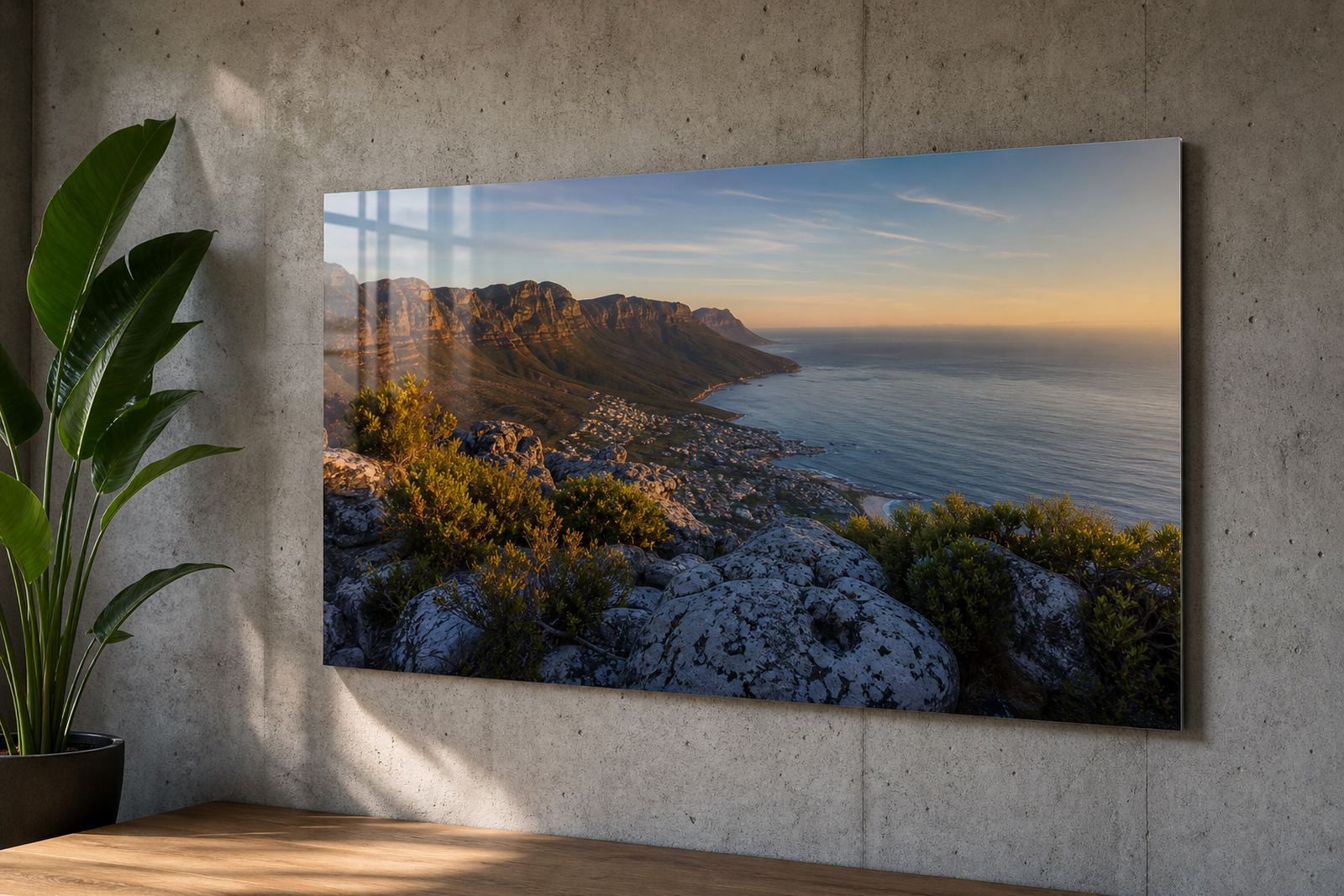
Gloss is the star on this page, but the underlying aluminium system can be finished in different ways depending on the image and the space. A white coated panel gives the brightest colour response and the cleanest whites. A brushed base lets parts of the metal show through in lighter areas, which works well for industrial looks, monochrome art and signage with a strong graphic feel. Matte reduces reflections and is useful where overhead lights, windows or display lamps would otherwise catch too much shine.
For the A3 gloss panel, the medium gloss look brings a polished finish without turning the image into a mirror. It is a good fit for colour rich photos, especially when the picture needs a bit more lift in contrast. If the image includes pale skin tones, pastel walls or fine lettering, we will usually review the file and suggest where gloss helps and where a different finish may suit the subject better.
Hanging, mounting and wall fit
An A3 panel is light enough for straightforward wall fitting, but it still needs the right hanging method for the surface it will live on. We can prepare it with a clean rear mount, stand-off spacing, adhesive fixing points or another suitable hardware option depending on the wall type and the intended look. Plasterboard, brick, tiled walls and painted office partitions all need slightly different approaches, especially where the client wants a flush finish or plans to move the panel later.
If the panel is going into a commercial space, think about viewing height, light direction and whether people will pass close to it. A panel in a narrow passage should not catch shoulders or bags. A board in a reception area should sit level with the logo wall or furniture line nearby. We can also help with multi panel layouts if several A3 pieces need to sit together in a clean grid.
- Rear hanging points for neat wall display
- Stand-off options for a floating look
- Mounting advice for plasterboard, masonry and tiled surfaces
- Layout help for paired or grouped panels
What to send when you place the order
To prepare the panel properly, we need the image file, the preferred orientation, the final size and the finish choice. If the panel is for a brand wall or a series of prints, include any crop notes, logo placement rules and whether the spacing between multiple panels must stay even. If you want a gloss panel matched to an existing set, send a clear reference image so the colour and contrast can be checked against the previous work.
Customers must own the image or have permission to use it. That matters for portraits, commissioned work, brand material and artwork that belongs to another creator. If the file was shot on a phone or in low light, we can still review it, but it helps to send the highest quality version available. We also check for colour balance, shadow detail and any issues that might show once the image is placed on aluminium.
- Final artwork file and source image, if available
- Panel size, orientation and quantity
- Chosen finish: gloss, matte, white or brushed base
- Mounting preference and delivery suburb or town
Looking after the panel after fitting
Once fitted, the panel needs very little day-to-day care. A soft dry cloth usually handles dust, and a slightly damp cloth can be used for fingerprints if needed. Avoid abrasive pads, strong solvents and rough cleaners, because they can mark the coating or dull the gloss. In dusty inland areas, a quick wipe now and again keeps the image bright, while coastal homes may need a bit more regular cleaning because salt in the air can settle on exposed surfaces.
Keep the panel out of direct hard knocks and avoid fitting it where it will be scraped by chairs, trolley movement or opening doors. If the display space is exposed to strong sunlight for long periods, the image will still hold up better than many paper-based prints, but it is sensible to plan wall placement with light levels in mind. For replacement work, we can review the existing file and help with reprint matching so a new panel sits well beside the older one.
Key facts
| Product | A3 gloss sublimation aluminium photo panel |
|---|---|
| Print method | Dye sublimation onto coated aluminium |
| Finished size | A3 format, 297 x 420 mm |
| Finish | Medium gloss, with other base options available on request |
| Use cases | Home display, office walls, galleries, studios and retail interiors |
| File guidance | Best results from high resolution images with correct crop and orientation |