
Why resolution matters before the aluminium is coated
When an image is transferred by dye sublimation onto a coated aluminium panel, the surface can show a great deal of detail. That is the good news. The catch is that the file still has to carry enough information for the final size and the distance people will stand from it. A file that looks fine on a phone may fall apart on a 900 x 600 mm panel, especially if it was cropped hard or saved too small.
Our resolution review checks the pixel dimensions, print area, intended finish and viewing distance together. For close viewing, we look for cleaner source files and tighter control. For larger office, reception or gallery pieces, we can work with lower source quality if the viewing distance is greater, but we will tell you where the limit sits so you are not caught out later.
- Best for photographers, artists and business clients sending wall art or branded visual panels
- Checks are based on the actual panel size, not just the file name or image preview
- Helps avoid blurry fine detail, jagged text and soft edges after printing
What we check in your file, before production starts
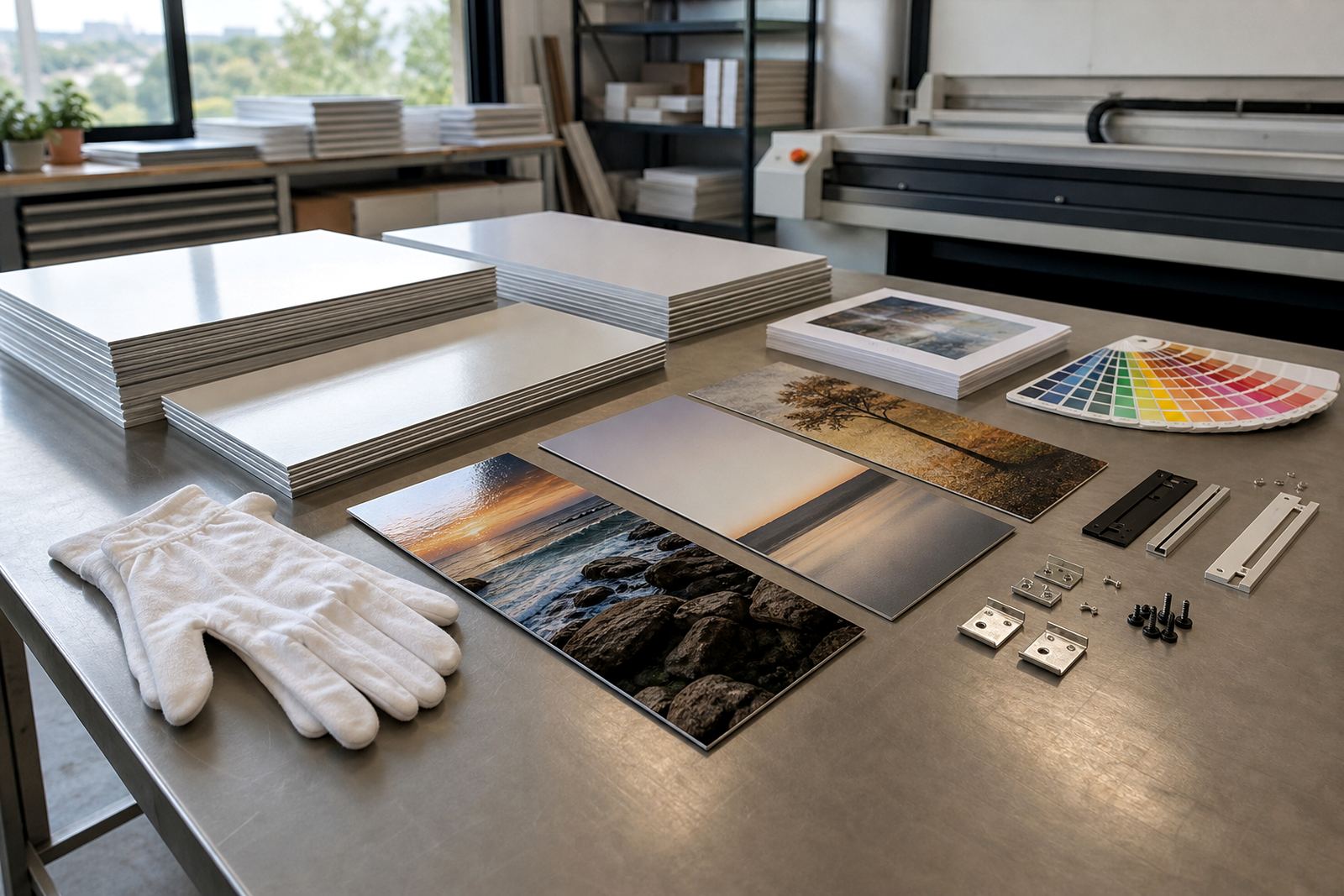
The review covers the practical details that affect print quality on coated aluminium. We check pixels, crop ratios, file format, colour space and whether the image has enough clean edge margin for the chosen mounting method. If the image needs a little trimming to fit a panel without stretching, we point that out early.
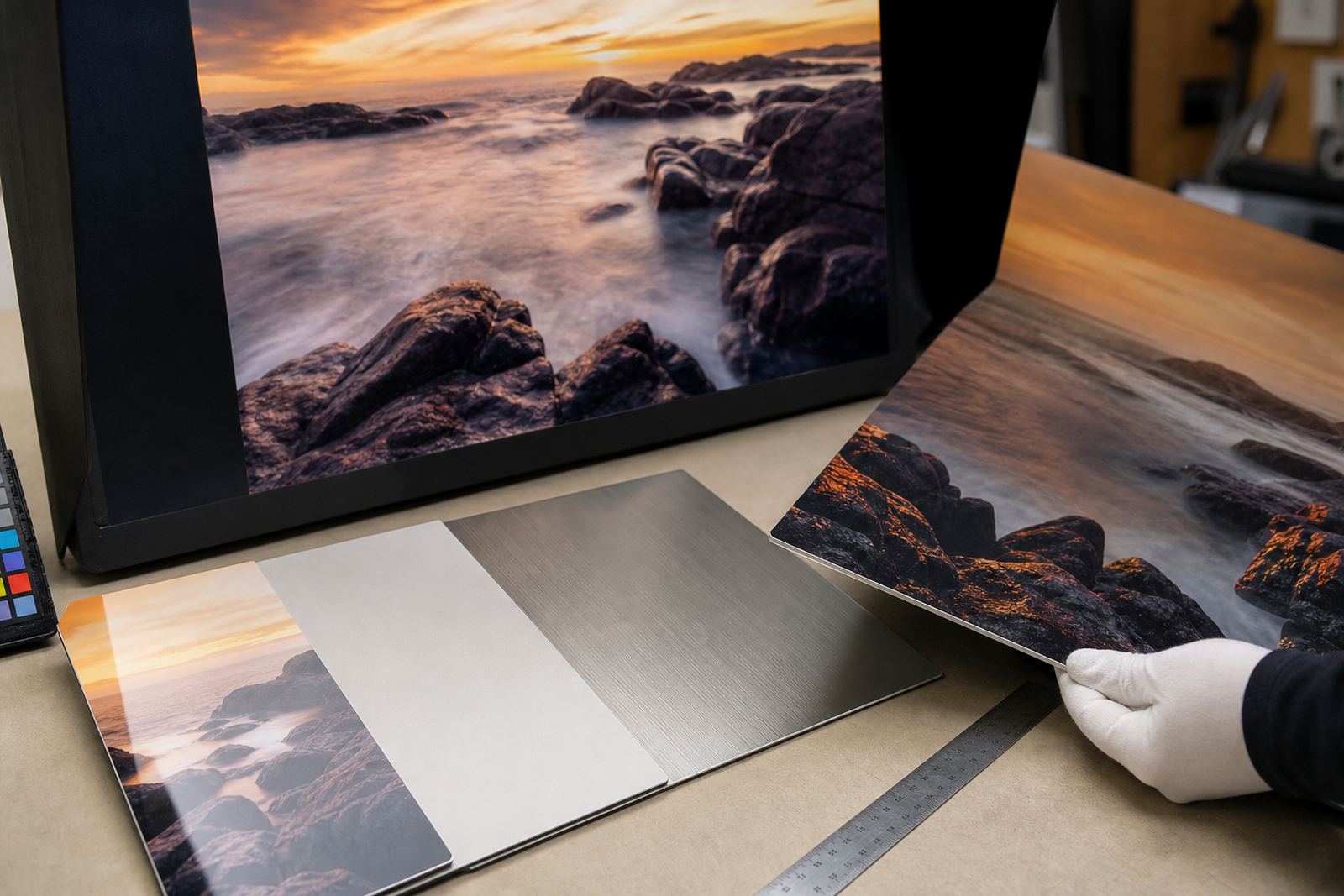
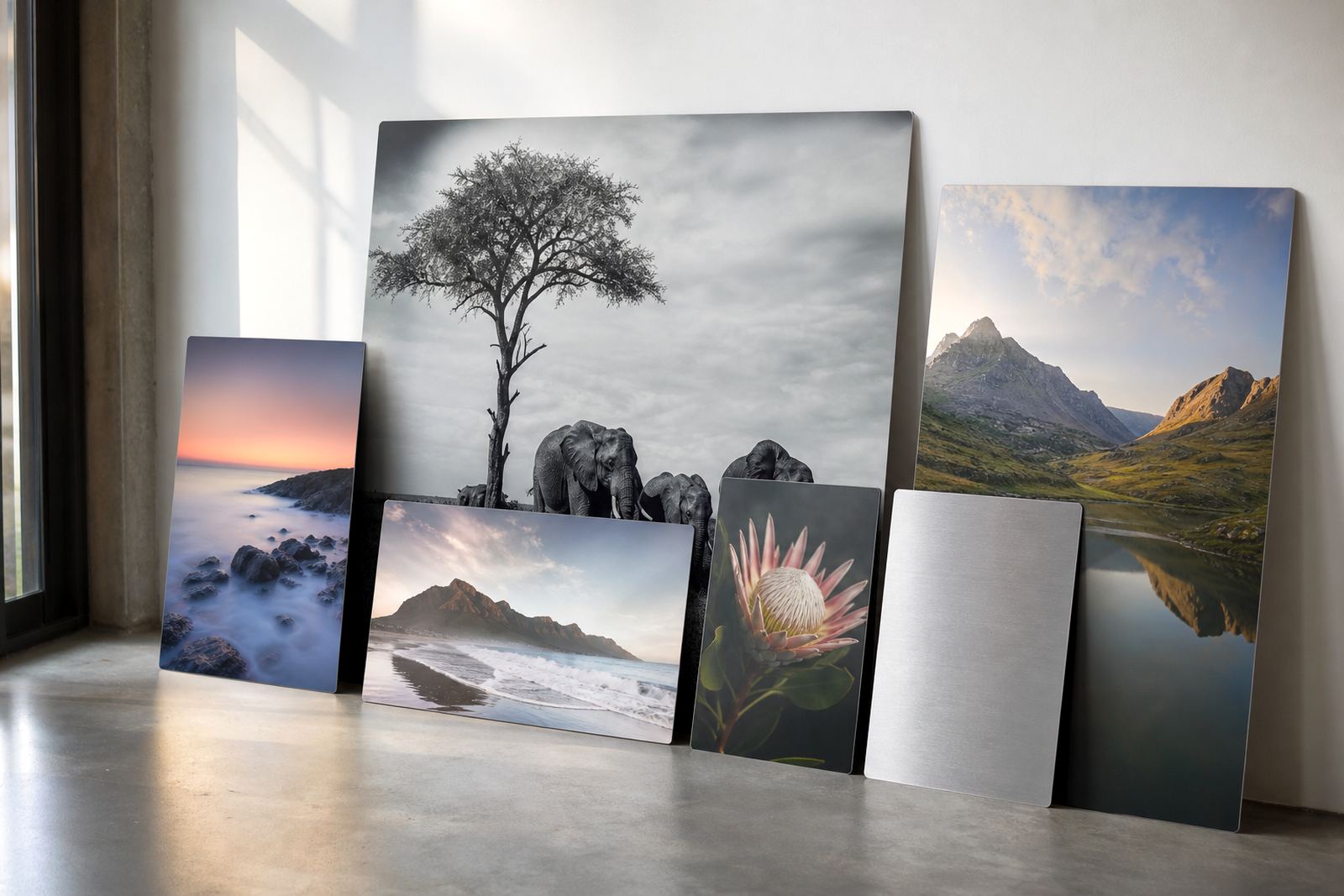
We also look at whether the file is suited to gloss, matte, white or brushed aluminium. For example, brushed aluminium uses the metal grain in the final look, so dark areas and transparent sections behave differently to white panels. A white panel generally gives the most faithful colour, while brushed surfaces suit images where texture and contrast are part of the design.
- Pixel count against final size
- Crop ratio and placement of key subjects
- Text sharpness for logos, labels and signage work
- Colour handling for white, gloss, matte and brushed finishes
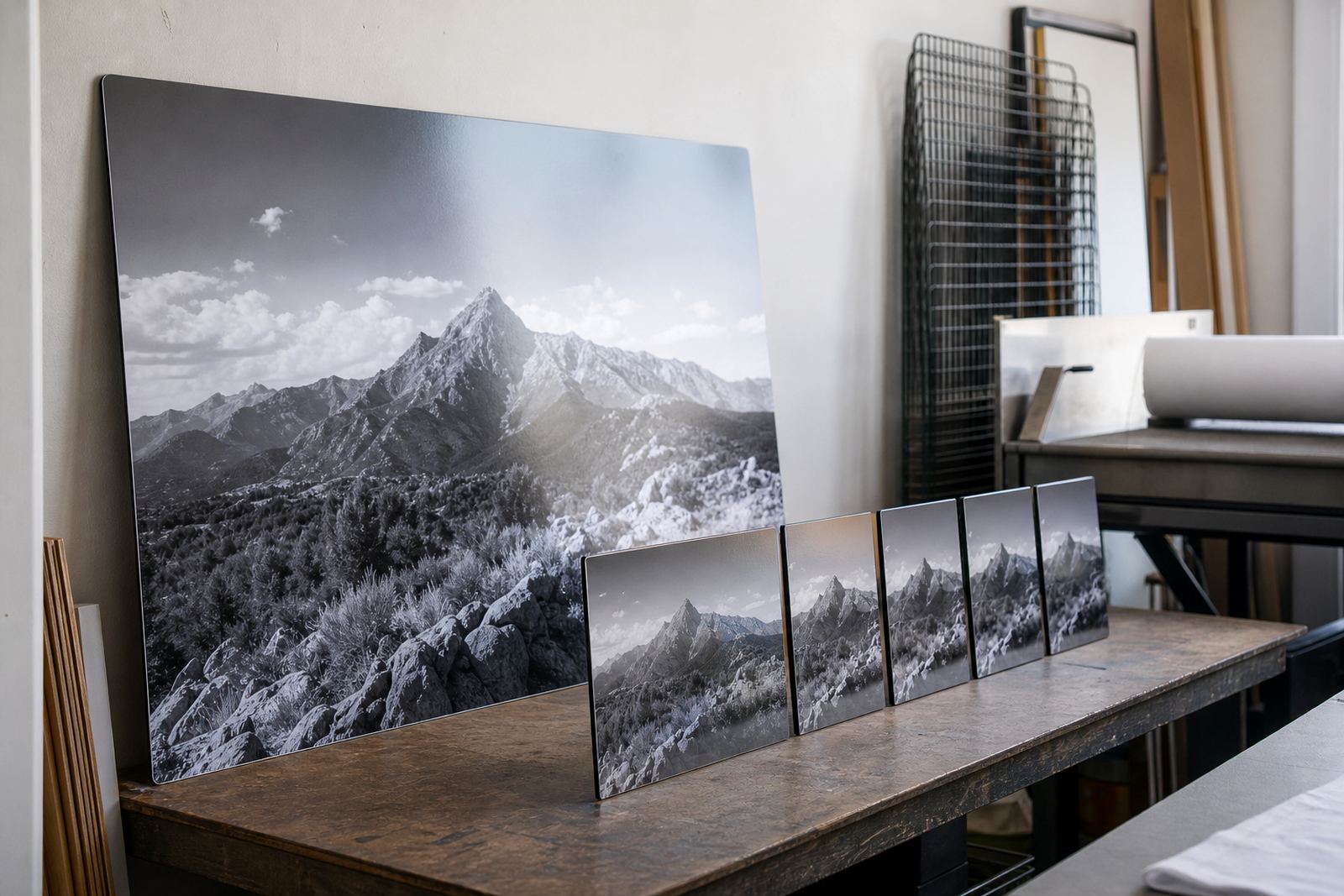
- Suitability for multi panel layouts, where alignment must stay clean across joins
How the resolution review runs from first file to green light
Clients send their image through the enquiry form on our contact page together with the size they want and any finish preference. From there, the file is checked by our production team in Randburg, Johannesburg. If there is enough resolution, we confirm that the panel can move ahead. If the file is borderline, we explain the risk and suggest the nearest safe size instead of pushing it through and hoping for the best.
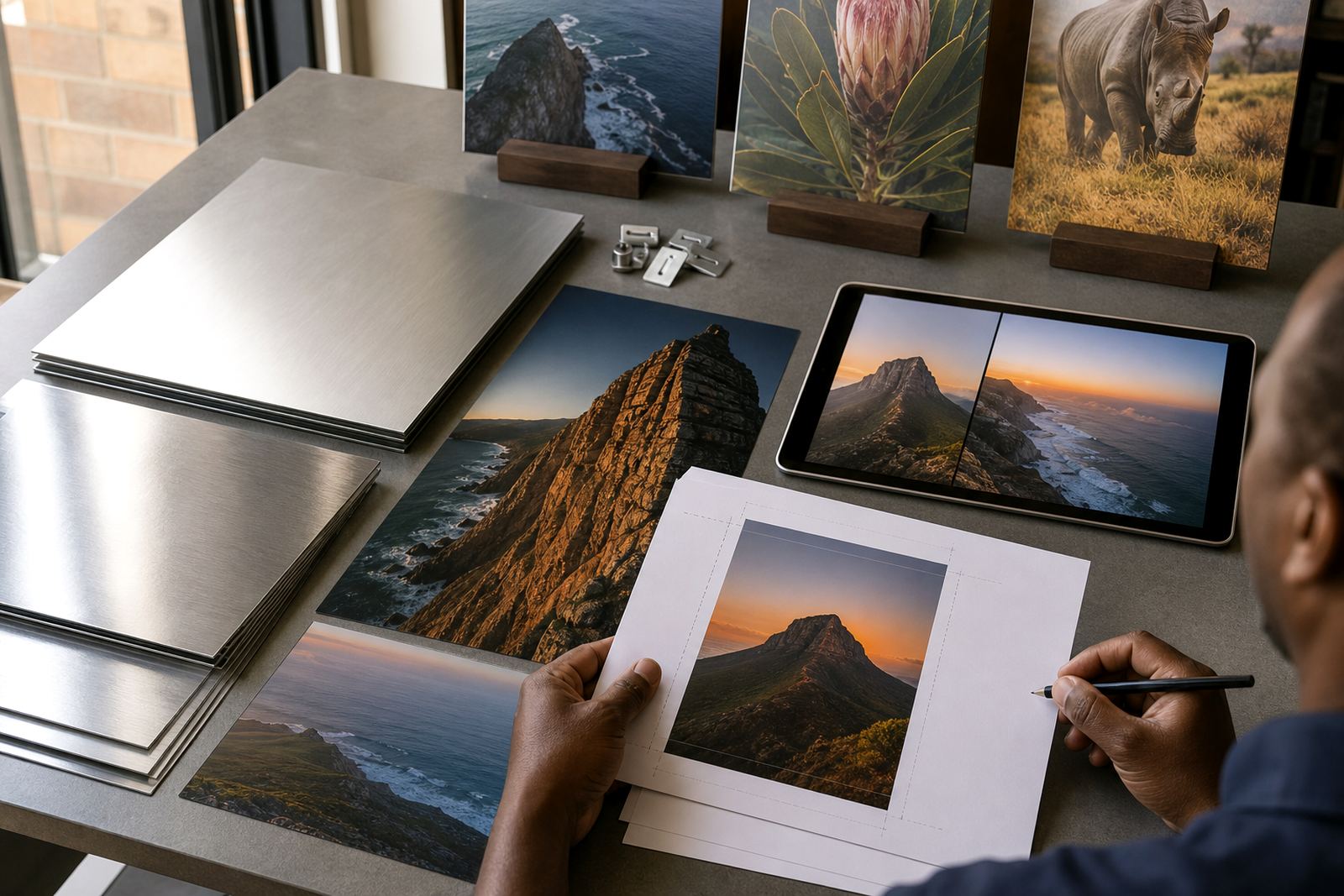
Where useful, we can also compare the file against a test panel or a smaller sample section. This is helpful when the image carries fine architecture, hair detail, product packaging, or type that must stay crisp. It also helps when a client is preparing a set of matching panels for a business wall and wants the whole set to read cleanly from across the room.
- Send the image, preferred size and any crop notes
- We assess resolution, ratio and print suitability
- If needed, we suggest a safer size or crop change
- Once approved, production can move to colour preparation and print setup
Size guidance that matches real viewing distances
There is no single rule for every panel. A 300 x 300 mm piece in a home passage needs a much higher standard than a 1200 x 800 mm feature panel viewed from a few metres away. That is why our review always takes the intended wall position into account. Offices in Sandton or Pretoria may need sharper logos and cleaner brand colours, while a large lobby wall in Durban or Cape Town can allow a slightly more forgiving file if the distance is generous.
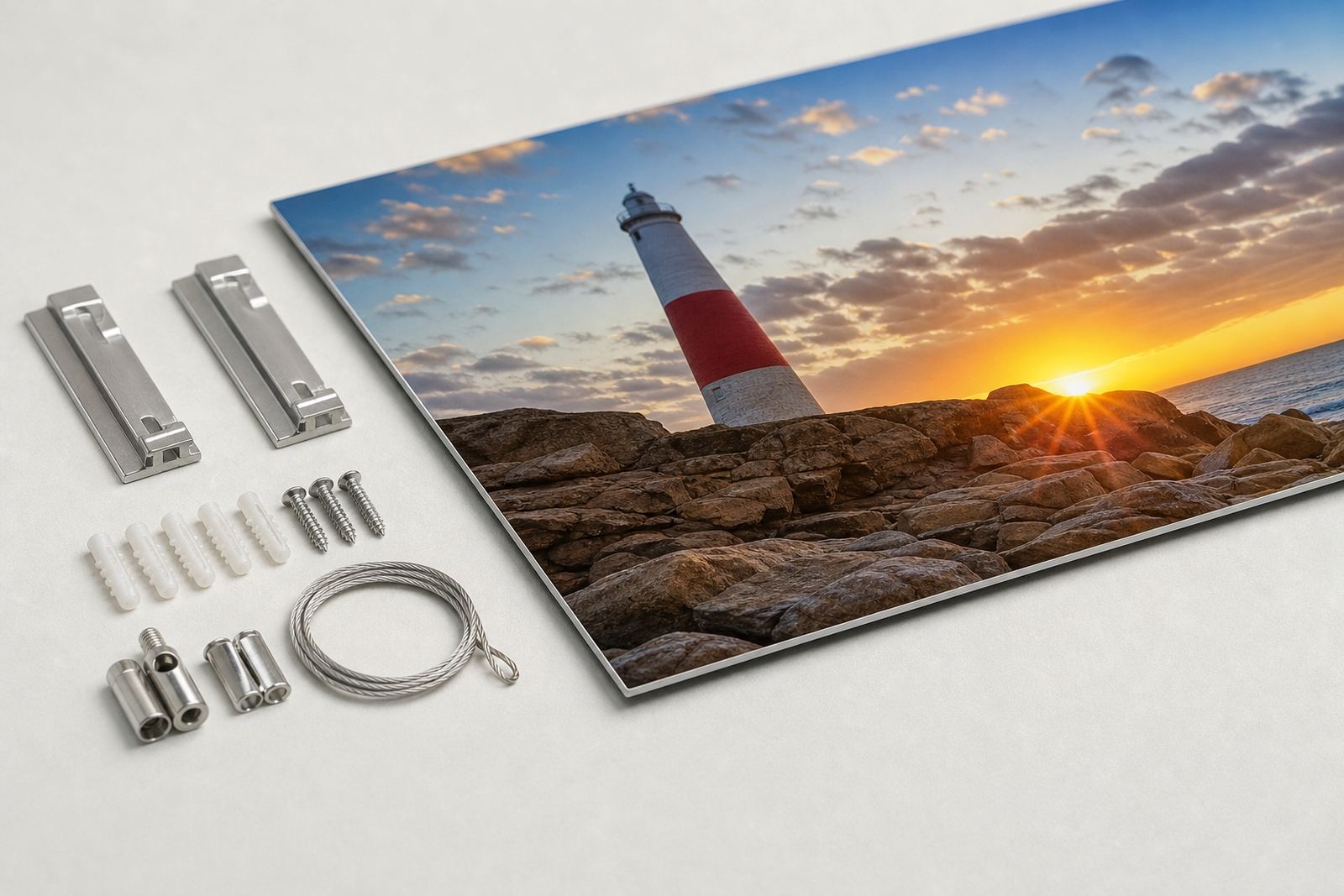
We also factor in the panel’s finish. Gloss tends to show detail clearly but can reflect more light, which means viewing angle matters. Matte reduces glare and is often easier in bright rooms or spaces with strong daylight. Brushed aluminium gives a more industrial feel, but it asks for careful handling of contrast and layout so the artwork still reads properly.
- Close viewing: reception counters, hallways, retail point-of-sale pieces
- Medium viewing: offices, meeting rooms, home living areas
- Longer viewing distance: foyers, warehouse offices, large-format wall displays
- We can advise if your image is better suited to a smaller size or a different finish
Turnaround, pricing and what affects the review cost
Resolution review is usually one of the quicker parts of the order, but timing depends on file clarity and how many adjustments are needed. A clean, well-labelled file is faster to assess than a badly compressed image or a file with several crop issues. If a client asks for reprint matching, multi panel alignment or several size options, we allow extra time so the recommendation is accurate.
Our pricing approach is straightforward. Basic review work is usually folded into the wider production process when an order proceeds. More detailed checks, multiple file comparisons, test panel setup or heavy crop planning may affect the final quote. We do not guess. If there is extra labour involved, it is flagged before anything is made so the client can decide on the best route.
- Single file checks are quicker than sets with multiple panels
- Test panels and crop alternatives can add time to the review
- Large files, weak files or compressed files may need extra preparation
- Quotes reflect the actual work needed, not a one-size-fits-all rate
Aftercare for files that have already been approved
Once a file is approved and printed onto aluminium, care is mostly about keeping the panel clean and protected. We give practical guidance for wiping dust with a soft dry cloth and avoiding harsh cleaners that can mark the finish. This is especially important on gloss panels, where fingerprints and streaks are more visible, and on brushed panels where surface texture can trap grime if the wrong cloth is used.
If a panel is to hang in a coastal area such as Cape Town or Gqeberha, or near a kitchen or air-conditioned office, we can advise on placement and handling so the finish stays neat over time. Good aftercare also means keeping the image file and panel details on record in case a future reprint is needed. That makes matching sizes and tones much easier later on, and saves a lot of back and forth.
- Use a soft cloth only, with light pressure
- Avoid abrasive cleaners and rough sponges
- Keep spare artwork files safely stored for future matching
- Let us know if the panel will hang in strong sun, humidity or high traffic areas
Why local resolution checking saves time in South Africa
South African printing jobs often need to work around mixed file quality, remote approvals and delivery across towns with very different conditions. A file that is fine for a small Johannesburg office wall may need closer checking if it is going to a larger venue in Durban or a bright retail space in Cape Town.
Our Randburg base supports clients across Johannesburg, Pretoria, Midrand, Sandton, Cape Town, Durban and Gqeberha with the same practical review standard. The point of resolution review is not to make the file sound complicated. It is to give you a clear yes, a safe alternative size, or a clean next step so the panel prints well the first time. That matters when the image carries a memory, a brand, or a piece of work that needs to look right on aluminium.
Key facts
| File types reviewed | JPG, TIFF, PNG and high quality PDF |
|---|---|
| Recommended source quality | 300 dpi at final size where close viewing is expected |
| Typical finish options | Gloss, matte, white and brushed coated aluminium |
| Viewing distance check | Based on wall placement and intended audience distance |
| Panel sizes | Custom sizing from small display pieces to large feature panels |
| Review outputs | Approval, safe size suggestion, crop note or reprint matching guidance |